Category
page 1Neutron moderators
.svg)
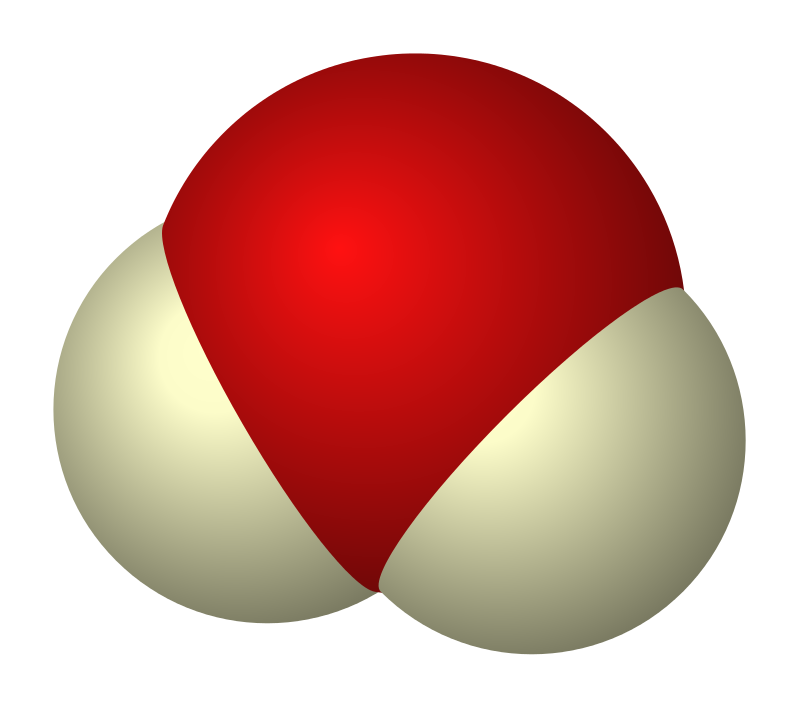
water
Water is an inorganic compound with the chemical formula . It is a transparent, tasteless, odorless, and nearly colorless chemical substance. It is the main constituent of Earth's streams, lakes, and oceans and the fluids of all known living organisms, in which it acts as a solvent. Water, being a polar molecule, undergoes strong intermolecular hydrogen bonding which is a large contributor to its physical and chemical properties. It is vital for all known forms of life, despite not providing food energy or being an organic micronutrient. Due to its presence in all organisms, its chemical stabi

beryllium
Beryllium is a chemical element; it has symbol Be and atomic number 4. It is a steel-gray, hard, strong, lightweight and brittle alkaline earth metal. It is a divalent element that occurs naturally only in combination with other elements to form minerals. Gemstones high in beryllium include beryl (aquamarine, emerald, red beryl) and chrysoberyl. It is a relatively rare element in the universe, usually occurring as a product of the spallation of larger atomic nuclei that have collided with cosmic rays. Within the cores of stars, beryllium is depleted as it is fused into heavier elements. Beryll

deuterium
Deuterium (hydrogen-2, symbol H or D, also known as heavy hydrogen) is one of two stable isotopes of hydrogen; the other is protium, or hydrogen-1, H. The deuterium nucleus (deuteron) contains one proton and one neutron, whereas the far more common H has no neutrons.
heavy water
chemical compound
neutron moderator
medium that reduces the speed of fast neutrons, turning them into thermal neutrons that can sustain nuclear chain reactions; e.g. water, graphite, heavy water, beryllium
properties of water
overview about physical and chemical properties of pure water
uranium hydride
chemical compound
FLiBe
right|thumb|300px|Molten FLiBe flowing; this sample's green tint is from dissolved uranium tetrafluoride.
nuclear graphite
grade of graphite specifically manufactured for use within nuclear reactors