Category
page 1Niobe
.jpg)
niobium
Niobium is a chemical element; it has symbol Nb (formerly columbium, Cb) and atomic number 41. It is a light grey, crystalline transition metal. Pure niobium has a Mohs hardness rating similar to pure titanium, and it has similar ductility to iron. Niobium oxidizes in Earth's atmosphere very slowly, hence its application in jewelry as a hypoallergenic alternative to nickel. Niobium is found in the minerals pyrochlore and columbite, as well as other minerals. Its name comes from Greek mythology: Niobe, daughter of Tantalus, the namesake of tantalum. The name reflects the great similarity betwee

71 Niobe
main-belt asteroid
Mount Sipylus
mountain in Manisa, Turkey
%20-%20Napoli%20MAN%20111479.jpg)
Niobids
thumb|302x302px|Roman fresco: Apollo and [[Artemis shoot the sons of Niobe, who flee (partly on horseback) in an idyllic landscape, 1st c. BC - 1st c. AD]]
thumb|right|302x302px|Roman sarcophagus: Apollo and [[Artemis killing the 14 children of Niobe (front side). Artemis; 5 daughters with a nurse; younger son with a pedagogue; 3 other sons; Apollo. Top: dead Niobids. 160–170 Ad]]
In Greek mythology, the Niobids were the children of Amphion of Thebes and Niobe, slain by Apollo and Artemis because Niobe, born of the royal house of Phrygia, had boastfully compared the greater number of her own o
Niobid Painter
painter and vase painter (c. 470 to 450 BC)
Six Metamorphoses after Ovid
set of musical compositions for oboe by Benjamin Britten
Niobe, regina di Tebe
opera by Agostino Steffani
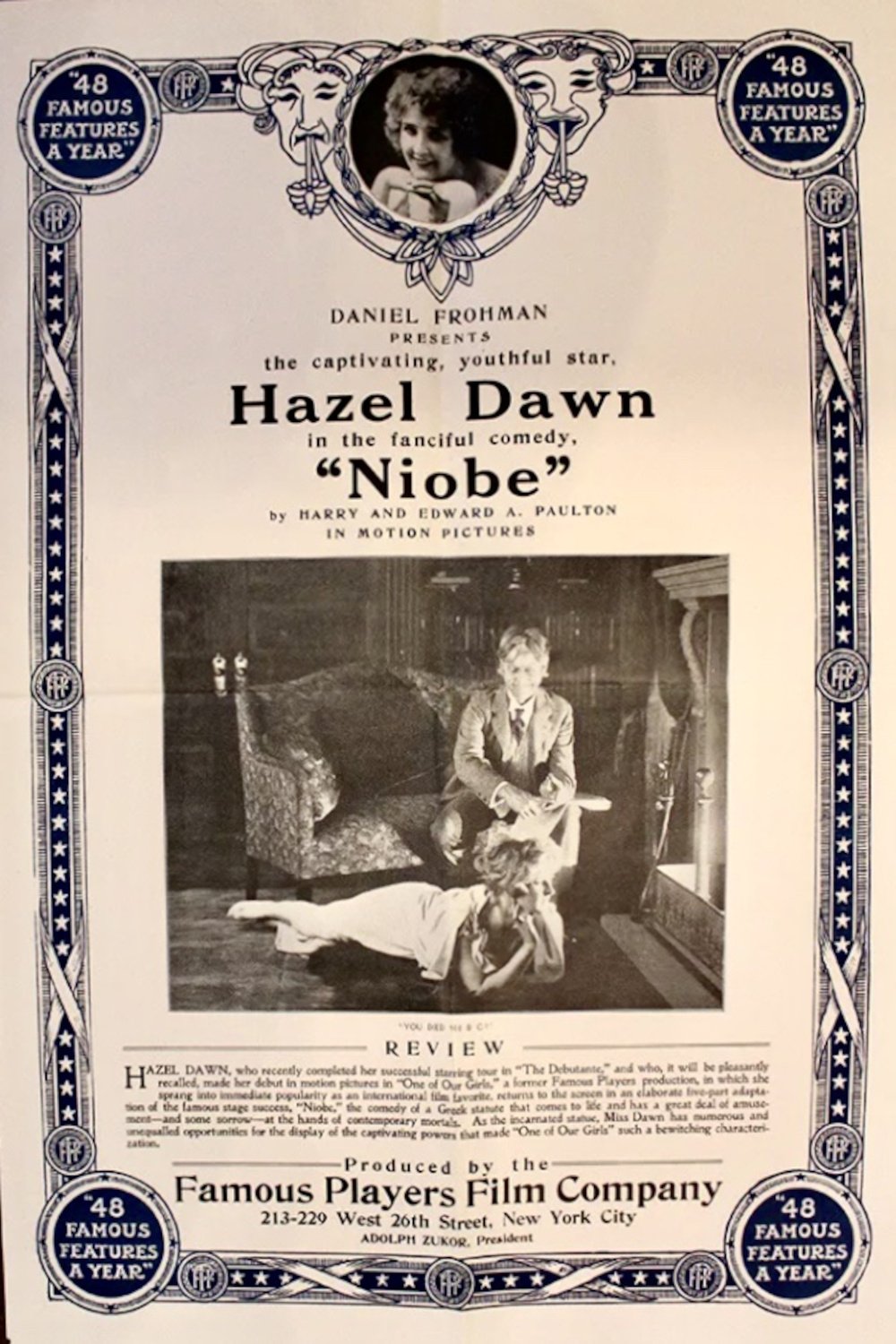
Niobe
1915 film by Hugh Ford