Category
page 1Obstetrics
human pregnancy
Pregnancy is the time during which one or more offspring gestates inside a woman's uterus. A multiple pregnancy involves more than one offspring, such as with twins.

surrogacy
thumb|upright=1.5|Intended parents attend the birth of their child by a gestational surrogate.

in vitro fertilization
assisted reproductive technology procedure (ART)

obstetrics
Obstetrics is the field of study concentrated on pregnancy, childbirth and the postpartum period. As a medical specialty, obstetrics is - in some jurisdictions - combined with gynecology under the discipline known as obstetrics and gynecology (OB/GYN), which is a surgical field.

postpartum period
period beginning immediately after the birth of a child and extending for about six weeks

teratoma
fetal alcohol spectrum disorders
group of conditions that can occur in a person whose mother drank alcohol during pregnancy

amniotic fluid
the fluid surrounding a fetus within the amnion

amniocentesis
thumb|Tubes filled with amniotic fluid for amniocentesis
Amniocentesis or amniotic fluid test (AFT) is a medical procedure used primarily in the prenatal diagnosis of genetic conditions. It has other uses such as in the assessment of infection and fetal lung maturity. Prenatal diagnostic testing, which includes amniocentesis, is necessary to conclusively diagnose the majority of genetic disorders, with amniocentesis being the gold-standard procedure after 15 weeks' gestation.

pregnancy test
medical procedure
morning sickness
nausea due to pregnancy
stretch marks
form of scarring on the skin
endometritis
obstetrics and gynaecology
medical specialty
amniotic sac
sac in which the fetus develops in amniotes
nidation
stage of pregnancy at which the already fertilized egg adheres to the wall of the uterus
antiphospholipid syndrome
human disease
alpha fetoprotein
Alpha-fetoprotein (AFP, α-fetoprotein; also sometimes called alpha-1-fetoprotein, alpha-fetoglobulin, or alpha fetal protein) is a protein that in humans is encoded by the AFP gene. The AFP gene is located on the q arm of chromosome 4 (4q13.3). Maternal AFP serum level is used to screen for Down syndrome, neural tube defects, and other chromosomal abnormalities.
water birth
childbirth that occurs in water
(S)-ropivacaine
Ropivacaine (rINN) is a local anaesthetic drug belonging to the amino amide group. The name ropivacaine refers to both the racemate and the marketed S-enantiomer. Ropivacaine hydrochloride is commonly marketed by AstraZeneca under the brand name Naropin.
Rh disease
problem with Rh+ fetuses in Rh- mothers
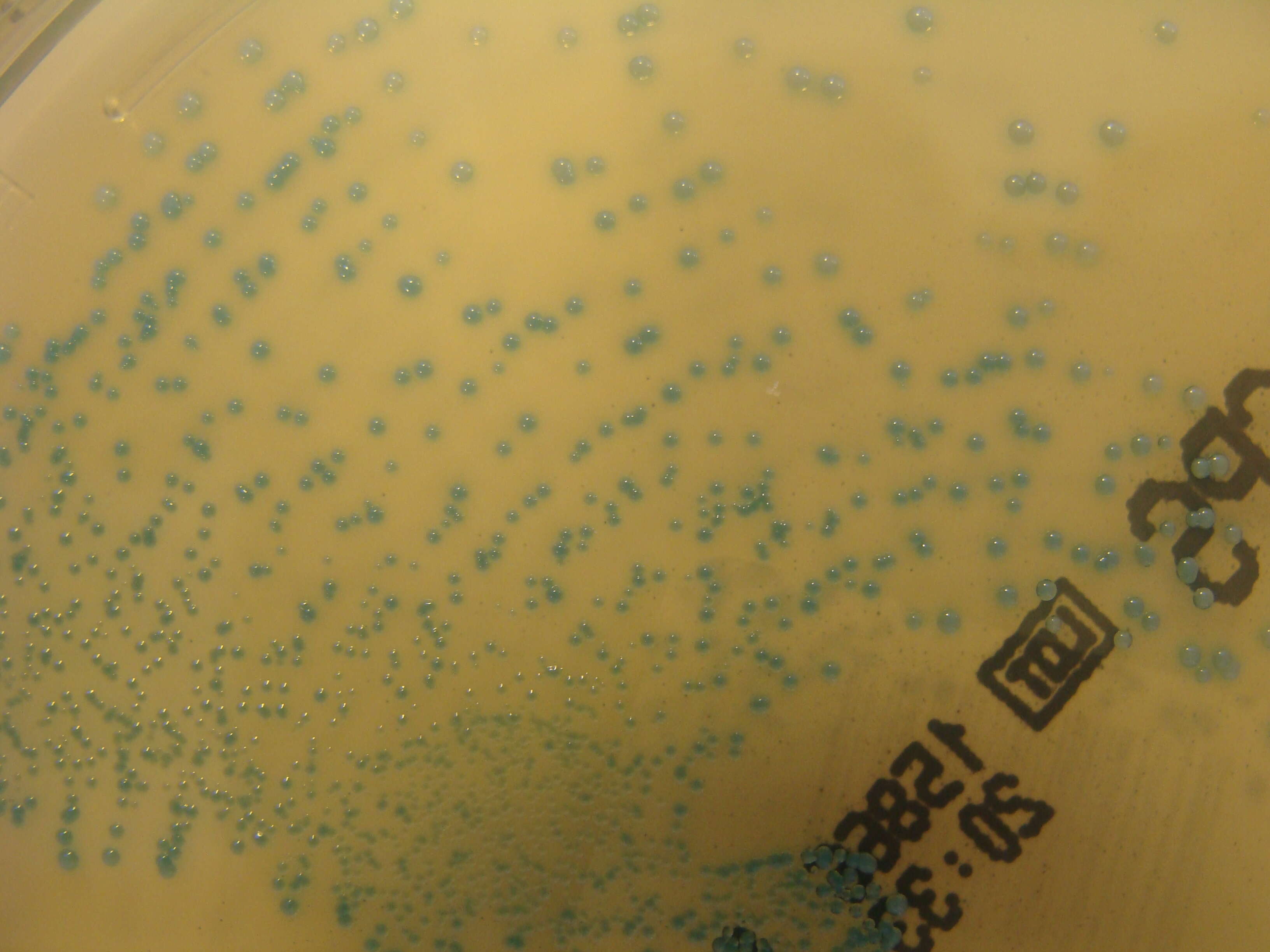
Streptococcus agalactiae
species of bacterium
perinatal death
deaths of humans during late pregnancy from 22 weeks of gestation or within the first 7 days after birth
foramen ovale
in the fetal heart allows blood to enter the left atrium from the right atrium.
Sheehan's syndrome
human disease
lochia
In obstetrics, lochia is the vaginal discharge after giving birth, containing blood, mucus, and uterine tissue. Lochia discharge typically continues for four to eight weeks after childbirth, a time known as the postpartum period or puerperium. A 2016 review ties this "lochial period" to worldwide customs of postpartum confinement, a time for the new mother and baby to bond.
Moro reflex
Infantile reflex
artificial womb
device that would allow for extracorporeal pregnancy
maternal health
health of women during pregnancy, child birth, and the postpartum period
gestational age
measure of the age of a pregnancy

decidua
The decidua is the modified mucosal lining of the uterus (that is, modified endometrium) that forms every month, in preparation for pregnancy. It is shed off each month when there is no fertilized egg to support. The decidua is under the influence of progesterone. Endometrial cells become highly characteristic. The decidua forms the maternal part of the placenta and remains for the duration of the pregnancy. After birth the decidua is shed together with the placenta.
uterine contraction
contraction of the uterus
maternal-fetal medicine
branch of medicine that focuses on managing health concerns of the mother and fetus prior to, during, and shortly after pregnancy
vertically transmitted infection
infection caused by pathogens that use mother-to-child transmission
coffin birth
expulsion of a nonviable fetus through the vaginal opening of the decomposing body of a deceased pregnant woman as a result of the increasing pressure of intra-abdominal gases.
birth weight
weight of an organism at birth
retained placenta
condition in which all or part of the placenta or membranes remain in the uterus during the third stage of labour
birthing center
healthcare facility where pregnant mothers can give birth
mitochondrial replacement therapy
special form of in vitro fertilisation
tocolytic uterine relaxants
Tocolytics (also called anti-contraction medications or labor suppressants) are medications used to suppress premature labor (from Greek τόκος tókos, "childbirth", and λύσις lúsis, "loosening"). Preterm birth accounts for 70% of neonatal deaths. Therefore, tocolytic therapy is provided when delivery would result in premature birth, postponing delivery long enough for the administration of glucocorticoids (which accelerate fetal lung maturity) to be effective, as they may require one to two days to take effect.
congenital cystic adenomatoid malformation
congenital disorder of respiratory system
Rho(D) immune globulin
medication used to prevent RhD isoimmunization
Ferguson reflex
Cycle of uterine contractions
sacrococcygeal teratoma
medical condition
Chadwick's sign
bluish discoloration of the cervix, vagina, and labia resulting from increased blood flow

Bishop score
pre-labor scoring system to assist in predicting whether induction of labor will be required
Cervical mucus plug
the cervical mucus plug that blocks the cervix of the uterus after conception

caul
A caul is a piece of membrane that can cover a newborn's head and face. Birth with a caul is rare, occurring in fewer than 1 in 80,000 births. The caul is harmless and is immediately removed by the attending parent, physician, or midwife upon birth of the child.
nitrazine
Nitrazine or phenaphthazine is a pH indicator dye often used in medicine. More sensitive than litmus, nitrazine indicates pH in the range of 4.5 to 7.5. Nitrazine is usually used as the disodium salt.

human vaginal size
dimensions and shape of the human vagina
placental expulsion
emergence of placenta from birth canal after birth
cephalic presentation
baby position during birth
rupture of membranes
rupture of the amniotic sac, normally occurring spontaneously at full term either during or at the beginning of labor

Trotula
thumbnail|London, Wellcome Library, MS 544 (Miscellanea medica XVIII), early 14th century (France), a copy of the intermediate Trotula ensemble, p. 65 (detail): pen and wash drawing meant to depict "Trotula", clothed in red and green with a white headdress, holding an orb
thumb|Trotula transitional ensemble, Paris, Bibliothèque nationale de France, MS lat. 7056, mid-13th century, ff. 84v-85r, opening of the De ornatu mulierum
Trotula is a name referring to a group of three texts on women's medicine that were composed in the southern Italian port town of Salerno in the 12th century. The name de
obstetrical nursing
prenatal care and pregnancy nursing specialty
cell-free fetal DNA test
analysis of cell-free fetal DNA, or DNA from fetal cells that are biopsied from a pregnant woman’s blood
perineal tear
childbirth-related injury
Roses Revolution
International movement against obstetric violence
Doppler fetal monitor
medical diagnostic method
Hegar's sign
clinical sign indicative of pregnancy