Category
page 1Oomycete genera

Phytophthora
thumb|Rhododendron ponticum showing classic symptoms of [[Phytophthora kernoviae in the UK]]
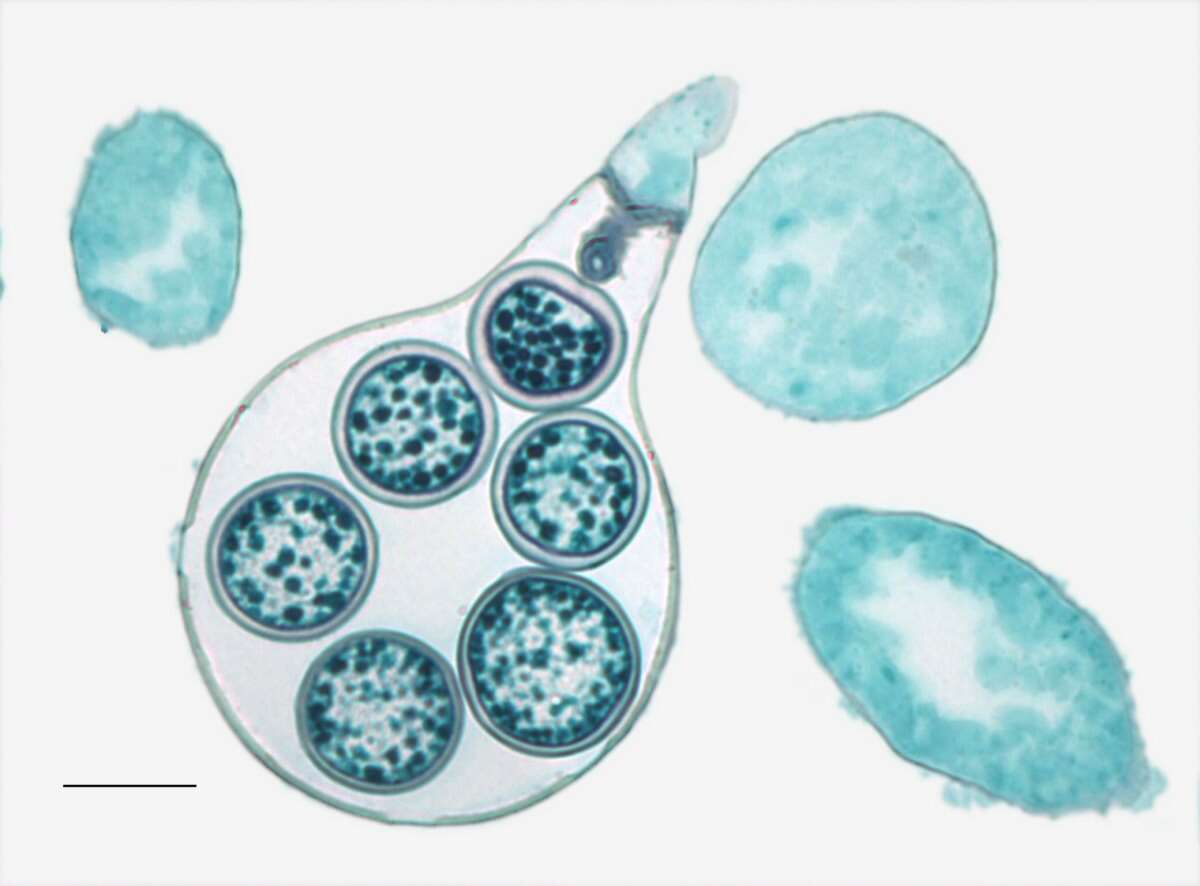
Saprolegnia
Saprolegnia is a genus of water moulds often called cotton moulds because of the characteristic white or grey fibrous patches they form. Current taxonomy puts Saprolegnia as a genus of the heterokonts in the order Saprolegniales.

Albugo
Albugo is a genus of plant-parasitic oomycetes. Those are not true fungi (Eumycota), although many discussions of this organism still treat it as a fungus. The taxonomy of this genus is incomplete, but several species are plant pathogens. Albugo is one of three genera currently described in the family Albuginaceae, the taxonomy of many species is still in flux.
.jpg)
Pythium
Pythium is a genus of parasitic oomycetes. They were formerly classified as fungi. Most species are plant parasites, but Pythium insidiosum is an important pathogen of animals and human, causing pythiosis. The feet of the fungus gnat are frequently a vector for their transmission.
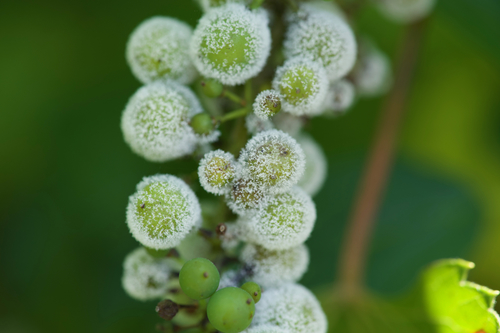
Peronospora
Peronospora is a genus of downy mildews that are obligate plant pathogens. They can cause severe damage to many different cultivated crops, as well as wild and ornamental plants. Peronospora is most closely related to Pseudoperonospora, and together they form the clade of downy mildews with coloured conidia. Peronospora has far more species than any other genus of the downy mildews. However, many species have been moved from this genus to other genera based on phylogenetic evidence. Among these are the species now in Hyaloperonospora, important pathogens of the Brassicaceae. Now, the Peronospo
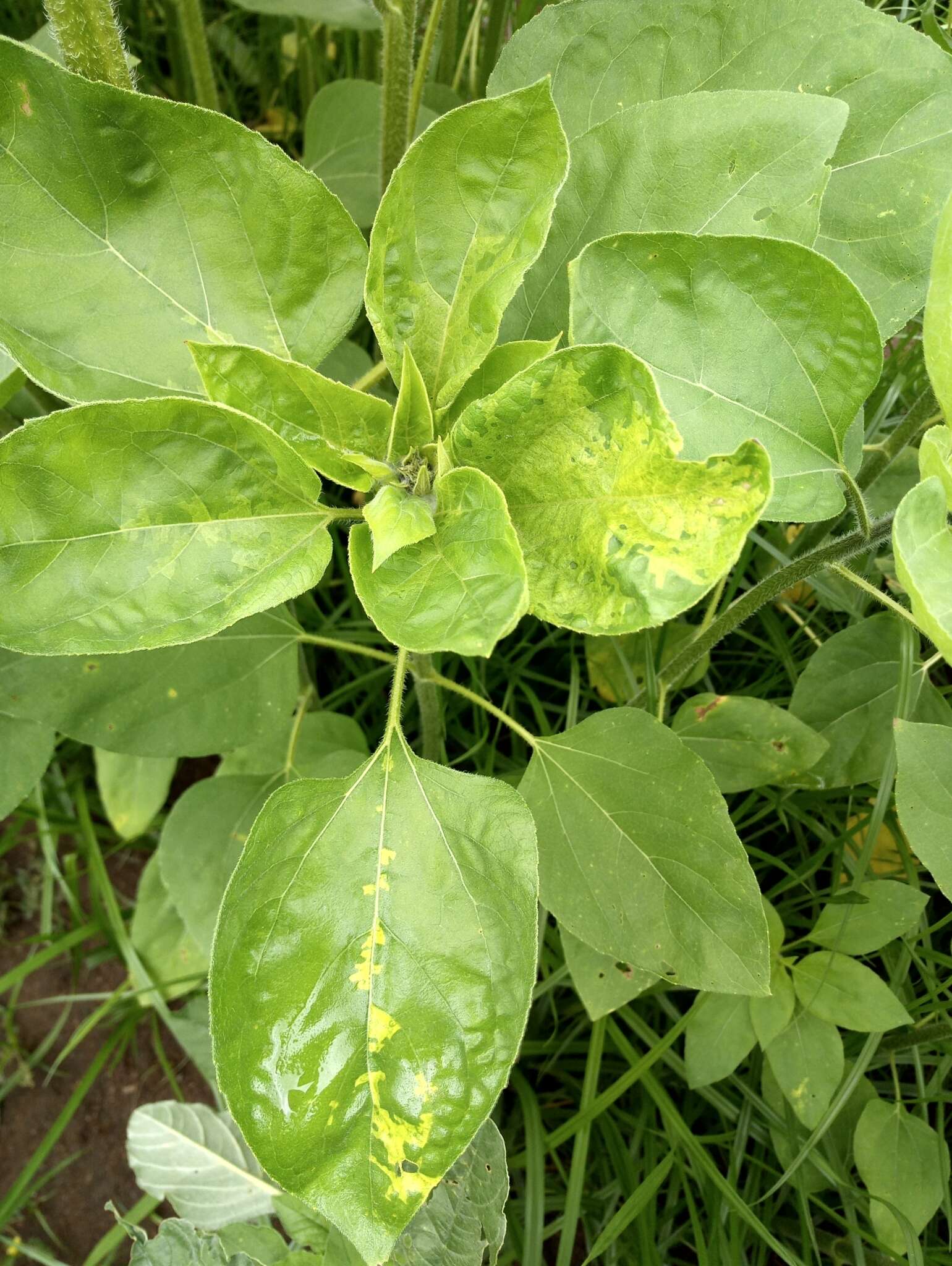
Plasmopara
Plasmopara is a genus of Oomycota. Plasmopara species are plant pathogens, causing downy mildew on carrot, parsley, parsnip, chervil, and impatiens.
Achlya
Achlya is a genus of oomycete (water mold), in the family Saprolegniaceae. The genus includes several plant pathogens including Achlya conspicua and Achlya klebsiana. Unlike many other microorganisms, cell expansion is governed by changes in cell wall strength rather than changes in osmotic pressure. The genome of Achlya hypogyna has been sequenced and can be accessed on public online databases, for example on the NCBI website (National Center for Biotechnology Information).
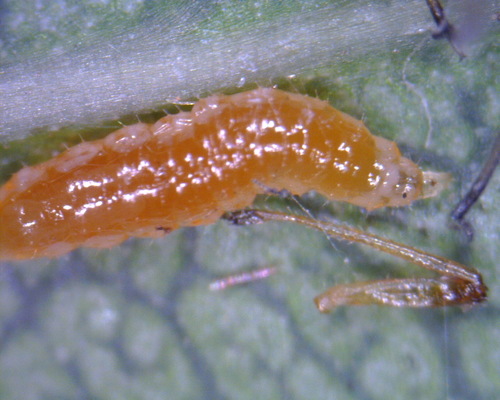
Bremia
genus of Oomycetes

Aphanomyces
Aphanomyces is a genus of water moulds. As of 2003 there were about 45 described species. Many of these water moulds are known as ecologically important pathogens of species of plants and animals, including fish, crustaceans, and agricultural crop plants. Aphanomyces water moulds are "one of the most important yield-limiting factors in production of legumes and sugarbeet."
Pseudoperonospora
Pseudoperonospora is a genus of water moulds which includes several species known for causing downy mildew infections on plants.
Hyaloperonospora
Hyaloperonospora is a genus of oomycete, obligate, plant pathogens that was originally considered to be part of Peronospora. Species in this group produce a disease called downy mildew and can infect many important crops. From the 19 downy mildew producing genera, Hyaloperonospora has been grouped with Perofascia in the brassicolous downy mildews. In the group of downy mildews, Hyaloperonospora is the third biggest genus. The most famous species in the genus is the Hyaloperonospora parasitica, or also known as Hyaloperonospora arabidopsis. This species has become a model organism from its abil
Lagenidium
Lagenidium is a genus of Oomycota. It includes the now deregistered biological control agent Lagenidium giganteum.