Category
page 1Oxygen

oxygen
Oxygen is a chemical element; it has the symbolO and its atomic number is8. It is a member of the chalcogen group in the periodic table. It is highly reactive, a nonmetal, and a potent oxidizing agent that readily forms oxides with most elements as well as with other compounds. Oxygen is the most abundant element in Earth's crust, making up almost half of the Earth's crust in the form of various oxides such as water, carbon dioxide, iron oxides, and silicates. It is also the third-most abundant element in the universe after hydrogen and helium.
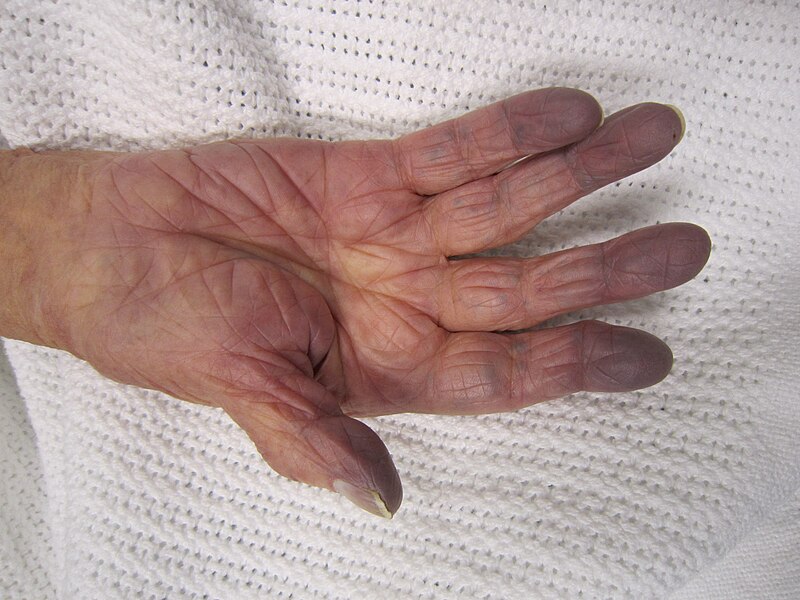
hypoxia
condition in which the body or a region of the body is deprived of adequate oxygen supply at the tissue level

liquid oxygen
one of the physical forms of elemental oxygen
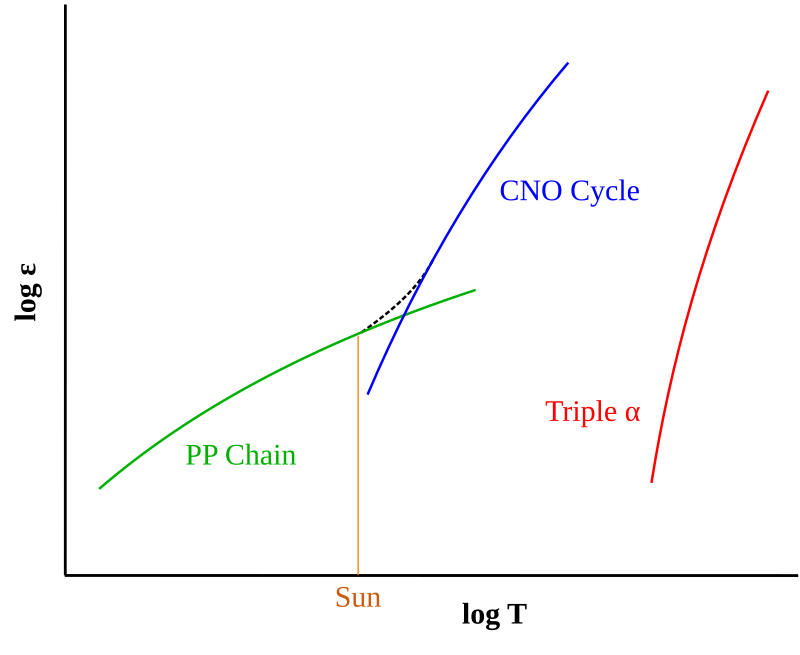
CNO cycle
set of fusion reactions by which stars convert hydrogen to helium: 4¹H+2e⁻→⁴He+2e⁺+2e⁻+2νₑ+3γ+24.7 MeV→⁴He+2νₑ+3γ+26.7 MeV
Great Oxygenation Event
Paleoproterozoic surge in atmospheric oxygen
oxy-fuel welding and cutting
metalworking technique using a gaseous fuel and oxygen
oxygen toxicity
condition resulting from the harmful effects of breathing molecular oxygen at increased partial pressures

oxyhydrogen
thumb|right|Nineteenth-century electrolytic cell for producing oxyhydrogen
Oxyhydrogen is a mixture of hydrogen (H2) and oxygen (O2) gases. This gaseous mixture is used for torches to process refractory materials and was the first
blood oxygen saturation
fraction of oxygen-saturated hemoglobin relative to total hemoglobin in the blood
oxygen cycle
biogeochemical cycle of oxygen within its four main reservoirs: the atmosphere, the biosphere, the hydrosphere, and the lithosphere
isotope of oxygen
type of isotope that has 8 protons
anoxic event
intervals in the Earth's past
Mars Oxygen In-Situ Resource Utilization Experiment
oxygen production experiment on the Perseverance rover
hypoxia
low environmental oxygen levels
oxygen saturation
relative measure of the amount of oxygen that is dissolved or carried in a given medium

Nebulium
thumb|right|Cat's Eye Nebula (NGC 6543)
thumb|Cat's Eye Nebula (NGC 6543)
Nebulium was a proposed element found in astronomical observation of a nebula by William Huggins in 1864. The strong green emission lines of the Cat's Eye Nebula, discovered using spectroscopy, led to the postulation that an as yet unknown element was responsible for this emission. In 1927, Ira Sprague Bowen showed that the lines are emitted by doubly ionized oxygen (new style O; old style O), and no new element was necessary to explain them.
ozone-oxygen cycle
biogeochemical cycle
dark oxygen
oxygen produced in obscurity
dioxygenyl ion
The dioxygenyl ion, , has been studied in both the gas phase and in salts with anions that cannot be oxidized. The first synthesis was []. Rather than the double bond of , the bond order is considered to be . Relative to most molecules, this ionization energy is very high at 1175 kJ/mol. As a result, the scope of the chemistry of is quite limited, acting mainly as a 1-electron oxidiser.
cerebral hypoxia
deprivation of oxygen to the brain
solid oxygen
oxygen in a solid state
allotrope of oxygen
different chemical forms of elemental oxygen
Oxygen bar
establishment that sells oxygen for on-site recreational use
nitrous oxide and oxygen
gas mixture used as anesthetic and for pain relief

oxygen tank
storage vessel for oxygen
geological history of oxygen
timeline of the development of free oxygen in the Earth's seas and atmosphere

chemical oxygen generator
device that releases oxygen via a chemical reaction
propellant depot
uncrewed orbital fuel station
Winkler test for dissolved oxygen
test to determine concentration of dissolved oxygen in water
hyperoxia
Hyperoxia is the state of being exposed to high levels of oxygen; it may refer to organisms, cells and tissues that are experiencing excessive oxygenation, or to an abnormally high oxygen concentration in an environment (e.g. a body of water).
Dole effect
oxygen-hemoglobin dissociation curve
S-shaped curve produced when the percentage saturation of haemoglobin with oxygen is plotted against the partial pressure of oxygen (pO2), which is a measure of the oxygen concentration in the surrounding medium
oxygen evolution
the process of generating molecular oxygen through chemical reaction
Brin process
chemical process
doubly ionized oxygen
oxygen dication
Ocean deoxygenation
expansion of oxygen minimum zones in oceans
oxygen absorber
apparatus which controls the amount of oxygen in an enclosed package
oxygen cocktail
type of beverage enriched in gaseous oxygen
CO-oximeter
thumb|Finger tip carboxyhemoglobin saturation monitor.|alt=NOTE I would suggest that this article use as its example device a standalone CO-oximeter. Use the blood-gas-attached and 'peripheral' devices as alternative devices.
A pulse CO-oximeter is a non-invasive, multi-wavelength instrument that measures the oxygen carrying state of hemoglobin in a blood specimen, including oxygen-carrying hemoglobin (O2Hb), non-oxygen-carrying but normal hemoglobin (HHb) as well as the dyshemoglobins such as carboxyhemoglobin (COHb) and methemoglobin (MetHb). Pulse CO-oximeters use four or more wavelengths w
Experiments and Observations on Different Kinds of Air
book by Joseph Priestley
Electro-galvanic oxygen sensor
device which produces a voltage by a chemical reaction with oxygen proportional to partial pressure
oxygen isotope ratio cycle
cyclical variations in the ratio of the abundance of oxygen
Pasteur point
level of oxygen (about 0.3% by volume) above which facultative aerobic microorganisms and facultative anaerobes adapt from fermentation to aerobic respiration