Category
page 1Pakistan Movement
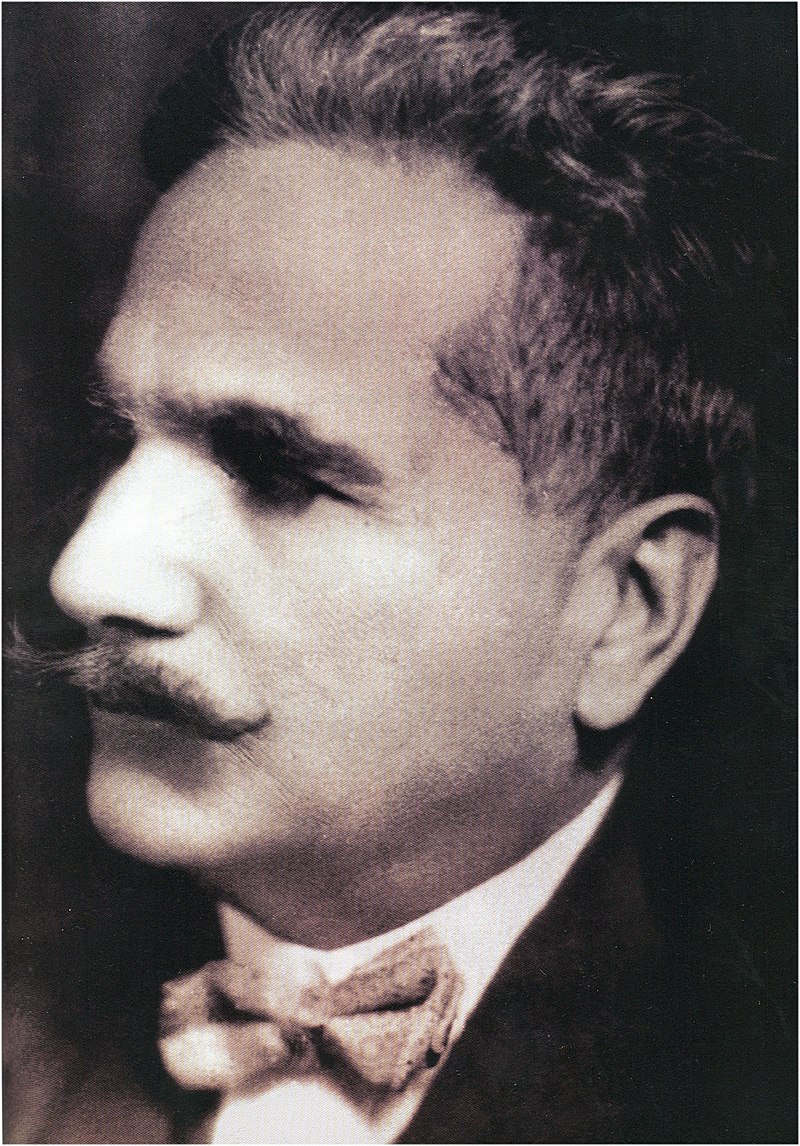
Muhammad Iqbal
South Asian Islamic philosopher, poet and politician

partition of India
1947 Partition of British India

Syed Ahmed Khan
Indian Muslim reformer and social activist (1817–1898)

All India Muslim League
political party within the Indian Empire

history of Pakistan
history of the state Pakistan

Aga Khan III
48th Imam of the Nizari Ismaili community (1877-1957)
Aligarh Muslim University
public university in Aligarh, Uttar Pradesh, India
Constitution of Pakistan
supreme law of the Islamic Republic of Pakistan
Independence Day of Pakistan
national holiday in Pakistan
Radcliffe Line
boundary of the Partition of India
two-nation theory
political ideology that, in the Indian subcontinent, Hindus and Muslims comprise separate nations
Pakistan Movement
political movement in the first half of the 20th century that aimed for and succeeded in the creation of the Dominion of Pakistan from the Muslim-majority areas of British India
Dawn
English language Pakistani newspaper
Lahore Resolution
Formal political statement adopted by the All-India Muslim League in Lahore, Pakistan (1940)
Cripps' mission
failed attempt in late March 1942 by the British government to secure full Indian cooperation and support for their efforts in World War II
British-Indian Round Table Conferences
series of conferences organized by the British Government and Indian national congress during 1930–32
Pakistan Day
national holiday in Pakistan, observed on 23 March annually, commemorating the Lahore Resolution
Direct Action Day
day of widespread communal rioting between Muslims and Hindus in the city of Calcutta
Lucknow Pact
Agreement reached between the Indian National Congress and the Muslim League for independence from British (1916)
Constituent Assembly of Pakistan
Responsible for writing the constitution of the Islamic Republic of Pakistan
Pakistan Declaration
pamphlet by Choudhry Rahmat Ali in 1933 in which the name Pakstan (without the letter "i") was used for the first time
Aligarh Movement
religious reforms of Muslims
Pakistan Times
Pakistani Newspaper
Fourteen Points of Jinnah
constitutional reform plan to safeguard the political rights of Muslims in a self-governing India

United Bengal
a theory put forward prior to the partition of India
Khaksars
a social movement
1946 Cabinet Mission to India
discuss the transfer of power from the British government to the Indian leadership, with the aim of preserving India's unity and granting it independence
Muslim nationalism in South Asia
the political and cultural expression of nationalism founded upon the religious tenets and identity of Islam of the Muslims of South Asia
Objectives Resolution of the Constituent Assembly of Pakistan
document adopted by the Constituent Assembly of Pakistan on 12 March 1949, proclaiming that the constitution of Pakistan would be partially based on Islam; today Article 2(A) of the Constitution of Pakistan
All-India Jamhur Muslim League
1937 Indian provincial elections
provincial elections held in British India in the winter of 1936-37
Anjuman-i Taraqqi-i-Urdu
Literary organisation for the promotion of Urdu
Qissa Khwani massacre
one of the defining moments of the independence movement in British India
Allahabad Address
speech by Muhammad Iqbal
Hindi–Urdu controversy
linguistic dispute
Al-Islah
Pakistani Urdu-language newspaper

Jammat Ali Shah
Pakistani saint
Unionist Party
political party in Punjab, British India
1946 Bihar riots
Communal riots occurred in Bihar from 24 October to 11 November 1946,
Muhammad Ali Jinnah's 11th August Speech
1947 speech made by Pakistan's founding father, Muhammad Ali Jinnah
Zamindar
Urdu-language newspaper, based in Lahore
1946 Indian provincial elections
elections held in British India to elect members of legislative councils of provinces
Jamal Abro
writer (1924-2004)