Category
page 1Parasitic crustaceans

Barnacle
Barnacles are arthropods of the subclass Cirripedia in the subphylum Crustacea. They are related to crabs and lobsters, with similar nauplius larvae. Barnacles are exclusively marine invertebrates; many species live in shallow and tidal waters. Some 2,100 species have been described.

Pentastomida
The Pentastomida are an enigmatic group of parasitic arthropods commonly known as tongue worms due to the resemblance of the species of the genus Linguatula to a vertebrate tongue; molecular studies point to them being highly derived crustaceans.
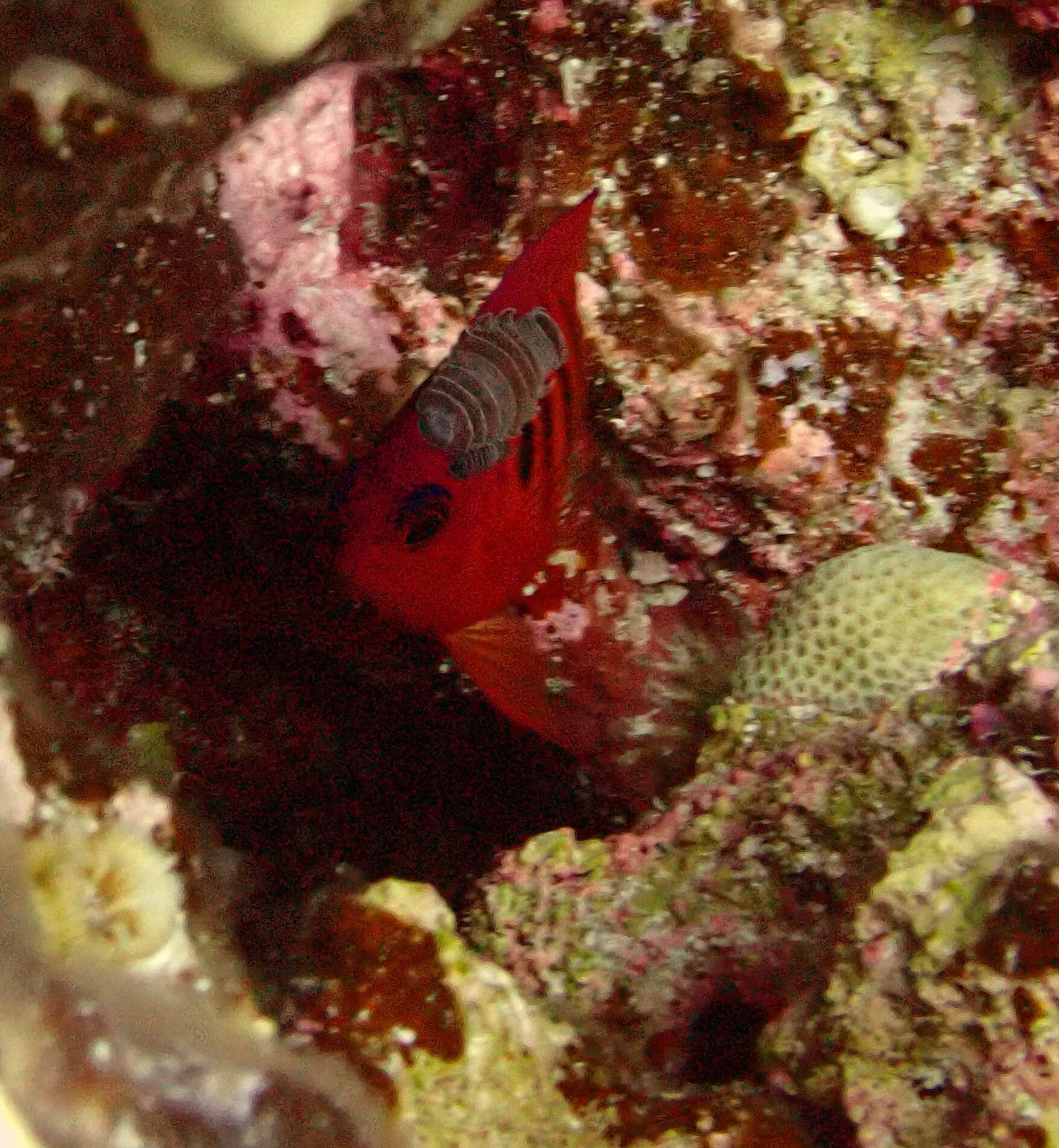
Cymothoa exigua
parasitic crustacean
Cyamidae
family of amphipods

Sacculina
thumb|Sacculina

Rhizocephala
Rhizocephala are derived barnacles that are parasitic castrators. Their hosts are mostly decapod crustaceans, but include Peracarida, mantis shrimps and thoracican barnacles. Their habitats range from the deep ocean to freshwater. Together with their sister groups Thoracica and Acrothoracica, they make up the subclass Cirripedia. Their body plan is uniquely reduced in an extreme adaptation to their parasitic lifestyle, and makes their relationship to other barnacles unrecognisable in the adult form. They also exhibit the most extreme sexual dimorphism of all known animals. The females are para

Pinnotheres pisum
species of crustacean

Caligidae
family of copepods

Gnathiidae
The Gnathiidae are a family of isopod crustaceans. They occur in a wide range of depths, from the littoral zone to the deep sea. Gnathiidae have only five pairs of walking legs. The adults are associated with sponges and may not feed. The juvenile form is known as a 'praniza', and it is a temporary parasite of marine fish. These forms are not larvae; Gnathiidae instead become parasitic during the manca stage. Mancae of the Gnathiidae closely resemble the adult form, however they lack the final pair of pereiopods.
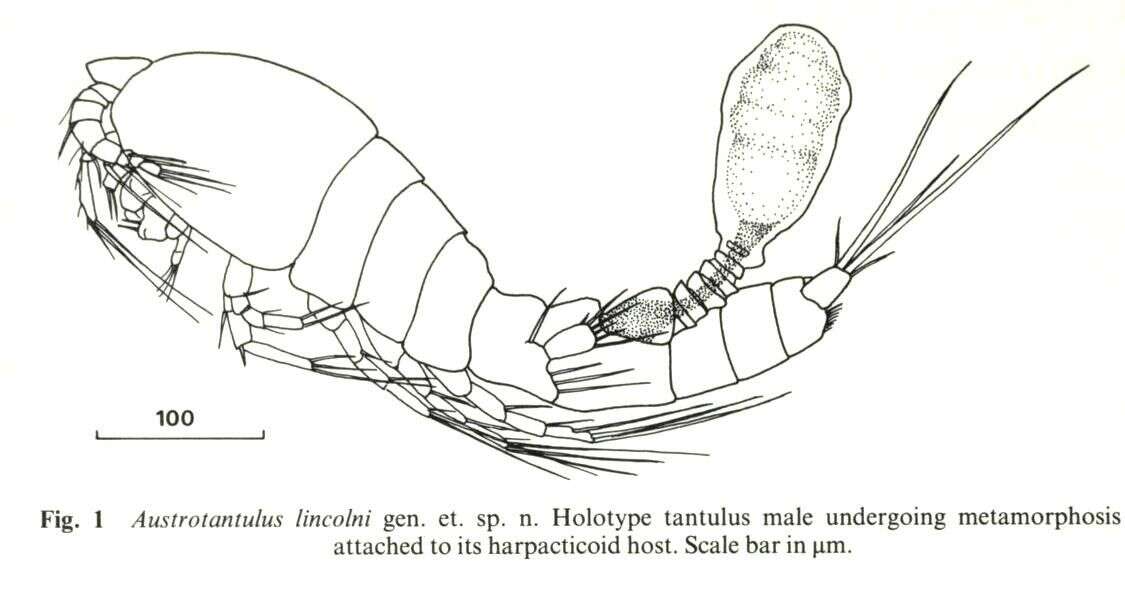
Tantulocarida
Tantulocarida is a highly specialised group of parasitic crustaceans that consists of about 33 species, treated as a class in superclass Multicrustacea. They are typically ectoparasites that infest copepods, isopods, tanaids, amphipods and ostracods.

Argulus japonicus
species of crustacean

salmon louse
species of sea louse
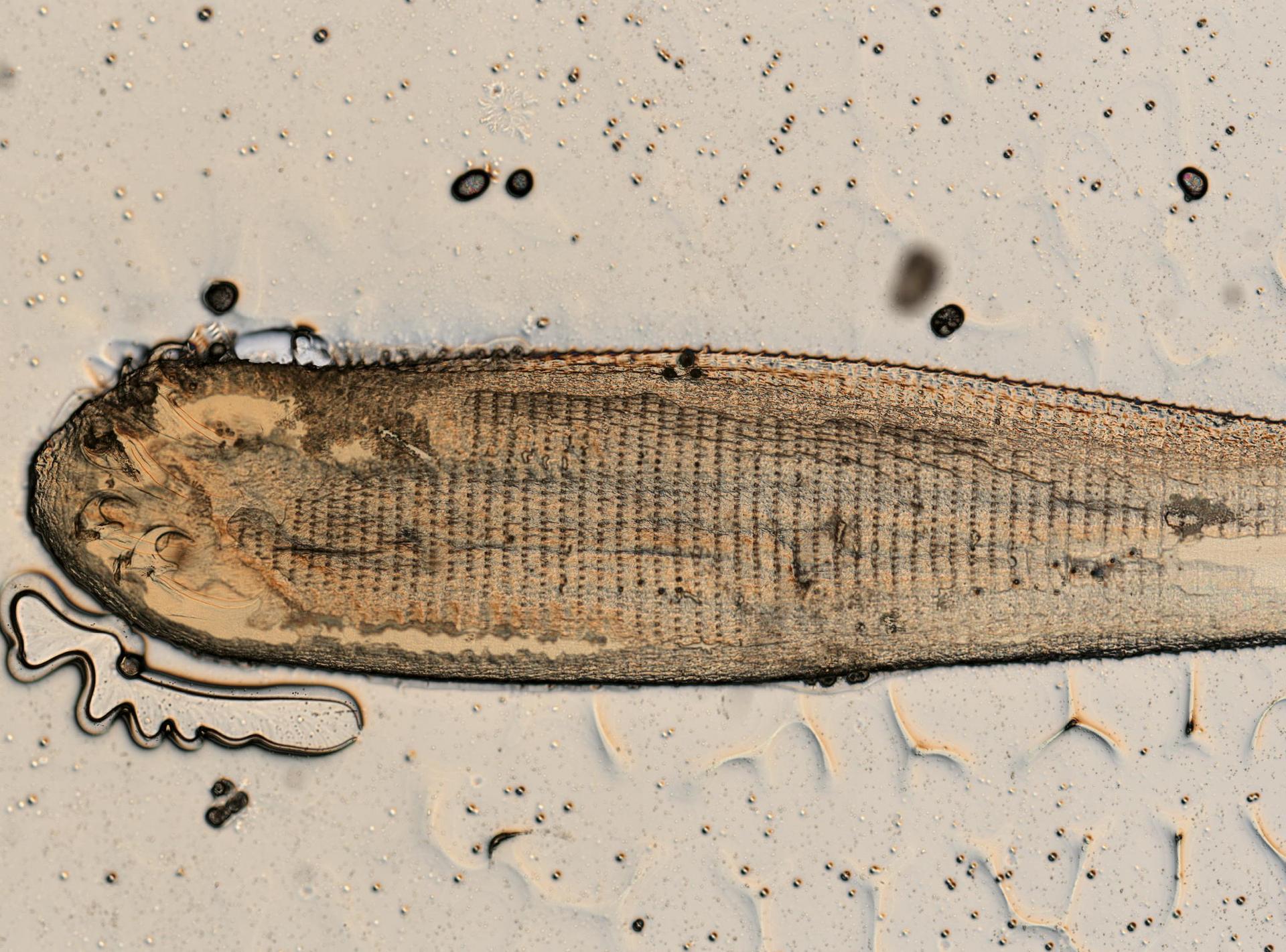
Linguatula serrata
species of crustacean

Argulus foliaceus
species of crustacean
Stygotantulus stocki
Stygotantulus is a genus of crustacean with the sole species Stygotantulus stocki. It lives as an ectoparasite on harpacticoid copepods of the families Tisbidae and Canuellidae. It may be the smallest arthropod in the world, at a length of less than . The specific name stocki commemorates Jan Hendrik Stock, a Dutch carcinologist.
Facetotecta
Facetotecta is a poorly known subclass of thecostracan crustaceans. The adult forms have never been recognized, and the group is known only from its larvae, the "y-nauplius" and "y-cyprid" larvae. The only known genus is Hansenocaris in the family Hansenocarididae. They are mostly found in the north Atlantic Ocean, neritic waters around Japan, and the Mediterranean Basin, where they also survive in brackish water.
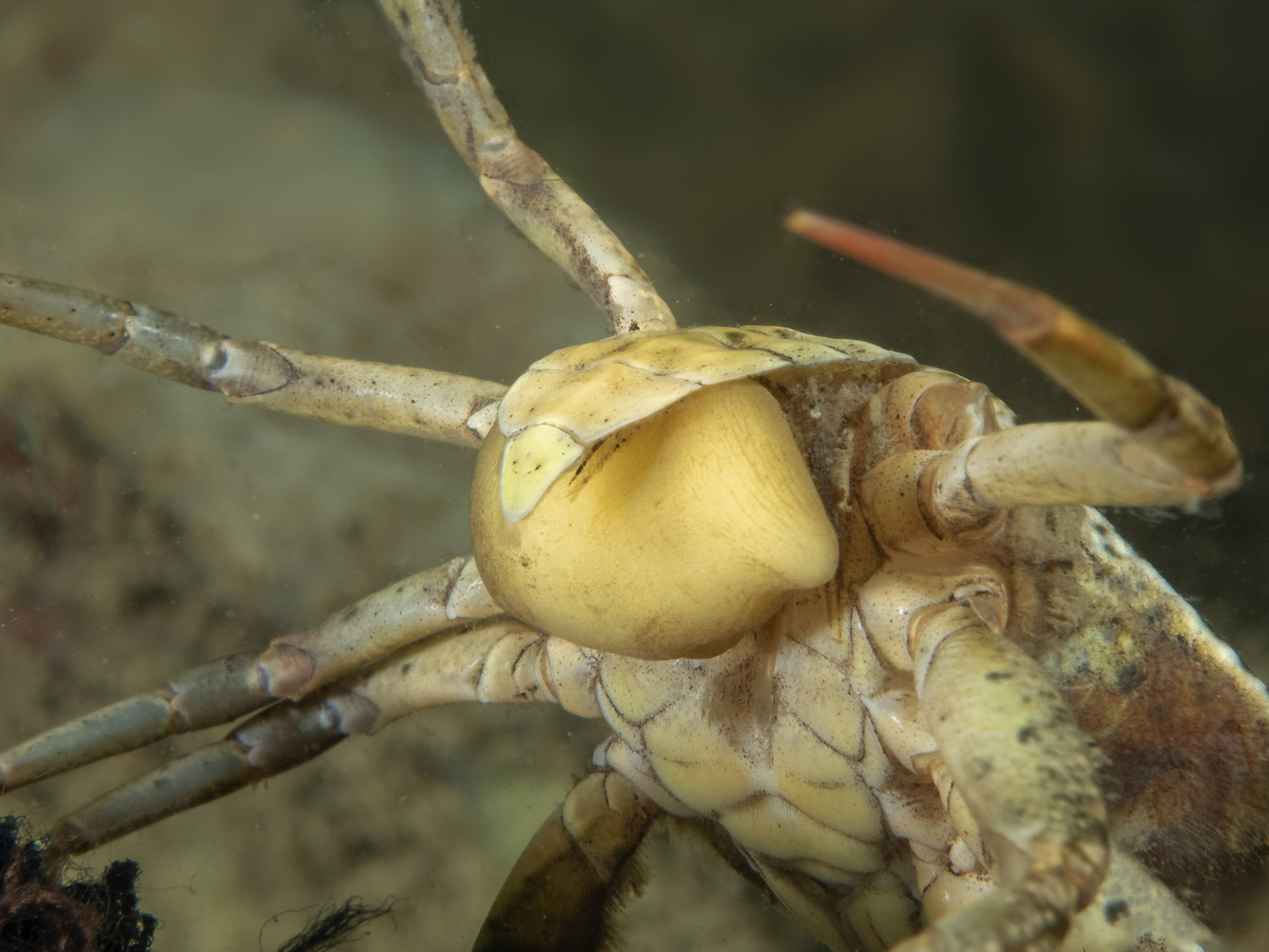
Sacculina carcini
species of crustacean
Chondracanthidae
Chondracanthidae is a family of parasitic copepods, usually found infecting the branchial chamber of demersal fishes. It comprises the following genera:
Sphyriidae
Sphyriidae is a family of marine copepods in the order Siphonostomatoida.
Ichthyostraca
Ichthyostraca is a class of parasitic crustaceans. It is composed of two subclasses; Pentastomida and Branchiura. They mainly parasitize various vertebrates and feed on their blood or mucus.

Caligus curtus
species of arthropods
Porocephalida
Porocephalida is an order of tongue worms. Some species in this order, such as Armillifer grandis, have been found in vipers, with some found in vipers from bushmeat markets. At least one species within this order, Subtriquetra subtriquetra, has a free-living larval stage.
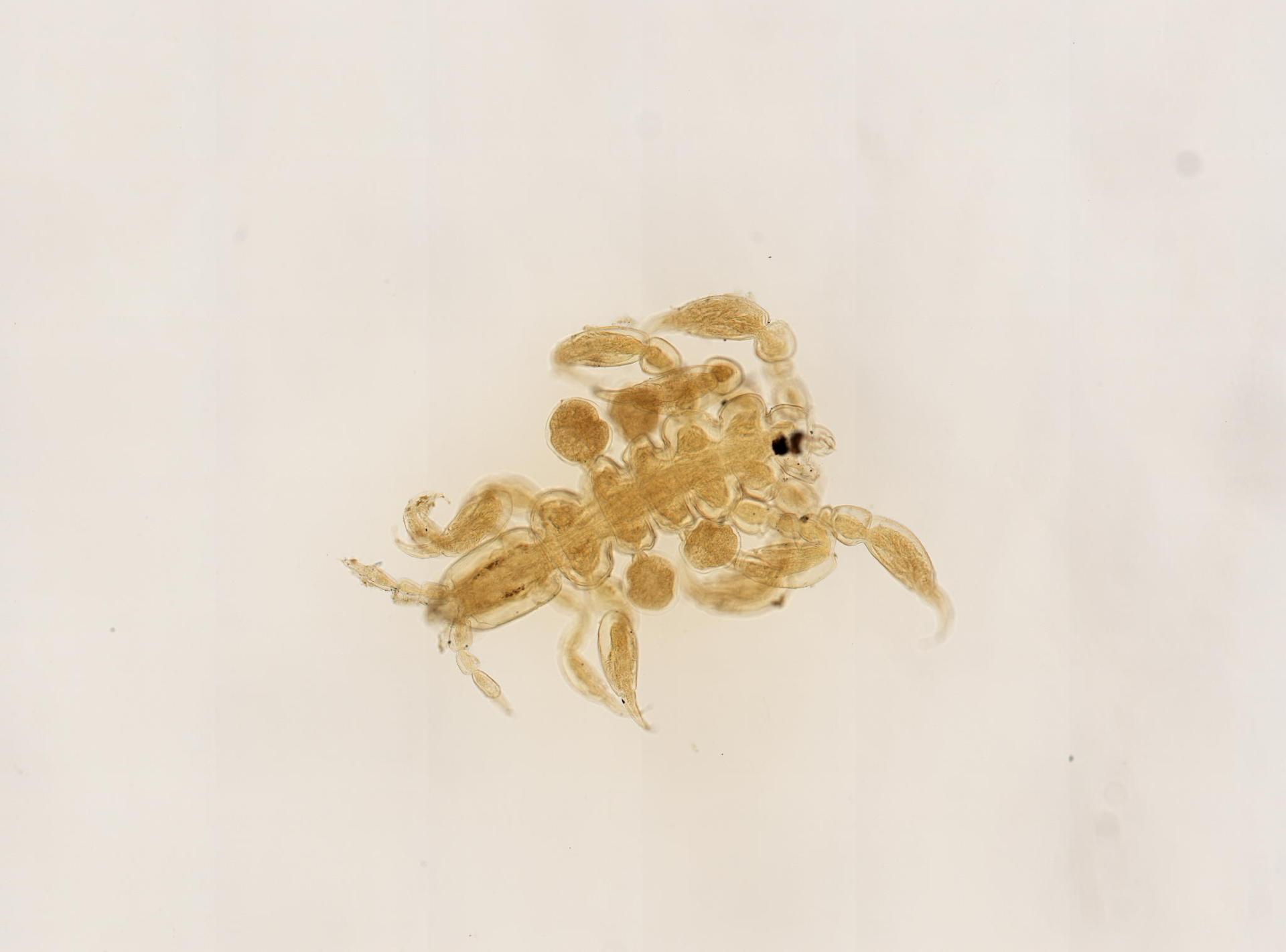
Cyamus boopis
species of Malacostraca
Cancricepon elegans
species of crustacean

Hemioniscus balani
species of crustacean
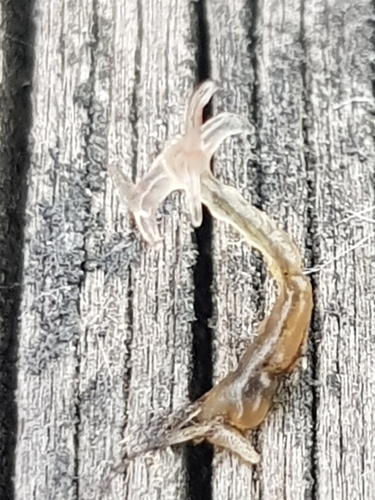
Lernaea
Lernaea is a genus of copepod crustaceans whose members are commonly called anchor worms and are parasitic on freshwater fishes.
Acanthochondria cornuta
species of crustacean

Bopyrus squillarum
species of crustacean
Acrobelione
Acrobelione is a genus of Isopoda parasites, in the family Bopyridae, containing the following species:

Argulus coregoni
species of crustacean
Ceratothoa oestroides
species of crustacean
Loxothylacus panopaei
species of crustacean
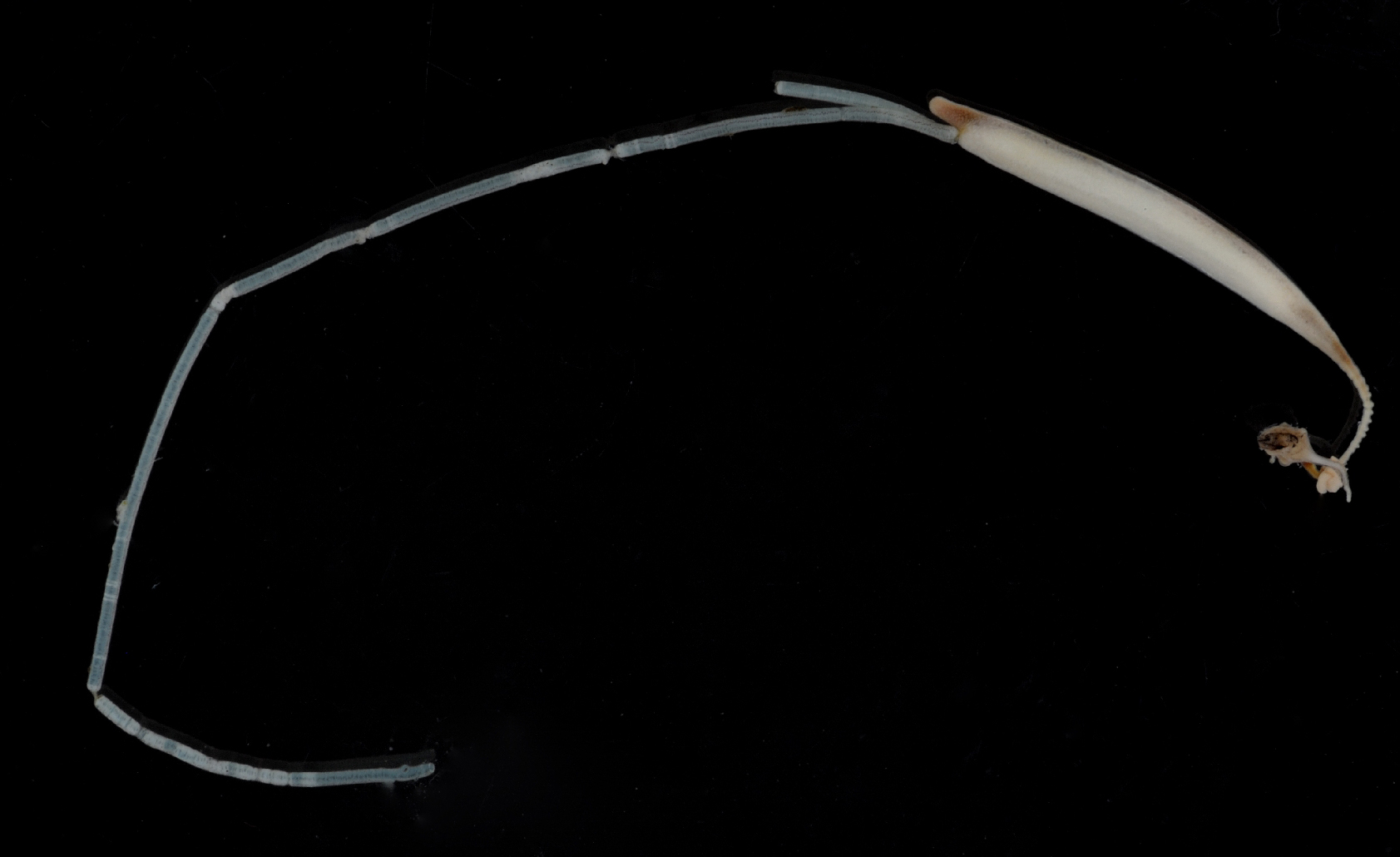
Lernaeenicus sprattae
species of arthropods

Ceratothoa steindachneri
species of crustacean

Acanthochondria
Acanthochondria is a genus of copepods, containing the following species:

Orthione griffenis
species of isopod
Echinoecus pentagonus
species of crustacean

Leidya bimini
species of crustacean
Ergasilus
Ergasilus is a genus of copepod crustaceans occurring in both the ocean and fresh water, often called gill lice. The females are parasitic upon the gills of fishes. Being copepods, gill lice have a single median eye on their head. The second antennae are modified into prehensile pincers. Male gill lice are free-living.
Linguatulidae
Linguatulidae is a family of crustaceans belonging to the order Porocephalida.

Acanthochondria limandae
species of crustacean
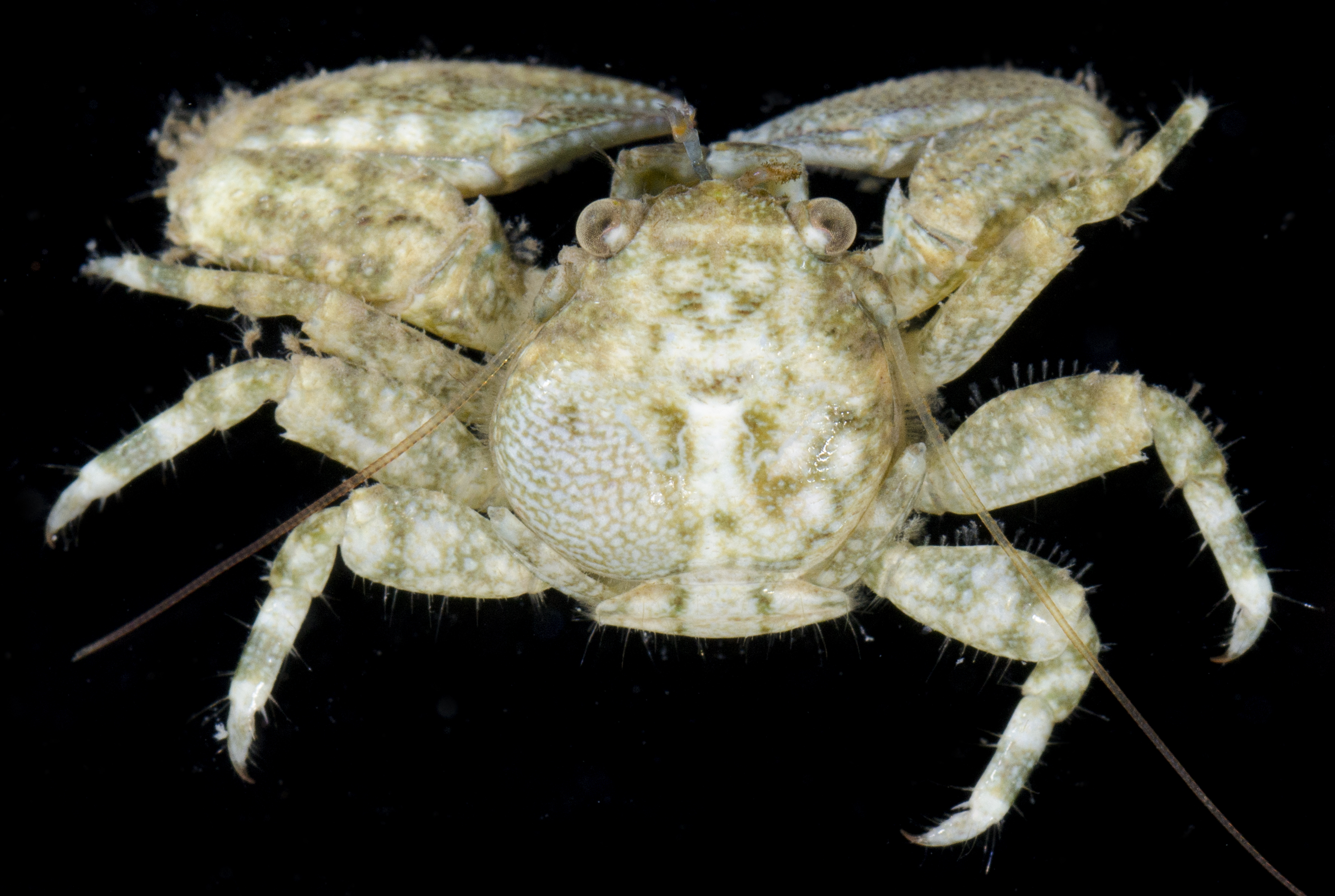
Aporobopyrus
Aporobopyrus is a genus of isopod parasites, in the family Bopyridae, that contains the following 20 species:

Allodiplophryxus floridanus
species of crustacean
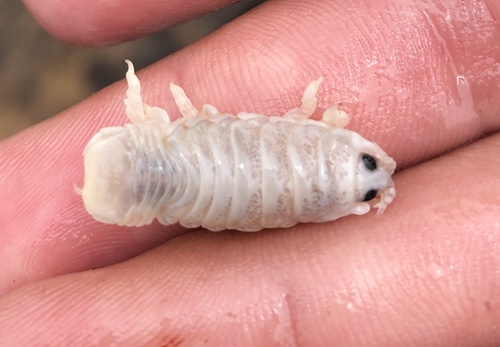
Ceratothoa
'''Ceratothoa 'is a genus of isopod ectoparasites of teleost fish, first described by James Dwight Dana in 1852. Infection by Ceratothoa'' can cause anaemia, lesions, growth retardation, emaciation, and mortality in their fish hosts.

Lepeophtheirus
Lepeophtheirus is a genus of sea louse. The best-known species is L. salmonis, the salmon louse. Other species include L. pectoralis, which uses flatfish as its host, particularly the European flounder, and is also the type species of the genus Lepeophtheirus.
Clistosaccidae
Clistosaccidae is a family of parasitic barnacles belonging to the highly apomorphic infraclass Rhizocephala, which is part of the barnacle subclass Cirripedia.
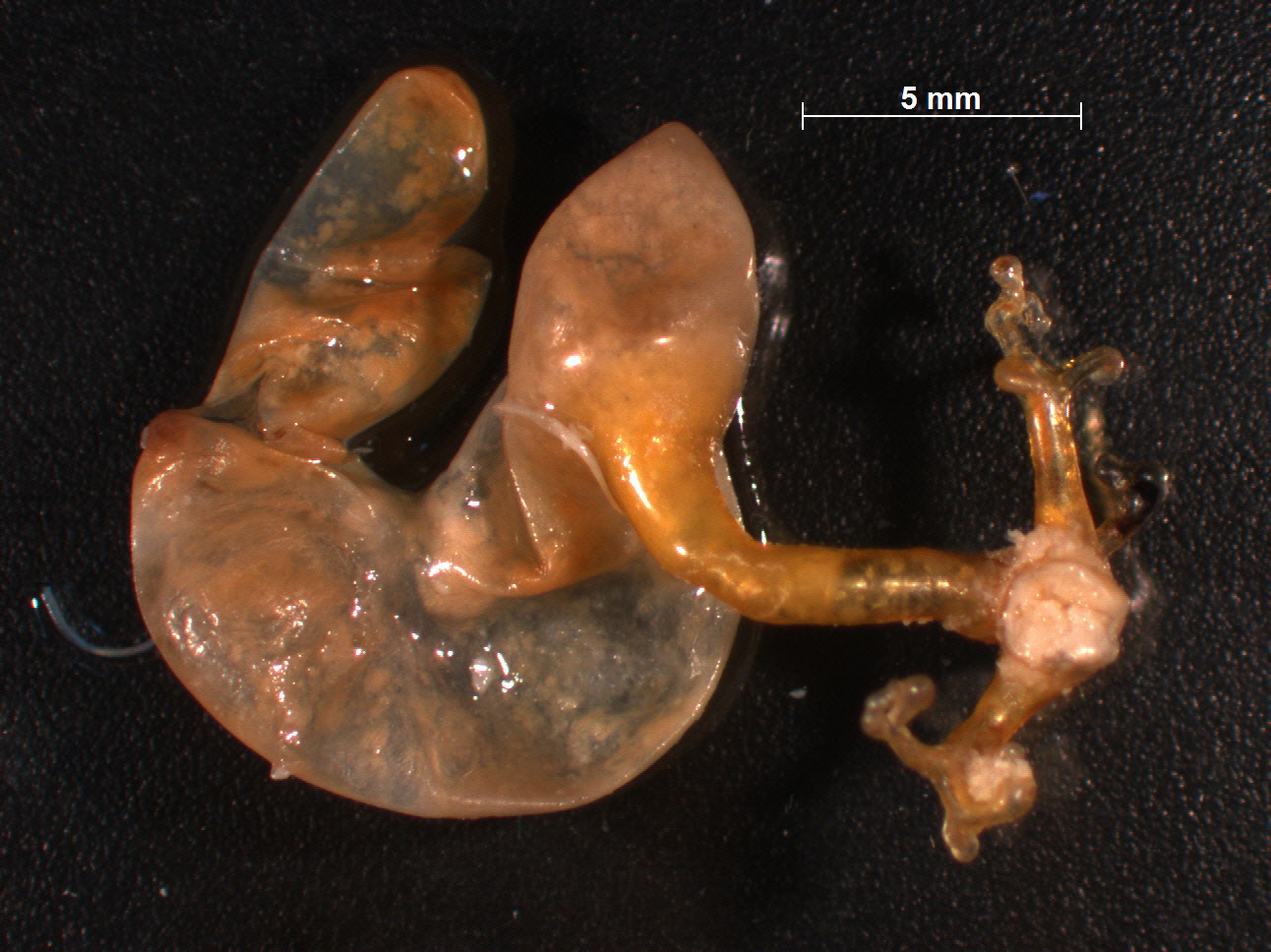
Lernaeocera branchialis
species of arthropods
Monstrillidae
Monstrilloida is an order of copepods with a cosmopolitan distribution in the world's oceans. The order contains a single family, Monstrillidae. The name of the first ever described genus Monstrilla is derived from Latin, meaning "tiny monster", because the lack of usual diagnostic features of copepods puzzled early taxonomists.
Albunione yoda
shrimp species described by Clements Robert Markham and Christopher B. Boyko 2003
Leidya infelix
species of crustacean
Heterosaccus
Heterosaccus is a genus of barnacles in infraclass Rhizocephala. Like other taxa in this group, they parasitize crabs. Geoffroy Smith circumscribed the genus in 1906; he initially only included H. hians. Smith circumscribed a genus distinct from Sacculina due to a difference of the mesentery; in Heterosaccus, the mesentery does not stretch down to the mantle opening but rather only is present on the ring of attachment.
Albunione australiana
shrimp species described by Clements Robert Markham and Christopher B. Boyko 1999

Lepeophtheirus pectoralis
species of crustacean
Leidya ucae
species of crustacean

Porocephalus crotali
species of crustacean
Leidya
Leidya is a genus of isopod parasites, that inhabit the waters off China, Mexico, and the Gulf of Mexico. They are in the family Bopyridae, the genus contains the following species:
Subtriquetridae
REDIRECT Subtriquetra

Chondracanthus merluccii
species of crustacean

Gnathia pilosus
species of crustacean
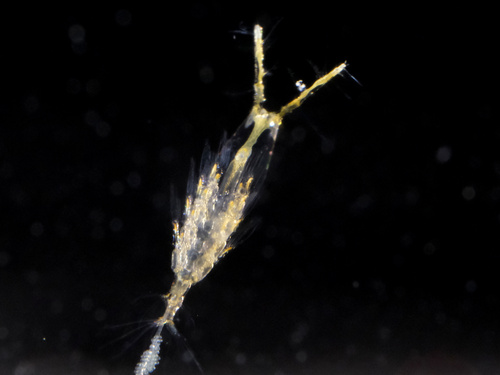
Monstrilla
Monstrilla is a genus of copepods in the family Monstrillidae.