Category
page 1Parasitic excavates
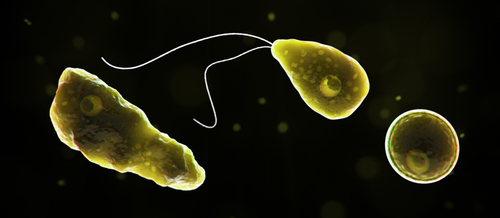
Naegleria fowleri
species of free-living excavate form of protist

Giardia lamblia
parasitic microorganism that causes giardiasis

Leishmania
Leishmania () is a genus of parasitic protozoans, single-celled eukaryotic organisms of the trypanosomatid group that are responsible for the disease leishmaniasis. The parasites are transmitted by sandflies of the genus Phlebotomus in the Old World, and of the genus Lutzomyia in the New World. There are 53 species and about 20 of them are responsible for human infections. They are transmitted by around 100 species of sandflies. The primary hosts are vertebrates. They commonly infect hyraxes, canids, rodents, and humans.

Trypanosoma cruzi
species of Kinetoplastea

Trypanosoma brucei
species of Kinetoplastea
primary amebic meningoencephalitis
extremely rare type of amoebiasis that infects the brain

Leishmania donovani
species of Kinetoplastea
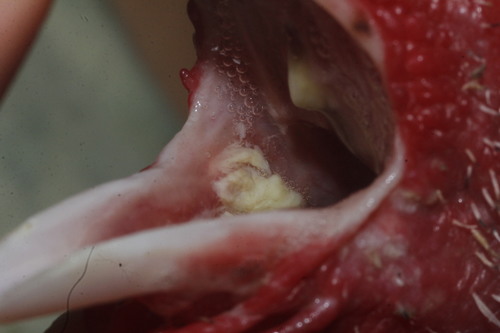
Trichomonas gallinae
parasite of pigeons and doves

Leishmania tropica
species of Kinetoplastea

Trypanosoma evansi
species of Kinetoplastea
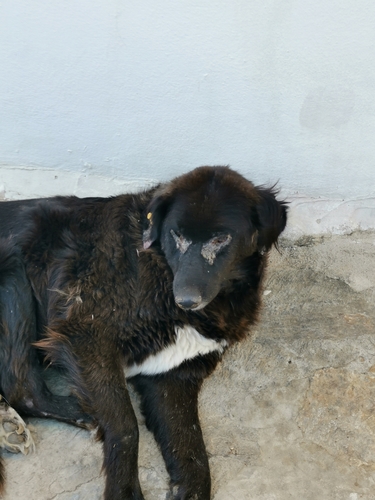
Leishmania infantum
species of Kinetoplastea
Trypanosomatida
Trypanosomatida is a group of kinetoplastid unicellular organisms distinguished by having only a single flagellum. The name is derived from the Greek trypano (borer) and soma (body) because of the corkscrew-like motion of some trypanosomatid species. All members are exclusively parasitic, found primarily in insects. A few genera have life-cycles involving a secondary host, which may be a vertebrate, invertebrate or plant. These include several species that cause major diseases in humans. Some trypanosomatida are intracellular parasites, with the important exception of Trypanosoma brucei.
Crithidia
Crithidia is a genus of trypanosomatid Euglenozoa. They are parasites that exclusively parasitise arthropods, mainly insects. They pass from host to host as cysts in infective faeces and typically, the parasites develop in the digestive tracts of insects and interact with the intestinal epithelium using their flagellum. They display very low host-specificity and a single parasite can infect a large range of invertebrate hosts. At different points in its life-cycle, it passes through amastigote, promastigote, and epimastigote phases; the last is particularly characteristic, and similar stages i

Leishmania braziliensis
species of Kinetoplastea
Leishmania major
species of Kinetoplastea
Leptomonas
Leptomonas is a genus of parasitic flagellate protist belonging to family Trypanosomatidae and subfamily Leishmaniinae sensu Maslov & Lukeš 2012. It is a monoxenous parasite of mainly Hemiptera, Diptera, and Siphonaptera insects.
Crithidia fasciculata
species of Kinetoplastea
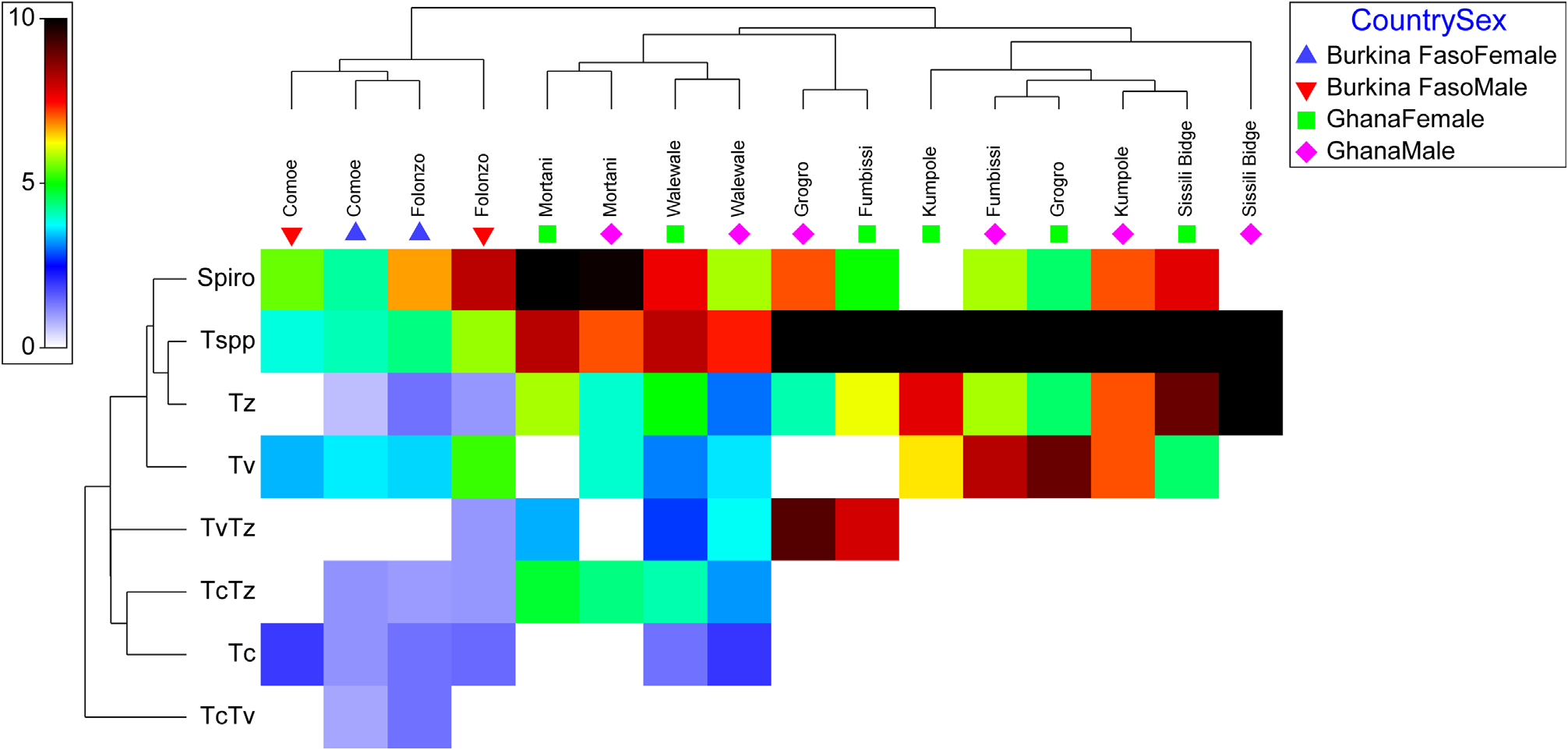
Trypanosoma equiperdum
species of Kinetoplastea
Trypanosoma vivax
species of Kinetoplastea
Trypanosoma lewisi
species of Kinetoplastea
Crithidia luciliae
species of Kinetoplastea
Tritrichomonas foetus
species of flagellate parasitic eukaryote
Leishmania aethiopica
species of Kinetoplastea
Leishmania mexicana
species of Kinetoplastea