Category
page 1Parasitic Hemiptera
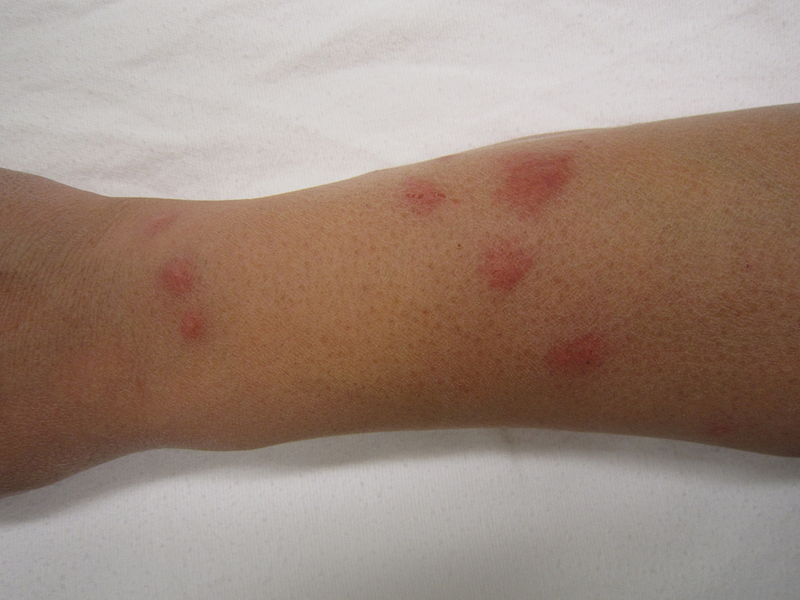
bed bug
parasitic insects
%20(5975917188).jpg)
Cimicidae
The Cimicidae are a family of small parasitic bugs that feed exclusively on the blood of warm-blooded animals. They are called cimicids or, loosely, bed bugs, though the latter term properly refers to the most well-known member of the family, Cimex lectularius, the common bed bug, and its tropical relation Cimex hemipterus. The family contains over 100 species. Cimicids appeared in the fossil record in the Cretaceous period. When bats evolved in the Eocene, Cimicids switched hosts and now feed mainly on bats or birds. Members of the group have colonised humans on three occasions.
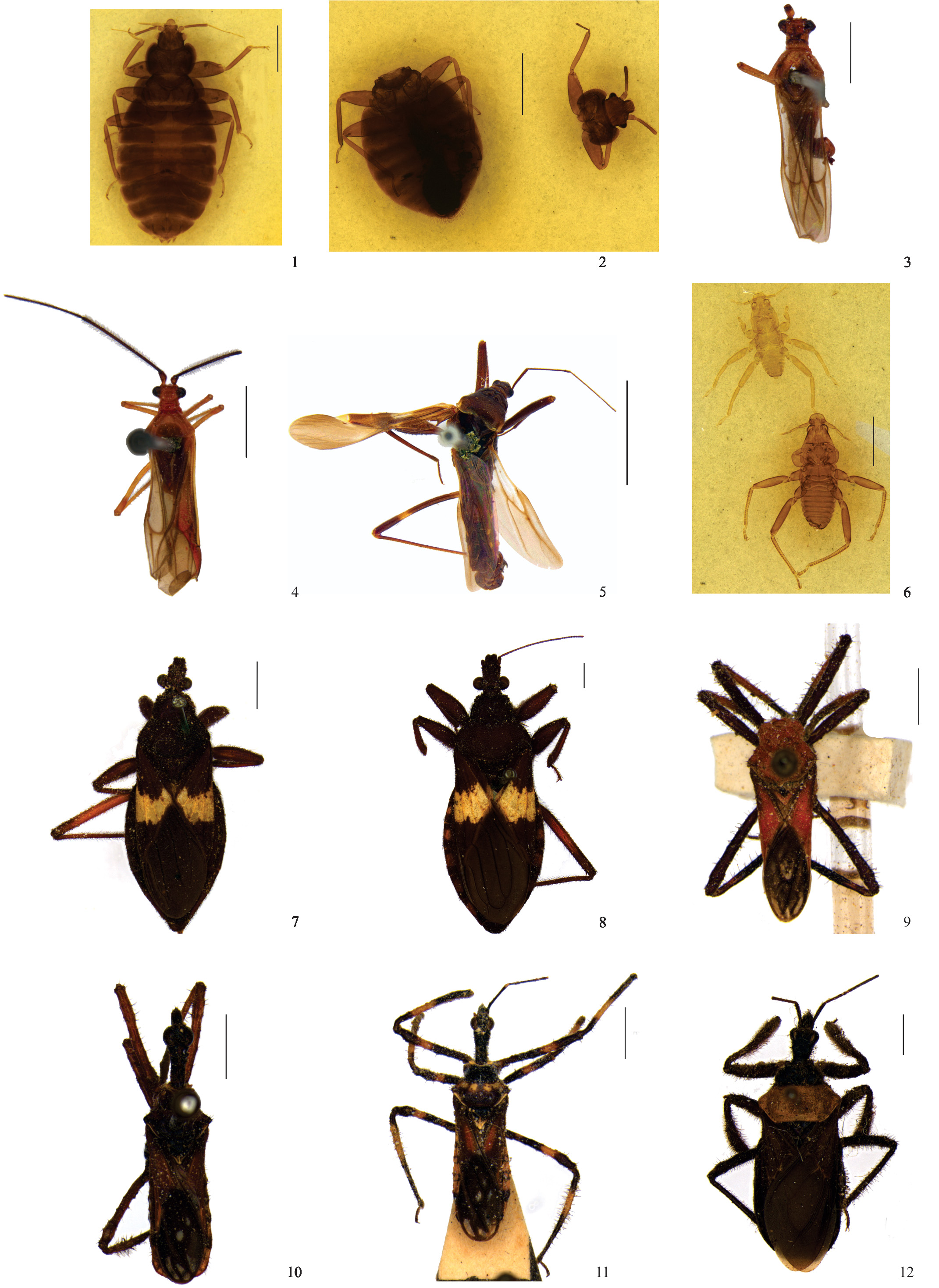
Polyctenidae
The Polyctenidae are a rarely collected family of parasitic bugs of the superfamily Cimicoidea. Polyctenidae species or bat bugs are obligate, hematophagous ectoparasites of bats. These insects are not to be confused with cimicid bat bugs, which are members of the family Cimicidae. A significant relationship appears to occur between the family groups and the species of hosts that indicates co-evolution and specialization. Polyctenidae and Cimicidae are considered to be sister taxa.
Hemlock woolly adelgid
species of insect
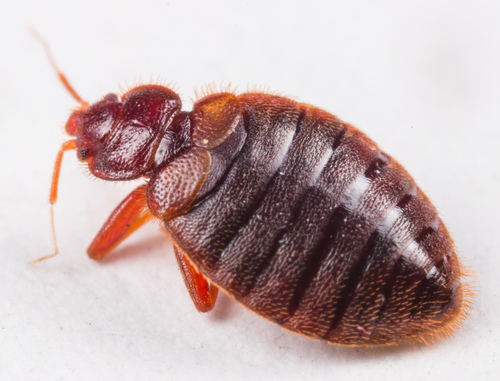
Cimex hemipterus
species of insect