Category
page 1Passover seder
Passover Seder
ritual feast that marks the beginning of Passover

charoset
thumb|250px|Ashkenazi-style haroset made from apples, walnuts, red wine and cinnamon

Maror
thumb|Grated horseradish mixed with cooked beets (known as chrein), [[romaine lettuce, and horseradish root, which should be freshly grated]]
thumb|Passover Seder plate, maror on the lowest plate
Maror ( mārōr) are the bitter herbs eaten at the Passover Seder in keeping with the biblical commandment "with bitter herbs they shall eat it." (Exodus 12:8). The Maror is one of the symbolic foods placed on the Passover Seder plate.
Passover Seder Plate
plate of symbolic food for Passover
Karpas
thumb|Karpas (here parsley), on a Seder table, along with Matzah|matzo (unleavened bread), [[maror (bitter herbs, here horseradish) and charoset]]
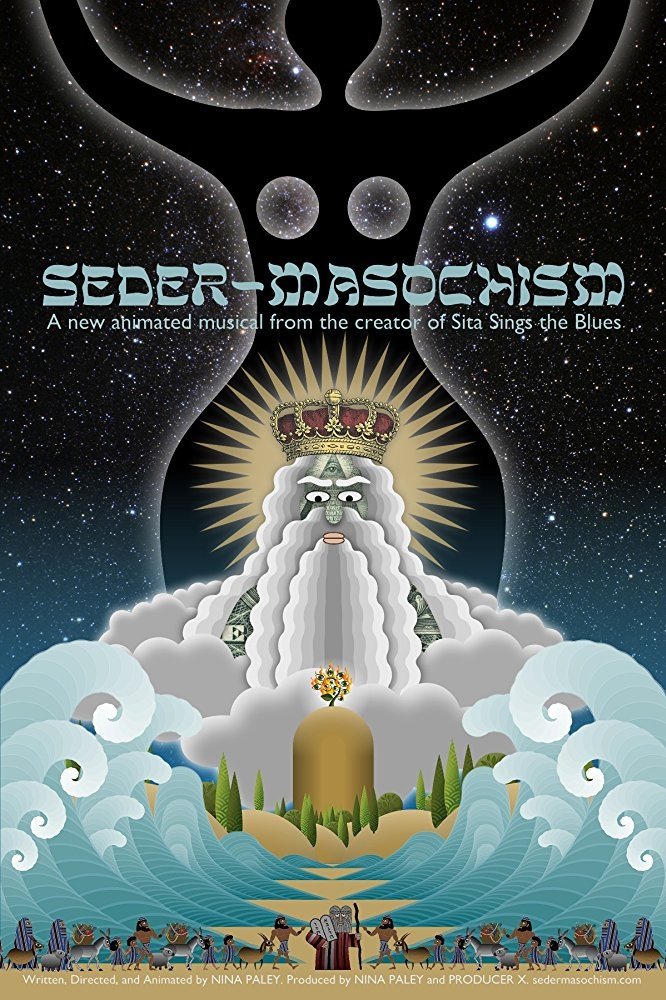
Seder-Masochism
Seder-Masochism is a 2018 American animated musical biblical comedy-drama film written, directed, produced and animated by American artist Nina Paley. The film reinterprets the Book of Exodus, especially stories associated with the Passover Seder, such as the death of the Egyptian first-born, and Moses leading the Israelites out of slavery in Egypt. The film depicts these events against a backdrop of widespread worship of the Great Mother Goddess, showing the rise of patriarchy.
2025 Pennsylvania Governor's Residence arson
2025 fire in Harrisburg, Pennsylvania, USA
Zeroa
Zeroa () is a lamb shank bone or roast chicken wing or neck used on Passover and placed on the Seder plate. It symbolizes the korban Pesach (Pesach sacrifice), a lamb that was offered in the Temple in Jerusalem, then roasted (70 CE) during the destruction of the Temple, the ''z'roa serves as a visual reminder of the Pesach sacrifice. In Ashkenazi and many Sephardi families, it is not eaten or handled during the Seder, as it represents a sacrifice made at the Temple, but is not actually, making it taboo to eat. Vegetarians often substitute a beet, quoting Pesachim 114b'' as justification.