Category
page 3Pathogenic bacteria
Shigella sonnei
species of bacterium
Stenotrophomonas maltophilia
species of bacterium
Clostridium septicum
species of bacterium
Morganella morganii
species of bacterium
Prevotella
Prevotella is a genus of anaerobic Gram-negative bacteria. The type species is Prevotella melaninogenica.
Fusobacterium necrophorum
species of bacterium
Cronobacter sakazakii
species of Gammaproteobacteria
Klebsiella oxytoca
species of bacterium
Rickettsia typhi
species of bacterium
Eikenella corrodens
species of bacterium
HACEK
group of bacteria
Bartonella bacilliformis
species of bacterium

Actinobacillus
Actinobacillus is a genus of Gram-negative, nonmotile and non-spore-forming, oval to rod-shaped bacteria occurring as parasites or pathogens in mammals, birds, and reptiles. It is a member of the family Pasteurellaceae. The bacteria are facultatively anaerobic or aerobic, capable of fermenting carbohydrates (without production of gas), and of reducing nitrates. The genomic DNA contains between 40 and 47 mol % guanine plus cytosine.
Klebsiella aerogenes
species of bacterium
Fusobacterium nucleatum
species of bacterium

Chlamydia psittaci
species of bacterium
Chryseobacterium
Chryseobacterium is a genus of Gram-negative bacteria. Chryseobacterium species are chemoorganotrophic, rod shape gram-negative bacteria. Chryseobacterium form typical yellow-orange color colonies due to flexirubin-type pigment. The genus contains more than 100 described species from diverse habitats, including freshwater sources, soil, marine fish, and human hosts.
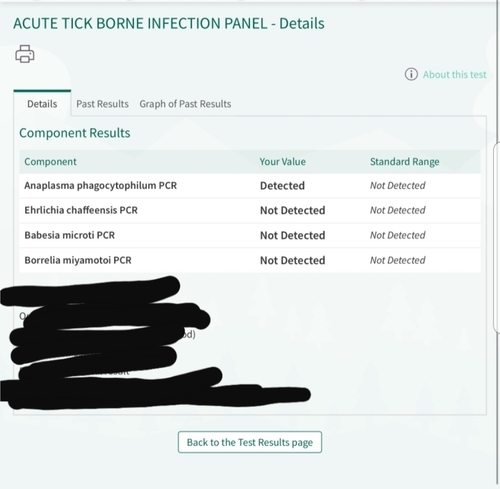
Anaplasma phagocytophilum
species of bacterium
Burkholderia cepacia complex
group of phenotypically similar but genotypically distinct species (genomovars) in the genus Burkholderia
Mycobacterium avium complex
nontuberculous bacteria in dust, water, soil; may infect lungs in immunocompromised people
Staphylococcus lugdunensis
species of bacterium
Chlamydia pneumoniae
species of bacterium
Clostridioides
Clostridioides is a genus of Gram-positive bacteria, which includes Clostridioides difficile, a human pathogen causing an infectious diarrhea.
Gordonia
genus of bacteria
Mycoplasma agalactiae
species of bacterium
Aerococcus
Aerococcus, from Ancient Greek ἀήρ (aḗr), meaning "air", and κόκκος (kókkos), meaning "grain", is a genus of bacterium in the phylum Bacillota (Bacteria). The genus was first identified in 1953 from samples of air and dust as a catalase-negative, gram-positive coccus that grew in small clusters. They were subsequently found in hospital environments and meat-curing brines. It has been difficult to identify as it resembles alpha-hemolytic Streptococcus on blood agar plates and is difficult to identify by biochemical means. Sequencing of 16S rRNA has become the gold standard for identification, b
Mycobacterium abscessus
species of bacterium
Corynebacterium urealyticum
species of bacterium
Clostridium sordellii
species of bacterium
Mycoplasma hyopneumoniae
species of bacterium
pathogenic Escherichia coli
strains of E. coli that can cause disease
Streptobacillus moniliformis
species of bacterium
Mycoplasma amphoriforme
bacteria found in human respiratory infections, type strain is strain A39 = ATCC BAA-992 = NCTC 11740 .
Plesiomonas shigelloides
species of bacterium
Helicobacter heilmannii
species of bacterium
Streptococcus anginosus
species of bacterium
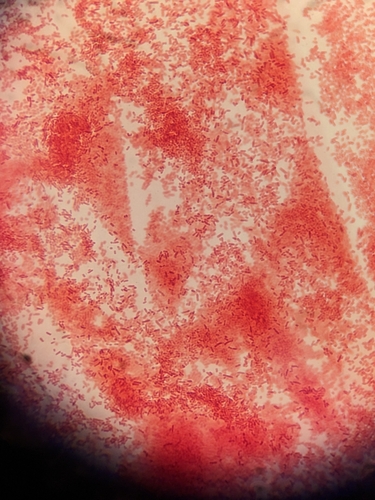
Citrobacter freundii
species of bacterium
Kluyvera
Kluyvera is a Gram negative, facultatively anaerobic bacterial and motile genus from the family of Enterobacteriaceae which have peritrichous flagella. Kluyvera occur in water, soil and sewage. Kluyvera bacteria can cause opportunistic infections in immunocompromised patients.
Porphyromonas
Porphyromonas is a Gram-negative, non-spore-forming, obligately anaerobic and non-motile genus from the family Porphyromonadaceae. There were 16 different Porphyromonas species documented as of 2015, which reside in both animal and human reservoirs. It was discovered more recently that Porphyromonas also exist in the environment, albeit to a lesser extent. This genus is notably implicated in the modulation of oral cavity, respiratory tract, and gastrointestinal tract disease states. It is suggested that Porphyromonas either operate as benign bacteria pertinent to host immunity or are potential
Arcobacter
Arcobacter is a genus of Gram-negative, spiral-shaped bacteria in the phylum Campylobacterota. It shows an unusually wide range of habitats, and some species can be human and animal pathogens. Species of the genus Arcobacter are found in both animal and environmental sources, making them unique among the Campylobacterota.
Bacteroides thetaiotaomicron
species of bacterium
Mycoplasma fermentans
species of bacterium
Finegoldia
Finegoldia is a genus of Gram-positive bacteria. They are anaerobic cocci of the class Clostridia, with Finegoldia magna being the type species. F. magna was formerly known, along with several other Gram-positive anaerobic cocci (GPACs), as Peptostreptococcus magnus, but was moved into its own genus in 1999. The name is in honor of Sydney M. Finegold, an American microbiologist, while magna is Latin for large. It is an opportunistic human pathogen that normally colonizes skin and mucous membranes. It is often seen in biofilms on chronic ulcers such as in diabetic foot or decubitus ulcers. Most
Peptoniphilus
Peptoniphilus is a genus of bacteria in the phylum Bacillota (Bacteria).
Mobiluncus
Mobiluncus is a genus of Gram-positive, anaerobic, rod-shaped bacteria. These bacteria may be stained either Gram-negative or Gram-variable. However, they are classified as Gram-positive rods due to the fact that they possess a Gram-positive cell wall, lack endotoxin and are sensitive to vancomycin, erythromycin and ampicillin, but resistant to colistin.
Haemophilus parainfluenzae
species of bacterium
Oligella
genus of bacteria
Hathewaya histolytica
species of bacterium
Anaerococcus
Anaerococcus is a genus of bacteria. Its type species is Anaerococcus prevotii. These bacteria are Gram-positive and strictly anaerobic. The genus Anaerococcus was proposed in 2001. Its genome was sequenced in August 2009. The genus Anaerococcus is one of six genera classified within the group GPAC (Gram-Positive Anaerobic Cocci). These six genera (Peptostreptococcus, Peptoniphilus, Parvimonas, Finegoldia, Murdochiella, and Anaerococcus) are found in the human body as part of the commensal human microbiota.
Neisseria mucosa
species of bacterium
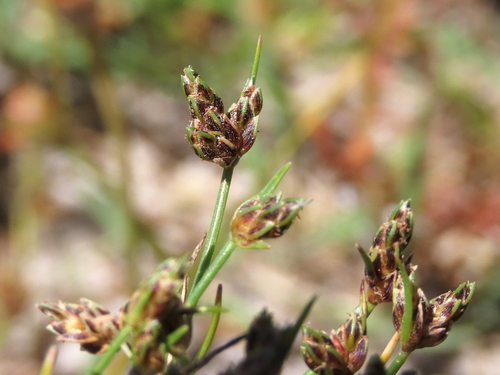
Rothia
genus of bacteria
Veillonella parvula
species of bacterium
Mycoplasma adleri
species of gram-negative, anaerobic, bacteria isolated from the abscess of a goat
Clostridium novyi
species of bacterium
Neoehrlichia mikurensis
human pathogen
Pantoea agglomerans
species of bacterium
Clostridium baratii
species of bacterium
Sneathia
Sneathia is a Gram-negative, rod-shaped, non-spore-forming and non-motile genus of bacteria from the family of Leptotrichiaceae. Species have been identified as pathogens associated with bacterial vaginosis.
Corynebacterium ulcerans
species of bacterium
Mycoplasma haemocanis
species of bacterium