Category
page 2Pathogenic bacteria
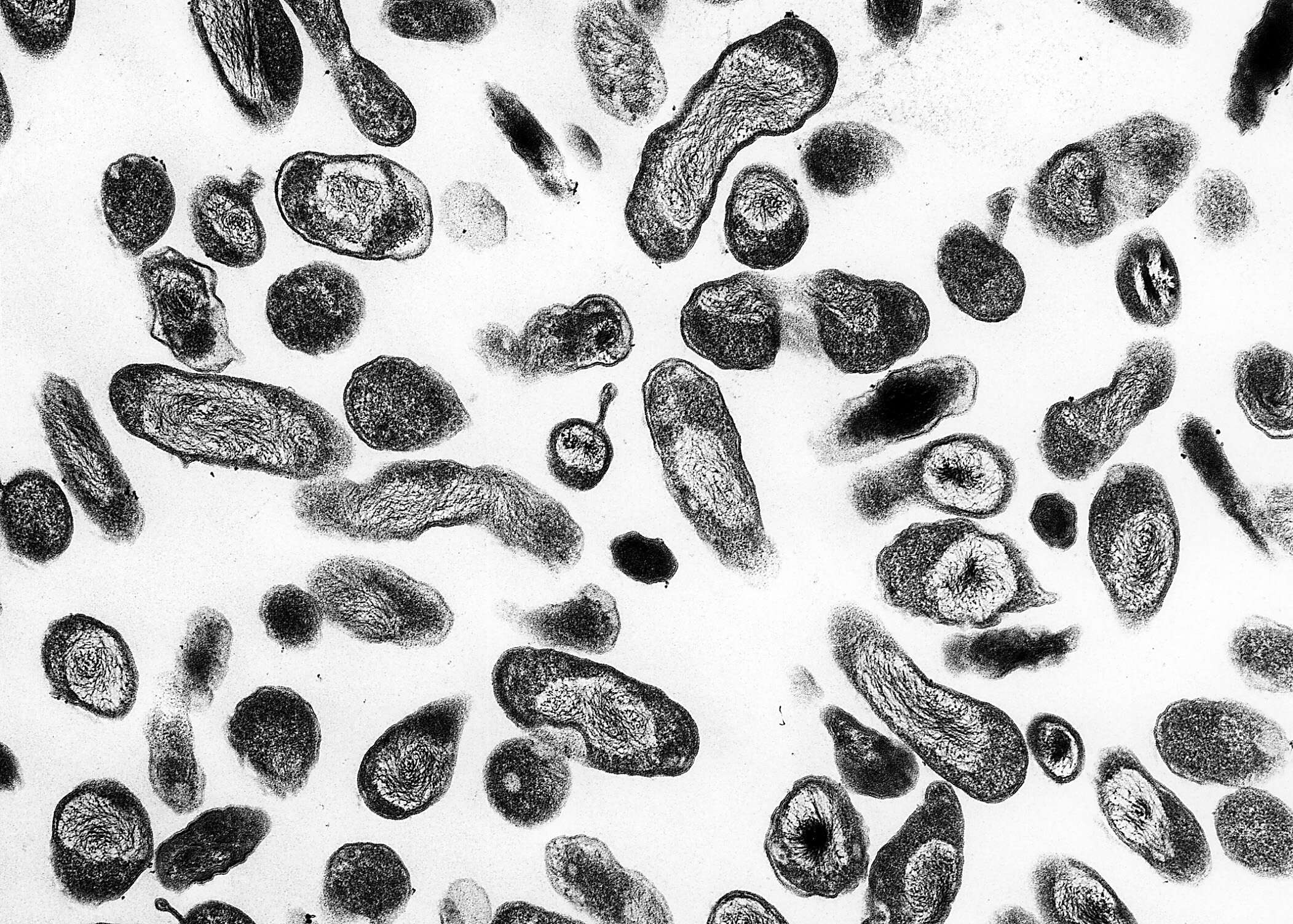
Coxiella burnetii
species of bacterium
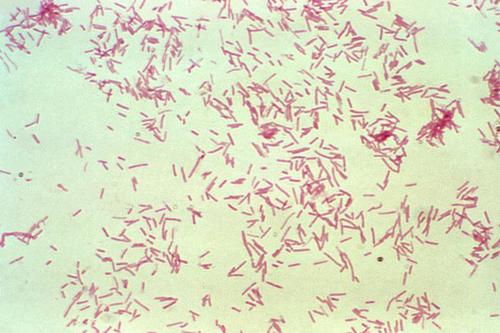
Bacteroides
Bacteroides is a genus of Gram-negative, obligate anaerobic bacteria. Bacteroides species are non endospore–forming bacilli, and may be either motile or nonmotile, depending on the species. The DNA base composition is 40–48% GC. Unusual in bacterial organisms, Bacteroides membranes contain sphingolipids. They also contain meso-diaminopimelic acid in their peptidoglycan layer.
Micrococcus
Micrococcus, from Ancient Greek μικρός (mikrós), meaning "small", and κόκκος (kókkos), meaning "sphere", is a genus of bacteria in the Micrococcaceae family. Micrococcus occurs in a wide range of environments, including water, dust, and soil. Micrococci have Gram-positive spherical cells ranging from about 0.5 to 3 micrometers in diameter and typically appear in tetrads. They are catalase positive, oxidase positive, indole negative and citrate negative. Micrococcus has a substantial cell wall, which may comprise as much as 50% of the cell mass. The genome of Micrococcus is rich in guanine and
Yersinia enterocolitica
species of bacterium

Serratia marcescens
species of bacterium

Bartonella
Bartonella is a genus of Gram-negative bacteria. It is the only genus in the family Bartonellaceae. Bartonella species cause Bartonellosis, which is a group of zoonotic infectious diseases that affects both humans and animals. Common forms include cat-scratch disease (Bartonella henselae) and trench fever (Bartonella quintana). As Facultative intracellular parasites, Bartonella species can infect healthy people, but are considered especially important as opportunistic pathogens. Bartonella species are transmitted by vectors such as fleas, sand flies, and mosquitoes.
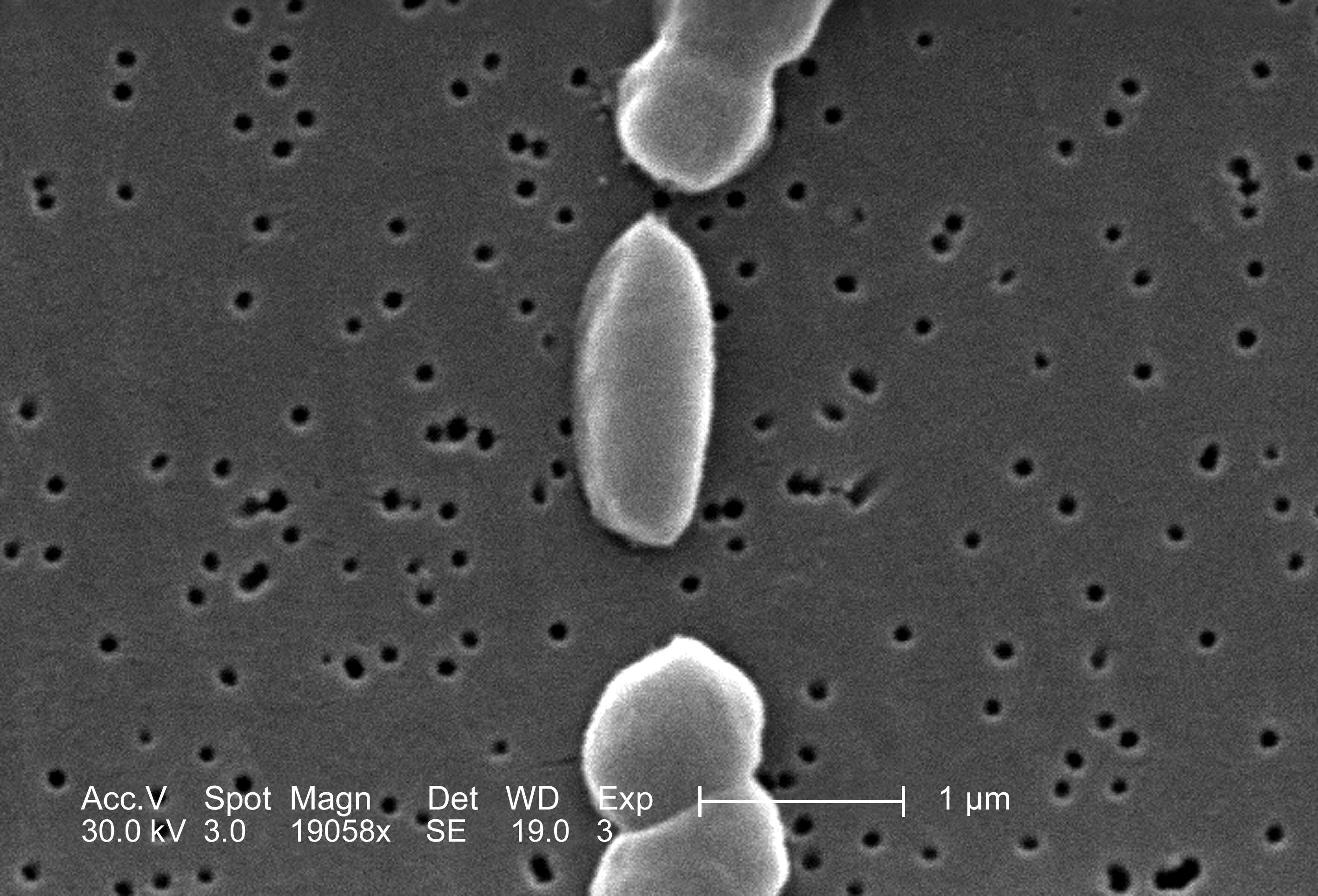
Vibrio parahaemolyticus
species of bacterium
Actinomyces
Actinomyces is a genus of the Actinomycetia class of bacteria. They all are Gram-positive and facultatively anaerobic, growing best under anaerobic conditions. While individual bacteria are rod-shaped, Actinomyces colonies form fungus-like branched networks of hyphae. The aspect of these colonies initially led to the incorrect assumption that the organism was a fungus and to the name Actinomyces, "ray fungus" (from Greek , ray or beam, and , fungus).
Haemophilus ducreyi
species of bacterium
Serratia
Serratia is a genus of Gram-negative, facultatively anaerobic, rod-shaped bacteria of the family Yersiniaceae. They are typically 1–5 μm in length, do not produce spores, and can be found in water, soil, plants, and animals. Some members of this genus produce a characteristic red pigment, prodigiosin, and can be distinguished from other members of the order Enterobacterales by their unique production of three enzymes: DNase (nucA), lipase, and gelatinase (serralysin). Serratia was thought to be a harmless environmental bacteria until it was discovered that the most common species in the g
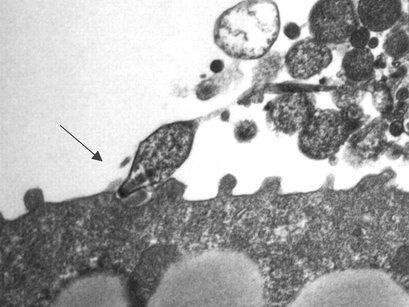
Mycoplasma pneumoniae
species of bacterium
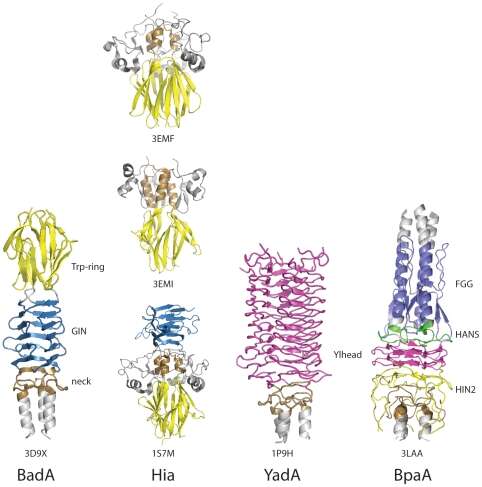
Burkholderia pseudomallei
species of bacterium
Aeromonas
Aeromonas is a genus of Gram-negative, facultative anaerobic, rod-shaped, bacteria that morphologically resemble members of the family Enterobacteriaceae. Most of the 14 described species have been associated with human diseases. The most important pathogens are A. hydrophila, A. caviae, and A. veronii biovar sobria. The organisms are ubiquitous in fresh and brackish water.
Haemophilus
Haemophilus is a genus of Gram-negative, pleomorphic, coccobacilli bacteria belonging to the family Pasteurellaceae. While Haemophilus bacteria are typically small coccobacilli, they are categorized as pleomorphic bacteria because of the wide range of shapes they occasionally assume. These organisms inhabit the mucous membranes of the upper respiratory tract, mouth, vagina, and intestinal tract. The genus includes commensal organisms along with some significant pathogenic species such as H. influenzae—a cause of sepsis and bacterial meningitis in young children—and H. ducreyi, the

Bartonella henselae
species of bacterium
Moraxella
Moraxella is a genus of gram-negative bacteria in the family Moraxellaceae. It is named after the Swiss ophthalmologist Victor Morax. The organisms are short rods, coccobacilli, or as in the case of Moraxella catarrhalis, diplococci in morphology, with asaccharolytic, oxidase-positive, and catalase-positive properties. M. catarrhalis is the clinically most important species under this genus.
Moraxella catarrhalis
species of bacterium
Enterococcus faecium
species of bacterium

Mycobacterium ulcerans
species of bacterium
Burkholderia
Burkholderia is a genus of Pseudomonadota whose pathogenic members include the Burkholderia cepacia complex, which attacks humans and plants; Burkholderia mallei, responsible for glanders, a disease that occurs mostly in horses and related animals; Burkholderia pseudomallei, causative agent of melioidosis; and Burkholderia cenocepacia, an important pathogen of pulmonary infections in people with cystic fibrosis (CF). Burkholderia species is also found in marine environments. S.I. Paul et al. isolated and characterized Burkholderia cepacia from marine sponges of the Saint Martin's Island of the
Leptospira interrogans
species of bacterium
Burkholderia mallei
species of bacterium

Proteus mirabilis
species of bacterium
Alcaligenes
Alcaligenes is a genus of Gram-negative, aerobic, rod-shaped bacteria in the order of Burkholderiales, family Alcaligenaceae.
pathogenic bacteria
disease-causing bacteria
Erysipelothrix rhusiopathiae
species of bacterium
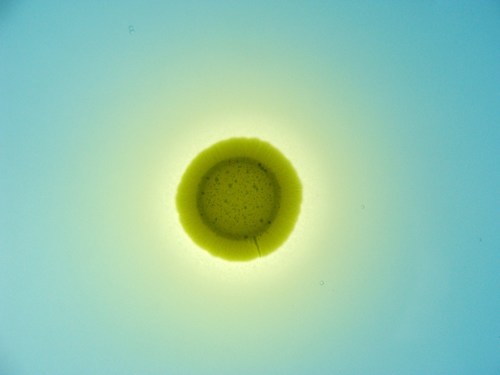
Chromobacterium violaceum
species of bacterium
Pasteurella
__NOTOC__
Pasteurella is a genus of Gram-negative, facultatively anaerobic bacteria. Pasteurella species are nonmotile and pleomorphic, and often exhibit bipolar staining ("safety pin" appearance). Most species are catalase- and oxidase-positive.
The genus is named after the French chemist and microbiologist, Louis Pasteur, who first identified the bacterium now known as Pasteurella multocida as the agent of chicken cholera.
Yersinia pseudotuberculosis
species of bacterium

Mycoplasma hominis
species of bacterium
Lactobacillus rhamnosus
species of bacterium
Porphyromonas gingivalis
species of bacterium
Actinomyces israelii
species of bacterium

Bacteroides fragilis
species of bacterium
Mycobacterium marinum
species of bacterium
Brucella melitensis
species of bacterium
Enterobacter cloacae
a species of clinically significant Gram-negative, facultatively-anaerobic, rod-shaped bacterium

Mycobacterium africanum
species of bacterium
Rickettsia prowazekii
species of bacterium
Ehrlichia
Ehrlichia is a genus of Rickettsiales bacteria that are transmitted to vertebrates by ticks. These bacteria cause the disease ehrlichiosis, which is considered zoonotic, because the main reservoirs for the disease are animals.

Micrococcus luteus
species of bacterium
Shigella flexneri
species of bacterium
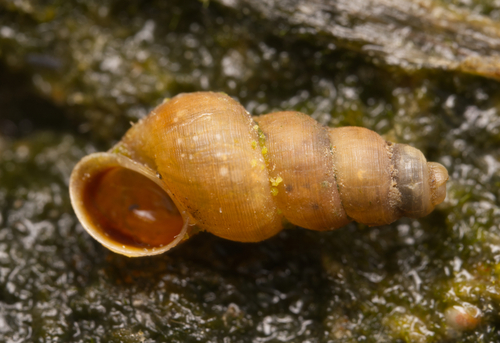
Coxiella
genus of bacteria
Capnocytophaga canimorsus
Bacteria

Borrelia recurrentis
species of bacterium
Peptostreptococcus
Peptostreptococcus is a genus of anaerobic, Gram-positive, non-spore forming bacteria. The cells are small, spherical, and can occur in short chains, in pairs or individually. They typically move using cilia. Peptostreptococcus are slow-growing bacteria with increasing resistance to antimicrobial drugs. Peptostreptococcus is a normal inhabitant of the healthy lower reproductive tract of women.
Ureaplasma
Ureaplasma is a genus of bacteria belonging to the family Mycoplasmataceae. As the name implies, Ureaplasma is urease positive.

Salmonella enterica subsp. enterica
subspecies of bacterium
Brucella abortus
species of bacterium

Bartonella quintana
species of bacterium
Bordetella parapertussis
species of bacterium
Cronobacter
Cronobacter is a genus of Gram-negative, facultatively anaerobic, oxidase-negative, catalase-positive, rod-shaped bacteria of the family Enterobacteriaceae.
Several Cronobacter species are desiccation resistant and persistent in dry products such as powdered infant formula. They are generally motile, reduce nitrate, use citrate, hydrolyze esculin and arginine, and are positive for L-ornithine decarboxylation. Acid is produced from D-glucose, D-sucrose, D-raffinose, D-melibiose, D-cellobiose, D-mannitol, D-mannose, L-rhamnose, L-arabinose, D-trehalose, galacturonate and D-maltose.
Cronobacter

Mycobacterium kansasii
species of bacterium

Proteus vulgaris
species of bacterium
Mycobacterium lepromatosis
species of bacterium; form of Leprosy
Shigella boydii
species of bacterium
Klebsiella granulomatis
species of bacterium
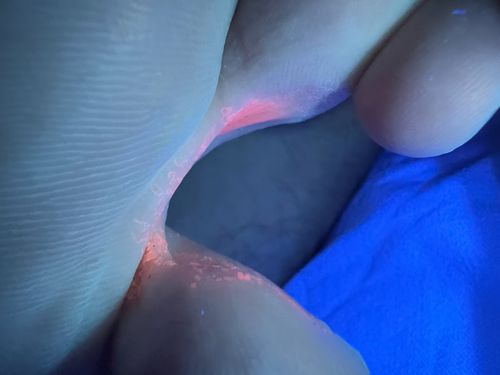
Corynebacterium minutissimum
species of bacterium
Orientia tsutsugamushi
species of bacterium
Pontiac fever
legionellosis that involves a milder respiratory illness without pneumonia. Symptoms include fever, headache and muscle aches which last for 2 to 5 days