Category
page 1People executed for heresy
.jpg)
Socrates
Socrates (; ; – 399 BC) was an ancient Greek philosopher from Classical Athens, perhaps the first Western moral philosopher, and a major inspiration on his student Plato, who largely founded the tradition of Western philosophy. An enigmatic figure, Socrates authored no texts and is known mainly through the posthumous accounts of classical writers, particularly his students Plato and Xenophon. These accounts are written as dialogues, in which Socrates and his interlocutors examine a subject in the style of question and answer; they gave rise to the Socratic dialogue literary genre. Contrad

Joan of Arc
French folk heroine (1412–1431), military leader who crowned Charles VII and Roman Catholic saint, canonized 500 years after her death

Giordano Bruno
Italian Dominican friar, philosopher and mathematician (1548–1600)

Jan Hus
Czech theologian, philosopher and preacher (1369-1415)

Girolamo Savonarola
Italian Dominican friar and preacher (1452-1498)
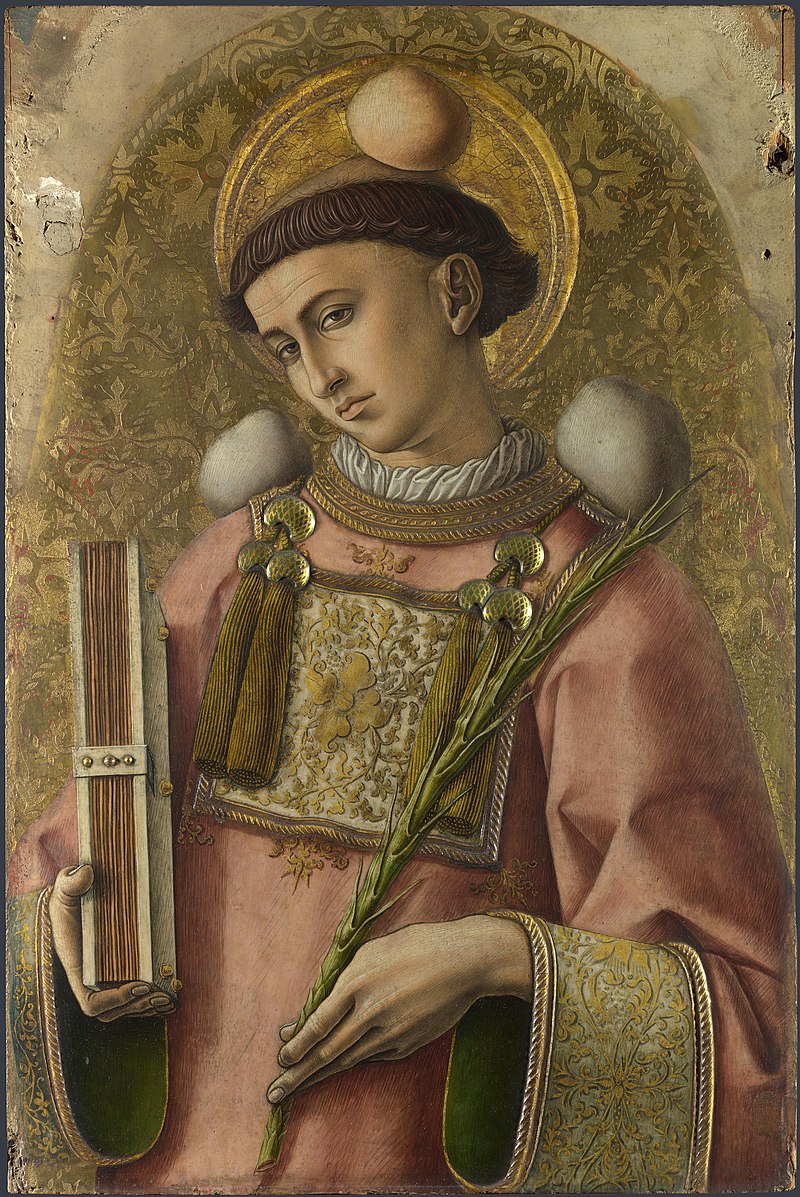
Saint Stephen
Deacon, martyr, and saint

Michael Servetus
Spanish physician and theologian

Thomas Cranmer
leader of the English Reformation and Archbishop of Canterbury

Mansur Al-Hallaj
Mansour al-Hallaj () or Mansour Hallaj () ( 26 March 922) (Hijri 309 AH) was a mystic, poet, and teacher of Sufism. He was best known for his saying, "I am the Truth" ("''Ana'l-Ḥaqq''"), which many saw as a claim to divinity, while others interpreted it as an instance of annihilation of the ego, which allowed God to speak through him. Al-Hallaj gained a wide following as a preacher before he became implicated in power struggles of the Abbasid court and was executed after a long period of confinement on religious and political charges. Although most of his Sufi contemporaries disapproved of his

William Tyndale
English Bible translator and reformer

Jacques de Molay
Grand Master of the Knights Templar

Avvakum
Avvakum Petrov (; 20 November 1620/1621 – 14 April 1682; also spelled Awakum) was a Russian Old Believer and protopope of the Kazan Cathedral on Red Square who led the opposition to Patriarch Nikon's reforms of the Russian Orthodox Church. His autobiography and letters to the tsar and other Old Believers such as Feodosia Morozova are considered masterpieces of 17th-century Russian literature.
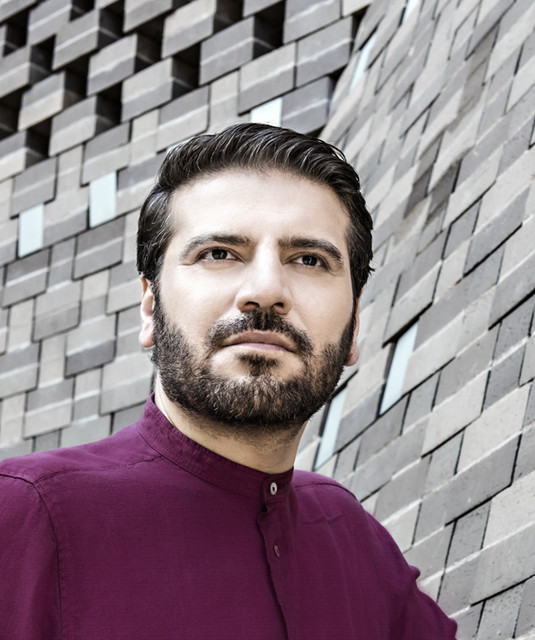
Nasimi
Azerbaijani poet, c. 1369–1419

Jerome of Prague
Czech philosopher

Giulio Cesare Vanini
Italian philosopher

Marguerite Porete
French mystic
Hugh Latimer
English bishop (circa 1485-1555)

Balthasar Hubmaier
German Anabaptist leader
Priscillian
Priscillian (in Latin: Priscillianus; Gallaecia, – Augusta Treverorum, Gallia Belgica, ) was a wealthy nobleman of Roman Hispania who promoted a strict form of Christian asceticism. He became bishop of Ávila in 380. Certain practices of his followers (such as meeting at country villas instead of attending church) were denounced at the Council of Zaragoza in 380. Tensions between Priscillian and bishops opposed to his views continued, as well as political maneuvering by both sides. Around 385, Priscillian was charged with sorcery and executed by authority of the Emperor Maximus. The ascetic mov
Jakob Hutter
Tyrolean Anabaptist leader and founder of the Hutterites
Étienne Dolet
French translator and scholar (1509-1546)
Bashshar ibn Burd
Persian poet who wrote in Arabic (714–783)
Fra Dolcino
Italian preacher (1250-1307)
Mahmoud Muhammad Taha
Sudanese philosopher (1909-1985)
Nicholas Ridley
Bishop of London; Anglican Saint
Felix Manz
Swiss martyr
Dona Beatriz Kimpa Vita
Kongo Empire guérisseuse (1684-1706)
Anne Askew
English Protestant martyr
Alena Arzamasskaia
Russian military rebel
Menocchio
Domenico Scandella (1532–1599), known as Menocchio (), was an Italian miller from Montereale Valcellina, Republic of Venice, who was tried for heresy by the Roman Inquisition for his unorthodox religious views and then was burnt at the stake in 1599. The 16th-century life and medieval religious beliefs of Menocchio are known from the records of the Inquisition, and are the subject of The Cheese and the Worms (1976) by Carlo Ginzburg, as well as of the stageplay Menocchio (2002) by Lillian Garrett-Groag and the film Menocchio (Menocchio the Heretic) (2018) by Alberto Fasulo.
Cecco d'Ascoli
Italian physician and poet
Geoffroi de Charney
French Knight Templar
Patrick Hamilton
Scottish clergyman and martyr; (1504–1528)
Pietro Carnesecchi
Italian humanist (1509-1567)

Quddús
Jináb-i-Quddús () (c.1820–1849), is the title of Mullá Muḥammad ʻAlí-i-Bárfurúshi, who was the most prominent disciple of the Báb. He was the eighteenth and final Letter of the Living.
Dirk Willems
Dutch Anabaptist pacificist martyr
George Blaurock
Swiss founder of Anabaptism
Gerard Segarelli
founder of the Apostolic Brethren
Michael Sattler
German Anabaptist martyr, author of the Schleitheim Confession
Hans Böhm
German mystic
Quirinus Kuhlmann
German poet and mystic (1651-1689)
George Wishart
Scottish Protestant martyr; (1513-1546)
Aonio Paleario
Italian humanist

John Oldcastle
English politician (1378-1417)
John Rogers
English Bible editor and martyr (c. 1505 – 1555)

Ja'd ibn Dirham
was an 8th-century Muslim theologian who promoted the idea of Quranic createdness. He was also the personal tutor of the last Umayyad caliph, Marwan II
Gabriel Malagrida
Italian missionary
Cayetano Ripoll
Last person executed in Spain for heresy

John Hooper
Bishop of Worcester and Gloucester
Jacques Gruet
executed Genevan atheist
Anne du Bourg
French magistrat (1521-1559)

Antoine Augereau
French type designer and printer
John Frith
English Protestant priest, writer, and martyr

Francisco Maldonado da Silva
Spanish physician
David Reubeni
Jewish political activist
Hamza Bâlî
Bosnian Sufi leader (died 1573)
Robert Barnes
English martyr
Jean Vallière
French Augustinian monk
Ursula van Beckum
Dutch noblewoman and Anabaptist burned at the stake for heresy
Latronianus
thumb|Entry for Latronius in a manuscript of Jerome's De viris illustribus
Latronianus (or Latronian; died AD 385) was a poet and scholar of Hispania (Roman Spain) who was associated with Priscillianism. He was executed, along with Priscillian and several others, at Trier in 385. As such, he is considered among the first to be executed as heretics in the history of Christianity.