Category
page 1Perfumery

perfume
Perfume (, ) is a mixture of fragrant essential oils or aroma compounds (fragrances), fixatives and solvents, usually in liquid form, used to give the human body, animals, food, objects, and living-spaces an agreeable scent. Perfumes can be defined as substances that emit and diffuse a pleasant and fragrant odor. They consist of artificial mixtures of aromatic chemicals and essential oils. The 1939 Nobel Laureate for Chemistry, Leopold Ružička stated in 1945 that "right from the earliest days of scientific chemistry up to the present time, perfumes have substantially contributed to the develop

musk
thumb|Musk deer of Tibet in an 1835 illustration

eau de cologne
class of perfume concentration of between 2-6%
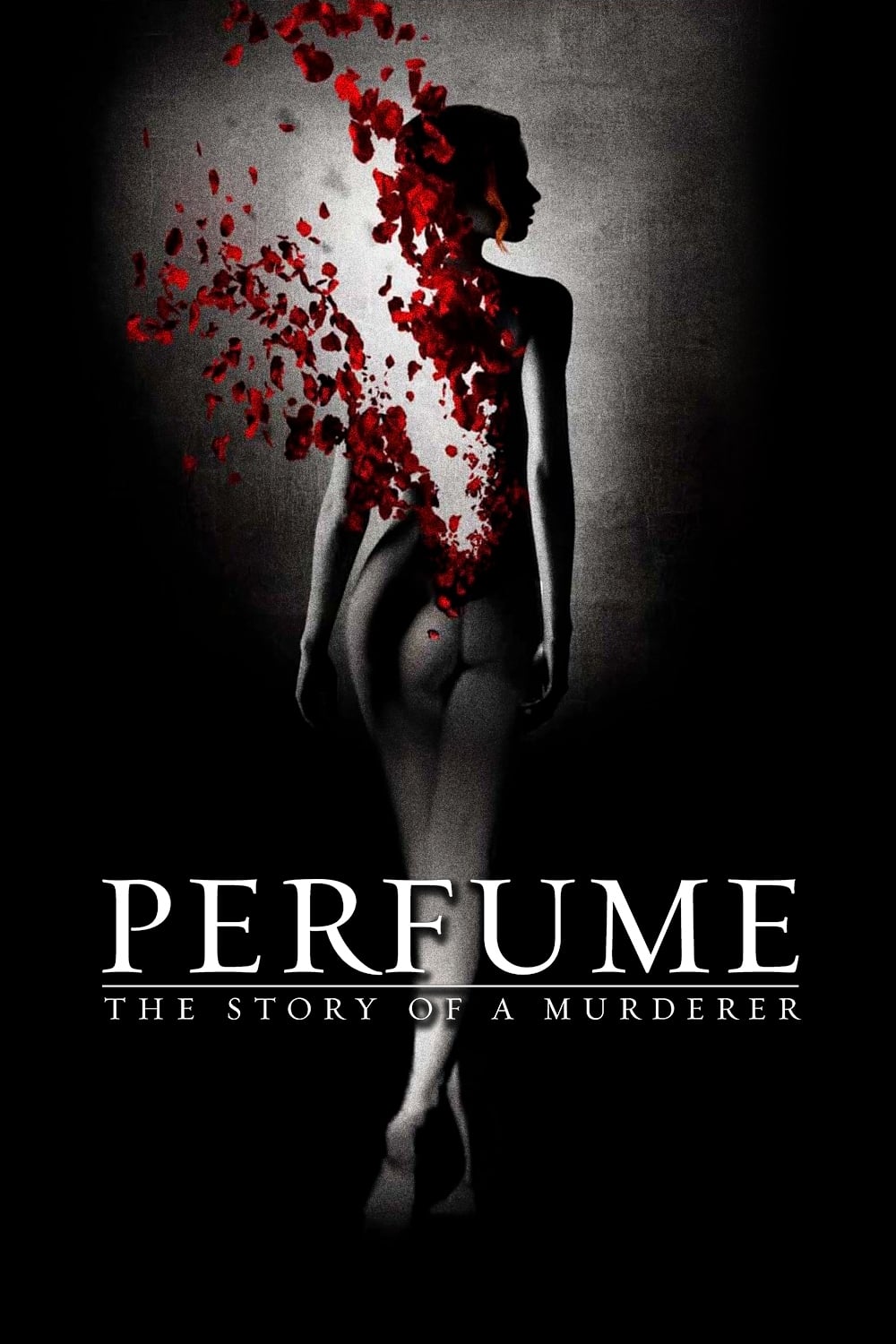
Perfume: The Story of a Murderer
2006 film directed by Tom Tykwer

alabastron
right|thumb|Greek glass alabastron, probably made in Italy in 1st/2nd century BC, and now part of the Campana Collection of the Musée du Louvre.

potpourri
thumb|Painting of a woman making potpourri by Herbert James Draper, 1897.
eau de toilette
a class of perfume concentration of between 5-15%; eau de toilette has less concentrated fragrance than perfume (eau de parfum) and more than cologne (eau de Cologne)

aftershave
thumb|Aftershave in a bottle alongside a shaving brush, [[shaving soap, and a safety razor]]
right|Aqua Velva|Williams Aqua Velva aftershave from the 1930s|thumb

sachet
thumb|A handmade sachet containing lavender.
thumb|

pomander
thumb|Venetian woman with a pomander
absolute
aromatic plant extract used in perfume
ISIPCA
ISIPCA (''Institut supérieur international du parfum, de la cosmétique et de l'aromatique alimentaire) is a French school for post-graduate studies in perfume, cosmetics products and food flavor formulation, with an apprenticeship period in the industry. It was founded in 1970 by Jean-Jacques Guerlain as ISIP (Institut supérieur international du parfum). It became Groupe ISIPCA in 1984 when the CCIV'' (Chambre de commerce et d'industrie de Versailles-Val-d'Oise-Yvelines) backed up and sponsored the school with significant capital.
enfleurage
Enfleurage is a process that uses odorless fats that are solid at room temperature to capture the fragrant compounds, such as volatile oils, produced by plants. The process can be "cold" enfleurage or "hot" enfleurage. The method was formed in the 17th–18th centuries in connection with the development of the perfume craft in the French city of Grasse.
note
component of a fragrance
Fragrance Museum
museum in Cologne, Germany
Officina di Santa Maria Novella
historic pharmacy of Florence
concrete
term in fragrance extraction for the mass remaining after solvent extraction
Jacques Rouché
French editor (1862-1957)
Gandhi
family name
FiFi Awards
award
odor detection threshold
lowest perceivable odor concentration
fougère
thumb|200px|right|An original bottle of Fougère Royale by Houbigant Parfum|Houbigant, created by the perfumer [[Paul Parquet in 1882]]
thumb|200px|right| means "fern" in French.
Musée du Parfum
museum of perfume in Paris, France
chypre
Chypre () is the name of a family (or concept) of perfumes that are characterised by an accord composed of citrus top notes, a middle centered on cistus labdanum, and a mossy-animalic set of basenotes derived from oakmoss. Chypre perfumes fall into numerous classes according to their modifier notes, which include but are not limited to leather, florals, fruits, and amber.
olfactory art
art form that uses scent as a medium
Osmothèque
The Osmothèque (from Greek osmē "scent" patterned on French bibliothèque "library") is the world's largest scent archive, a leading international research institution tracing the history of perfumery, based in Versailles with conference centers in New York City and Paris. Founded in 1990 by Jean Kerléo and other senior perfumers including Jean-Claude Ellena and Guy Robert, the Osmothèque is internationally responsible for the authentication, registration, preservation, documentation and reproduction of thousands of perfumes gathered from the past two millennia, archived at the Osmothèque repos
aromachology
Aromachology is the study of the influence of odors on human behavior and to examine the relationship between feelings and emotions. Those who practice aromachology are aromachologists. Aromachologists analyze emotions such as relaxation, exhilaration, sensuality, happiness and well-being brought about by odors stimulating the olfactory pathways in the brain and, in particular, the limbic system. Different wearers are thought to have unique physiological and psychological responses to scents, especially those not manufactured synthetically but based on real scents.
history of perfume
aspect of history