Category
page 1Pezizales genera

Morchella
Morchella, the true morels, is a genus of edible sac fungi closely related to anatomically simpler cup fungi in the order Pezizales (division Ascomycota). These distinctive fungi have a honeycomb appearance due to the network of ridges with pits composing their caps.

Tuber
genus of fungi
Helvella
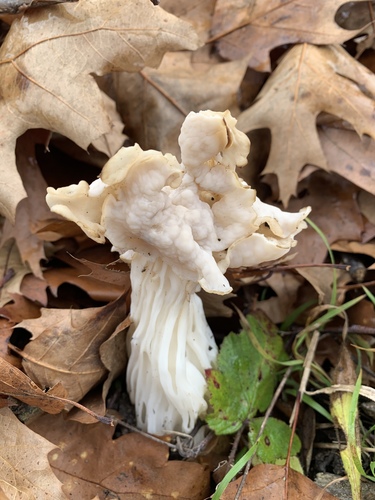
Helvella is a genus of ascomycete fungus of the family Helvellaceae. The mushrooms, commonly known as elfin saddles, are identified by their irregularly shaped caps, fluted stems, and fuzzy undersurfaces. They are found in North America and in Europe. Well known species include the whitish H. crispa and the grey H. lacunosa. They have been reported to cause gastrointestinal symptoms when eaten raw.

Gyromitra
Gyromitra () is a genus of about 18 species of ascomycete fungi. They are a false morel - a frequently toxic mushroom that can be mistaken for edible mushrooms of the genus Morchella (morels).
Verpa
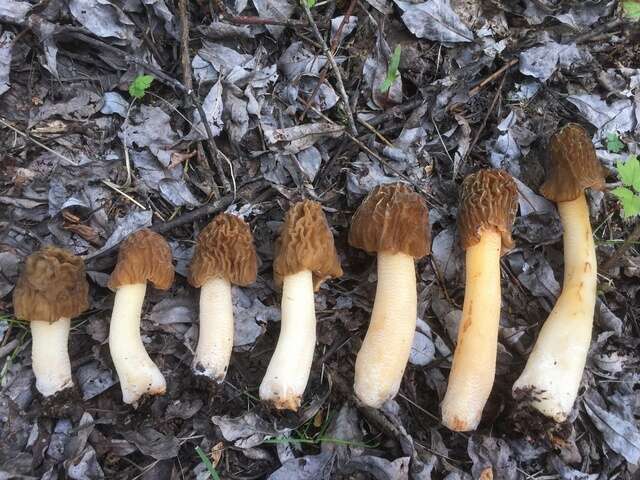
Verpa is a genus of ascomycete fungi related to the morels. Resembling the latter genus in edibility and form, the common name early morels is popular. There are five species in the widespread genus.

Peziza
thumb|Peziza sp. fruit body spore sacs teased out and viewed under a microscope
Sarcoscypha
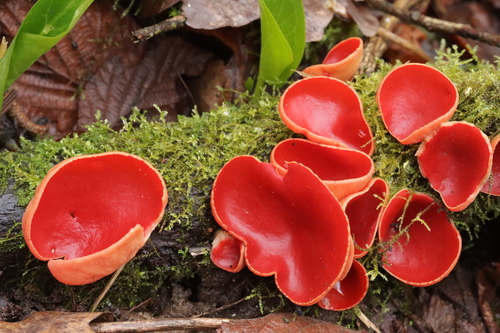
Sarcoscypha is a genus of ascomycete fungus and a type genus of the family Sarcoscyphaceae. Species of Sarcoscypha are present in Europe, North America and tropical Asia. They are characterised by a cup-shaped apothecium which is often brightly coloured. They have had a range of popular uses, one of which was as a table decoration. Some members of the family such as S. coccinea and the - according to new knowledge - more common S. austriaca in western Europe and United States have bright scarlet apothecia which have given them familiar names such as the scarlet cup fungus and scarlet elf cap.
Otidea
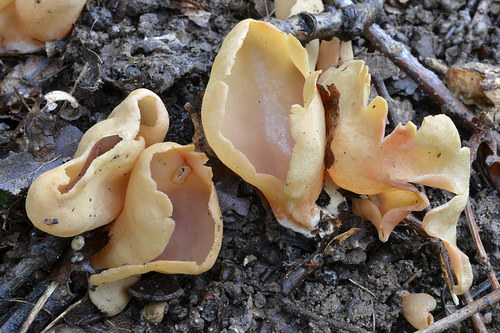
Otidea is a genus of fungi in the family Pyronemataceae. The genus is widely distributed in northern temperate regions.
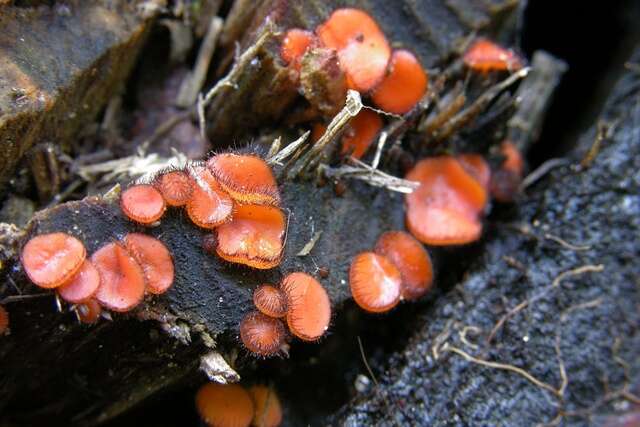
Scutellinia
Scutellinia is a genus of cup-fungi in the family Pyronemataceae. The genus is widely distributed, especially in the Northern Hemisphere, and according to the Dictionary of the Fungi (10th edition, 2008), contains 66 species.
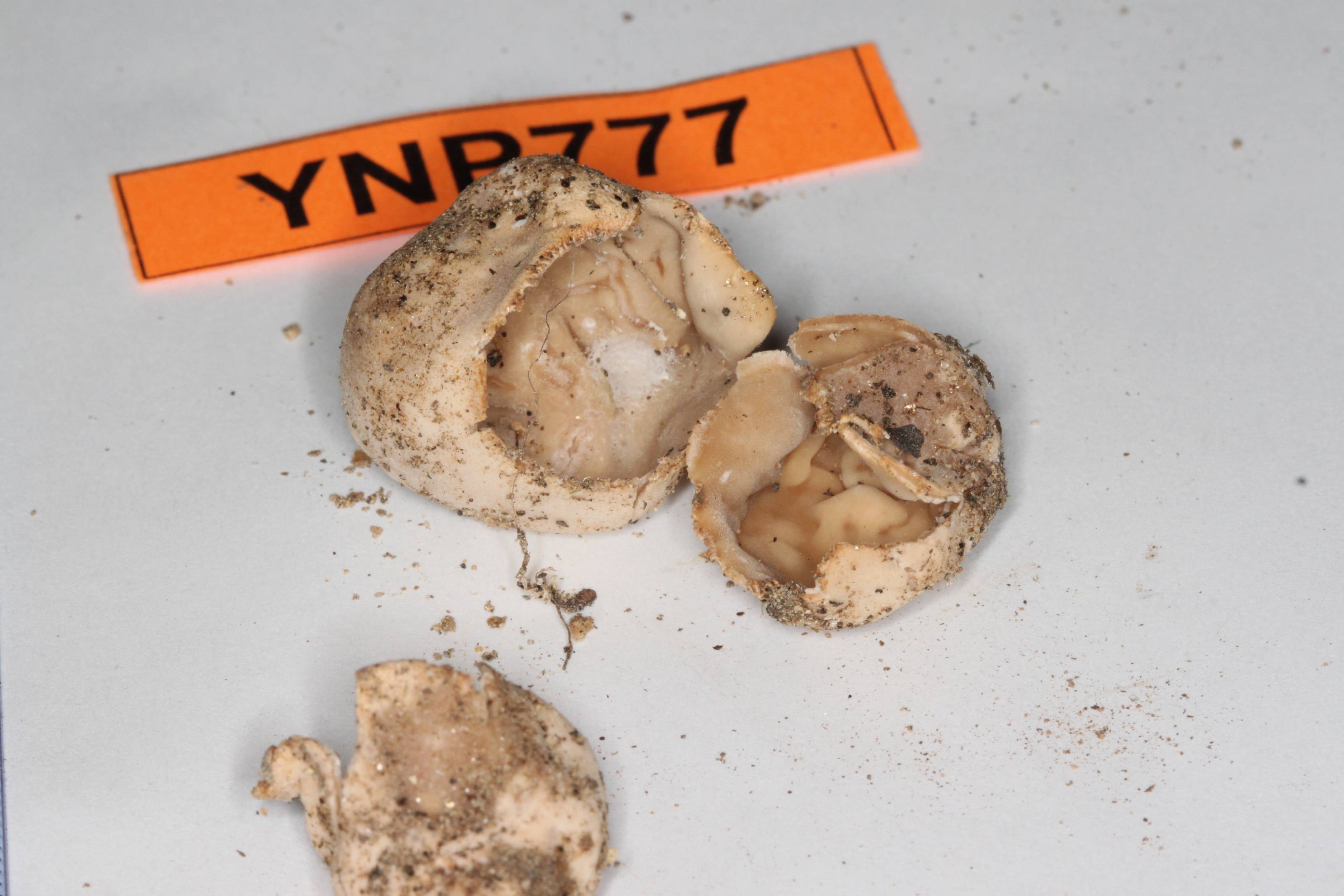
Geopora
Geopora is a genus of truffle-like fungi in the family Pyronemataceae, currently with 13 described species. The genus was circumscribed by mycologist Harvey Willson Harkness in 1885. Molecular phylogenetic reconstructions indicate that the cup-like apothecial Geopora should better be placed back in a separate genus, Sepultaria. Geopora would then only comprise Geopora cooperi and its close relatives.

Aleuria
Aleuria is a genus of cup fungi within the phylum Ascomycota. The best known species is Orange peel fungus, A. aurantia.

Disciotis
Disciotis is a genus of fungi in the family Morchellaceae. Members of this family, characterized by their cup- or bowl-shaped apothecia, have a widespread distribution, especially in northern temperate regions.
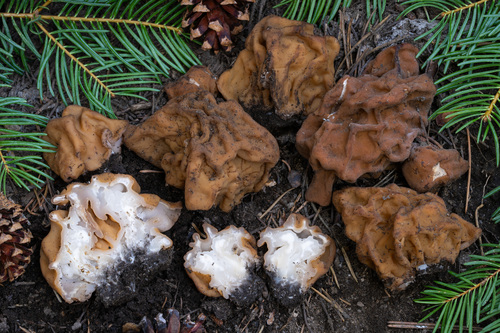
Discina
genus of fungi
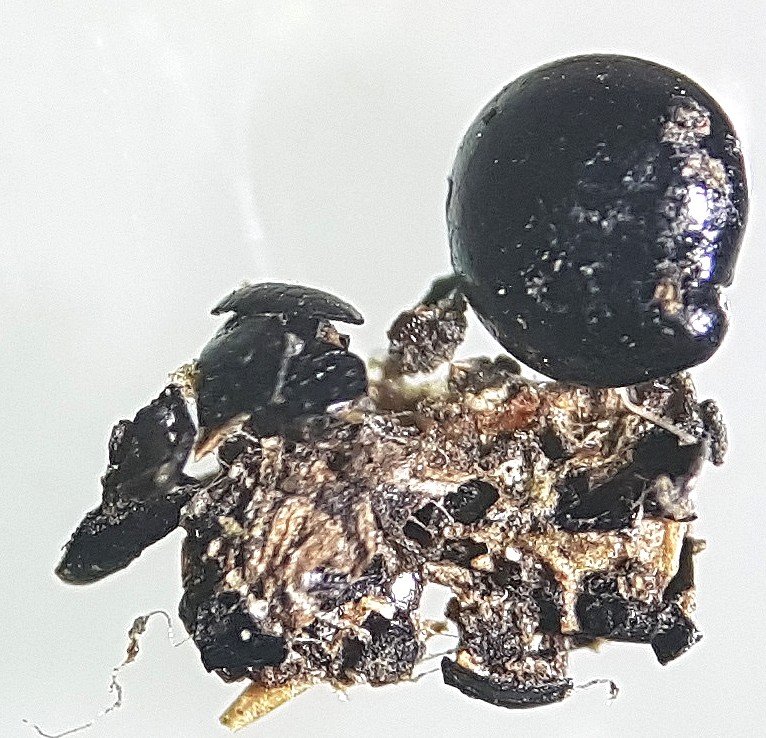
Ascobolus
Ascobolus is a genus of fungi in the Ascobolaceae family. The genus has a widespread distribution, and contains an estimated 61 species, most of which are coprophilous. The genus was circumscribed by Christian Hendrik Persoon in 1796.
Geopyxis
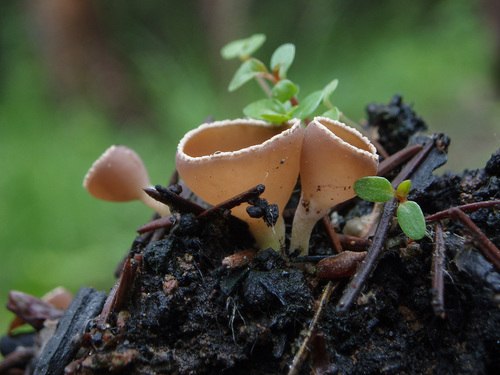
Geopyxis is a genus of fungi in the family Pyronemataceae. The genus has a widespread distribution. Molecular phylogenetic studies published in 2007 suggest that the genus is not monophyletic.

Hydnotrya
Hydnotrya is a genus of ascomycete fungi related to the false morels of the genus Gyromitra. There are about 15 species in the genus. A molecular phylogenetic study recovered a species that was described but neglected for 50 years, Hydnotrya bailii.

Sowerbyella
Sowerbyella is a genus of fungi in the family Pyronemataceae. The genus has a widespread distribution, and contains 17 species found mostly in Europe and China.
Tricharina
Tricharina is a genus of fungi in the family Pyronemataceae. The genus has a widespread distribution in temperate regions, and contains 13 species. The anamorph form is Ascorhizoctonia. Tricharina was described by mycologist Finn-Egil Eckblad in 1968.

Urnula
Urnula is a genus of cup fungi in the family Sarcosomataceae, circumscribed by Elias Magnus Fries in 1849. The genus contains several species found in Asia, Europe, Greenland, and North America. Sarcosomataceae fungi produce dark-colored (brown to black), shallow to deep funnel-shaped fruitbodies with or without a stipe, growing in spring. The type species of the genus is Urnula craterium, commonly known as the devil's urn or the gray urn. Urnula species can grow as saprobes or parasites having an anamorphic state. The anamorphic form of U. craterium causes Strumella canker, on oak trees.

Choiromyces
Choiromyces is a genus of truffle-like fungi in the Tuberaceae family. The genus is widespread and contains eight species.
Octospora
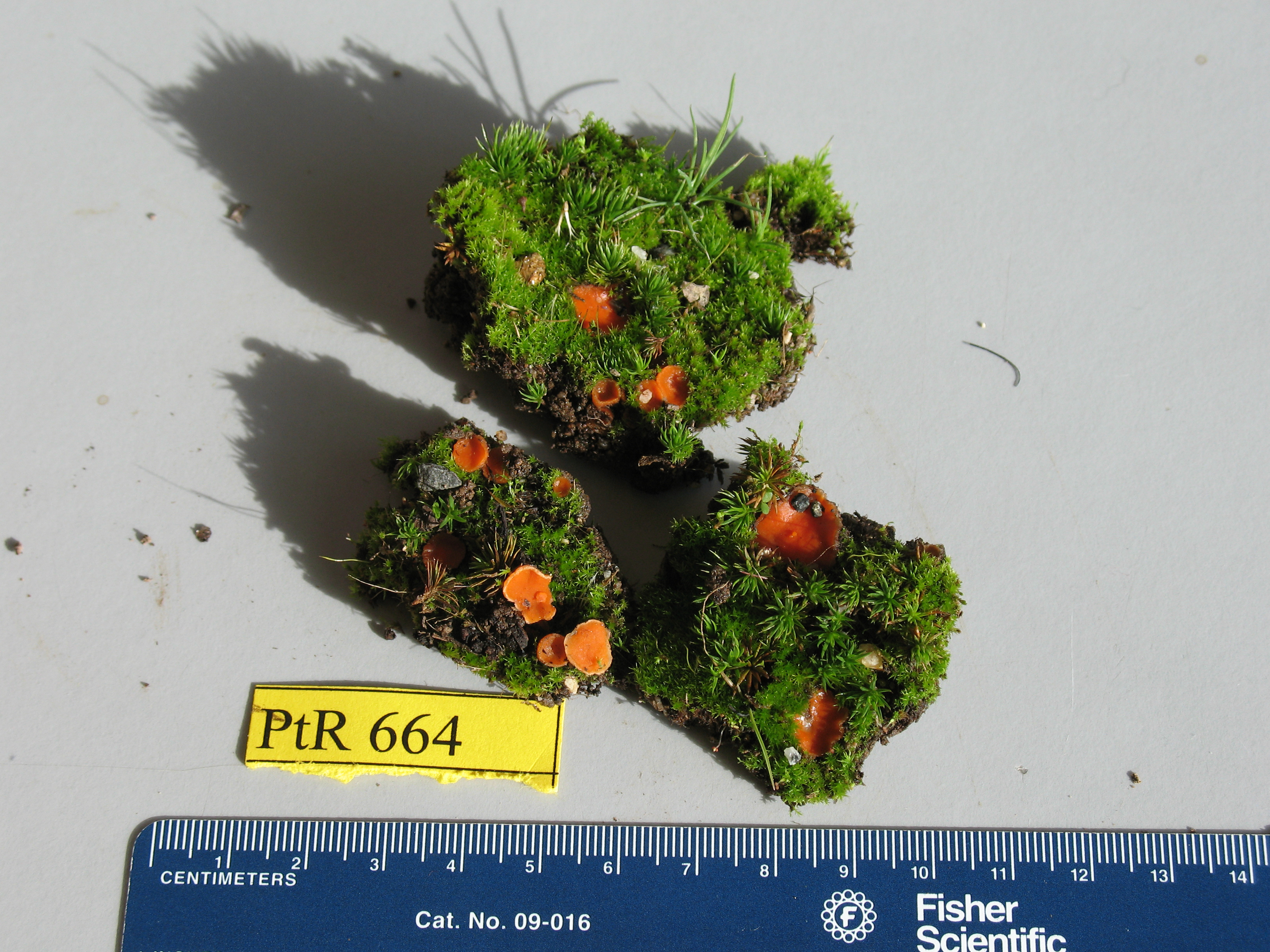
Octospora is a genus of fungi in the family Pyronemataceae.
Humaria
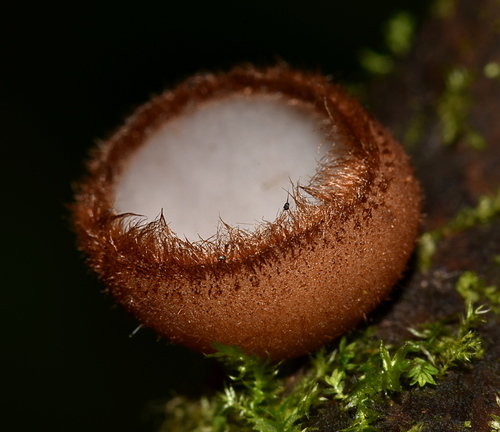
Humaria is a genus of fungi in the family Pyronemataceae. The genus is widespread in northern temperate areas, and contains 16 species. The genus was circumscribed by Karl Wilhelm Gottlieb Leopold Fuckel in 1870.
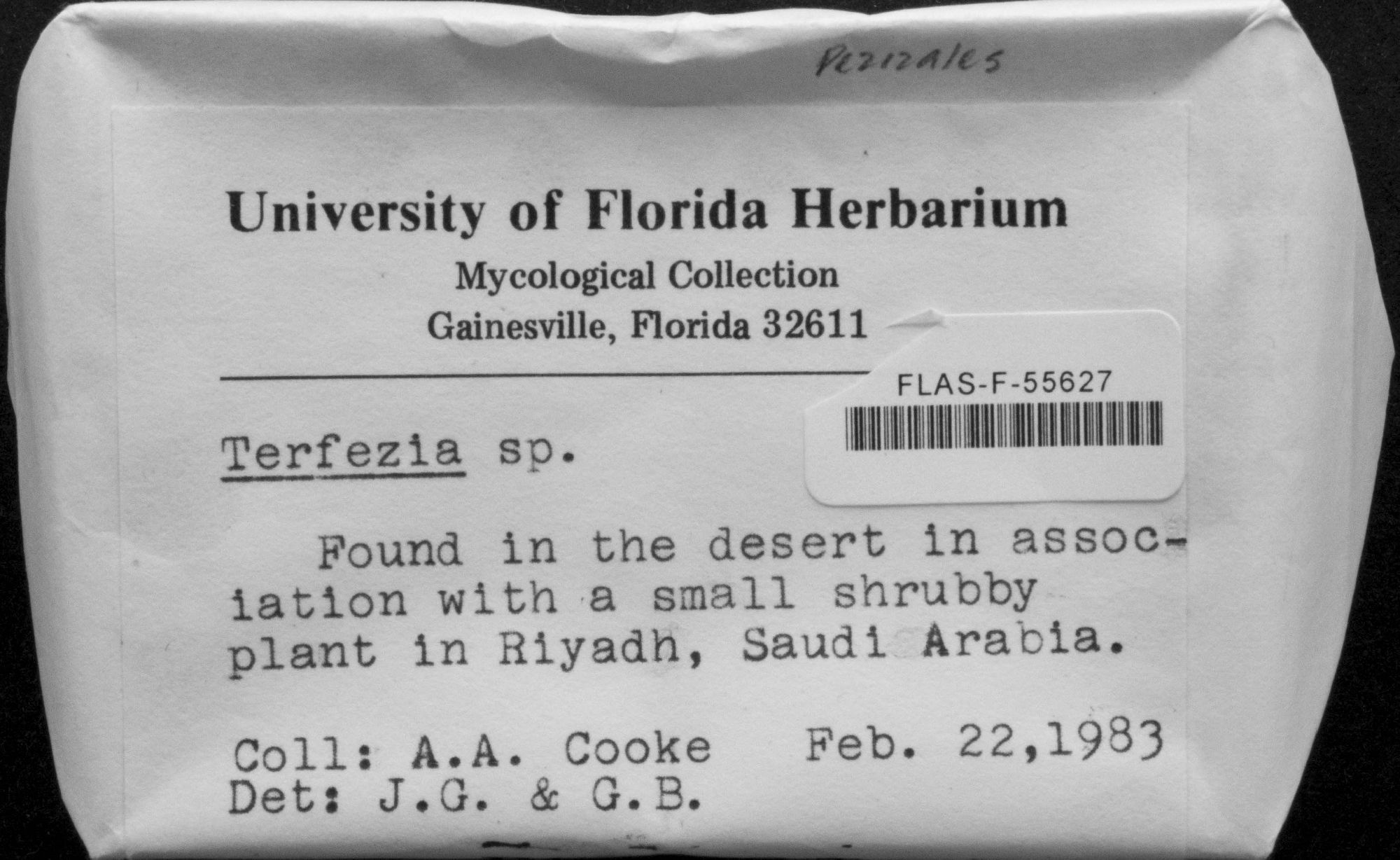
Terfezia
Terfezia (Berber: Tirfas) is a genus of truffle-like fungi within the Pezizaceae family. Terfezia species are commonly known as desert truffles. Some authorities consider this the type genus of the family Terfeziaceae, although phylogenetic analysis suggests that it nests within the Pezizaceae. The Dictionary of the Fungi (10th edition, 2008) suggests that the genus contains 12 species. A recent (2011) publication used molecular analysis to show that the American Terfezia species had been incorrectly classified, and moved Terfezia spinosa and Terfezia longii to Mattirolomyces and Stouffera, re
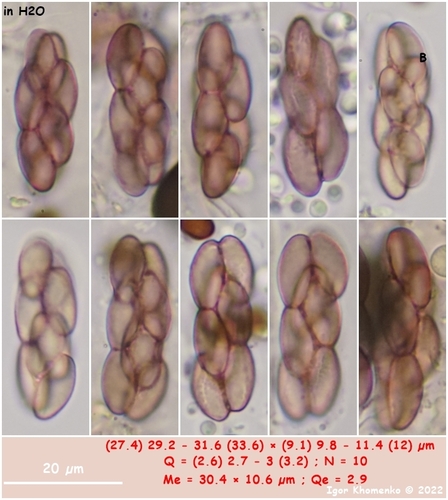
Saccobolus
Saccobolus is a genus of fungi in the family Ascobolaceae. The genus has a widespread distribution, and contains 27 species.
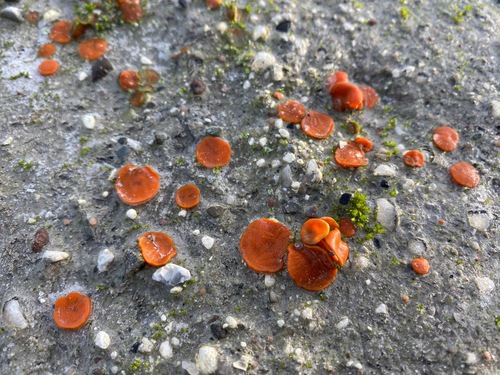
Melastiza
Melastiza is a genus of fungi in the family Pyronemataceae.

Cheilymenia
Cheilymenia is a genus of fungi in the family Pyronemataceae. The genus has a widespread distribution, especially in temperate regions, and contains 66 species, many very similar in appearance and habitat and only separable by microscopic features.

Rhizina
Rhizina is a genus of ascomycete fungi in the order Pezizales. The genus was circumscribed by Elias Magnus Fries in his 1815 work Observationes mycologicae, with R. undulata as the type species. R. atra and R. lignicola were added to the genus in 1921 and 1925, respectively, by Australian botanist Leonard Rodway.
Tarzetta
Tarzetta is a genus of fungi in the family Pyronemataceae. The genus has a widespread distribution in north temperate regions, and contains 9 species.
.jpg)
Trichophaea
thumb | right
Trichophaea is a genus of fungi in the family Pyronemataceae. The genus was circumscribed in 1885 by French pharmacist Jean Louis Émile Boudier in 1885.
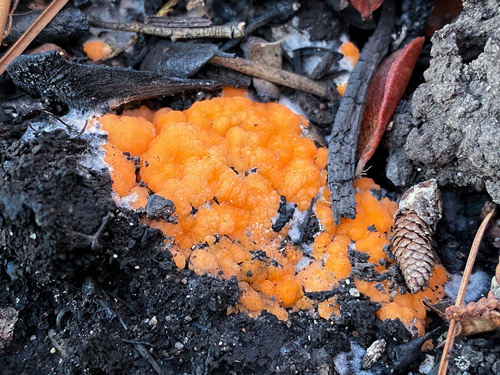
Pyronema
Pyronema is a genus of cup fungi in the family Pyronemataceae. Pyronema are found fruiting exclusively on recently burned or heat-sterilized substrates. The fruiting bodies (apothecia) are light-pink to orange and disc or cushion shaped. Always growing in dense clusters, and often fusing together resulting in an amorphous mat-like appearance. Ascospores are simple, smooth, ellipsoid, colorless, and lack lipid droplets. When grown in a laboratory setting on agar plates, P. domesticum produces sclerotia, whereas P. omphalodes does not. P. domesticum tends to produce pink to orange apothecia and
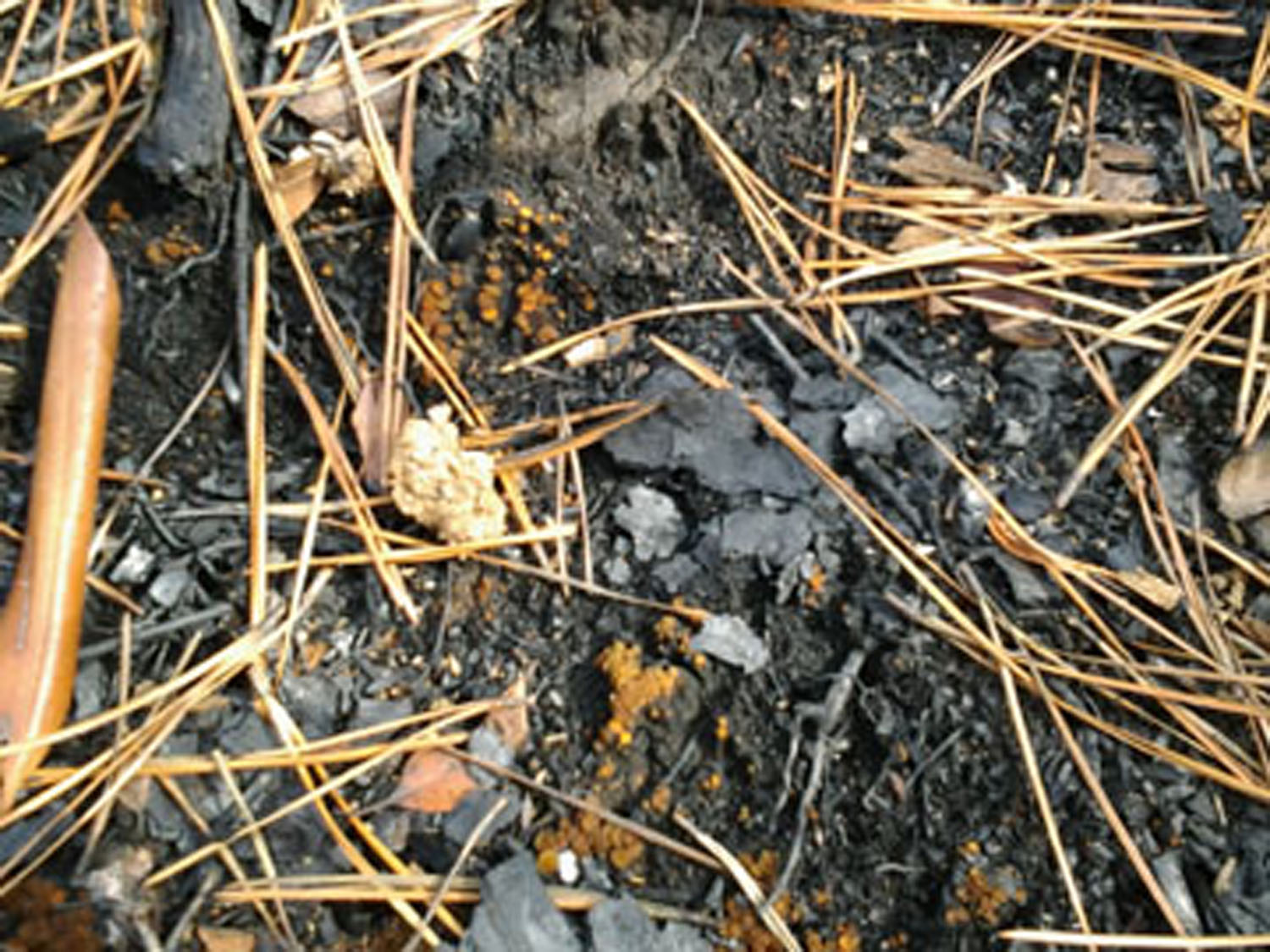
Anthracobia
Anthracobia is a genus of fungi in the family Pyronemataceae. The genus was circumscribed by Jean Louis Émile Boudier in 1885. Anthracobia is widely distributed in north temperate regions, and contains 15 species. Phylogenetic analyses suggest that the genus as currently circumscribed is polyphyletic.
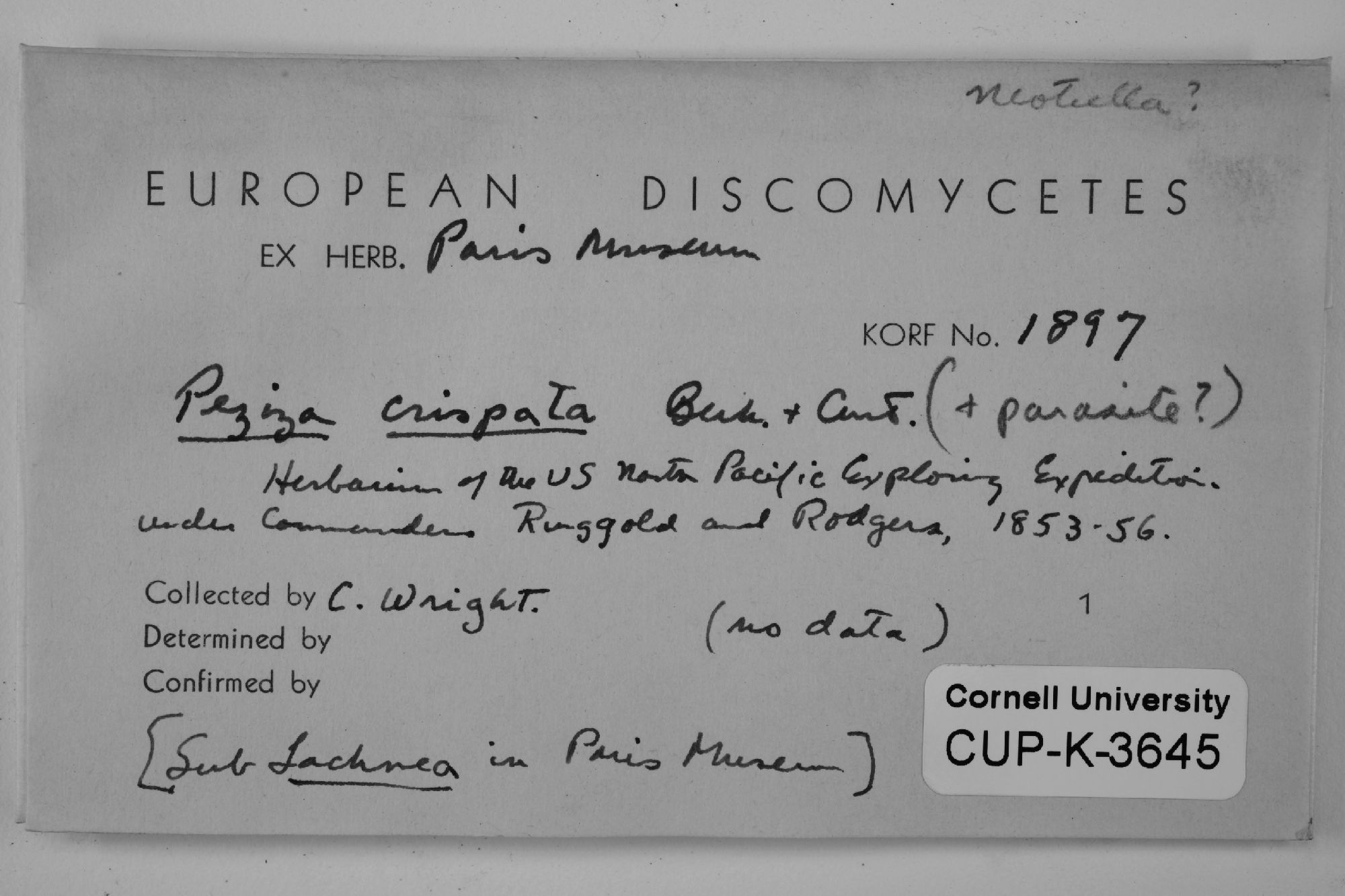
Neottiella
Neottiella is a genus of fungi in the family Pyronemataceae. It was circumscribed by Italian mycologist Pier Andrea Saccardo in 1889.
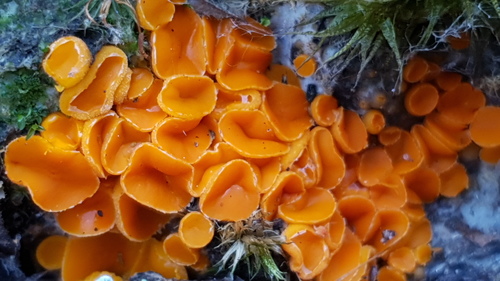
Byssonectria
Byssonectria is a genus of fungi in the family Pyronemataceae.
Ascophanus
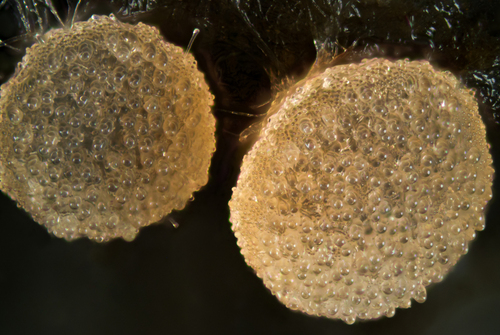
Ascophanus is a genus of fungi in the Ascobolaceae family. The genus has a widespread distribution (especially in temperate areas), and contains 20 species, most of which grow on dung.
Pulvinula
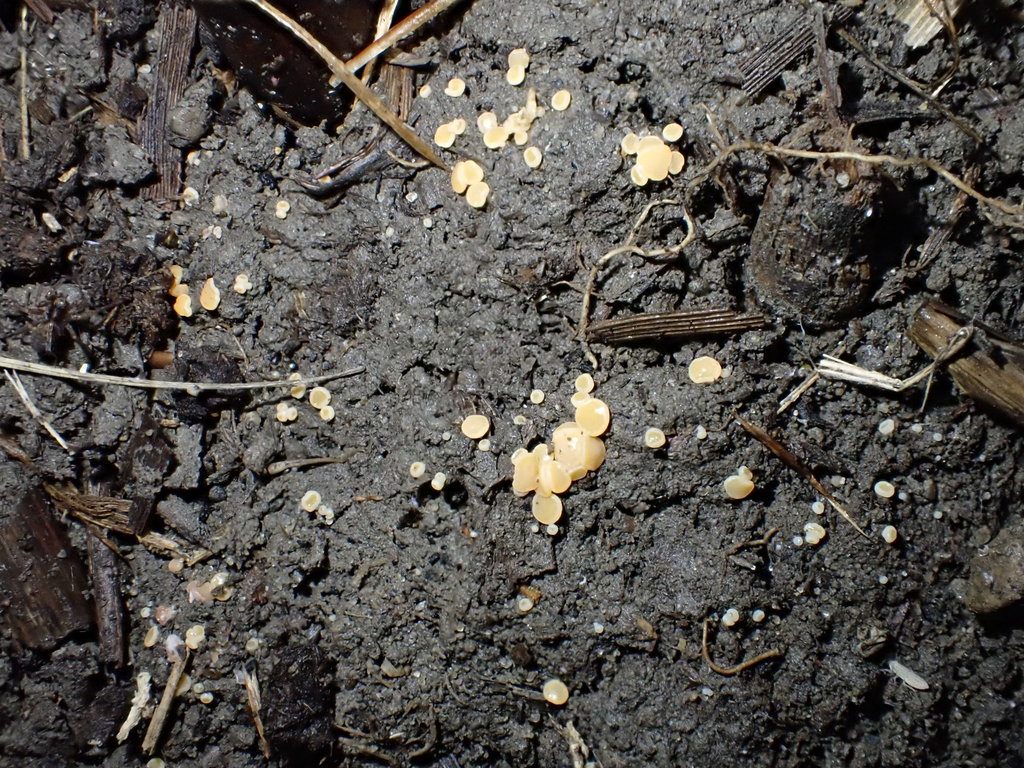
Pulvinula is a genus of fungi in the family Pyronemataceae. The genus was described by French mycologist Jean Louis Émile Boudier in 1885.
Cookeina
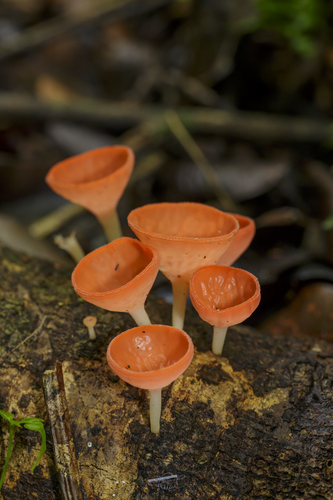
thumb|right|Cookeina sulcipes from [[Malaysia.]]
Lamprospora
Lamprospora is a genus of fungi in the family Pyronemataceae.
Wilcoxina
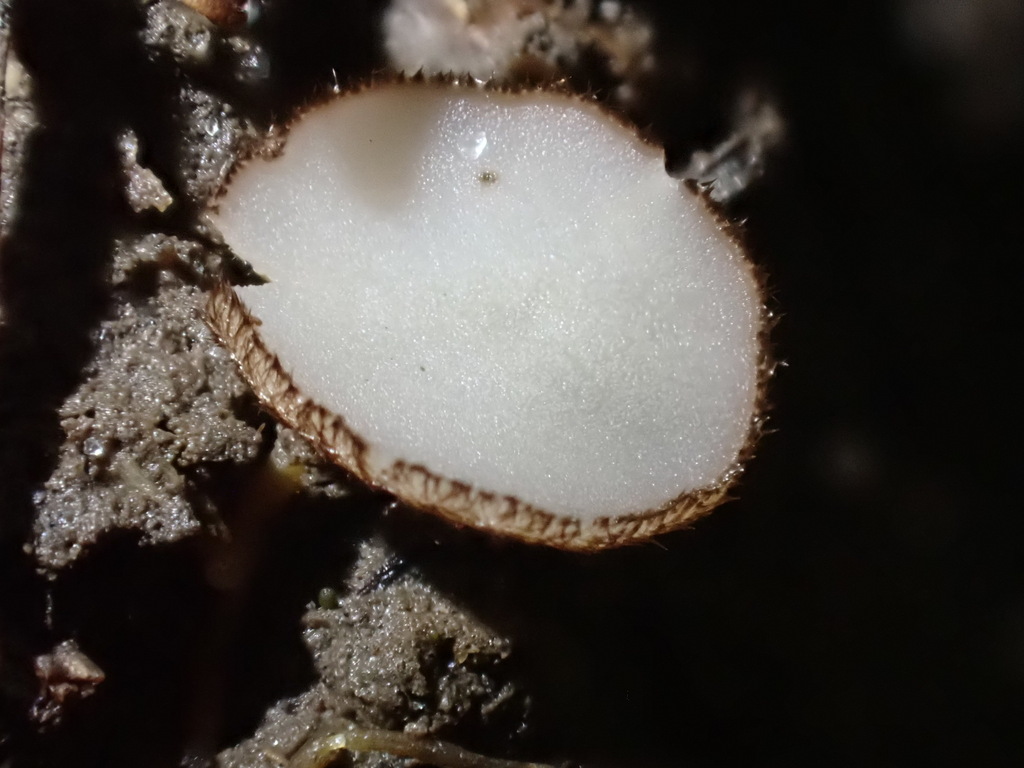
Wilcoxina is a genus of fungi in the family Pyronemataceae. It was circumscribed by Chin Yang and Richard Korf in 1985. Some species have been shown to produce the siderophore compound ferricrocin.

Stephensia
genus of fungi
Balsamia
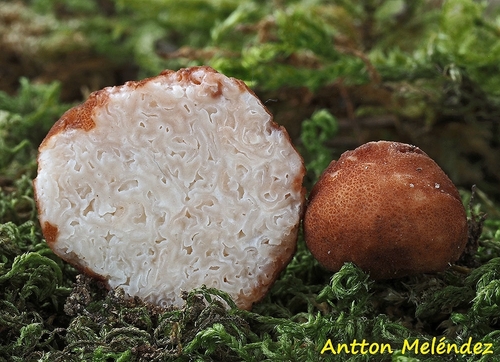
Balsamia is a genus of truffle-like ascomycete fungi of the family Helvellaceae. The widespread genus contains twenty five species known from Europe, North America, North Africa and Asia, including China.

Genea
genus of fungi

Sphaerosoma
Sphaerosoma is a genus of fungi in the family Pyronemataceae. It contains three hypogeous (truffle-like) species that have been collected from Europe and North America.
Pseudoplectania
Pseudoplectania is a genus of fungi in the family Sarcosomataceae. The genus contains 12 species. Pseudoplectania ryvardenii was described in 2012, while Pseudoplectania carranzae was transferred to the genus (from Plectania) in 2013.
Ascodesmis
Ascodesmis is a genus of fungi in the family Ascodesmidaceae. It was described by French botanist Philippe Édouard Léon Van Tieghem in 1876. Species in the genus are coprophilous, and are characterized by the absence of an excipulum (tissues containing the hymenium of a fruit body).
Trichophaeopsis
Trichophaeopsis is a genus of fungi in the family Pyronemataceae.
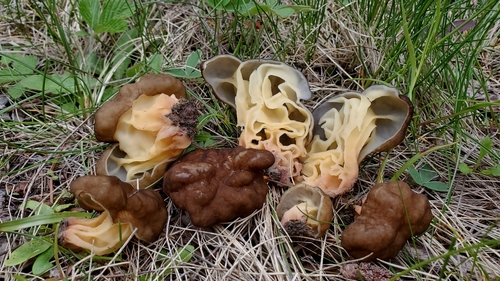
Pseudorhizina
Pseudorhizina is a genus of ascomycete fungi related to the false morels of the genus Gyromitra. The type species is Pseudorhizina korshinskii, the genus being erected in 1913. Known as the umbrella false morel, P. californica is a well-known species of western North America.
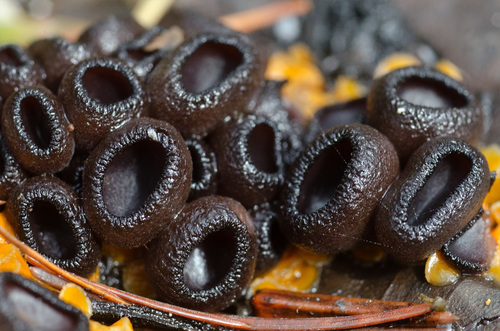
Pseudombrophila
Pseudombrophila is a genus of fungi in the family Pseudombrophilaceae. The widely distributed genus contains 28 species.
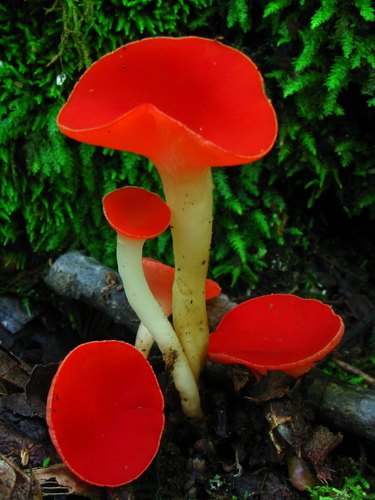
Plectania
Plectania is a genus of fungi in the family Sarcosomataceae. It was circumscribed by German botanist Karl Wilhelm Gottlieb Leopold Fuckel in 1870.
Gymnohydnotrya
Gymnohydnotrya is a genus of ascomycete fungi related to the false morels of the genus Gyromitra.

Sarcosoma
Sarcosoma is a genus of fungi in the family Sarcosomataceae. The name Sarcosoma is derived from ancient Greek and means "fleshy body", from (, "flesh") ('''', "body"). The genus is widespread in north temperate areas.
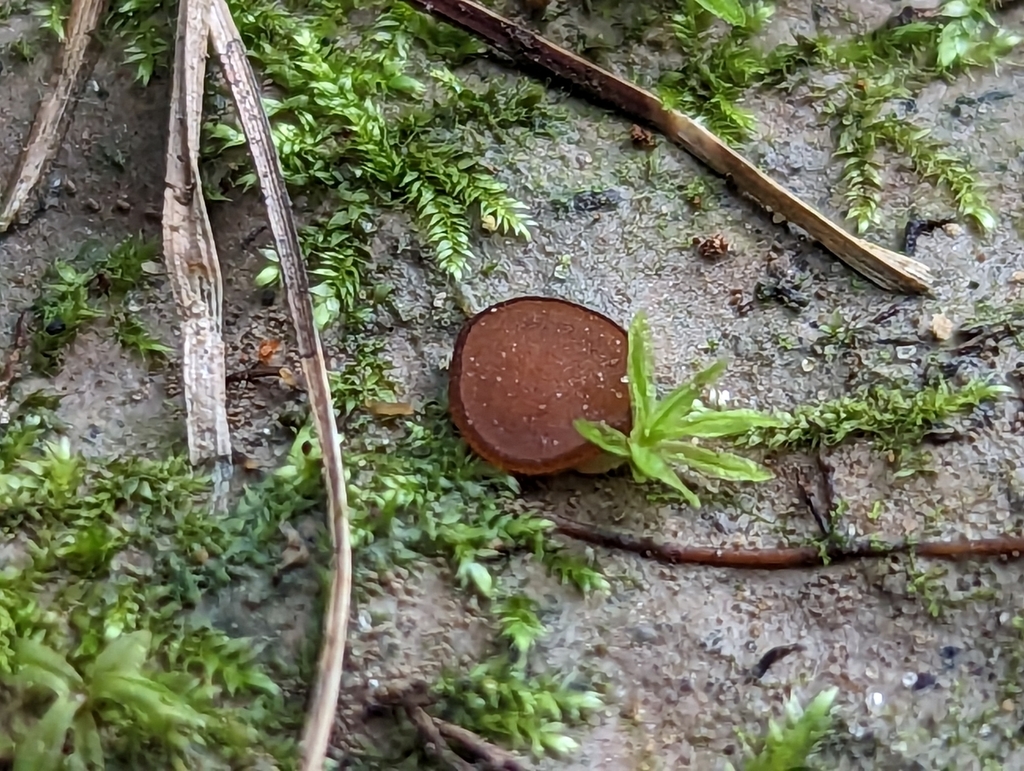
Sphaerosporella
Sphaerosporella is a genus of fungi in the family Pyronemataceae.
Thecotheus
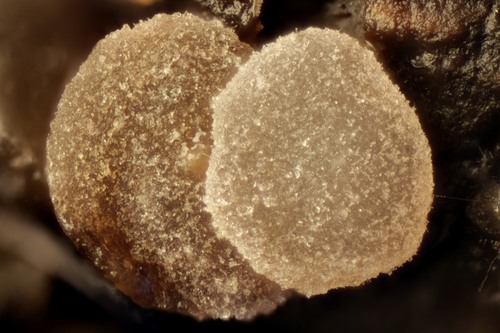
Thecotheus is a genus of fungi in the Ascobolaceae family. The genus has a widespread distribution, especially in temperate areas, and contains 17 species.
Lasiobolus
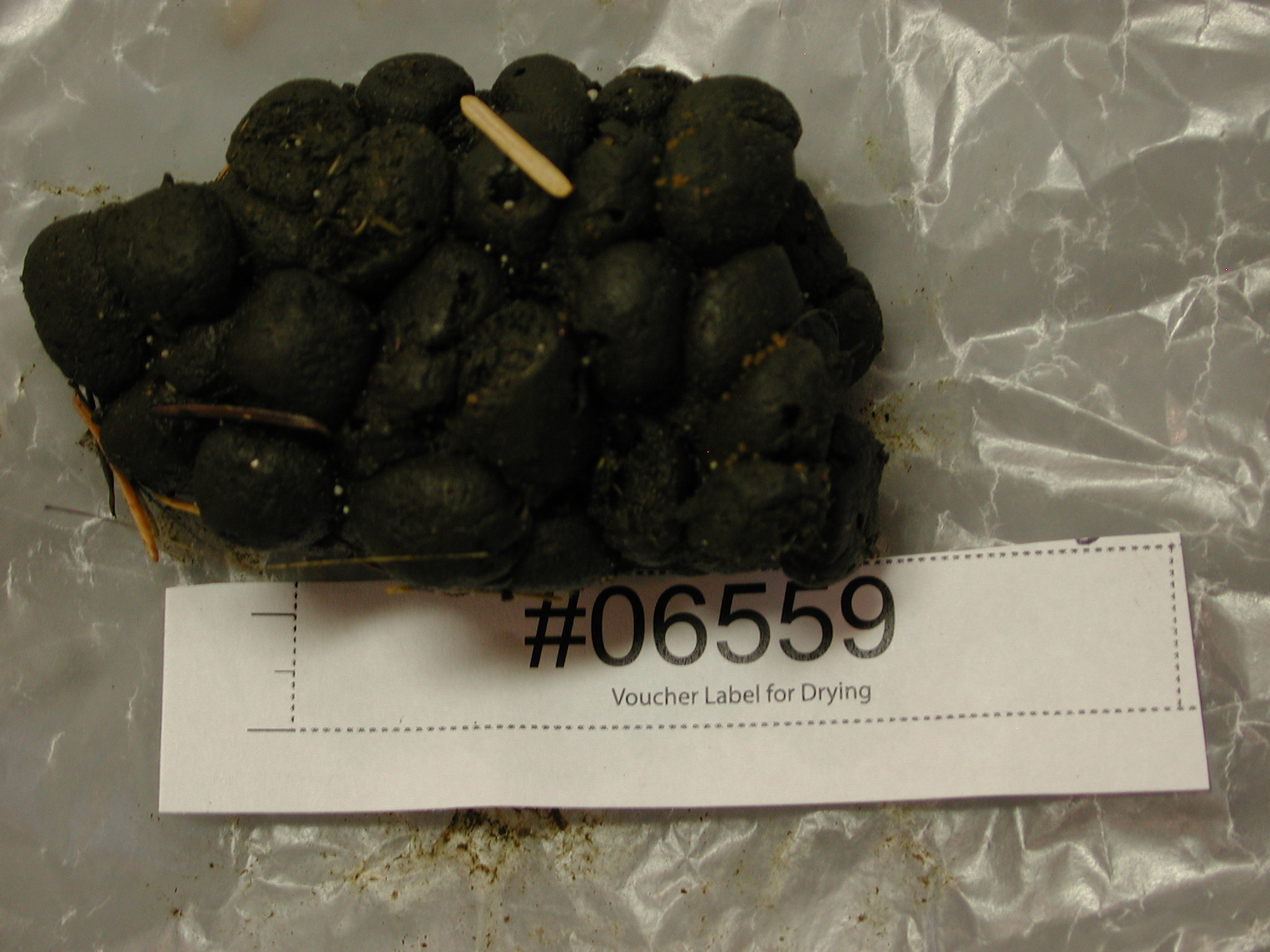
Lasiobolus is a genus of fungi in the family Ascodesmidaceae.
Aleurina
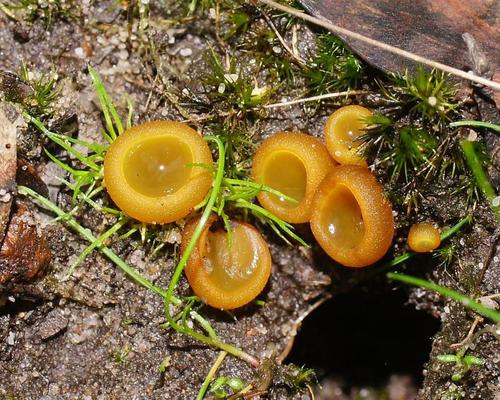
Aleurina is a genus of fungi in the family Pyronemataceae. The genus, which was circumscribed by George Edward Massee in 1898, is synonymous with Jafneadelphus as defined by Mien A. Rifai in 1968. Aleurina is widely distributed and contains 11 species.

Galiella
Galiella is a genus of fungi in the family Sarcosomataceae. The genus is widely distributed in northern temperate regions, and according to one estimate, contains eight species.
Iodophanus
Iodophanus is a genus of fungi within the Pezizaceae family.
Hiemsia
Hiemsia is a genus of fungi in the family Pyronemataceae.
Aparaphysaria
Aparaphysaria is a genus of fungi in the family Pyronemataceae.
Nothojafnea
Nothojafnea is a genus of two species of cup fungi. It was originally described by Indonesian mycologist Mien Achmad Rifai in 1968 to contain the type species Nothojafnea cryptotricha, found in Australia. N. thaxteri, known from Chile and Argentina, was added to the genus in 1971. Both species are thought to be ectomycorrhizal; N. cryptotricha associates with Myrtaceae, while N. thaxteri is found with Nothofagus.

Cubonia
Cubonia is a genus of fungi in the Ascobolaceae family. The genus contains three species found in Europe.