Category
page 1Phaseoleae
soybean
The soybean, soy bean, or soya bean (Glycine max) is a species of legume native to East Asia, widely grown for its edible bean. Soy is a staple crop, the world's most grown legume, and an important animal feed.

Cajanus cajan
species of plant

Phaseolus
Phaseolus (bean, wild bean) is a genus of herbaceous to woody annual and perennial vines in the family Fabaceae containing about 70 plant species, all native to the Americas, primarily Mesoamerica.

Pachyrhizus erosus
species of plant

Butea monosperma
species of plant
%20Sweet%2C%201804.jpg)
Lablab purpureus
thumb|Lablab purpureus, illustration from the Japanese agricultural encyclopedia Seikei Zusetsu (1804)Lablab purpureus is a species of bean in the family Fabaceae. It is native to sub-Saharan Africa and it is cultivated throughout the tropics for food. English language common names include hyacinth bean, lablab-bean bonavist bean/pea, dolichos bean, seim or sem bean, lablab bean, Egyptian kidney bean, Indian bean, bataw and Australian pea. Lablab is a monotypic genus.

Glycine
genus of plants

Psophocarpus tetragonolobus
species of plant, Winged bean
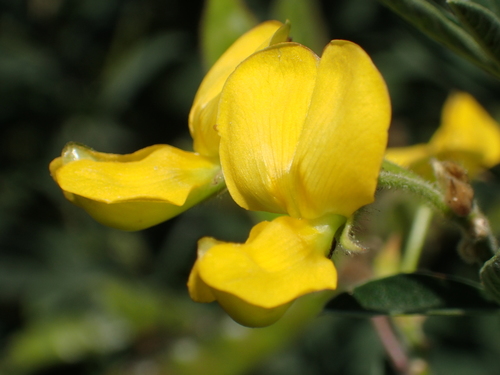
Cajanus
The genus Cajanus is a member of the plant family Fabaceae. There are 37 species, mainly distributed across Africa, Asia and Australasia.

Strongylodon macrobotrys
species of plant
Phaseoleae
The plant tribe Phaseoleae is one of the subdivisions of the legume subfamily Faboideae, in the unranked NPAAA clade. This group includes many of the beans cultivated for human and animal food, most importantly from the genera Glycine, Phaseolus, and Vigna.
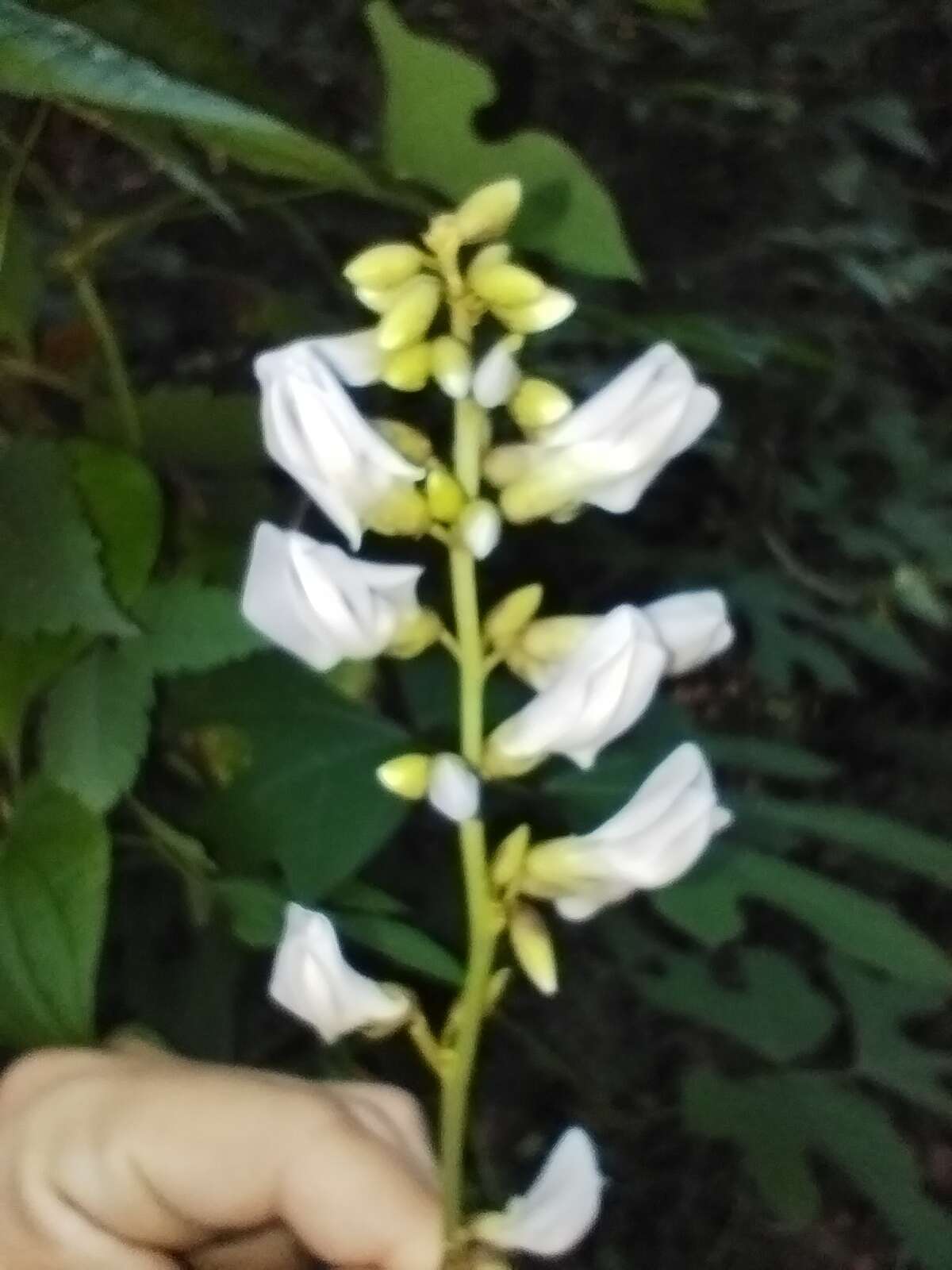
Pachyrhizus
Pachyrhizus is a genus of flowering plants in the legume family, Fabaceae. It includes five or species of herbs and subshrubs native to the tropical and subtropical Americas, ranging from northern Mexico to northwestern Argentina. Typical habitat is seasonally-dry tropical forest and thicket, often at forest margins, in scrub vegetation, and in open grassy areas. Plants in the genus grow from large, often edible taproots.
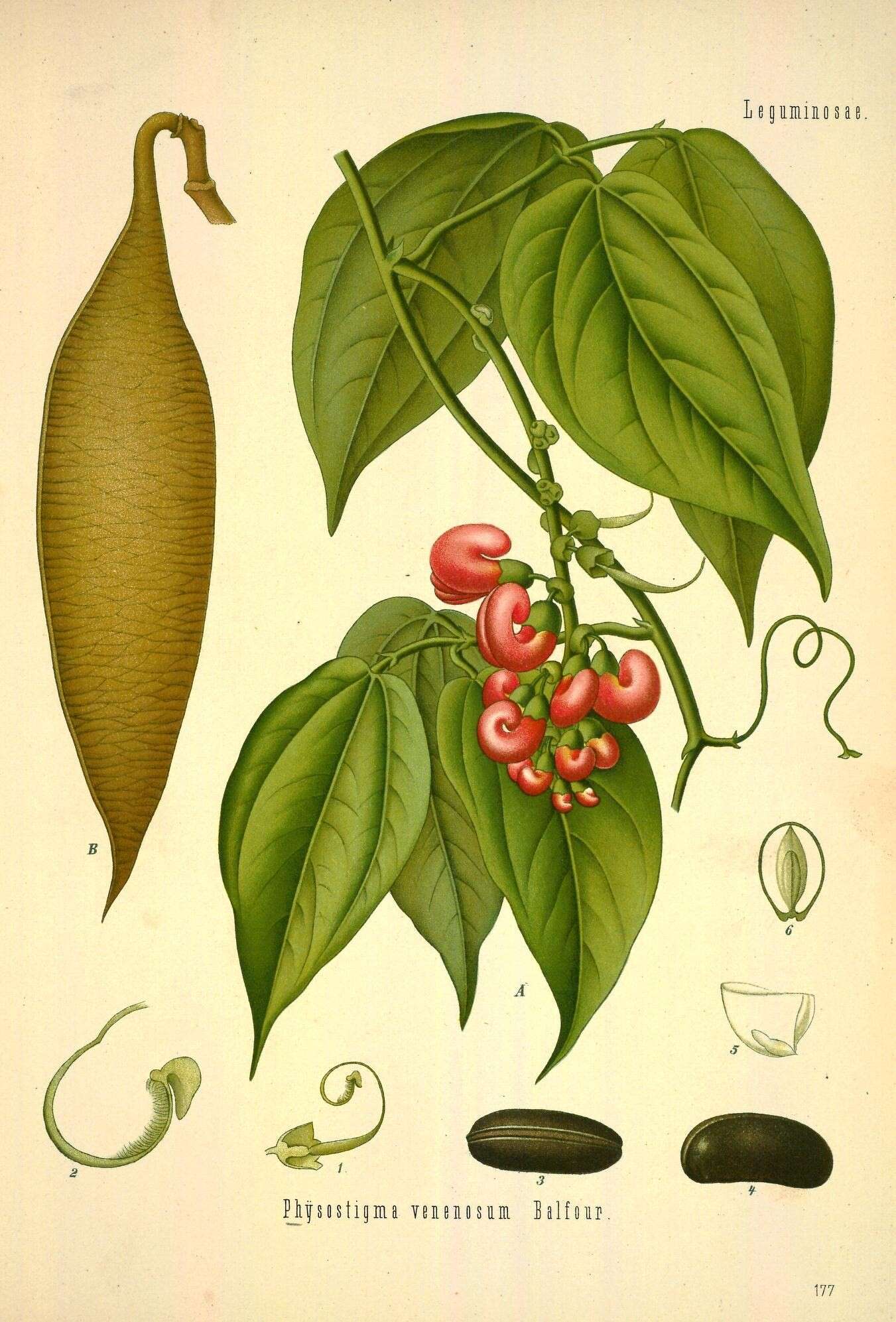
Physostigma venenosum
species of plant, Calabar bean

Apios
Apios is a genus of flowering plants in the family Fabaceae. It belongs to the subfamily Faboideae. It contains seven species of perennial climbing herbs or scandent shrubs. Several members of this genus are known to have edible, tuberous roots.
%20fruits%20at%20Canopy%20W2%20IMG%207498.jpg)
Butea
thumb|250px|Butea monosperma seed pods
Butea is a genus of flowering plants belonging to the pea family, Fabaceae. It includes five species native to the Indian Subcontinent, Indochina, Tibet, and southern China. It is sometimes considered to have only two species, B. monosperma and B. superba, or is expanded to include four or five.
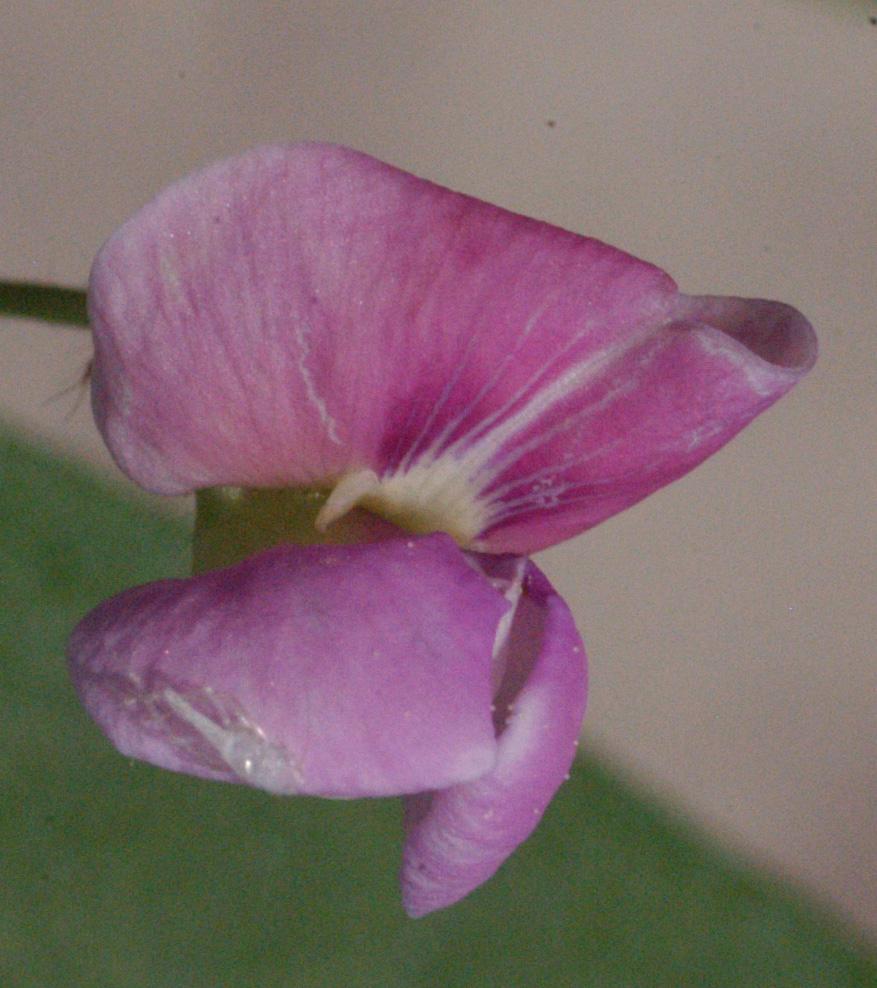
Dolichos
genus of plants
Flemingia
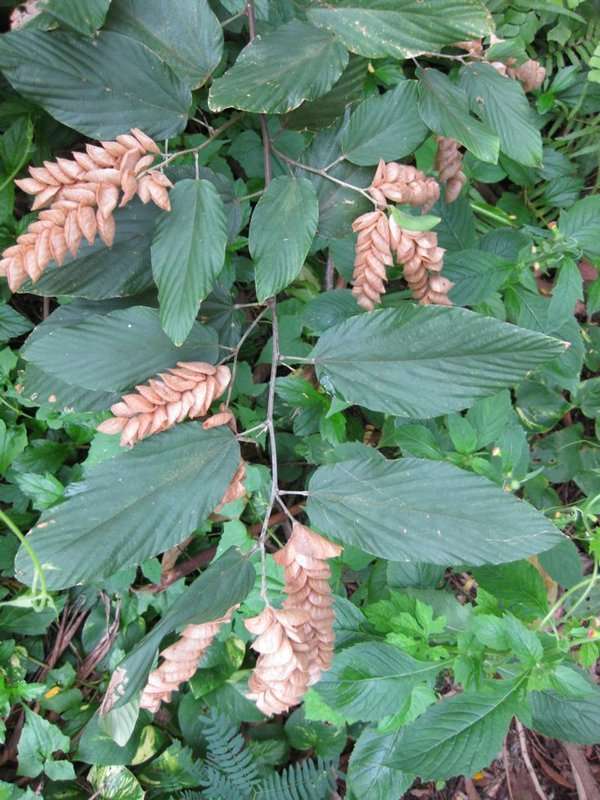
Flemingia is a genus of plants in the family Fabaceae. It is native sub-Saharan Africa, Yemen, tropical Asia, and Australasia. In Asia the species are distributed in Bhutan, Burma, China, India; Indonesia, Laos, Malaysia, Nepal, Pakistan, Papua New Guinea, Philippines, Sri Lanka, Taiwan, Thailand and Vietnam. The genus was erected in 1812.

Apios americana
species of plant
Physostigma
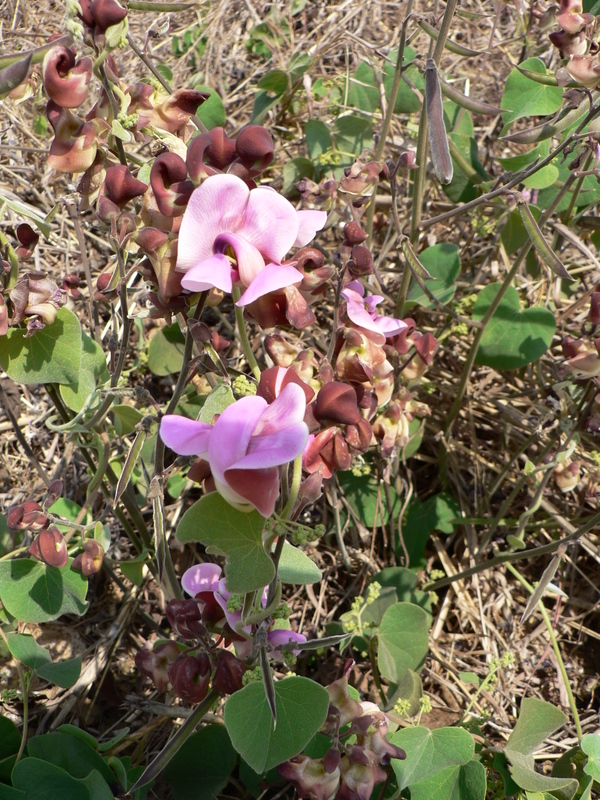
Physostigma is a genus of flowering plants in the family Fabaceae. It includes five species of erect or climbing herbs and subshrubs native to sub-Saharan Africa. They grow in tropical swamp and riverine vegetation and seasonally-dry forest, open woodland, and grassland in the Guineo-Congolian and Zambezian regions. The genus belongs to subfamily Faboideae.
Amphicarpaea
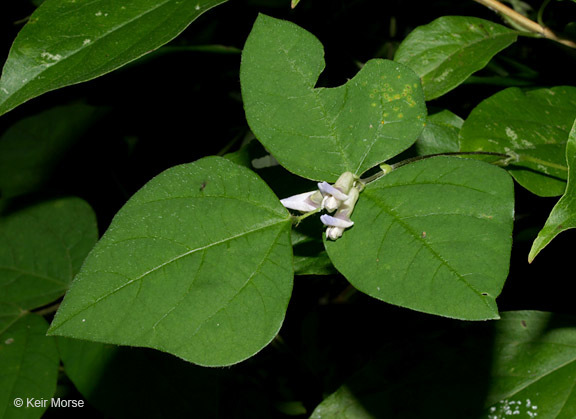
Amphicarpaea, commonly known as hogpeanut, is a genus of flowering plants in the legume family, Fabaceae. It includes three species native to eastern North America and southern, southeastern, and eastern Asia. It belongs to the subfamily Faboideae.
Centrosema
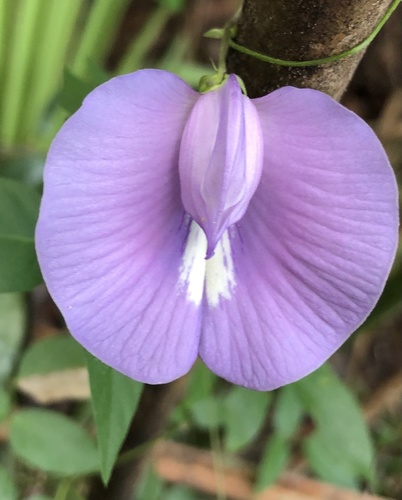
Centrosema, the butterfly peas, is a genus of (mainly tropical) American vines in the legume family (Fabaceae). It includes 44 species, which range through the tropical and warm-temperate Americas from the southern United States to northern Argentina. Species include:

Pachyrhizus ahipa
species of plant

Butea superba
species of plant
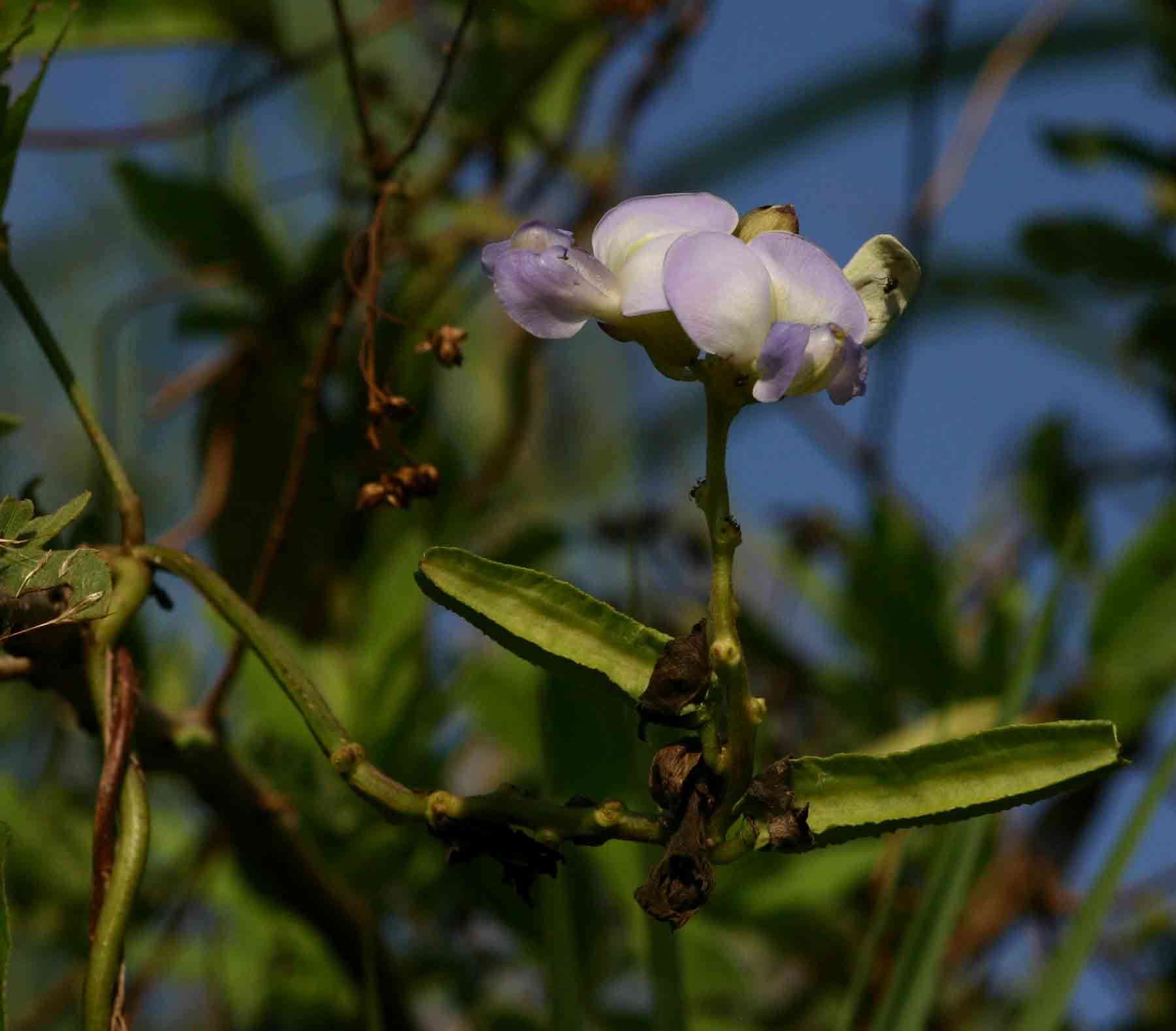
Psophocarpus
Psophocarpus is a genus of flowering plants in the legume family, Fabaceae. It includes nine species of climbing herbs or subshrubs native to tropical Africa. Typical habitats include seasonally-dry tropical forest and forest margins, moist wooded grassland and grassland, thicket, swamp, and secondary vegetation. It belongs to subfamily Faboideae.
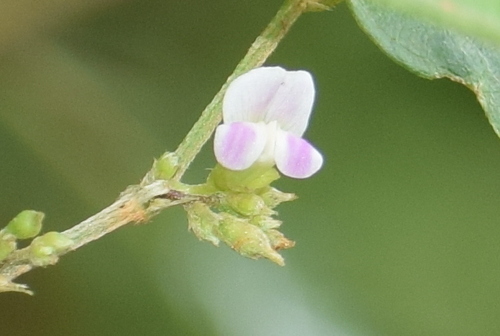
Teramnus
Teramnus is a genus of flowering plants in the legume family, Fabaceae. It includes eight species of climbing herbs and subshrubs native to the tropics of the Americas, sub-Saharan Africa, the Arabian Peninsula, the Indian Subcontinent, Indochina, Hainan, Taiwan, and New Guinea. Typical habitats are seasonally-dry tropical bushland and thicket, grassland, wooded grassland, and forest clearings, often in open and dry rocky areas.
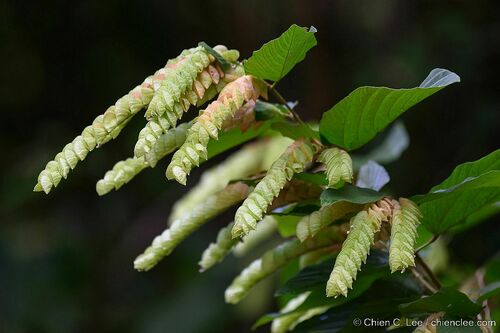
Flemingia strobilifera
species of plant

Strongylodon
Strongylodon is a genus of flowering plants in the legume family, Fabaceae. It includes 16 species of lianas native to the western Pacific, from the Philippines and Sulawesi to New Guinea, Queensland, and the south Pacific, and to Madagascar, Réunion, and the Comoro and Andaman Islands in the Indian Ocean. Typical habitats are tropical rain forest, thicket, or secondary vegetation, often in wetlands and near water. Some species can grow up to 40 meters long. The genus belongs to the subfamily Faboideae. The most well-known species in the genus is Strongylodon macrobotrys, also known as jade vi
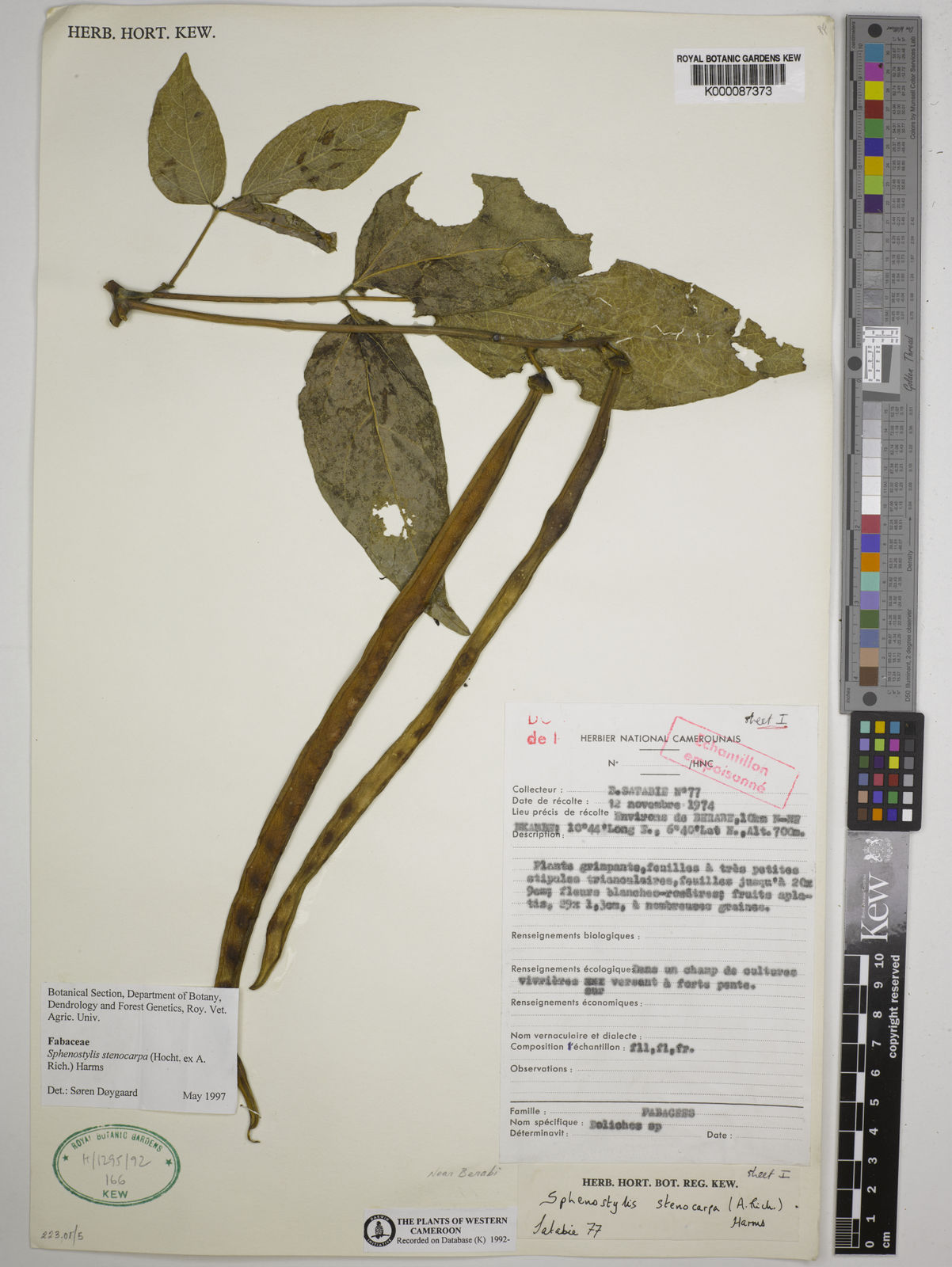
Sphenostylis stenocarpa
species of plant
Macroptilium
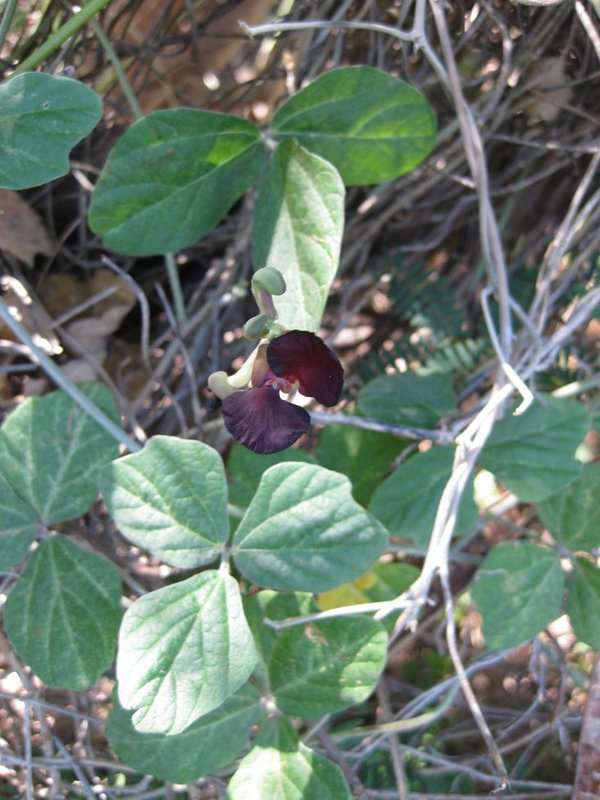
Macroptilium is a genus of flowering plants in the legume family, Fabaceae. It belongs to the subfamily Faboideae.

Hardenbergia
Hardenbergia is a genus of three species of flowering plants in the pea family, Fabaceae and is endemic to Australia. Plants in this genus are climbing or trailing herbs or subshrubs with pinnate leaves with one, three or five leaflets and groups of violet, white or pinkish flowers in pairs or small clusters in leaf axils. Species of Hardenbergia occur in all Australian states and in the Australian Capital Territory.
Calopogonium
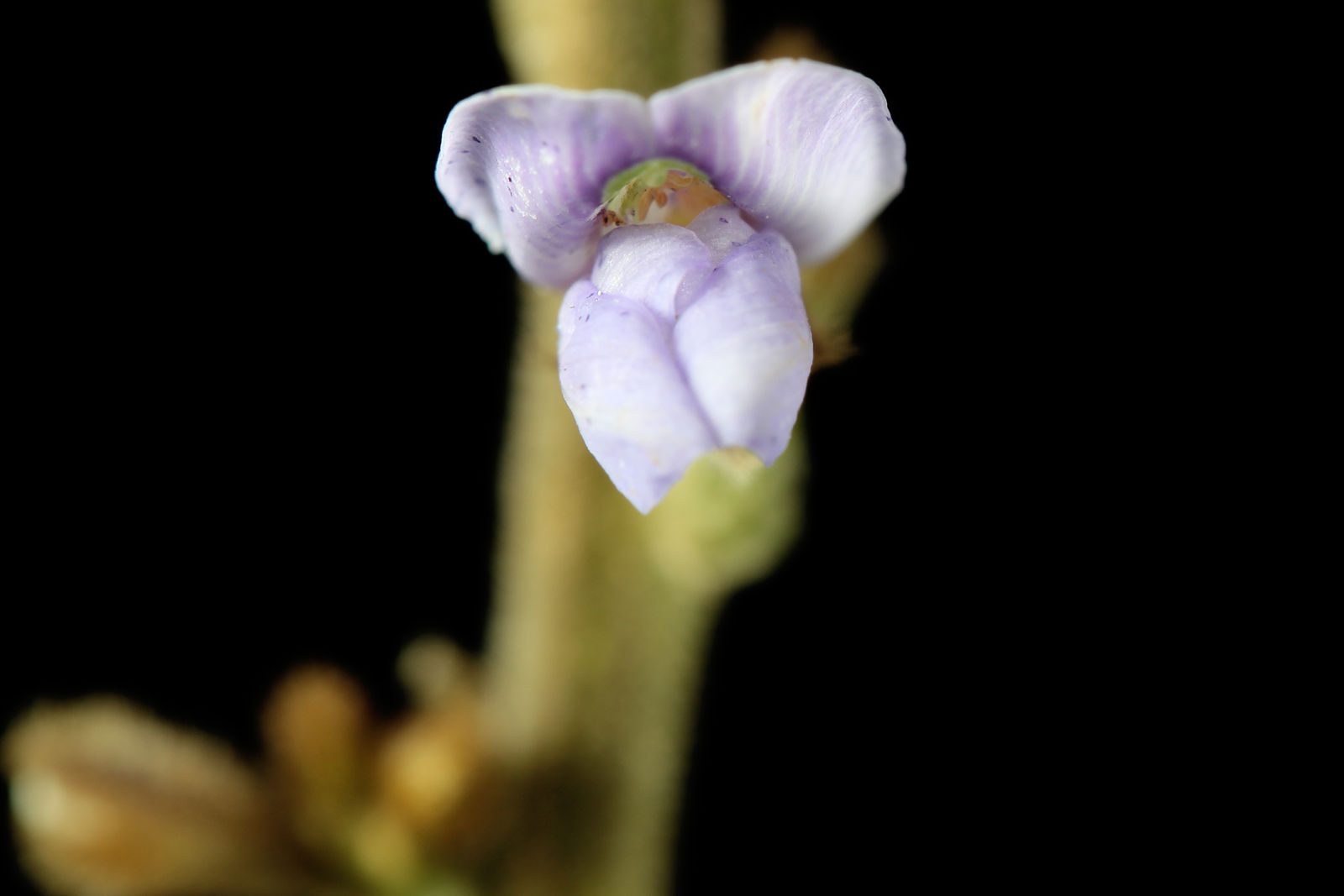
Calopogonium is a genus of flowering plants in the legume family, Fabaceae. It includes eight species, which range through the tropical Americas from Mexico through Central America, the Caribbean, and northern South America to northeastern Argentina. It belongs to the subfamily Faboideae.
Neonotonia
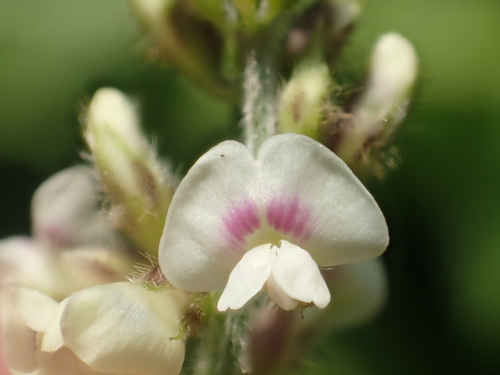
Neonotonia is a genus of flowering plants in the legume family, Fabaceae. It includes two species of scandent or climbing herbs native to sub-Saharan Africa, Yemen, India, and Sri Lanka. Typical habitats include seasonally-dry tropical forest, woodland, thicket, scrub, wooded grassland, grassland, and cultivated areas. It belongs to the subfamily Faboideae.
Eriosema
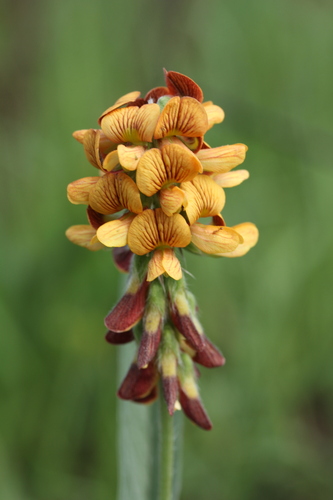
Eriosema is a genus of flowering plants in the family Fabaceae. Accepted species number over 150. The genus is widespread in tropics.
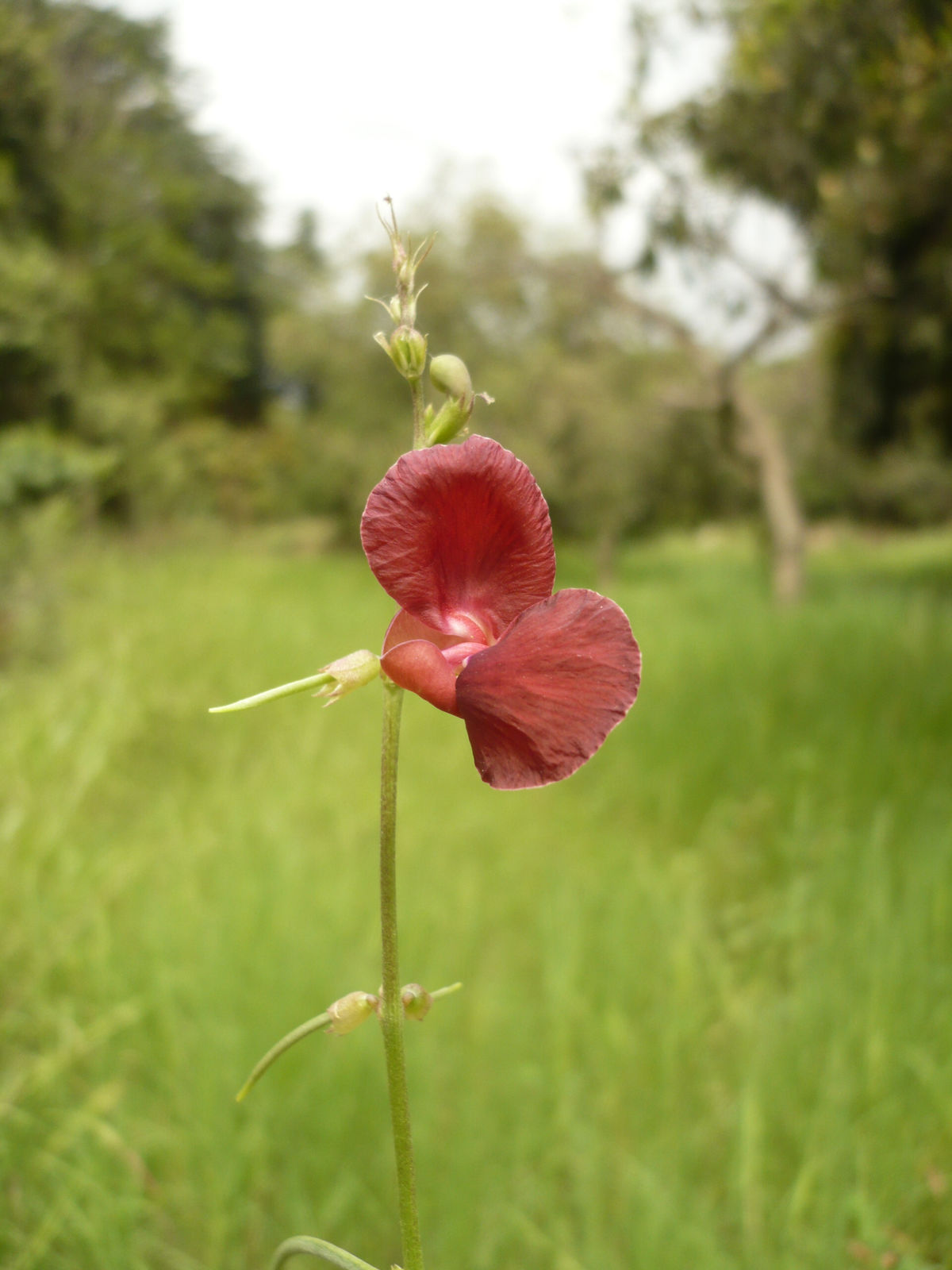
Macroptilium lathyroides
species of plant

Nogra
Nogra is a genus of flowering plants in the legume family, Fabaceae. It includes four species of herbs native to Asia, ranging from India to Myanmar, Thailand, Laos, and southern China. They typically grow in seasonally-dry tropical forest, often in open grassy areas. The genus belongs to subfamily Faboideae.

Spatholobus
Spatholobus is a genus of flowering plants in the legume family Fabaceae. It includes 35 species of lianas which range from the Indian subcontinent to Indochina, southern China, and western Malesia (Peninsular Malaysia, Sumatra, Java, Borneo, and the Philippines). It grows in seasonally-dry to evergreen tropical forest and thicket, often on rocky slopes and in disturbed areas. It belongs to subfamily Faboideae.
Spatholobus acuminatus
Spatholobus albus
Spatholobus apoensis
Spatholobus auricomus
Spatholobus auritus
Spatholobus biauritus
Spatholobus bracteolatus
Spatholobus crassifolius
S

Neonotonia wightii
species of plant

Alistilus
Alistilus is a genus of flowering plants in the legume family, Fabaceae. It belongs to the subfamily Faboideae. It includes three species native to southern Africa and Madagascar.
Alistilus bechuanicus – Namibia, Botswana, South Africa (Northern Provinces)
Alistilus jumellei – south-central and southern Madagascar
Alistilus magnificus – south-central Madagascar

Centrosema pubescens
species of plant
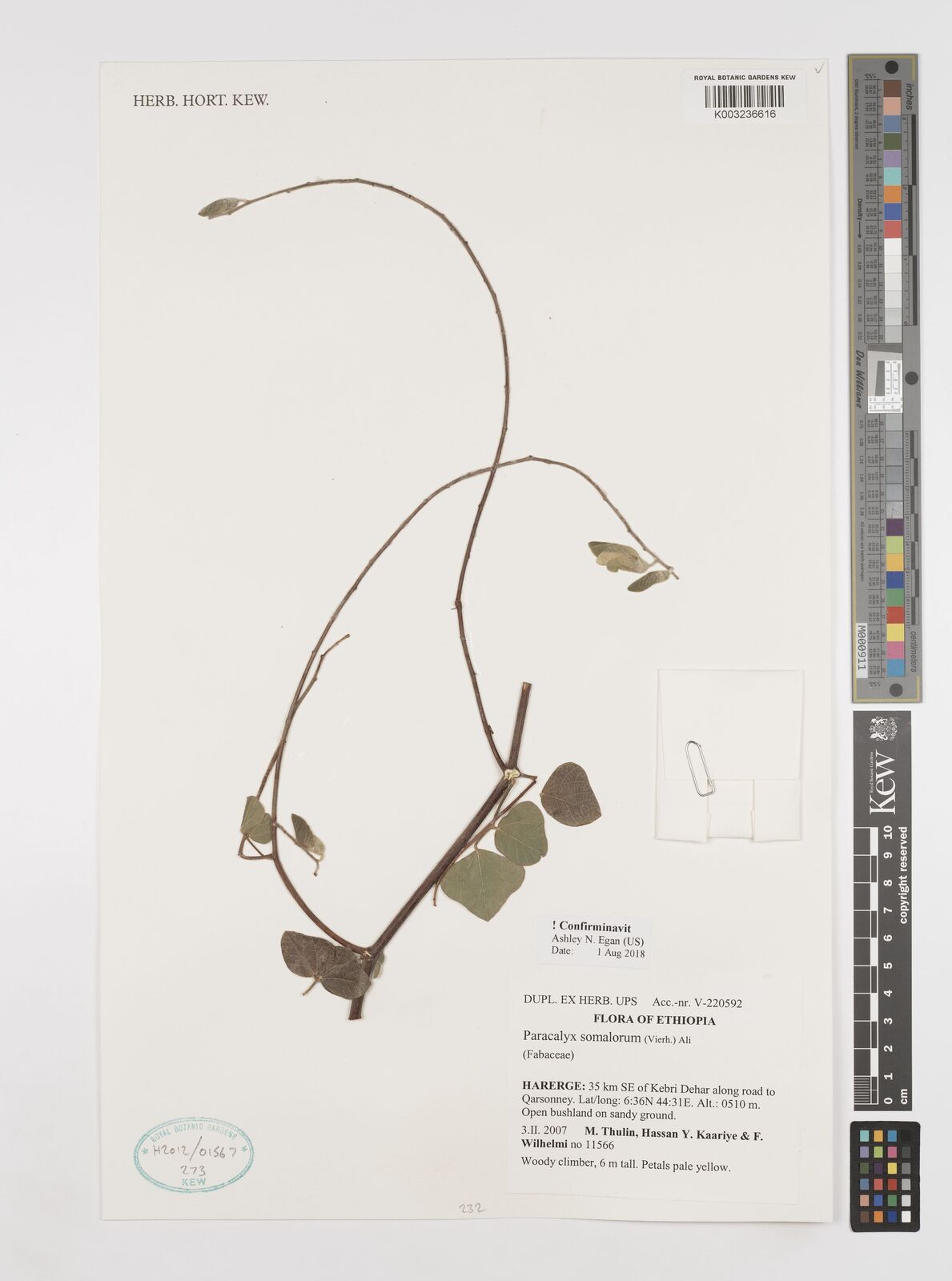
Paracalyx
Paracalyx is a genus of flowering plants in the legume family, Fabaceae. It includes five species of herbs native to northeastern Africa (Ethiopia and Somalia) and Socotra, and the Indian subcontinent and Indochina. Typical habitats are seasonally-dry tropical forest, woodland, thicket, bushland and scrub, often along watercourses and in rocky areas.

Ophrestia
Ophrestia is a genus of flowering plants in the family Fabaceae. It belongs to the subfamily Faboideae. It includes 14 species native to tropical and southern Africa, Madagascar, and India. At least six species have been described from Zambia.
Ophrestia antsingyensis
Ophrestia breviracemosa
Ophrestia digitata
Ophrestia hedysaroides
Ophrestia humbertii
Ophrestia lyallii
Ophrestia madagascariensis
Ophrestia oblongifolia
Ophrestia pentaphylla
Ophrestia radicosa
Ophrestia torrei
Ophrestia unicostata
Ophrestia unifoliolata
Ophrestia upembae
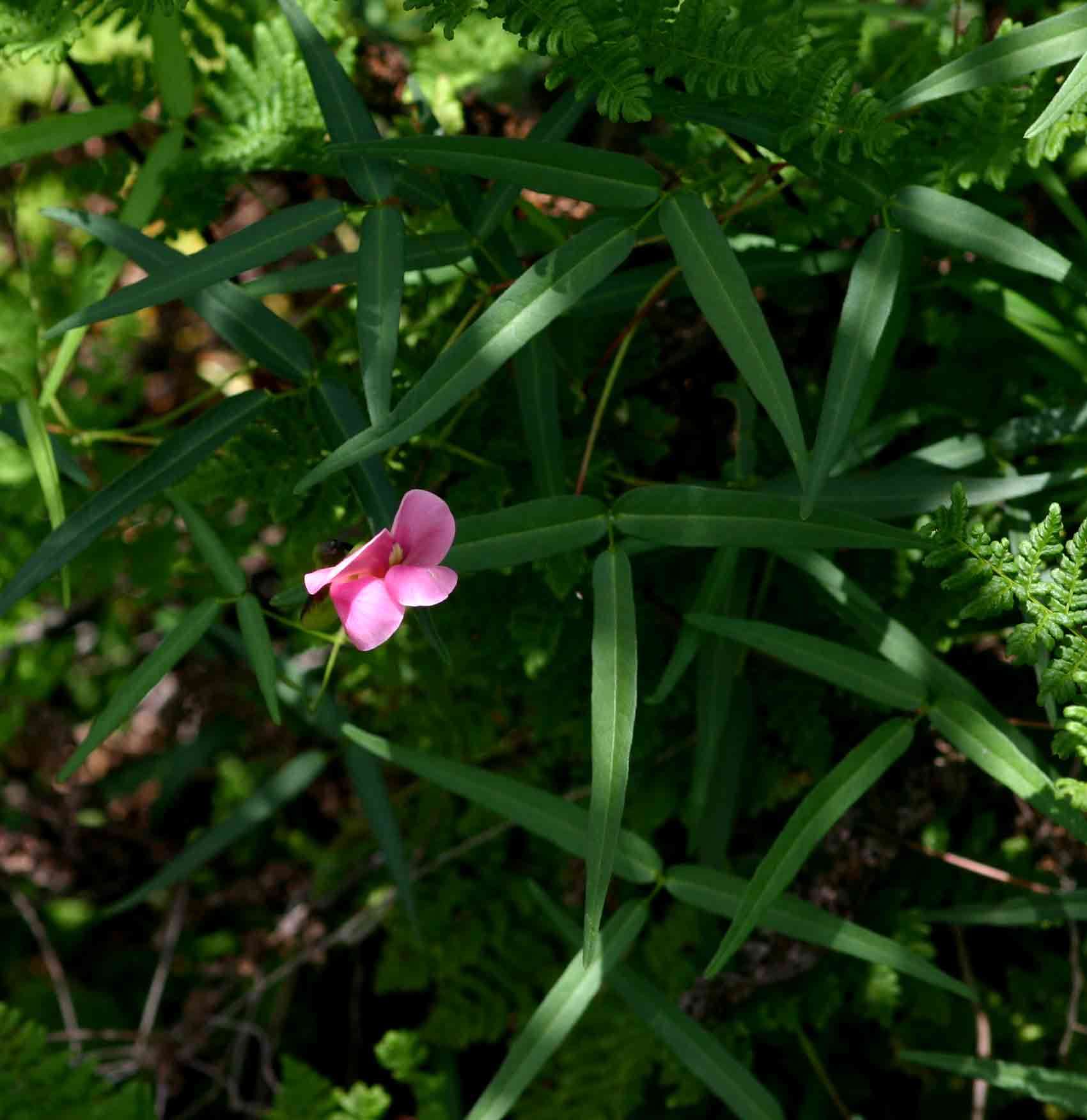
Sphenostylis
Sphenostylis is a genus of flowering plants in the legume family, Fabaceae. It includes seven species of prostrate, climbing or erect herbs or subshrubs. They are native to sub-Saharan Africa, where they grow in seasonally-dry tropical and subtropical open forest, woodland, bushland and thicket, wooded grassland, and grassland, mainly in the Zambezian and Sudanian regions. It belongs to the subfamily Faboideae. Sphenostylis contains several species useful as food sources including Sphenostylis stenocarpa. Sphenostylis stenocarpa is characterized by its fruit (legume) and stipulated leaves.

Flemingia macrophylla
species of plant
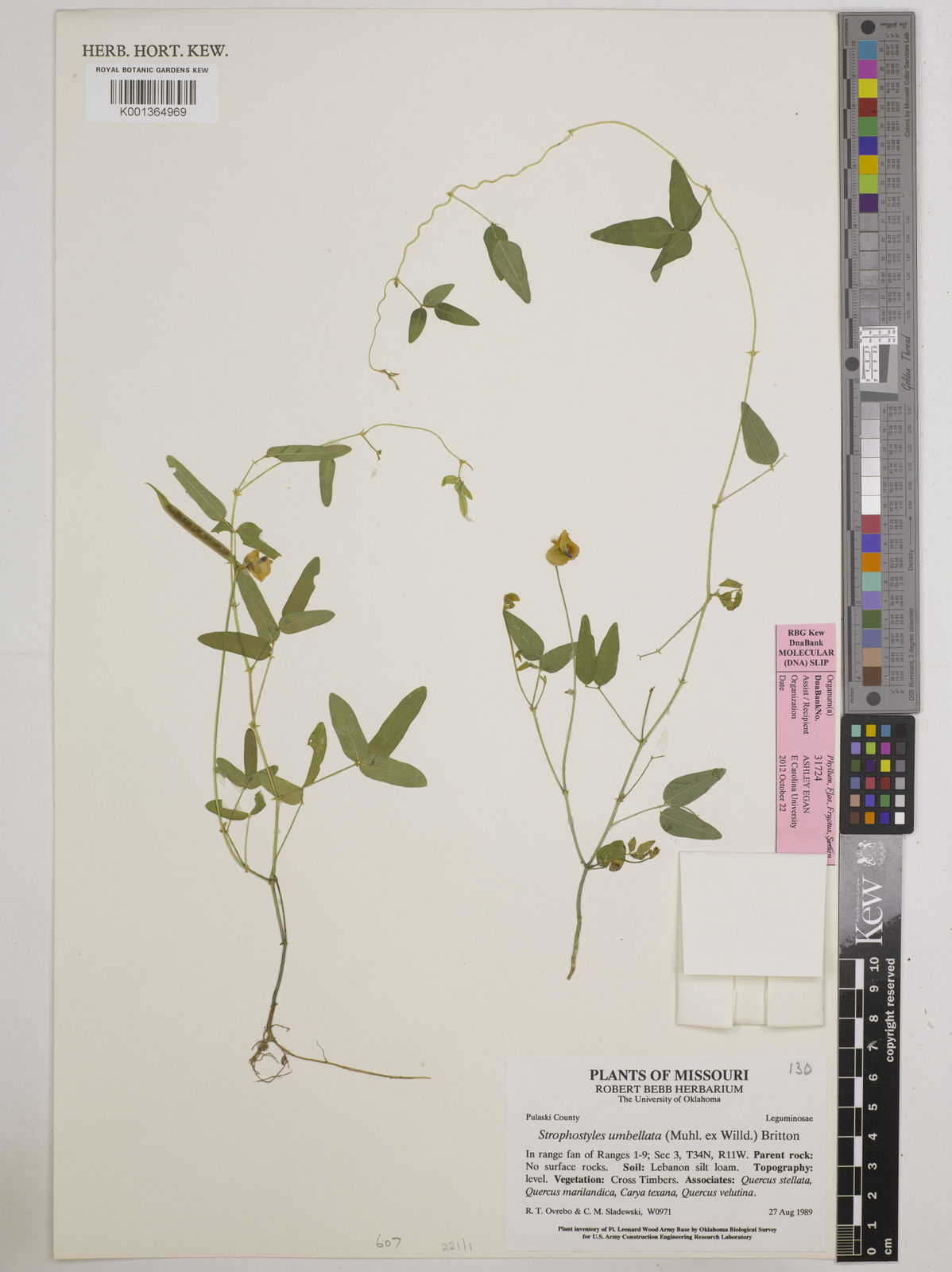
Strophostyles
Strophostyles is monophyletic three-species genus of flowering plants in the family Fabaceae, subfamily Faboideae. Common names for the genus include wild bean and fuzzybean (due to their pubescent pods and seed coverings). It consists of annual and perennial herbaceous vines, ranging in their native distribution from Nevada, east to Florida, and north to the Great Lakes and eastern Canada. The etymology of the name is strophe (turning) + stylos (style), referring to the curve of the style within the keel petal.

Decorsea
Decorsea is a genus of legume in the family Fabaceae. It comprises six species indigenous to East and Southern Africa, spanning from Tanzania to Namibia and South Africa, including Madagascar.

Apios fortunei
species of plant

Dysolobium
Dysolobium is a genus of flowering plants in the legume family, Fabaceae. It belongs to the subfamily Faboideae. It includes five species native to tropical Asia, ranging from the Himalayas through Indochina to southern China, Taiwan, the Philippines, Peninsular Malaysia, and Java. These plants are typically twining shrubs or woody vines, often found in wet tropical biomes, thriving in humid forests and along riverbanks.
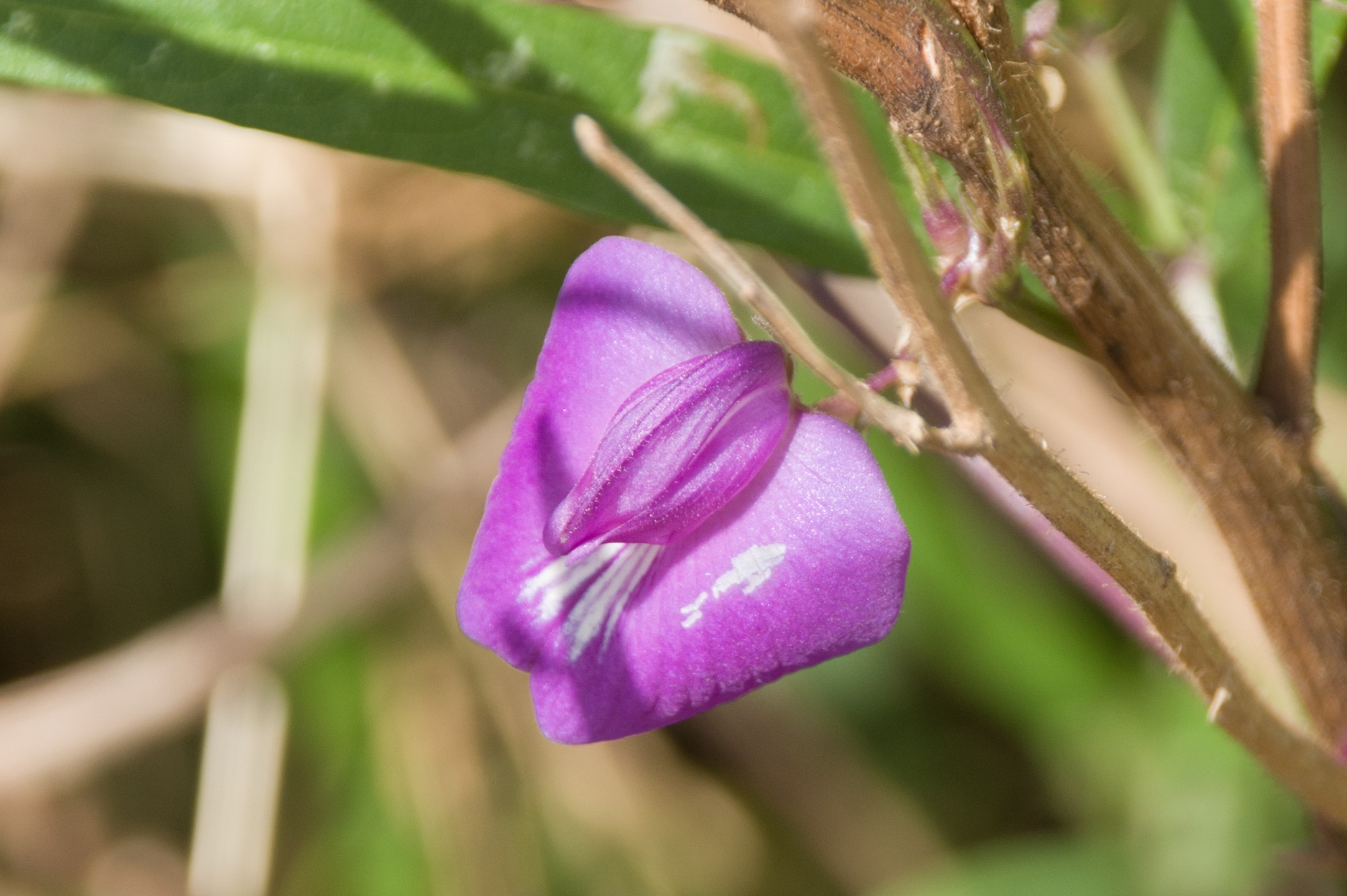
Centrosema virginianum
species of plant

Periandra
Periandra is a genus of flowering plants in the legume family Fabaceae. It includes seven species native to the tropical Americas, including Brazil, Bolivia, and the Dominican Republic. The genus belongs to subfamily Faboideae.
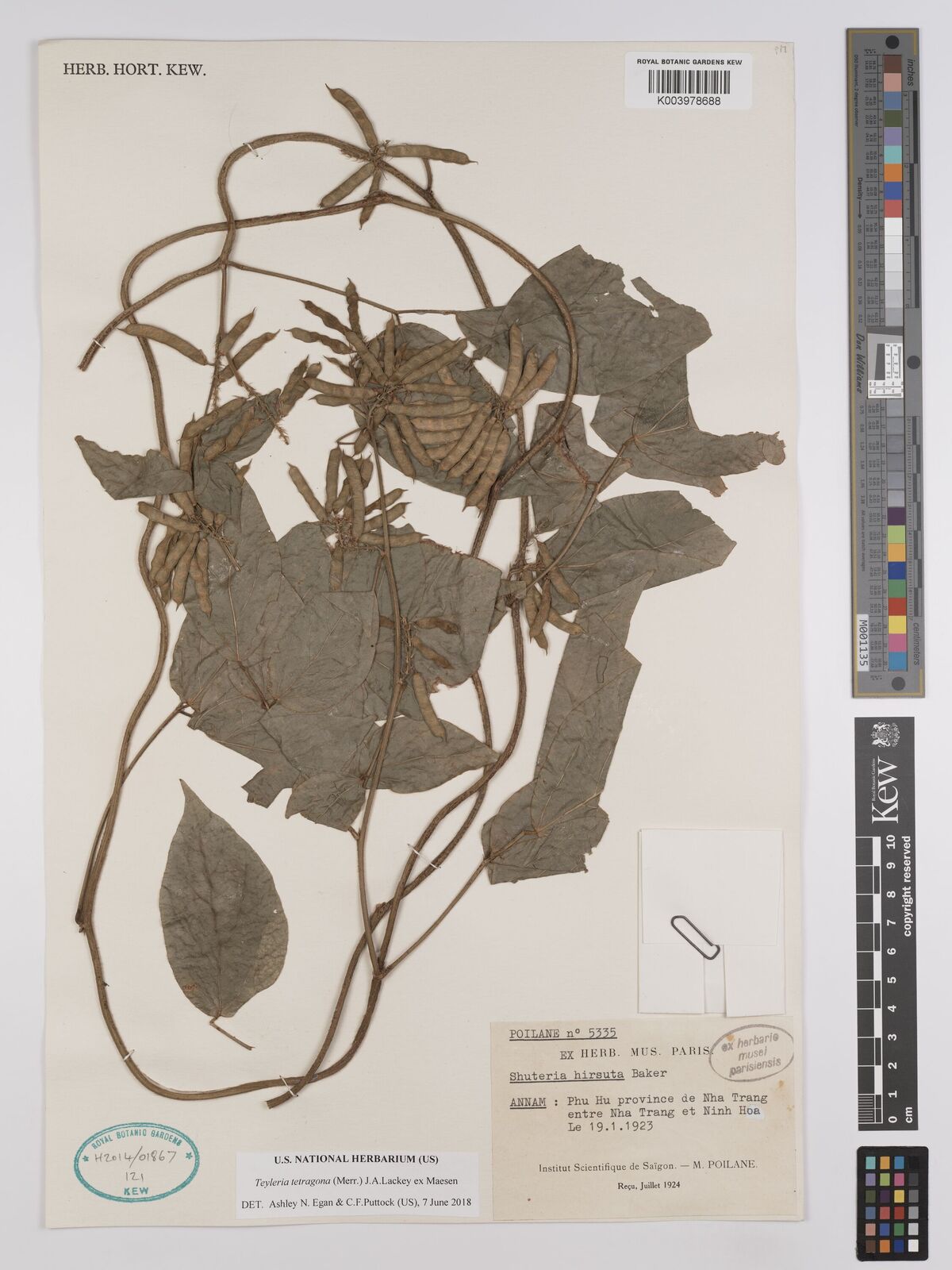
Teyleria
Teyleria is a genus of flowering plants in the legume family, Fabaceae. It includes three species of twining herbs native to Indochina, southern China, Hainan, the Philippines, Java, and the Lesser Sunda Islands. Typical habitat is seasonally-dry tropical forest, often on hillsides. It belongs to subfamily Faboideae.

Phylacium
Phylacium is a genus of flowering plants in the legume family, Fabaceae. It includes two species of climbing herbs which range from southern China through Indochina, Malesia, and Papuasia to Queensland. Typical habitats include seasonally-dry tropical forest, thicket, wooded grassland, and scrub, often in disturbed areas. It belongs to subfamily Faboideae.
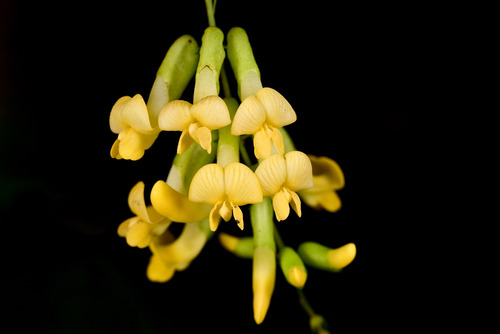
Dumasia
Dumasia is a genus of flowering plants in the legume family, Fabaceae. It belongs to the subfamily Faboideae. It includes ten species which range from sub-Saharan Africa to the Indian subcontinent, Indochina, China, Korea, Japan, Malesia, and New Guinea.
Dumasia cordifolia
Dumasia forrestii
Dumasia henryi
Dumasia hirsuta
Dumasia kurziana
Dumasia prazeri
Dumasia truncata
Dumasia villosa
Dumasia yunnanensis
Dumasia zhangjiajieensis

Cologania
Cologania is a genus of flowering plants in the legume family, Fabaceae. It belongs to subfamily Faboideae. It includes 13 species of perennial climbing herbs which range from the southwestern United States through Mexico, Central America, and western (Andean) South America to northern Argentina. Most species are montane, and habitats include tropical to warm temperate montane forest, woodland, thicket, wooded grassland, and open bushland on mountain slopes.
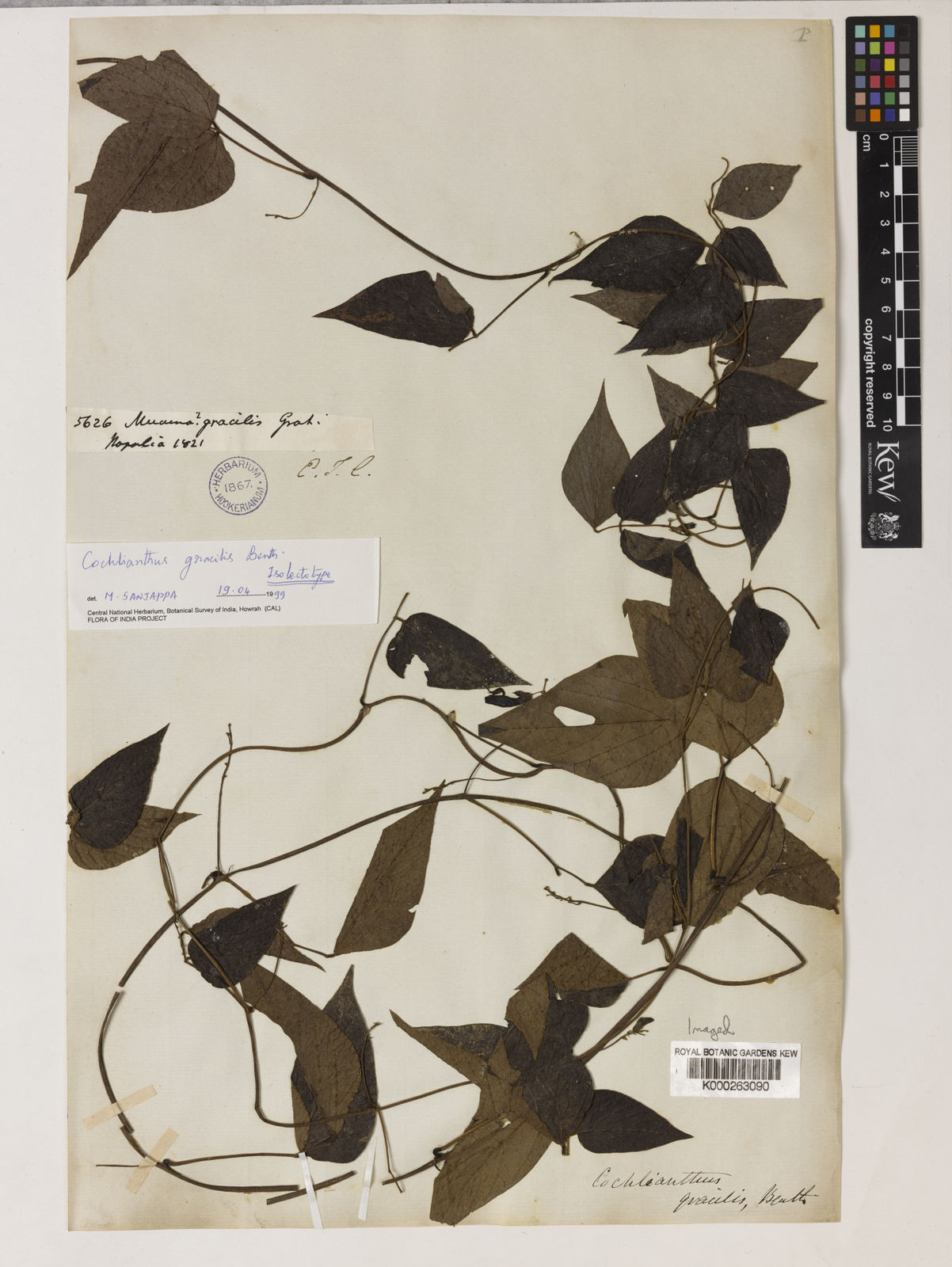
Cochlianthus
Cochlianthus is a genus of flowering plants in the family Fabaceae. It belongs to subfamily Faboideae.
It contains two species, native to the central and eastern Himalayas, Tibet, and south-central China.
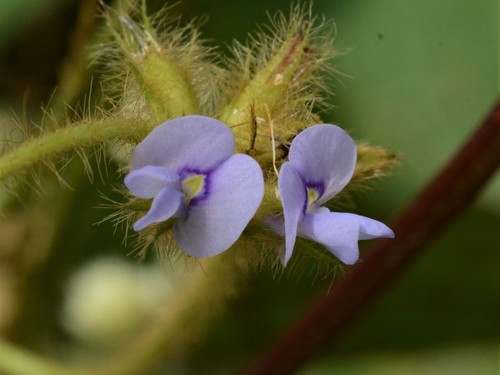
Calopogonium mucunoides
species of plant

Sinodolichos
Sinodolichos is a genus of flowering plants in the legume family, Fabaceae. It includes two species native to southern China, Assam, Myanmar, Thailand, Vietnam, and Borneo. It belongs to subfamily Faboideae.
Amphicarpaea bracteata
species of plant

Dunbaria
Dunbaria is a genus of flowering plants in the family Fabaceae. It belongs to the subfamily Faboideae. It includes 19 species which range from India to Indochina, China, Korea, Japan, Malesia, New Guinea, and northern Australia.
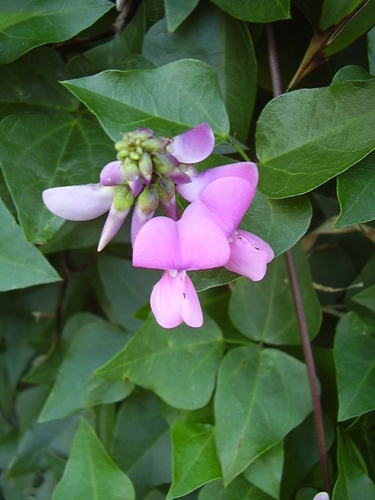
Dipogon lignosus
species of plant
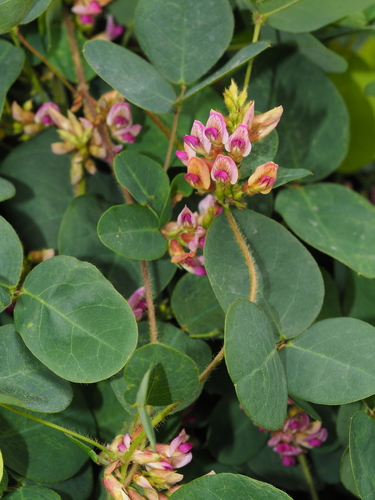
Shuteria
Shuteria is a genus of flowering plants in the family Fabaceae. It includes four species of climbing herbs or lianas which range from the Indian subcontinent through Indochina, southern China, and Malesia to Papuasia. They grow in seasonally-dry tropical and subtropical forest margins, secondary forest, woodland, or scrub, often in open areas and on limestone. It belongs to the subfamily Faboideae. Some species of Shuteria are used in traditional medicines.