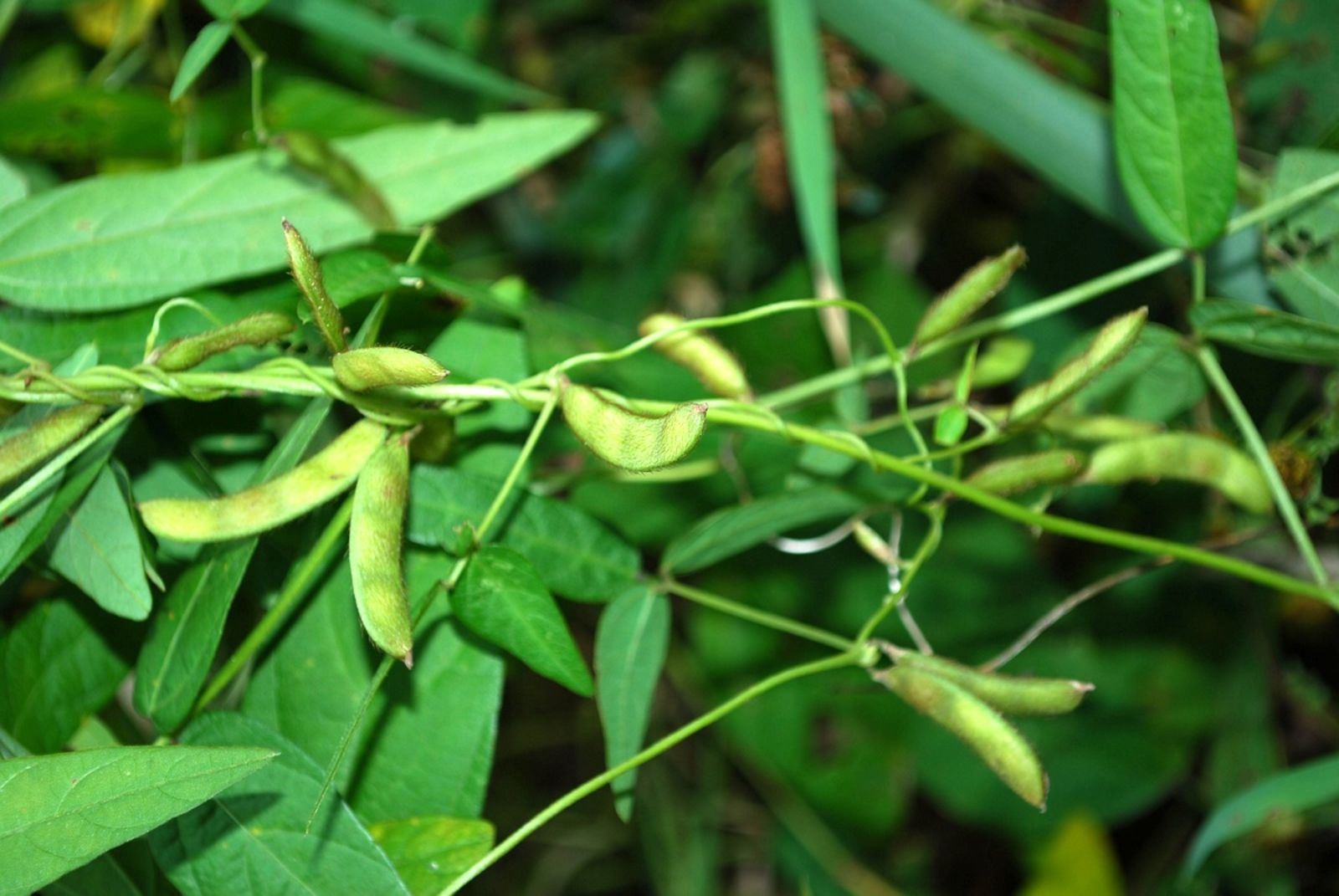
Glycine · Kew POWO · Kew Plants of the World Online
OverviewAI-generated
Glycine is a genus of plants within the family Fabaceae. It belongs to the kingdom Plantae, phylum Tracheophyta, class Magnoliopsida, and order Fabales. The genus is commonly known as soybean. It is distinct from the genus Wisteria.
Records for this taxon are held by institutions including A, MEL, ANSP, and NY. Specimens have been documented in Uganda, Australia, the United States, and Brazil. The genus has 232,439 occurrences and 672 records, with 272 associated media items.
Synthesized by Vinony from 25 facts across 6 sources: Wikidata, GBIF, Gbif Occ, Plants of the World, iDigBio, Vinony graph. Generated from structured data (not the Wikipedia text) and checked against those facts — may still contain errors.
Species
GENUS
- KingdomPlantae
- PhylumTracheophyta
- ClassMagnoliopsida
- OrderFabales
- FamilyFabaceae
via GBIF · Kew POWO
Museum specimens
- Specimen records
- 672
- With media
- 272
- Family
- Fabaceae
- Collections
- A, MEL, ANSP, NY
- Recorded in
- Uganda, Australia, United States, Brazil, Tanzania, Senegal
Wikidata facts
- Instance of
- taxon
- Image
- Soybean.USDA.jpg
Show 7 more facts
- taxon rank
- genus
- Commons category
- Glycine (Fabaceae)
- taxon name
- Glycine
- topic's main category
- Category:Glycine (plant)
- taxon common name
- 大豆属
- different from
- Wisteria
Sources (3)
via Wikidata · CC0
~5 min read
Encyclopedic overview
Glycine is a genus in the bean family Fabaceae. The best known species is the cultivated soybean (Glycine max). While the majority of the species are found only in Australia, the soybean's native range is in East Asia. A few species extend from Australia to East Asia (e.g., G. tomentella and G. tabacina). Glycine species are used as food plants by the larvae of some Lepidoptera species: the engrailed, nutmeg and turnip moths have all been recorded on soybean.
Taxonomy
Excerpted from Wikipedia’s “Glycine” article, available under the CC BY-SA 4.0 licence.