Category
page 1Philosophy books
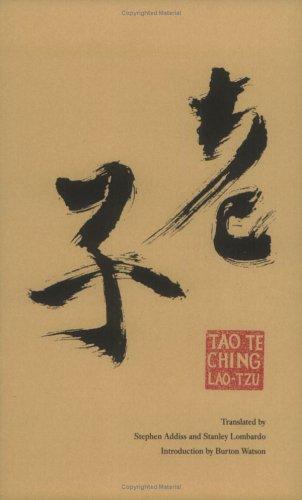
Tao Te Ching
Chinese classic text
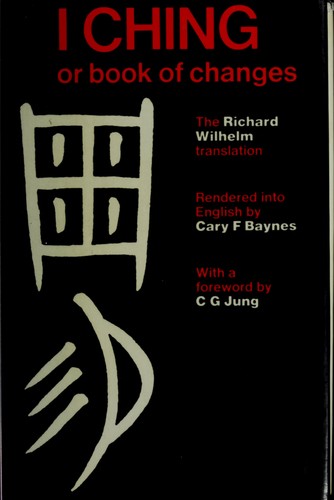
I Ching
ancient Chinese text used for divination

Analects
The Analects, also known as the Sayings of Confucius, is an ancient Chinese philosophical text composed of sayings and ideas attributed to Confucius and his contemporaries, traditionally believed to have been compiled by his followers.

The City of God
book by Augustine of Hippo

Zhuangzi
Chinese Taoist text

The Phenomenology of Spirit
essay by Georg Wilhelm Friedrich Hegel

Great Learning
Chinese classic, preserved as a chapter in the Lijing; consists of a short main text attributed to Confucius and ten commentary chapters attributed to Zengzi

Essays
work by Michel de Montaigne

Human, All Too Human
work by Friedrich Nietzsche

Discipline and Punish
essay by Michel Foucault

Tirukkuṟaḷ
The Tirukkuṟaḷ (), or shortly the Kural (), is a classic Tamil language text on commoner's morality consisting of 1,330 short couplets, or kurals, of seven words each. The text is divided into three books with aphoristic teachings on virtue (aram), wealth (porul) and love (inbam), respectively. It is widely acknowledged for its universality and secular nature. Its authorship is traditionally attributed to Valluvar, also known in full as Thiruvalluvar. The text has been dated variously from 300 BCE to 5th century CE. The traditional accounts describe it as the last work of the third Sangam, but
12 Rules for Life
2018 book by Jordan Peterson

The Order of Things
non-fiction work by Michel Foucault

The Flies
1947 play by Jean-Paul Sartre
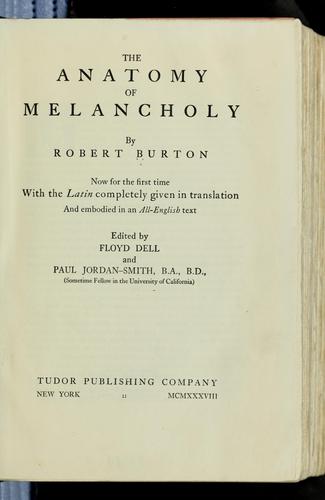
The Anatomy of Melancholy
17th century encyclopedia of physical and psychological data, anecdote and quotation

The Essence of Christianity
book by Ludwig Feuerbach

The Archaeology of Knowledge
non-fiction work by Michel Foucault

Dokkōdō
The Dokkōdō (The Path of Aloneness, The Way to Go Forth Alone, or The Way of Walking Alone) is a short work on philosophy, written by the Japanese swordsman and strategist Miyamoto Musashi a week before he died in 1645. It consists of 21 precepts and was largely composed on the occasion of Musashi giving away his possessions in preparation for death. The work was dedicated to his favorite disciple who took the precepts to heart, Terao Magonojō, and to whom his earlier Go rin no sho (The Book of Five Rings) had been dedicated. Dokkōdō expresses a stringent, honest, and ascetic view of life.
On the Bondage of the Will
book by Martin Luther

On the Universe
work by Pseudo-Aristotle
Huangdi Yinfujing
8th century CE Daoist scripture associated with astrology and internal alchemy
Pure Theory of Law
non-fiction work by Hans Kelsen
Xunzi
book by Xunzi

Yunji Qiqian
anthology of the Taoist Canon compiled in 1029 by Zhang Junfang
Wenzi
The Wenzi () is a Daoist classic allegedly written by a disciple of Laozi. The text was widely read and highly revered in the centuries following its creation, and even canonized as Tongxuan zhenjing () in the year 742 CE. However, soon afterwards scholars started questioning its authenticity and dismissing it as a forgery that was created between the Han dynasty and the Tang dynasty. The text's fate changed in 1973, when archeologists excavated a 55 BCE tomb and discovered remnants of a Wenzi copied on bamboo strips, which offer us a glimpse of what the text looked like prior to its drastic r
Lunheng
The Lunheng, also known by numerous English translations, is a wide-ranging Chinese classic text by Wang Chong (27 – ). First published in 80, it contains critical essays on natural science and Chinese mythology, philosophy, and literature.

Beyond Order
2021 non-fiction work by Jordan Peterson

The Closing of the American Mind
book by Allan Bloom
Matter and Memory
essay by Henri Bergson
Mozi
ancient Chinese text expounding Mohism
A Short History of Decay
essay by Emil Cioran

The Consolations of Philosophy
essay by Alain de Botton
The Birth of the Clinic
1963 essay by Michel Foucault

Naming and Necessity
philosophy book by Saul Kripke

The human phenomenon
essay by Pierre Teilhard de Chardin

The Conscious Mind
philosophy book by David Chalmers
Treatise On the Response of the Tao
Taoist book by Li Ying-Chang
Fatemeh Is Fatemeh
book by Ali Shariati
Wuzhen pian
1075 Daoist text on internal alchemy by Zhang Boduan

Philosophical thoughts
1746 essay by Denis Diderot
Discourse on colonialism
essay by Aimé Césaire

The Simpsons and Philosophy
non-fiction work by William Irwin

The Reconstruction of Religious Thought in Islam
1930 book by Mohammed Iqbal
Critique of Cynical Reason
literary work
Huangdi Sijing
Chinese manuscripts

Individualism and Economic Order
non-fiction work by Friedrich Hayek

Beelzebub's Tales to His Grandson
book by George Gurdjieff

The Problem of Pain
1940 book by C. S. Lewis
Qingjing Jing
Taoist text traditionally ascribed to the Divine Laozi (Laojun)
Three Essays on Religion
book by John Stuart Mill

Biographia Literaria
autobiographical work by Samuel Taylor Coleridge
On the Heights of Despair
1934 essay by Emil Cioran
Dictes and Sayings of the Philosophers
1477 Middle English incunabulum
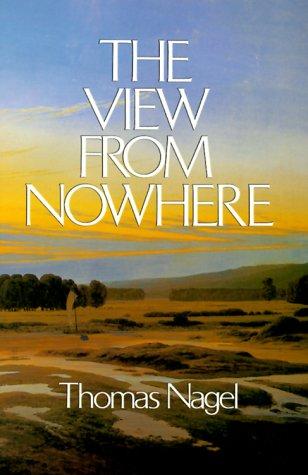
View from nowhere
book by Thomas Nagel
Huashu
The (), or The Book of Transformations, is a 930 CE Daoist classic about "internal alchemy", psychological subjectivity, and spiritual transformation. In the description of Poul Andersen,
The is a unique philosophical work of the period of the Five Dynasties, which syncretizes elements of Taoist, Buddhist, and Confucian thought, and which has been noted in recent times for its scientific observations (for instance regarding optics and acoustics) and for its unusual emphasis on epistemological considerations. Its influence during the Song and subsequent dynasties was substantial, both within Ta

Tao of Jeet Kune Do
1973 (posthumous) book by Bruce Lee

The Bed of Procrustes
non-fiction work by Nassim Nicholas Taleb

On Being and Essence
work by Thomas Aquinas

The Philosophical Discourse of Modernity
book
Shrimadh Bhagvad Gita Rahasya
Marathi book by Bal Gangadhar Tilak