Category
page 1Phoronids

Phoronida
Phoronids (taxonomic name Phoronida, sometimes called horseshoe worms) are a small phylum of marine animals that filter-feed with a lophophore (a "crown" of tentacles), and build upright tubes of chitin to support and protect their soft bodies. They live in most of the oceans and seas, including the Arctic Ocean but excluding the Antarctic Ocean, and between the intertidal zone and about 400 meters down. Most adult phoronids are 2 cm long and about 1.5 mm wide, although the largest are 50 cm long.
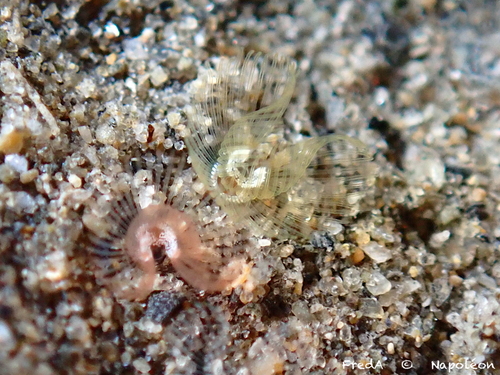
Phoronis psammophila
species of horseshoe worm

Phoronopsis californica
species of horseshoe worm

Phoronis australis
species of marine horseshoe worm in the phylum Phoronida
Phoronis
Phoronis is one of the two genera of the horseshoe worm family (Phoronidae), in the phylum Phoronida. The body has two sections, each with its own coelom. There is a specialist feeding structure, the lophophore, which is an extension of the wall of the coelom and is surrounded by tentacles. The gut is U-shaped. The diagnostic feature that distinguishes this genus is the lack of epidermal invagination at the base of the lophophore. These worms are filter feeders. They live on hard substrates or soft sediments in marine environments throughout the world. They have different modes of reproduction
Phoronopsis
Phoronopsis is a genus of horseshoe worm in the family Phoronidae, in the phylum Phoronida. The members of the genus live in tubes at the bottom of the sea.
Phoronopsis harmeri
species of horseshoe worm
tube worm
common name for marine animals

Phoronopsis albomaculata
species of horseshoe worm
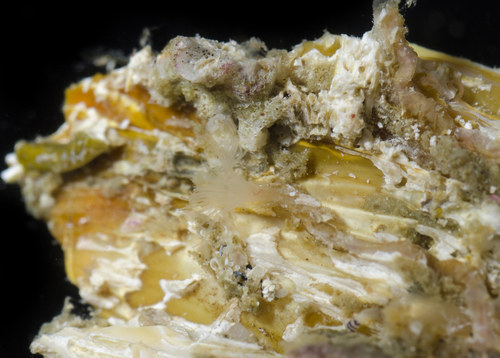
Phoronis ovalis
species of horseshoe worm
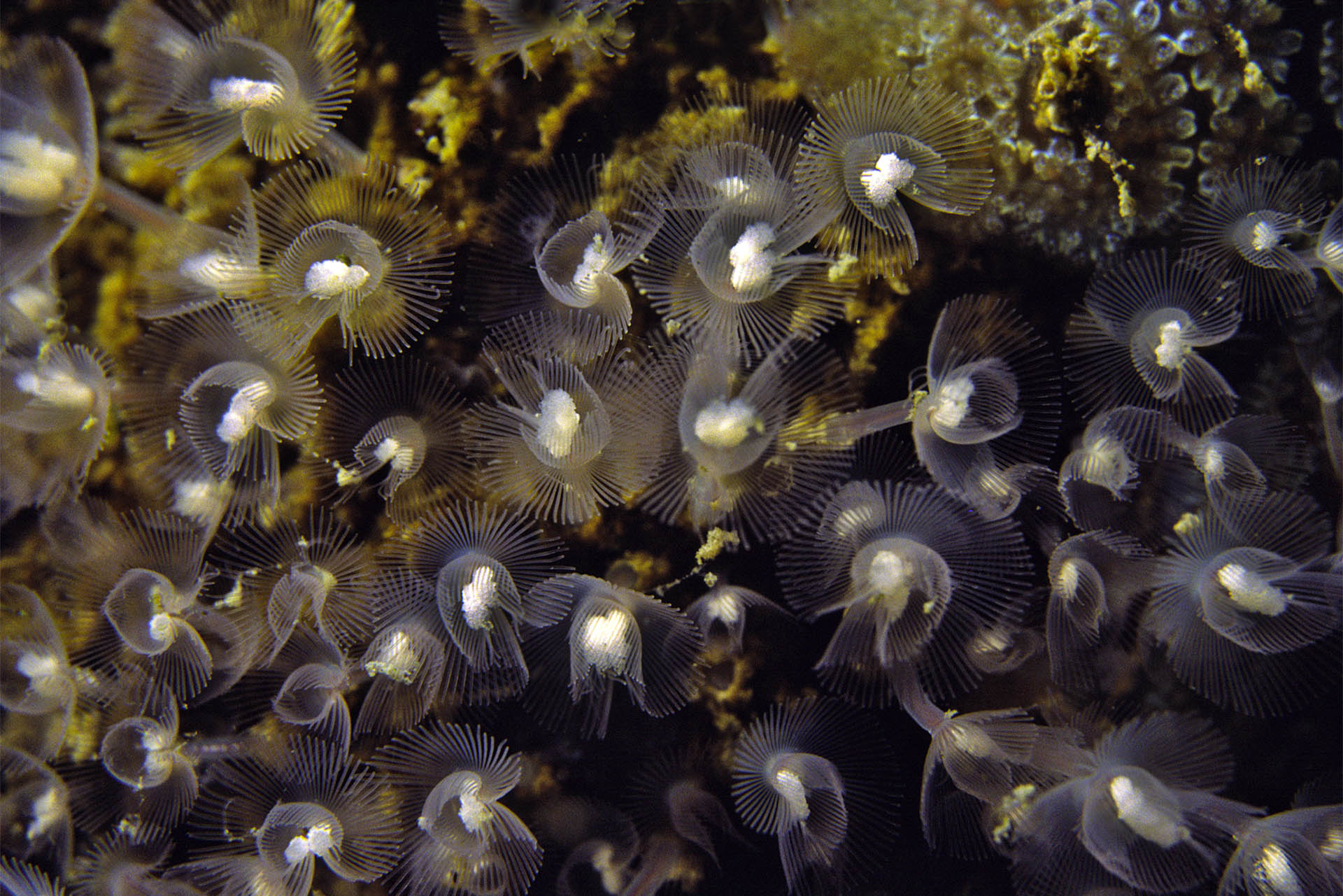
Phoronis hippocrepia
species of horseshoe worm

Phoronis ijimai
species of horseshoe worm
Phoronis pallida
species of horseshoe worm
Phoronis muelleri
species of horseshoe worm