Category
page 1Phyllanthaceae genera

Phyllanthus
thumb|right|Plagiotropic shoots of Phyllanthus pulcher
thumb|right|Fruit of Phyllanthus acidus
thumb|right|Male and female flowers of Phyllanthus acidus
thumb|right|Flattened stems and flowers of Phyllanthus angustifolius
thumb|right|Leaves of Phyllanthus urinaria
Phyllanthus is the largest genus in the plant family Phyllanthaceae. Estimates of the number of species in this genus vary widely, from 750 to 1200. Phyllanthus has a remarkable diversity of growth forms including annual and perennial herbs, shrubs, climbers, floating aquatics, and pachycaulous succulents. Some have flattened leaflik

Baccaurea
Baccaurea is a genus of flowering plants belonging to the family Phyllanthaceae. The genus comprises 51 species, distributed from India to Indochina, southern China, Malesia, New Guinea, and the West Pacific. It is dioecious, with male and female flowers on separate plants. Many species contain edible fruits.
thumb|Baccaurea sapida in Pakke Tiger Reserve, India
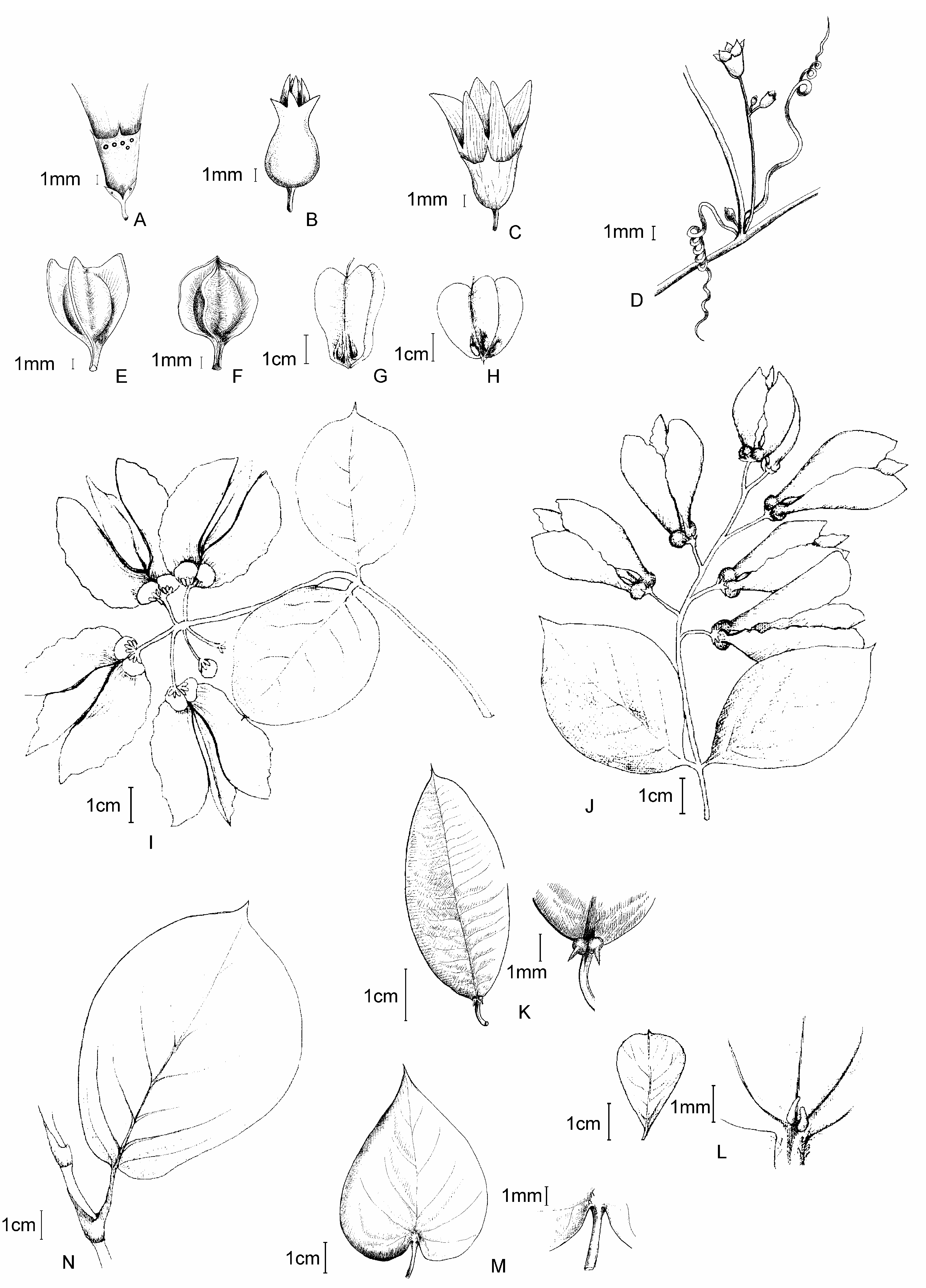
Flueggea
Flueggea, the bushweeds, is a genus of shrubs and trees in the family Phyllanthaceae first described as a genus in 1806. It is widespread across much of Asia, Africa, and various oceanic islands, with a few species in South America and on the Iberian Peninsula.
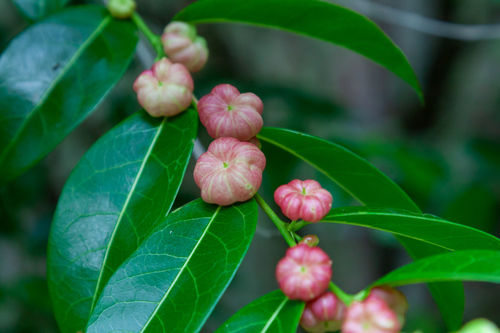
Glochidion
Glochidion is a genus of flowering plants in the family Phyllanthaceae, known as cheese trees or buttonwood in Australia, and leafflower trees in the scientific literature. It comprises about 170 species, distributed from Madagascar to the Pacific Islands. Glochidion species are used as food plants by the larvae of some Lepidoptera species including Aenetus eximia and Endoclita damor. The Nicobarese people have attested to the medicinal properties found in G. calocarpum, saying that its bark and seed are most effective in curing abdominal disorders associated with amoebiasis.

Antidesma
thumb|Bignay (Antidesma bunius|A. bunius)
thumb|Hame (Antidesma platyphyllum|A. platyphyllum) - ripe berries
thumb|Hame (Antidesma platyphyllum|A. platyphyllum) - unripe fruit

Breynia
Breynia is a genus in the flowering plant family Phyllanthaceae, first described in 1776. It is native to Southeast Asia, China, Réunion, the Indian Subcontinent, Papuasia and Australia.

Securinega
Securinega is a genus of plants in the family Phyllanthaceae, first described as a genus in 1789. As presently conceived, the genus is native to Madagascar and the Mascarene Islands in the Indian Ocean. In the past, it was considered to be much more widespread, thus explaining the long list of species formerly included. It is dioecious, with male and female flowers on separate plants.

Bridelia
Bridelia is a genus of plants in the family Phyllanthaceae first described as a genus in 1806. It is widespread across Africa, Australia, southern Asia, and various islands of the Indian and Pacific Oceans.
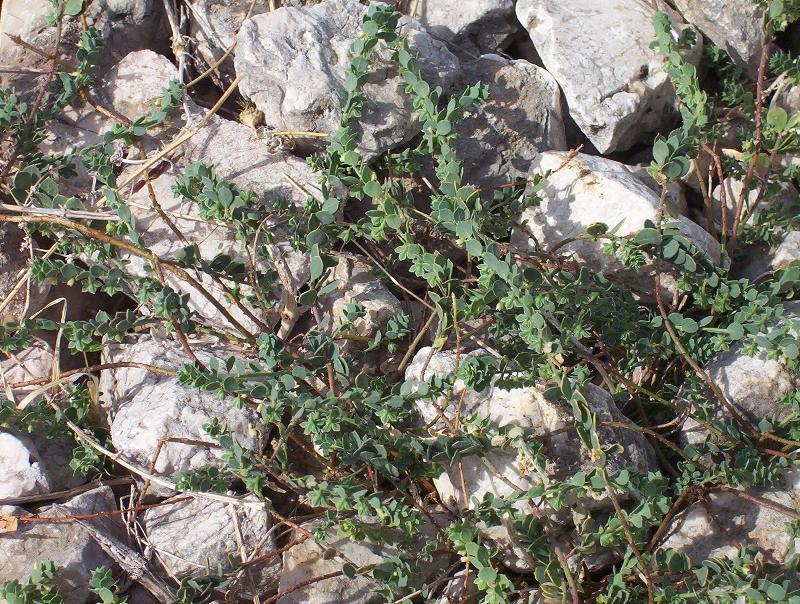
Andrachne
Andrachne is a genus of flowering plants in the family Phyllanthaceae described by Linnaeus in 1753. It is one of eight genera in the tribe Poranthereae.
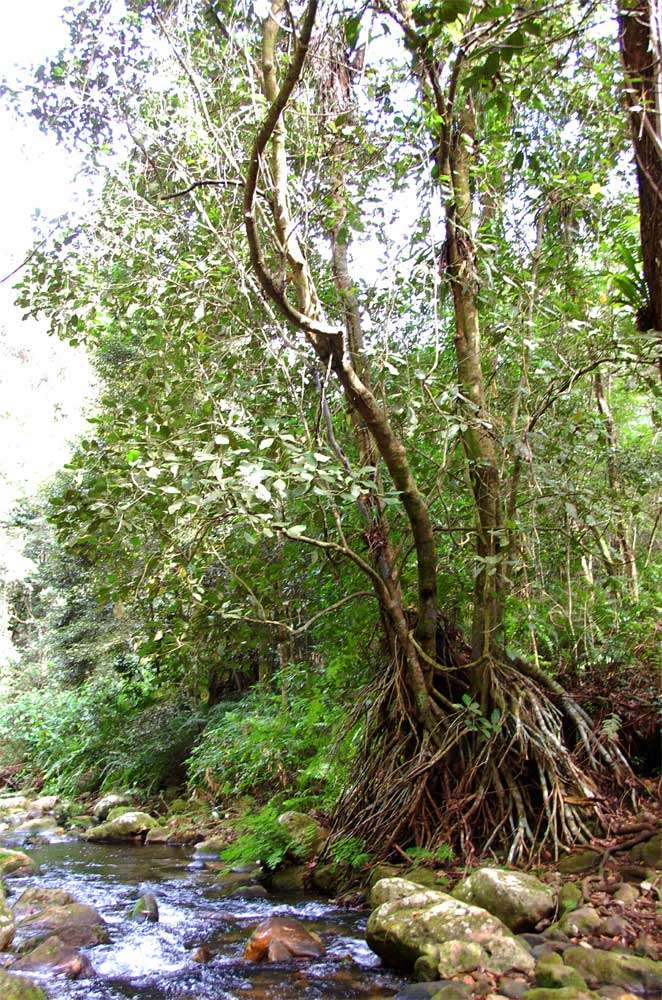
Uapaca
Uapaca is a genus of plant, in the family Phyllanthaceae first described as a genus in 1858. It is the only genus comprised in the tribe Uapaceae. The genus is native to Africa and Madagascar. Uapaca is dioecious, with male and female flowers on separate plants.

Aporosa
Aporosa is a genus of flowering plant belonging to the family Phyllanthaceae, first described as a genus in 1825. It is native to China, the Indian subcontinent, Southeast Asia, Papuasia, and Queensland.
Margaritaria
Margaritaria is a plant genus of the family Phyllanthaceae first published as a genus in 1782. It is the smallest pantropical genus of the Phyllanthaceae and, formerly, of the Euphorbiaceae, widely distributed in tropical and subtropical regions of Asia, Africa, Australia, North and South America, and various oceanic islands.
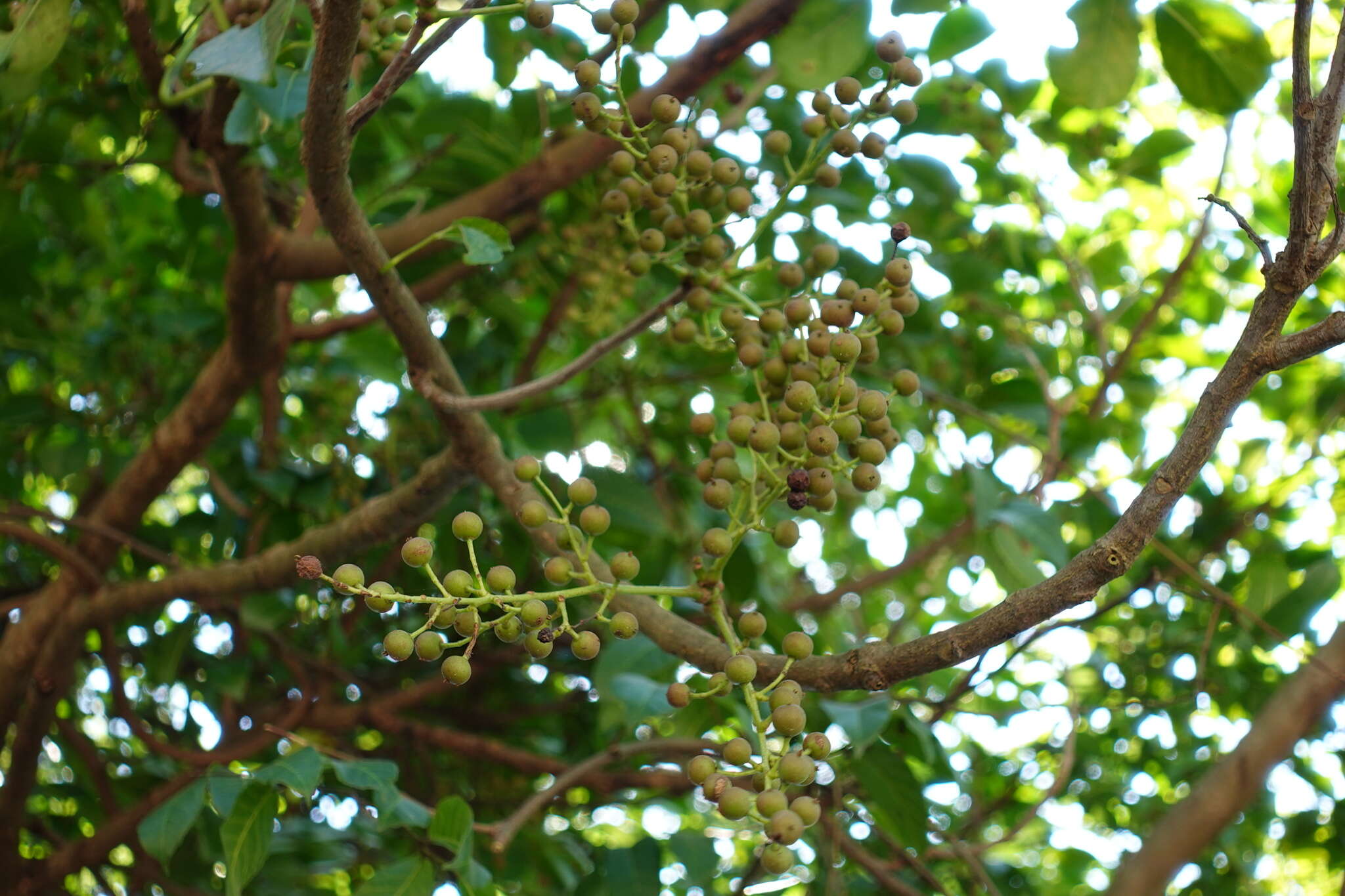
Bischofia
Bischofia is a genus of plants in the family Phyllanthaceae first described as a genus in 1827. It is native to southern China, the Indian subcontinent, Queensland, New Guinea, and various islands of the Pacific. It is the only member of the tribe Bischofieae. They are dioecious, with male and female flowers on separate plants, but may rarely be monoecious.

Leptopus
Leptopus, the maidenbushes, are a genus of plants in the family Phyllanthaceae native to southern Asia from the Caucasus east to China and Maluku. The plants are monoecious herbs and shrubs with simple, entire leaves and small, green flowers.

Amanoa
See also Queen Amanoa, a fictional character from the Star Wars expanded universe.
%20in%20Narsapur%20forest%2C%20AP%20W%20IMG%200165.jpg)
Cleistanthus
thumb|190px|Cleistanthus collinus in [[Narsapur, Medak district, India. ]]
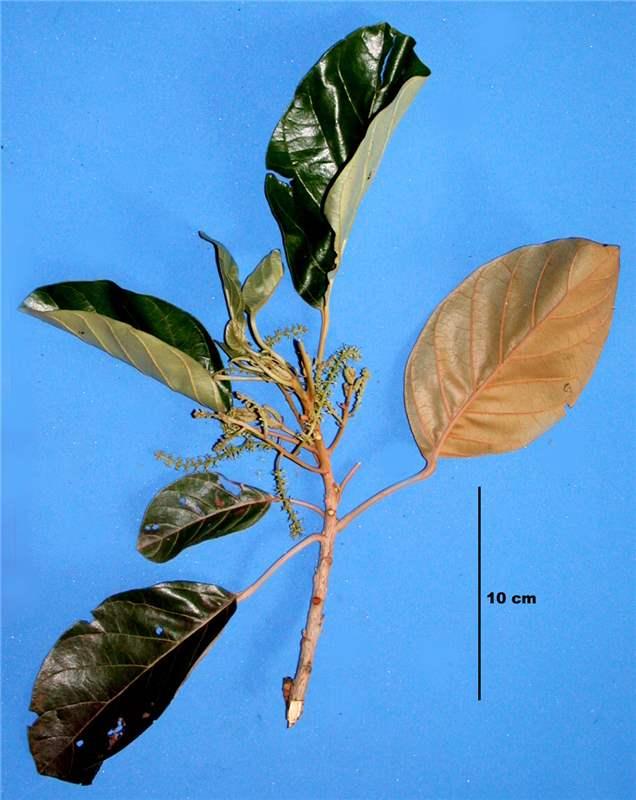
Hieronyma
Hieronyma is a genus in the plant family Phyllanthaceae. It was first described as a genus in 1848. This family was formerly united with spurges, crotons, copperleaves, etc. (Euphorbiaceae), but have turned out to be well distinct. The genus is native to South America, Central America, southern Mexico, and the West Indies. It is dioecious, with male and female flowers on separate plants.

Hymenocardia
Hymenocardia is a genus of trees in the family Phyllanthaceae first described as a genus in 1836. Most of the species are native to Africa, with one in Southeast Asia.
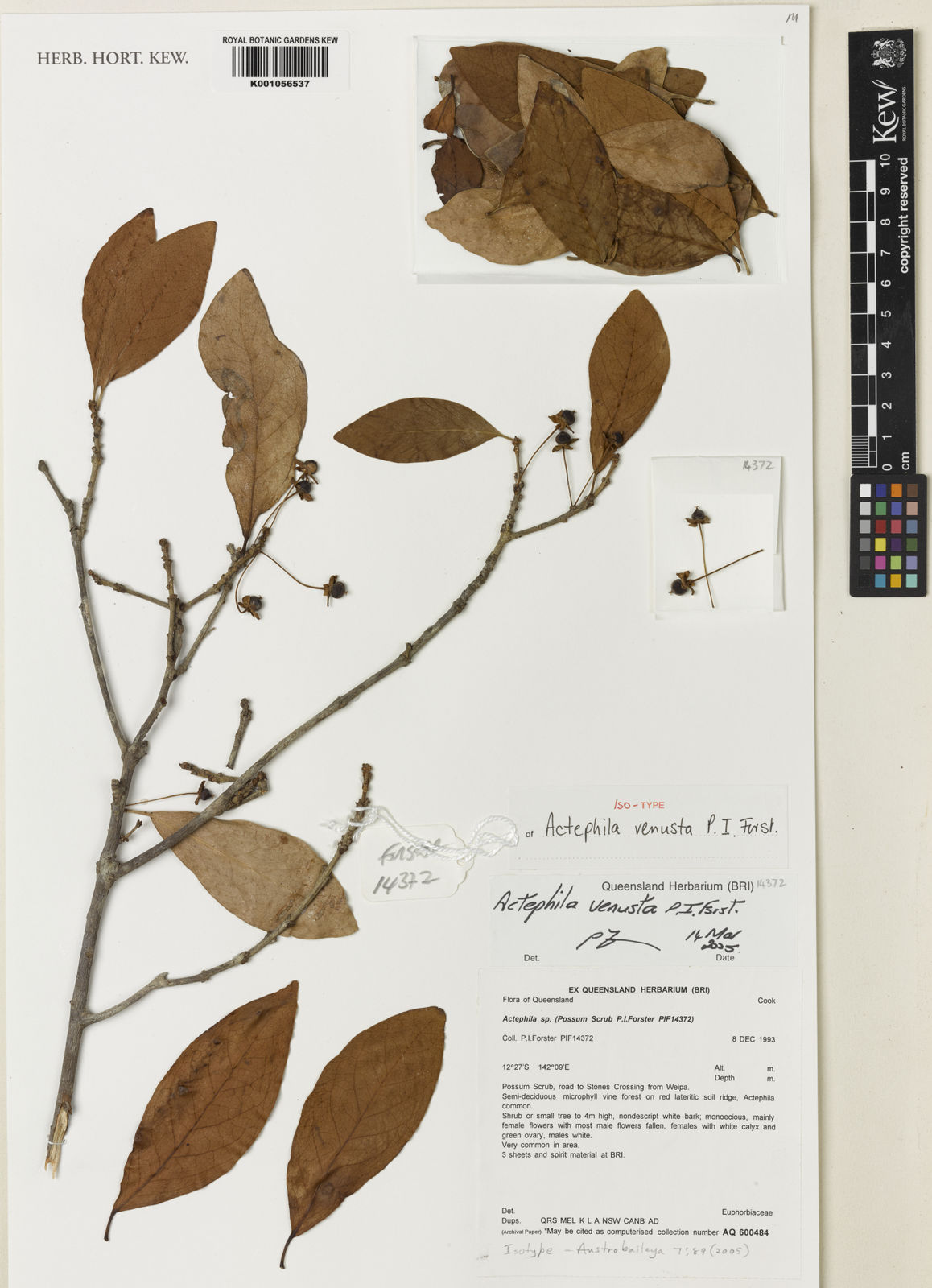
Actephila
Actephila is a genus of about 36 species of flowering plants in the family Phyllanthaceae native to Southeast Asia, China, the Himalayas, Papuasia and northern Australia. Plants in the genus Actephila are monoecious trees or shrubs with entire leaves that are usually arranged alternately along the branches, flowers arranged singly or in clusters in leaf axils usually with 5 sepals and petals.
Poranthera
Poranthera is a genus of flowering plant belonging to the family Phyllanthaceae first described as a genus in 1811.
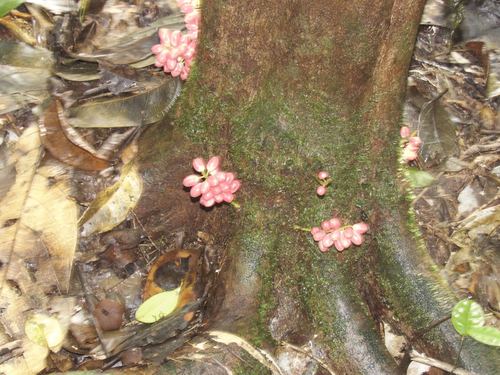
Maesobotrya
Maesobotrya is a genus of flowering plants belonging to the family Phyllanthaceae. It was first described as a genus in 1879 and is native to sub-Saharan Africa. It is dioecious, with male and female flowers on separate plants.
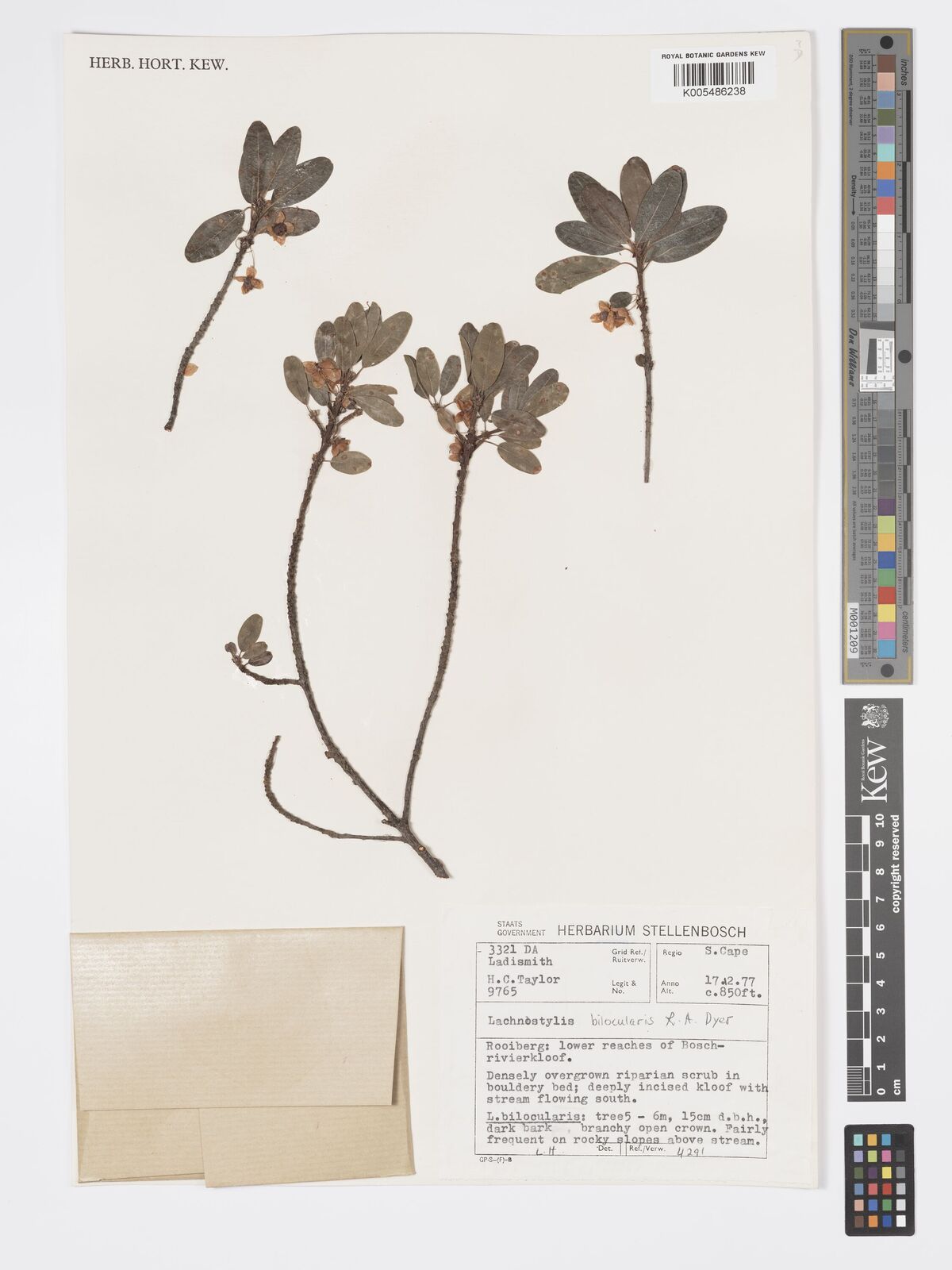
Lachnostylis
Lachnostylis is a genus of the family Phyllanthaceae first described as a genus in 1846. It is native to the Eastern Cape and the Western Cape Provinces of South Africa. It is often included in Savia. It is dioecious, with male and female flowers on separate plants.
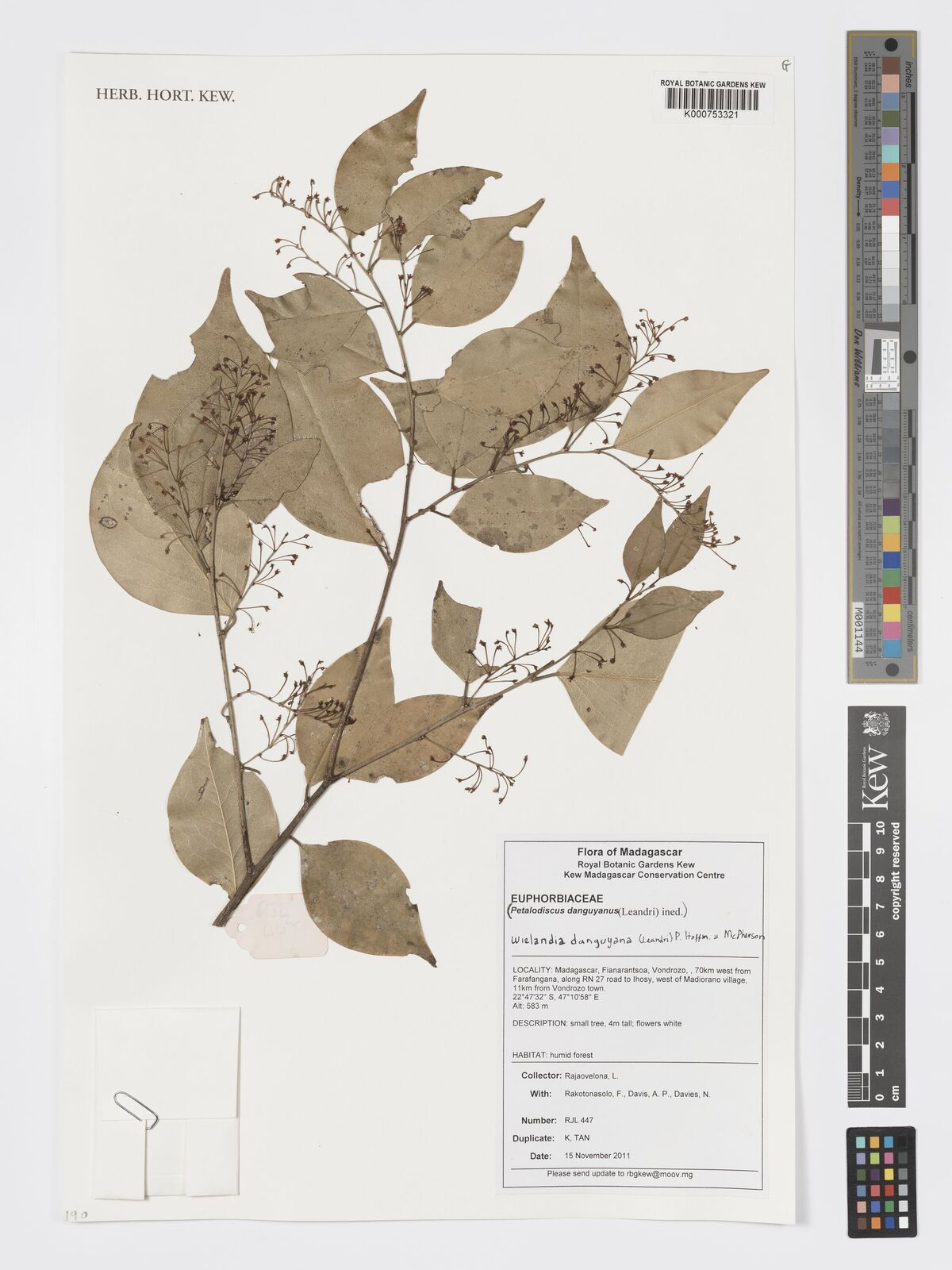
Wielandia
Wielandia is a genus of flowering plant, of the family Phyllanthaceae first described as a genus in 1858. The plants are native to Kenya, Madagascar, and to various other islands in the Indian Ocean.
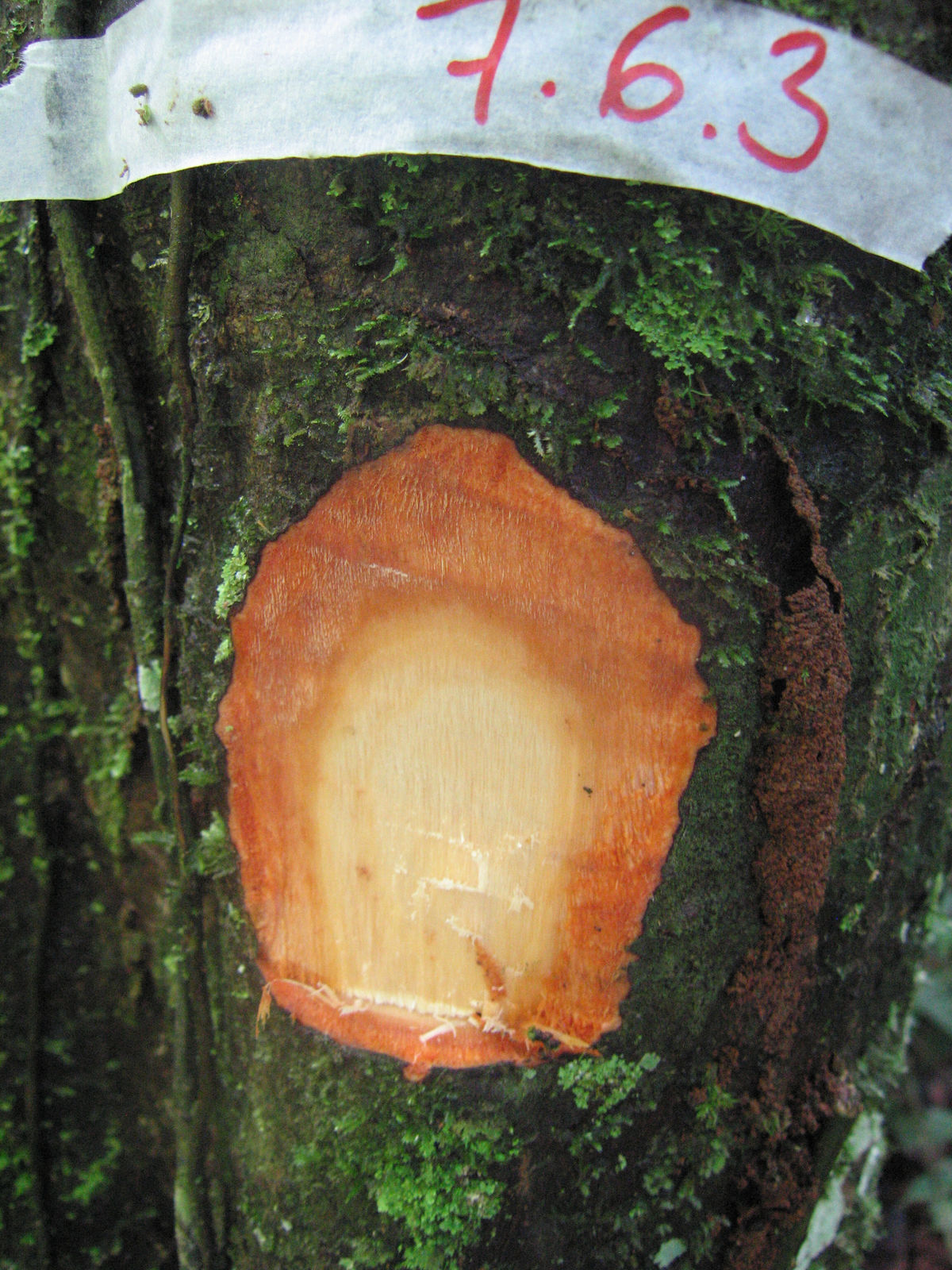
Richeria
Richeria is a genus of flowering plant belonging to the family Phyllanthaceae first described as a genus in 1797. It is native to Central America, South America, and the West Indies. Richeria is dioecious, with male and female flowers on separate plants.

Savia
genus of plants
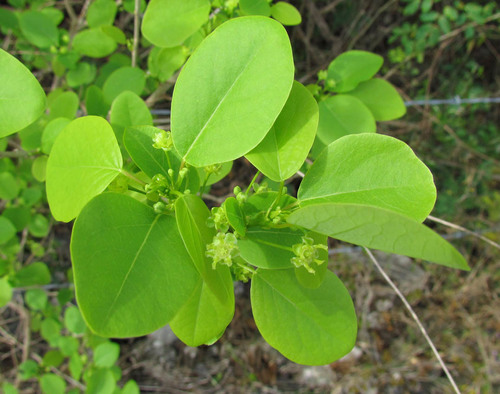
Astrocasia
Astrocasia is a plant genus of the family Phyllanthaceae first described as a genus in 1905. It is included in the subtribe Astrocasiinae. It is native to Mesoamerica, northern South America, and the western part of the West Indies. Plants are mostly dioecious, except for Astrocasia diegoae which is monoecious, and some individuals of A. neurocarpa and A. tremula.

Notoleptopus decaisnei
Notoleptopus is a monotypic genus of flowering plants in the family Phyllanthaceae. It is one of eight genera in the tribe Poranthereae. The sole species is Notoleptopus decaisnei. It is a monoecious shrub, native to Australia, New Guinea, and Indonesia.
Distichirhops
Distichirhops is a genus of flowering plant belonging to the family Phyllanthaceae. The genus comprises 3 species, found in the secondary forests of New Guinea and Borneo. The taxon name comes from Greek (distichos meaning "in two rows" and rhopo meaning "shrub"), referring to its distichous leaf arrangement and shrubby habit.

Croizatia
Croizatia is a small genus of plants in the Phyllanthaceae first described as a genus in 1952. It is native to Panama and to northwestern South America. It is dioecious, with male and female flowers on separate plants.
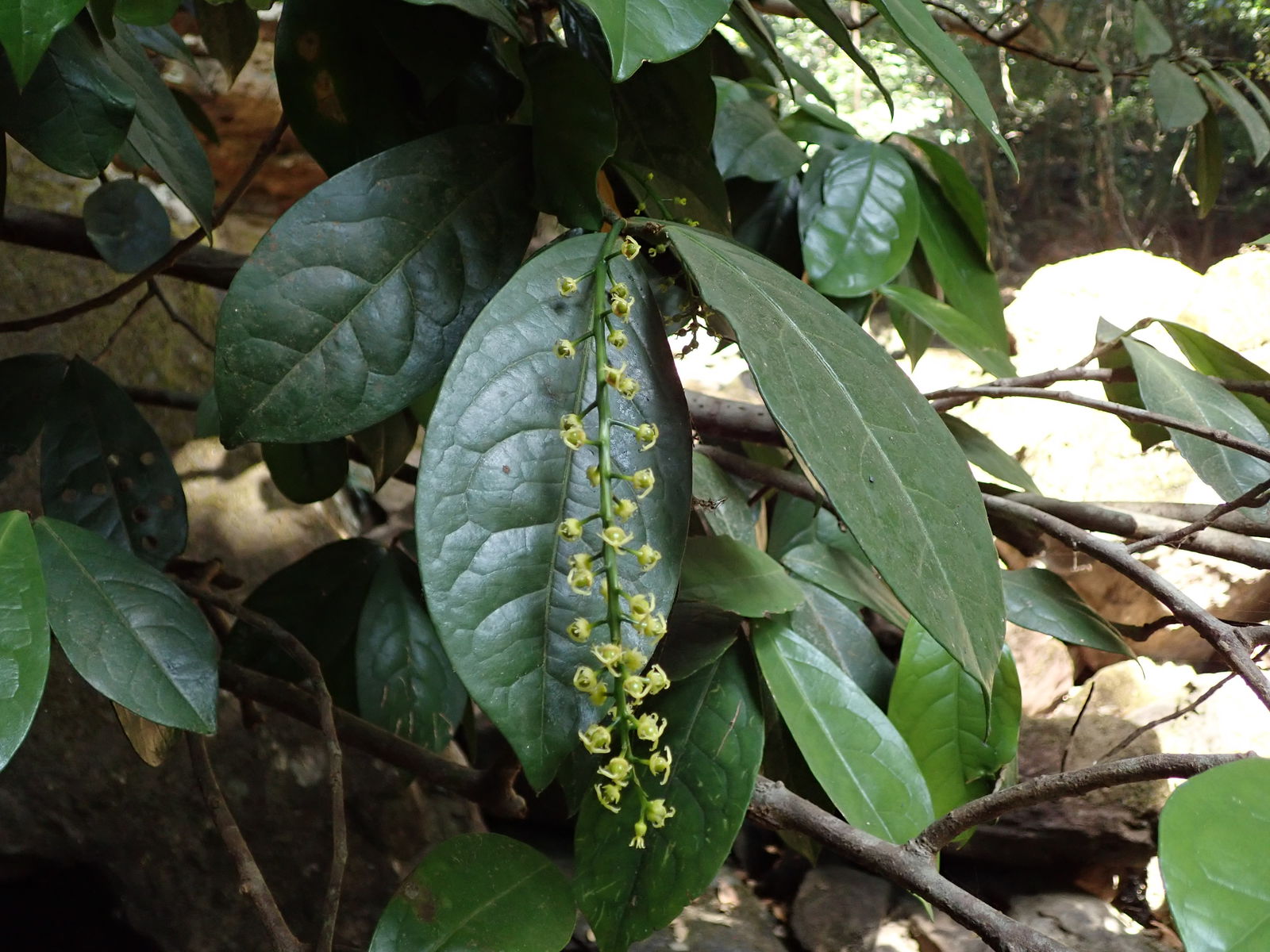
Thecacoris
Thecacoris is a genus of flowering plant belonging to the family Phyllanthaceae first described as a genus in 1821. It is native to tropical Africa and Madagascar. It is dioecious, with male and female flowers on separate plants, although it may rarely be monoecious.
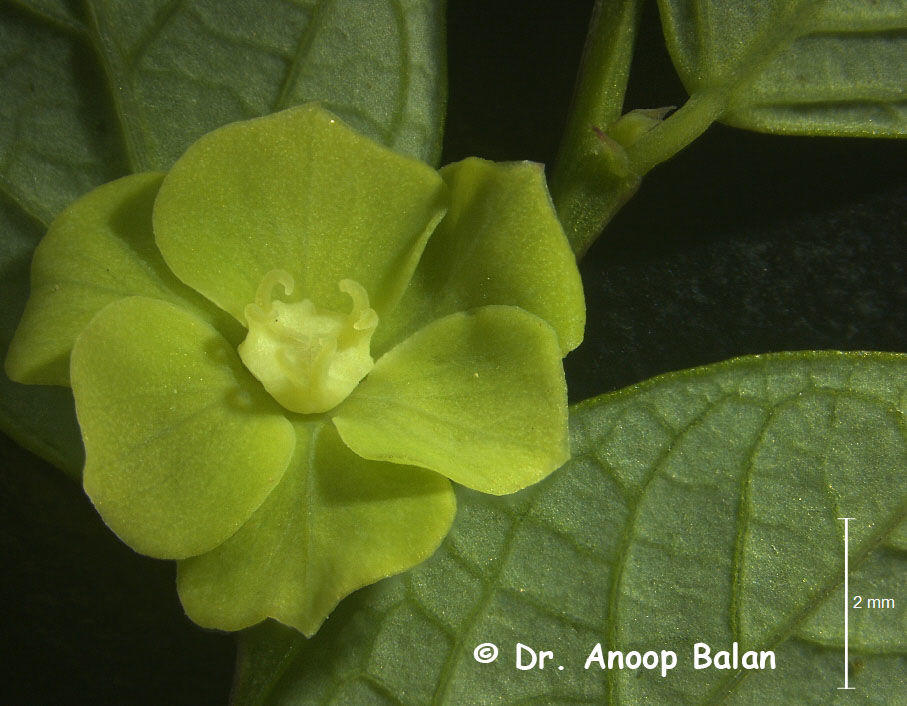
Meineckia
Meineckia is a genus of flowering plants in the family Phyllanthaceae first described as a genus in 1858.
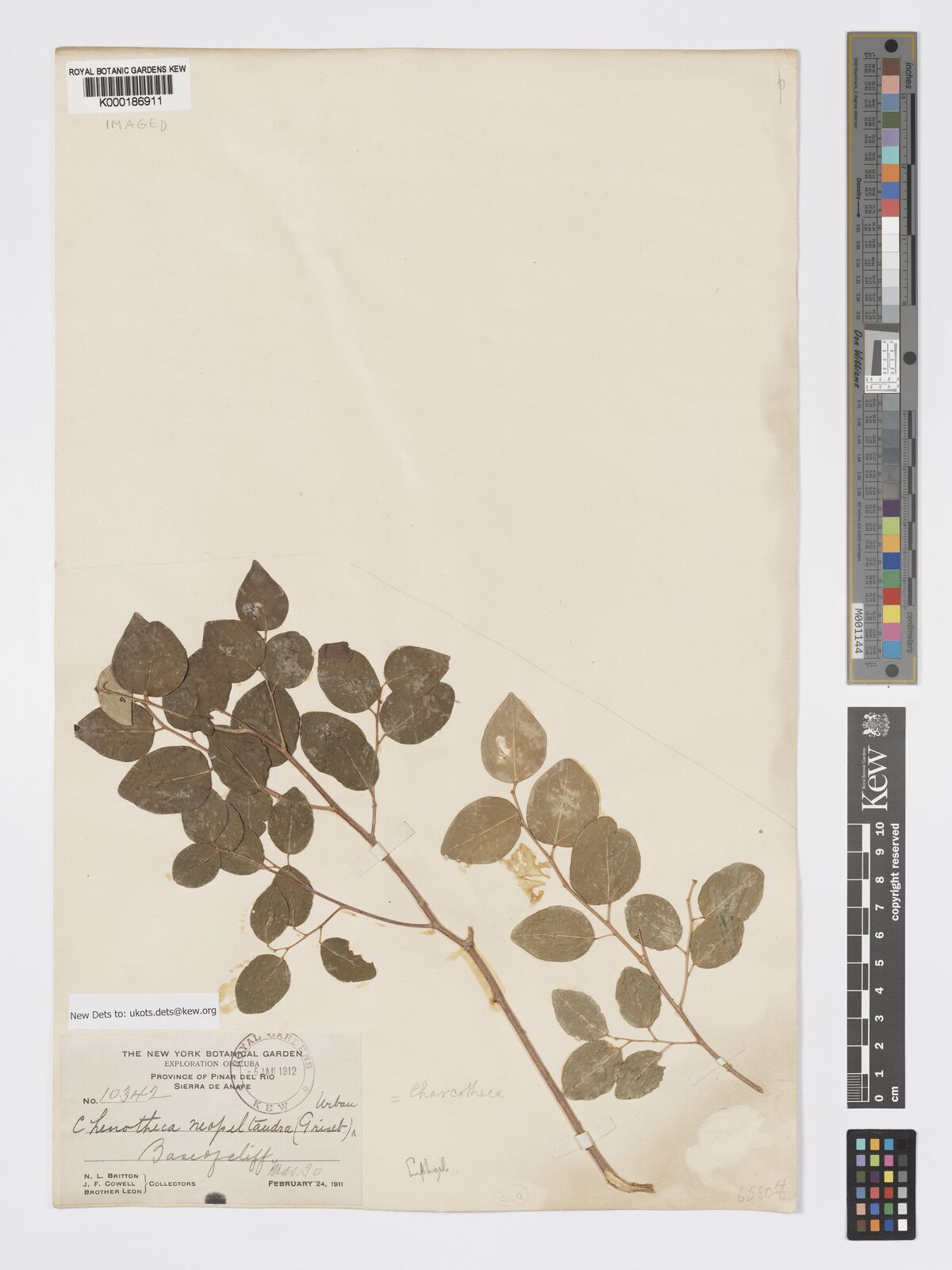
Chascotheca neopeltandra
Chascotheca is a genus of plants in the family Phyllanthaceae described as a genus in 1904. It is native to the western Caribbean.
Tacarcuna
Tacarcuna is a genus of plants in the Phyllanthaceae first described as a genus in 1989. It is native to Panama, Colombia, Venezuela, and Peru. It is apparently dioecious, with male and female flowers on separate plants.
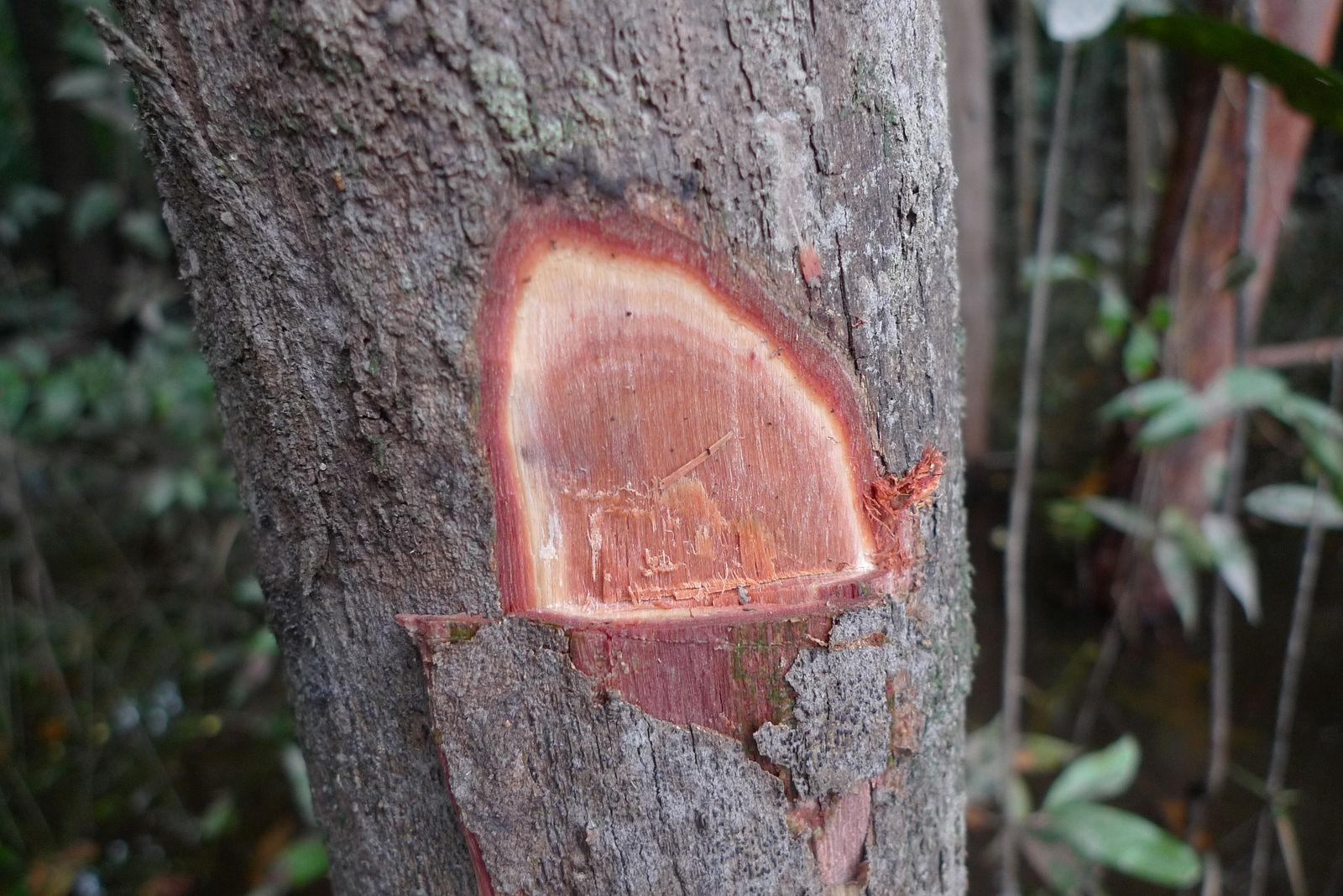
Discocarpus
Discocarpus is a genus of the plant family Phyllanthaceae first described as a genus in 1841. It is native to northern South America. It is dioecious, with male and female flowers on separate plants.

Ashtonia
Ashtonia is a genus of flowering plant belonging to the family Phyllanthaceae first described as a genus in 1968. It is native to the Malay Peninsula and Borneo. It is dioecious, with male and female flowers on separate plants.
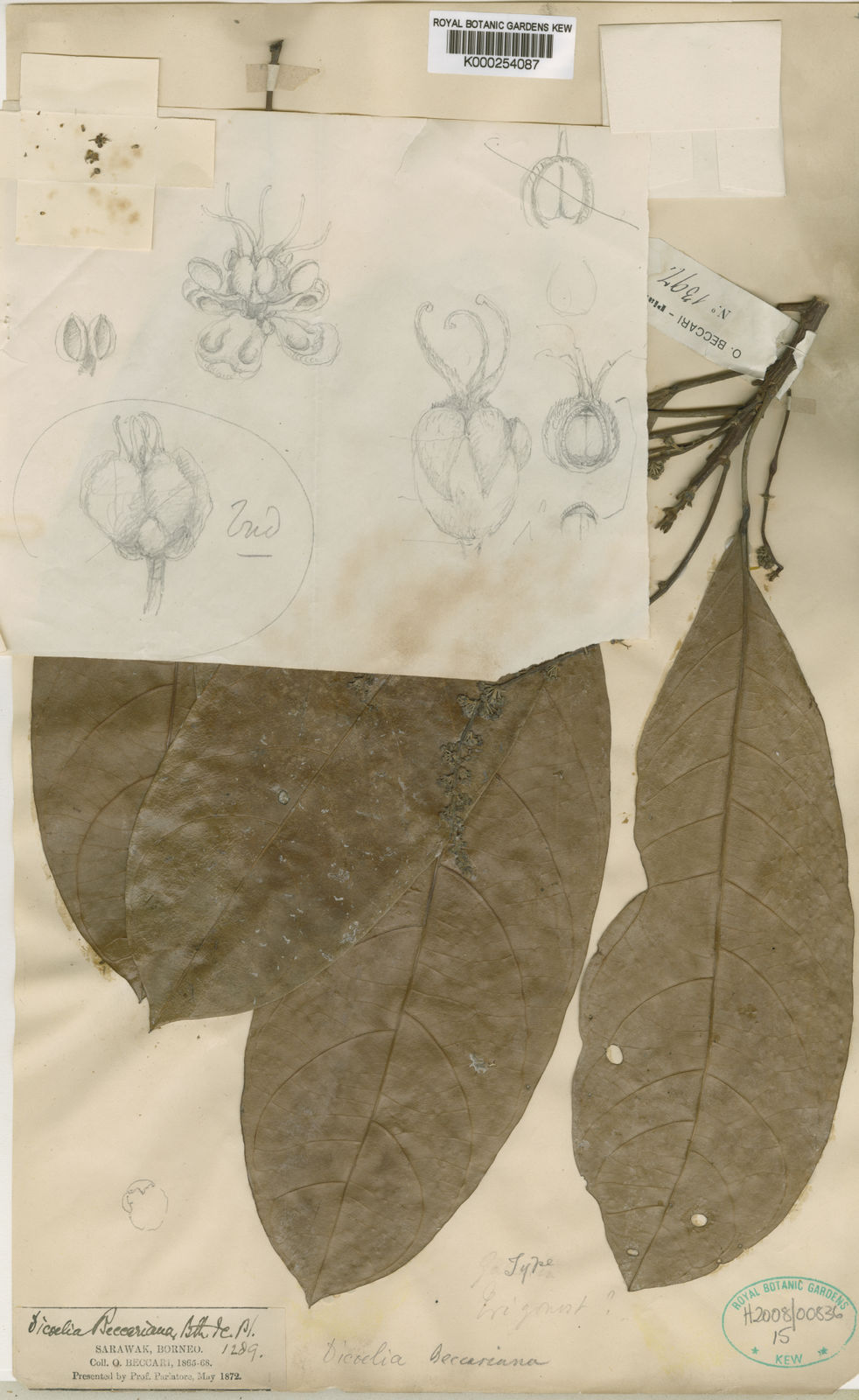
Dicoelia
Dicoelia is a plant genus of the family Phyllanthaceae. It was first described as a genus in 1879. It is native to Borneo and Sumatra.
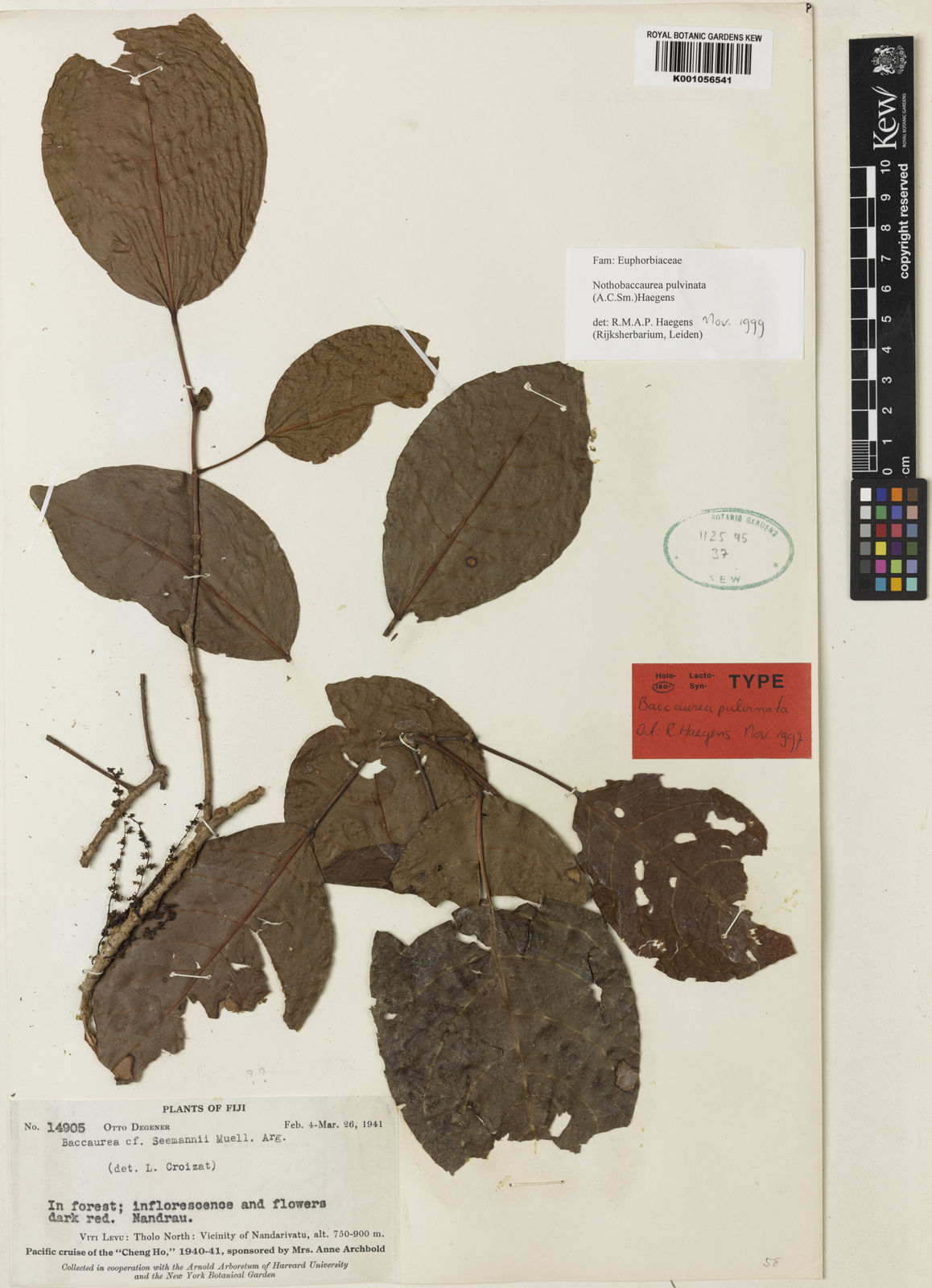
Nothobaccaurea
Nothobaccaurea is a genus of flowering plant belonging to the family Phyllanthaceae, first described as a genus in 2000. It is native to various islands in the Pacific. The genus is named for its false resemblance with Baccaurea. Like Baccaurea, it is dioecious, with male and female flowers on separate plants.
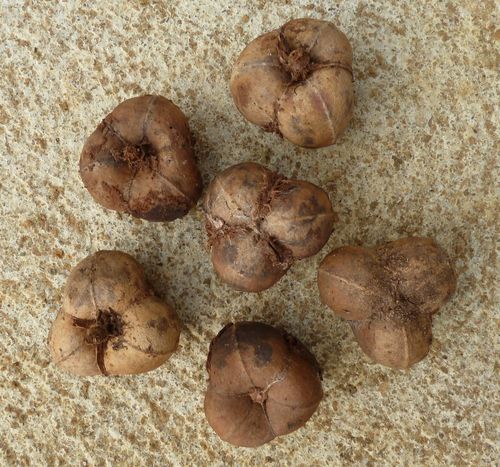
Protomegabaria
Protomegabaria is a genus of flowering plant belonging to the family Phyllanthaceae first described as a genus in 1911. It is native to western and central Africa. It is dioecious, with male and female flowers on separate plants.

Spondianthus
Spondianthus is a genus of plant, in the family Phyllanthaceae and is the only genus comprised in the tribe Spondiantheae. It was first described as a genus in 1905. The genus contains only one recognized species, Spondianthus preussii, widespread across much of tropical Africa from Liberia to Mozambique.
Leptonema
Leptonema is a genus of flowering plant belonging to the family Phyllanthaceae first described in 1824. The entire genus is endemic to Madagascar. It is dioecious, with male and female flowers on separate plants.
Heterosavia
Heterosavia is a genus of the family of Phyllanthaceae first described as a genus in 2008. It is native to the Caribbean and southern Florida. It is found in Bahamas, Cayman Islands, Cuba, Dominican Republic, Florida, Haiti, Jamaica, southwest Caribbean and Turks-Caicos Islands.

Phyllanthopsis
Phyllanthopsis is a genus of flowering plants in the family Phyllanthaceae. It is one of the eight genera in the tribe Poranthereae. It has two species. The type species is Phyllanthopsis phyllanthoides.
Martretia
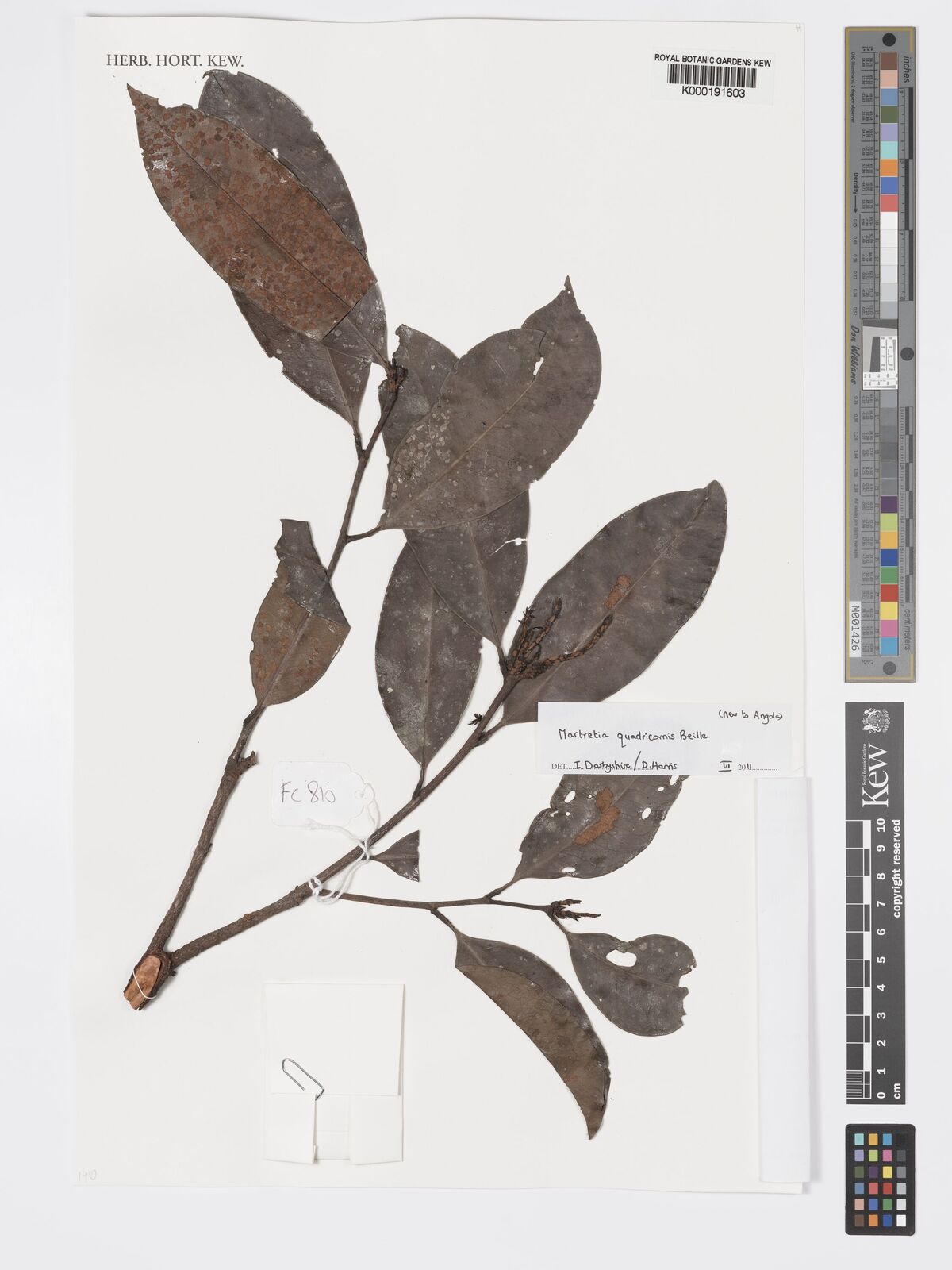
Martretia is a genus of plants in the family Phyllanthaceae first described as a genus in 1907. It contains only one known species, Martretia quadricornis, native to western and central Africa from Sierra Leone to Zaire. It is dioecious, with male and female flowers on separate plants.

Pseudolachnostylis
Pseudolachnostylis is a genus of plants in the family Phyllanthaceae first described as a genus in 1899. It contains only one known species, Pseudolachnostylis maprouneifolia native to central and southern Africa. Its common name is kudu berry, though the term also applies for Cassine aethiopica. In Zimbabwe it is called mutsonzowa (Shona) or Umqobampunzi (Ndebele).

Jablonskia
Jablonskia congesta is a species of flowering plant belonging to the family Phyllanthaceae. The genus Jablonskia is monotypic.