Category
page 1Physaraceae

Fuligo septica
species of the genus Fuligo

Physarum polycephalum
species of slime mold, model organism

Physarum
Physarum is the largest genus of mycetozoan slime molds in the family Physaraceae. They typically thrive in cool, dark, and humid environments, including the bark of trees (often where moss is present), dead twigs, rotting logs covered with moss, leaf litter, and moist forest soils. The name Physarum comes from the Greek word φυσα (physa), which means “blister” or “bubble”, referring to the bubble-like appearance of its sporangia.

Fuligo
Fuligo is a widespread genus of plasmodial slime mold in the family Physaraceae. These organisms are protozoans rather than fungi, but for historical reasons are sometimes treated as part of mycology.
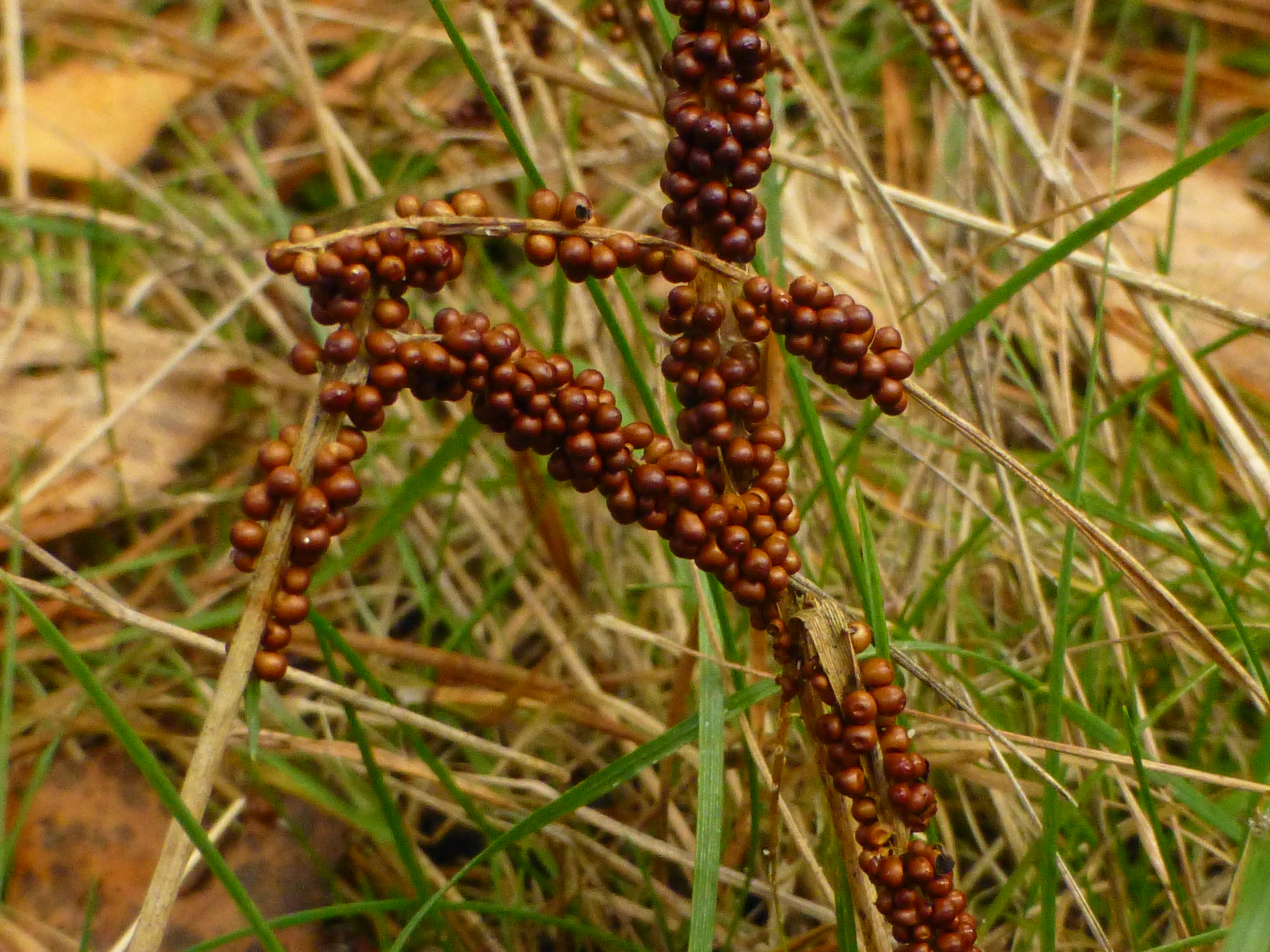
Leocarpus fragilis
Species of slime mould

Badhamia
Badhamia is a genus of slime molds in the family Physaraceae. It was circumscribed by English naturalist Miles Joseph Berkeley in 1853. The widespread genus contains about 30 species.

Physaraceae
Physaraceae is a family of slime molds in the order Physarales.
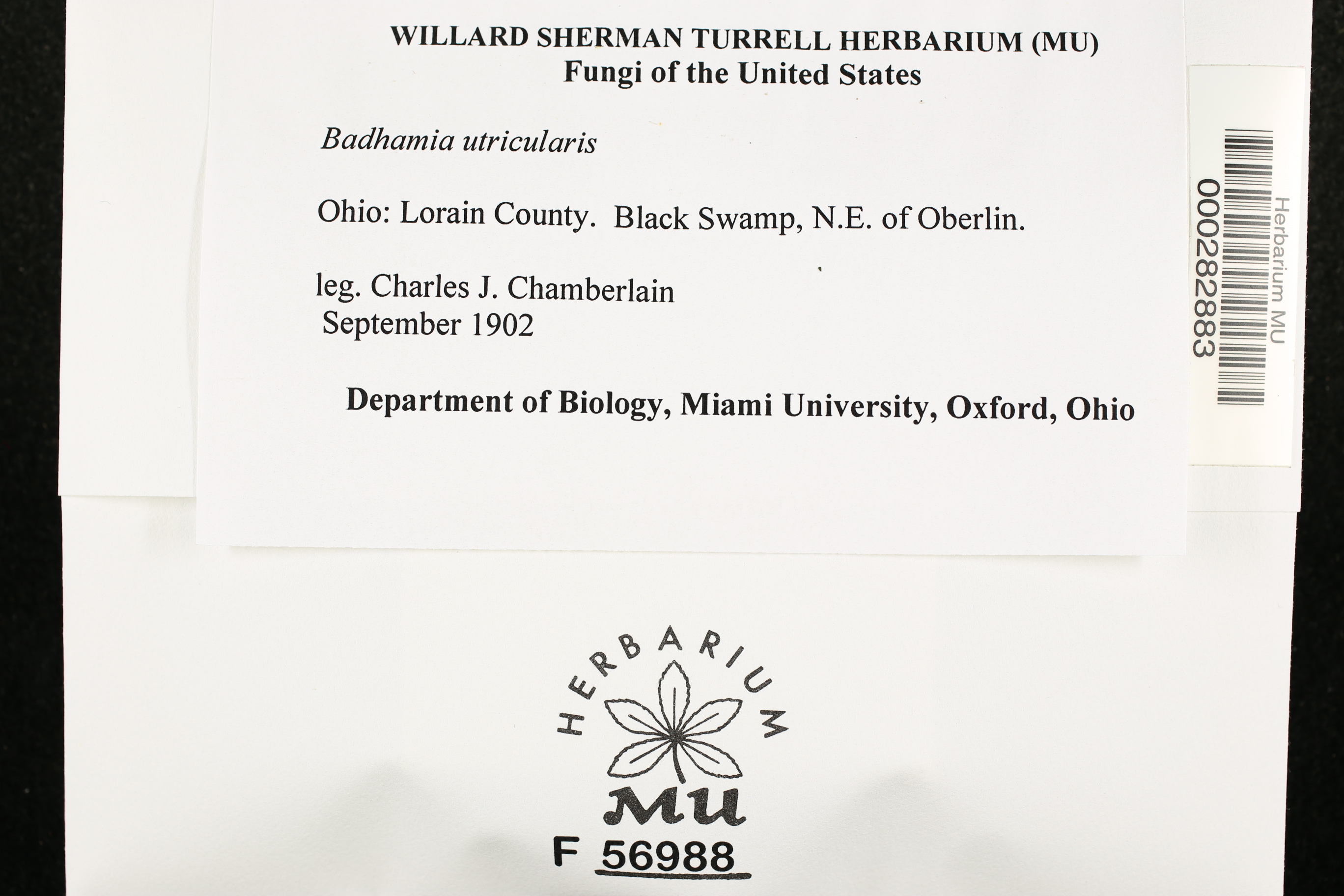
Badhamia utricularis
species of slime mold

Leocarpus
Leocarpus is a genus of slime moulds belonging to the family Physaraceae. The genus has a cosmopolitan distribution.

Craterium
Craterium is a genus of slime molds belonging to the family Physaraceae. The genus has a cosmopolitan distribution.
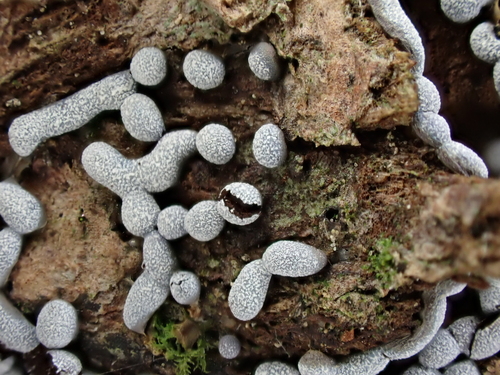
Physarum cinereum
species of slime mold
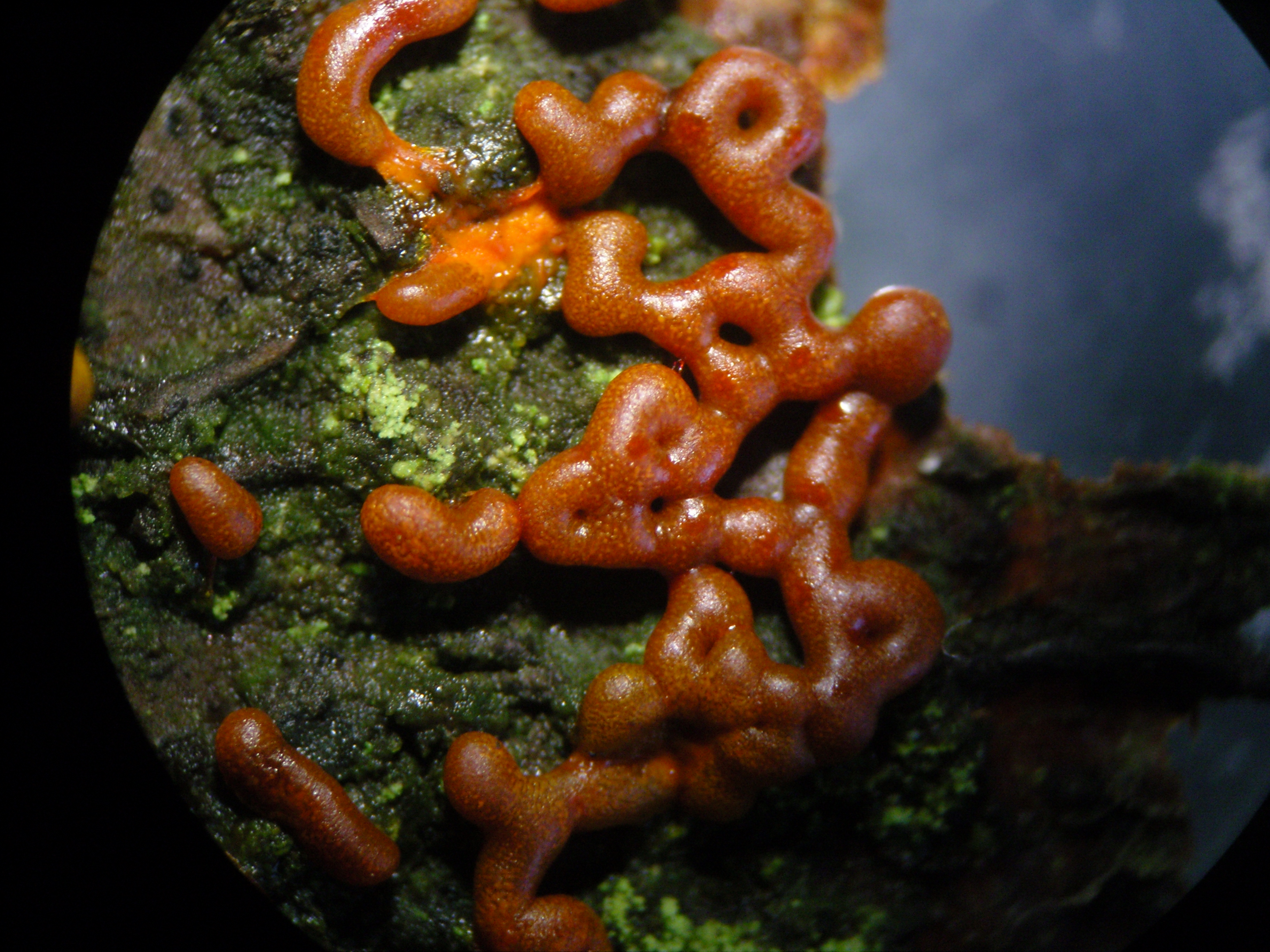
Willkommlangea reticulata
Willkommlangea reticulata is a slime mold species from the order Physarales and the only species of the genus Willkommlangea. It is common worldwide, but rare in Europe. The tropics are possibly the main area of habitat.