Category
page 1Plant families

Lycopodiaceae
The Lycopodiaceae (class Lycopodiopsida, order Lycopodiales) are an old family of vascular plants, including all of the core clubmosses and firmosses, comprising 17 accepted genera and about 500 known species. This family originated about 380 million years ago in the early Devonian, though the diversity within the family has been much more recent. "Wolf foot" is another common name for this family due to the resemblance of either the roots or branch tips to a wolf's paw.
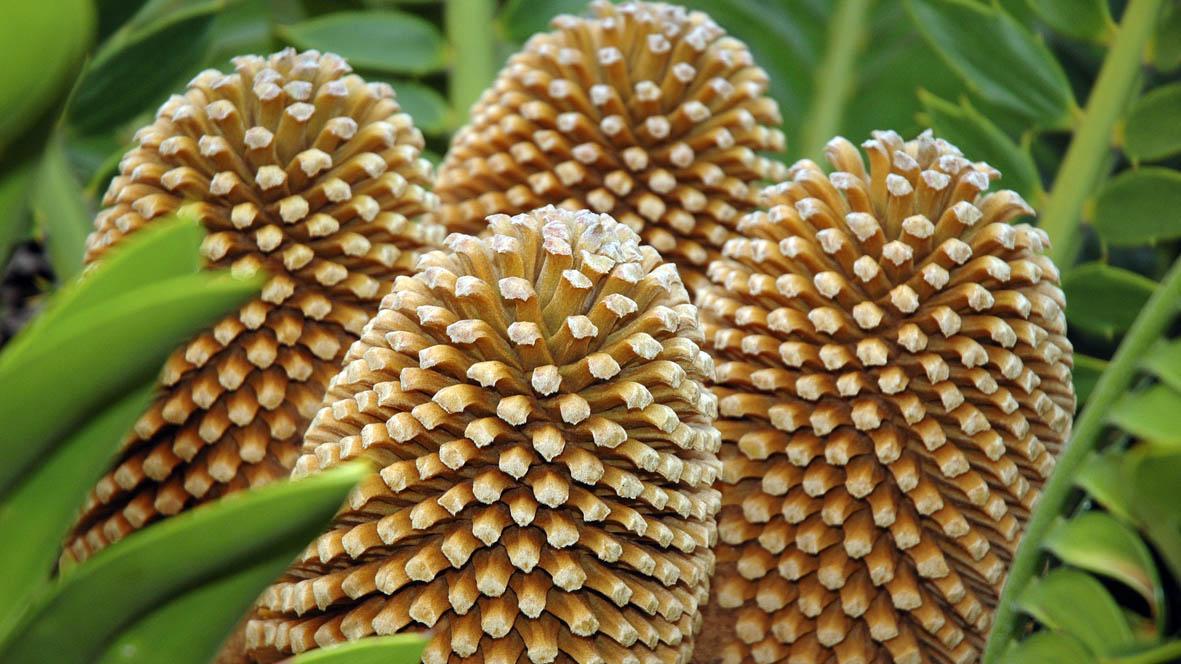
Zamiaceae
The Zamiaceae are a family of cycads that are superficially palm or fern-like. They are divided into two subfamilies with eight genera and about 150 species in the tropical and subtropical regions of Africa, Australia and North and South America.

Ginkgoaceae
The Ginkgoaceae are a family of gymnosperms which appeared during the Mesozoic Era, of which the only extant representative is Ginkgo biloba, which is for this reason sometimes regarded as a living fossil. Formerly, however, there were several other genera, and forests of ginkgo existed. Because leaves can take such diverse forms within a single species, these are a poor measure of diversity, although differing structures of wood point to the existence of diverse ginkgo forests in ancient times.

Isoetaceae
Isoetaceae is a family including living quillworts (Isoetes) and comparable extinct herbaceous lycopsids (Tomiostrobus). It was previously thought to have evolved by reduction in size from arborsecent Isoetales such as Pleuromeia, but the discovery of Isoetes beestonii from the Early Triassic shows that the growth habits of modern quillworts predate Pleuromeia and point to the family being a survivor of the Permian–Triassic extinctions.
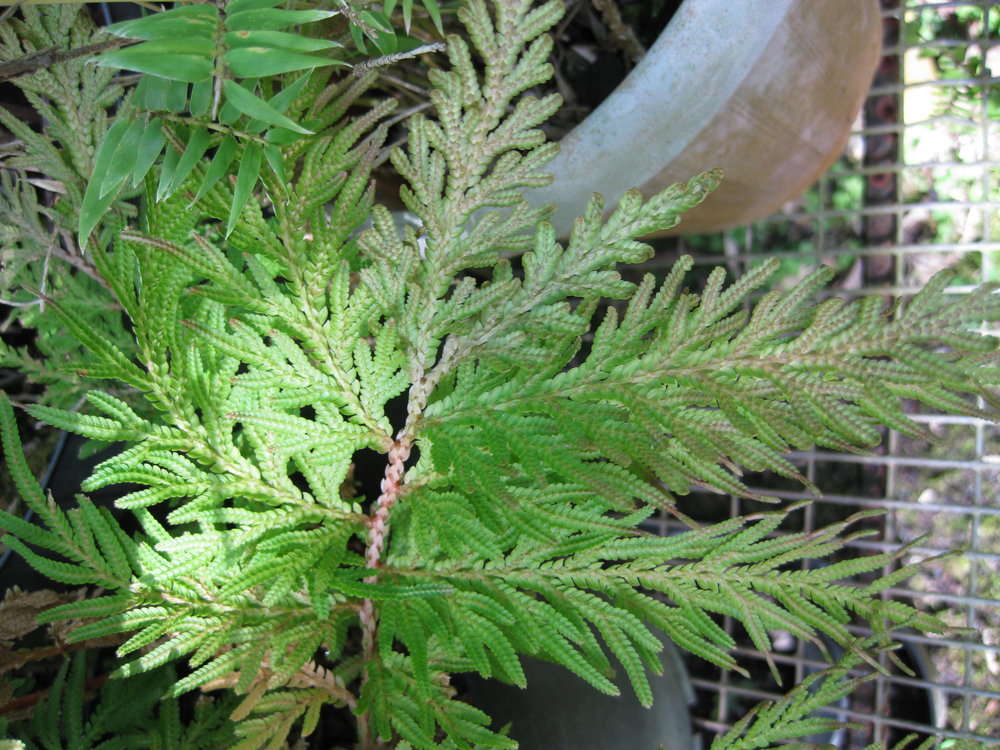
Selaginellaceae
REDIRECT Selaginella
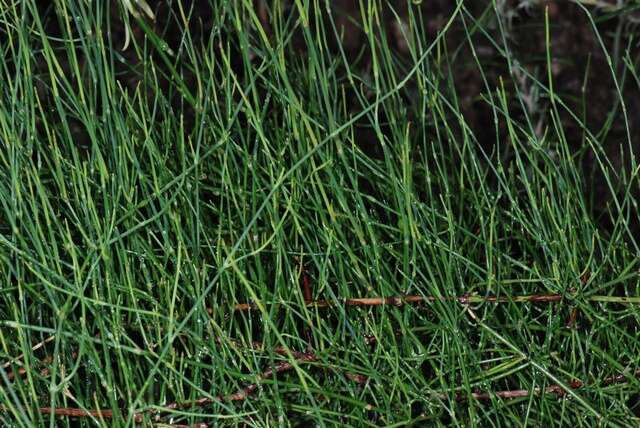
Ephedraceae
Ephedraceae is a family of gymnosperms belonging to Gnetophyta, it contains only a single extant genus, Ephedra, as well as a number of extinct genera from the Early Cretaceous.
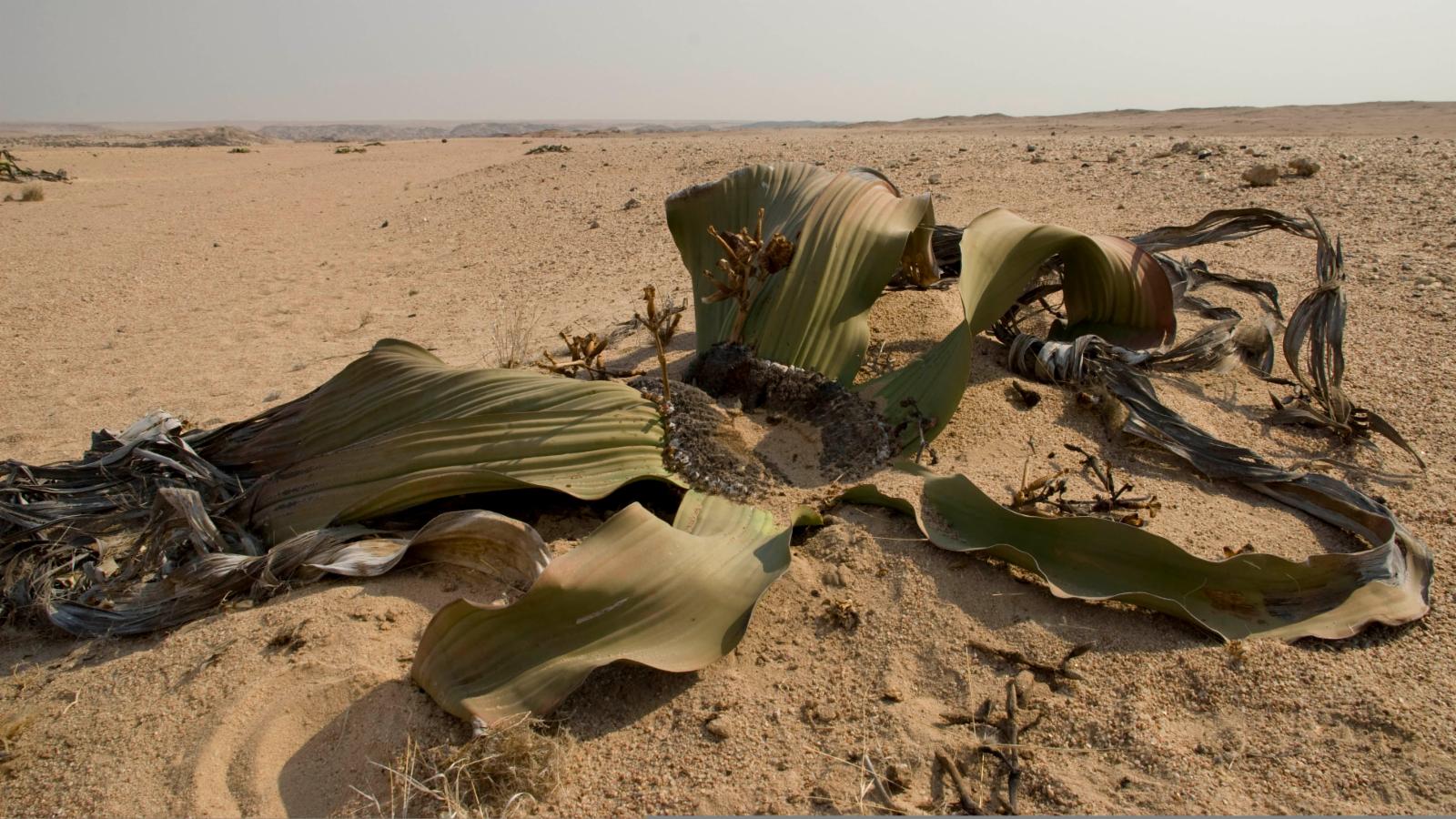
Welwitschiaceae
Welwitschiaceae is a family of plants of the order Gnetales with one living species, Welwitschia mirabilis, found in southwestern Africa. Three fossil genera have been recovered from the Crato Formation – late Aptian (Lower Cretaceous) strata located in the Araripe Basin in northeastern Brazil, with one of these also being known from the early Late Cretaceous (Cenomanian-Turonian) Akrabou Formation of Morocco.