Category
page 1Poales families

Poaceae
Poaceae ( ), also called Gramineae ( ), is a large and nearly ubiquitous family of monocotyledonous flowering plants commonly known as true grasses. It includes the cereal grasses, bamboos, the grasses of natural grassland and species cultivated in lawns and pasture. Poaceae is the most well-known family within the informal group known as grass.
Cyperaceae
The Cyperaceae () are a family of graminoid (grass-like), monocotyledonous flowering plants known as sedges. The family contains around 5,500 described species in about 90 generathe largest being the "true sedges" (Carex), with over 2,000 species.

Bromeliaceae
The Bromeliaceae (the bromeliads) are a family of monocot flowering plants of about 80 genera and 3700 known species, native mainly to the tropical Americas, with several species found in the American subtropics and one in tropical west Africa, Pitcairnia feliciana.
Typhaceae
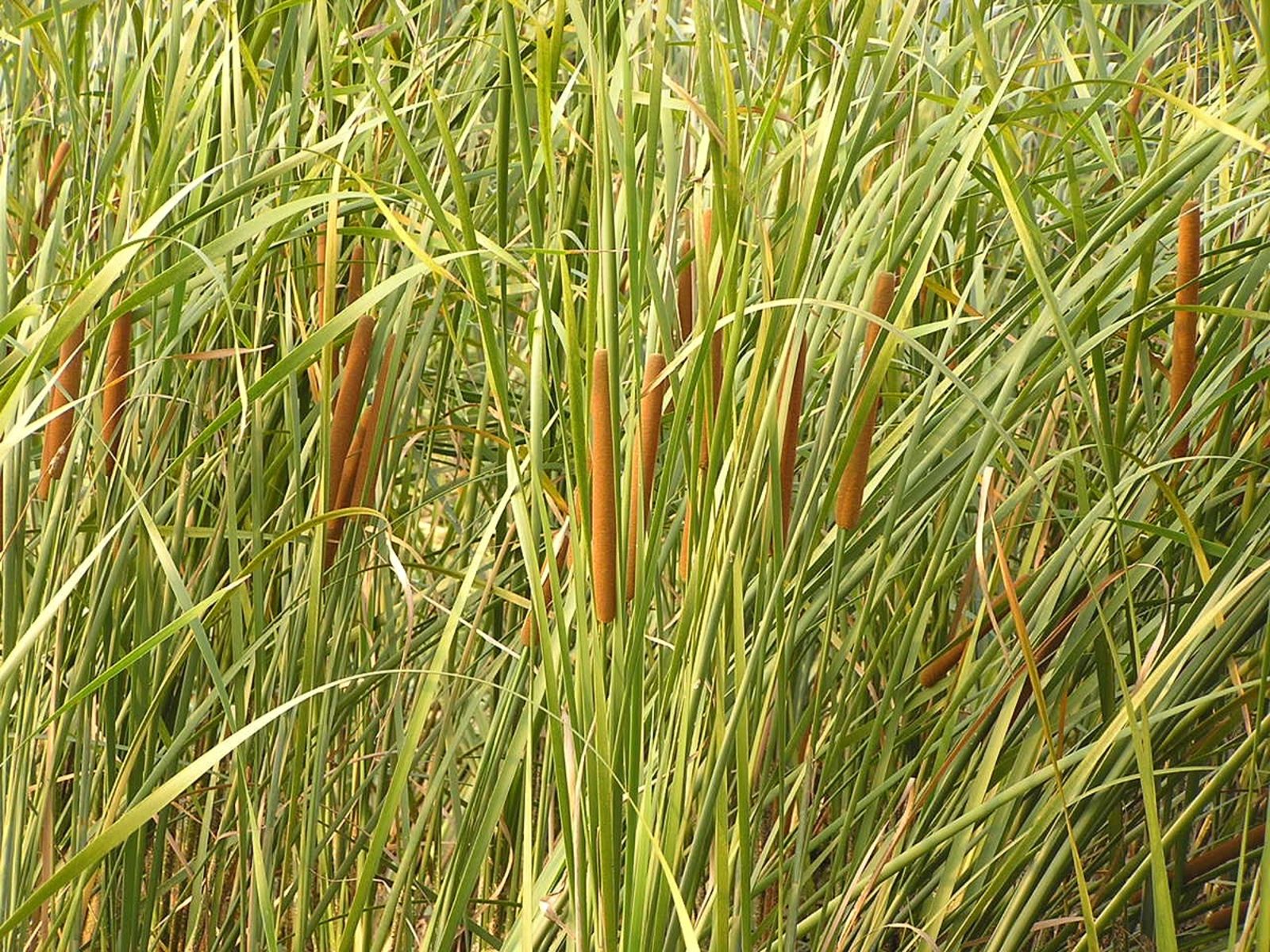
The Typhaceae () are a family of flowering plants, sometimes called the cattail family. The botanical name for the family has been recognized by most taxonomists.

Juncaceae
Juncaceae is a family of flowering plants, commonly known as the rush family. It consists of 7 genera and about 464 known species of slow-growing, rhizomatous, herbaceous monocotyledonous plants that may superficially resemble grasses and sedges. They often grow on infertile soils in a wide range of moisture conditions. The best-known and largest genus is Juncus. Most of the Juncus species grow exclusively in wetland habitats. A few rushes, such as Juncus bufonius are annuals, but most are perennials. Despite the apparent similarity, Juncaceae are not counted among the plants with the vernacul
Xyridaceae
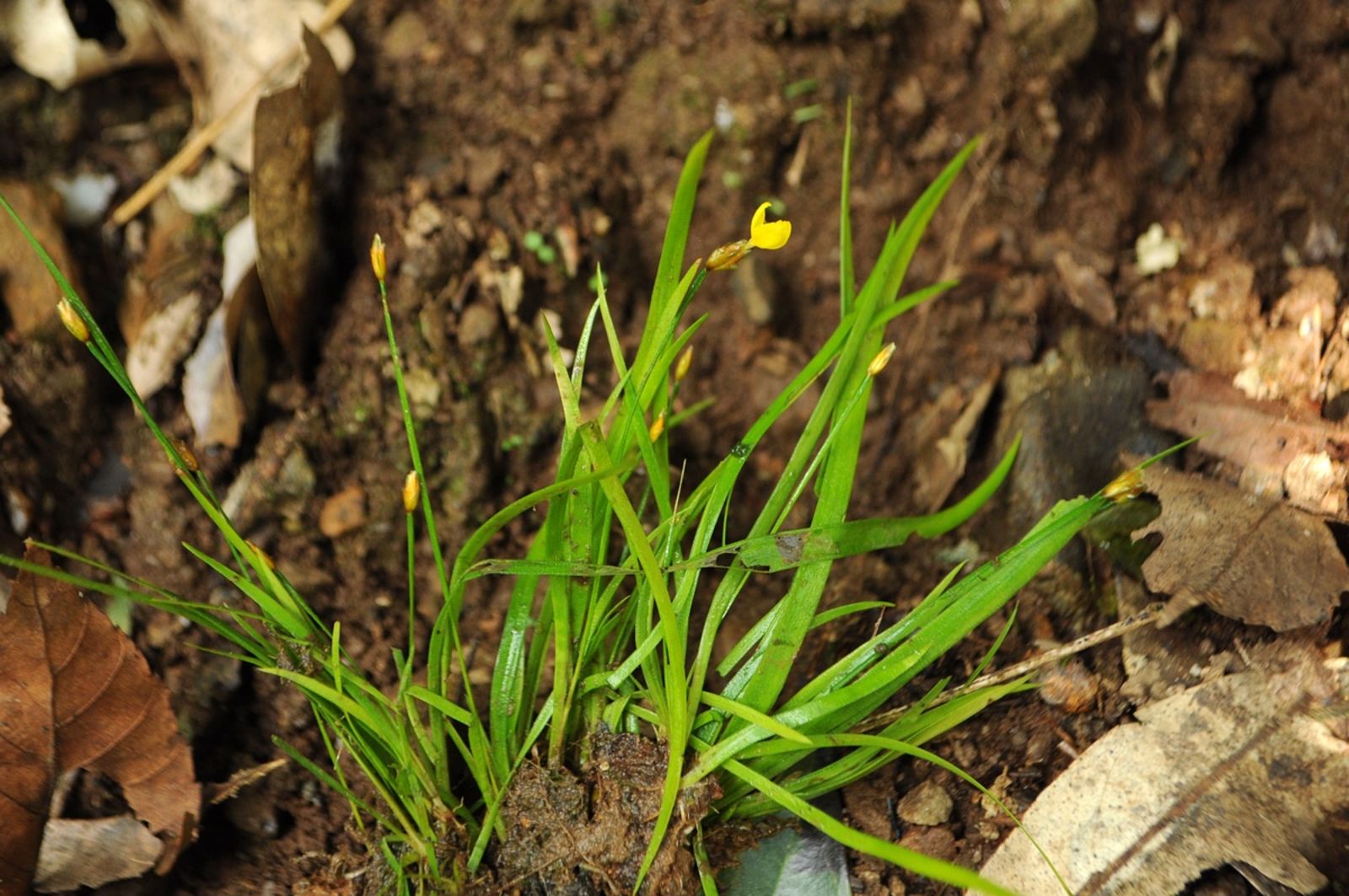
The Xyridaceae are a family of flowering plants. This family has been recognized by many taxonomists and is known as the yellow-eyed grass family.
Restionaceae
The Restionaceae, also called restiads and restios, are a family of flowering plants native to the Southern Hemisphere; they vary from a few centimeters to 3 meters in height. Following the APG IV (2016): the family now includes the former families Anarthriaceae, Centrolepidaceae and Lyginiaceae, and as such includes 51 genera with 572 known species. Based on evidence from fossil pollen, the Restionaceae likely originated more than 65 million years ago during the Late Cretaceous period, when the southern continents were still part of Gondwana.
Eriocaulaceae
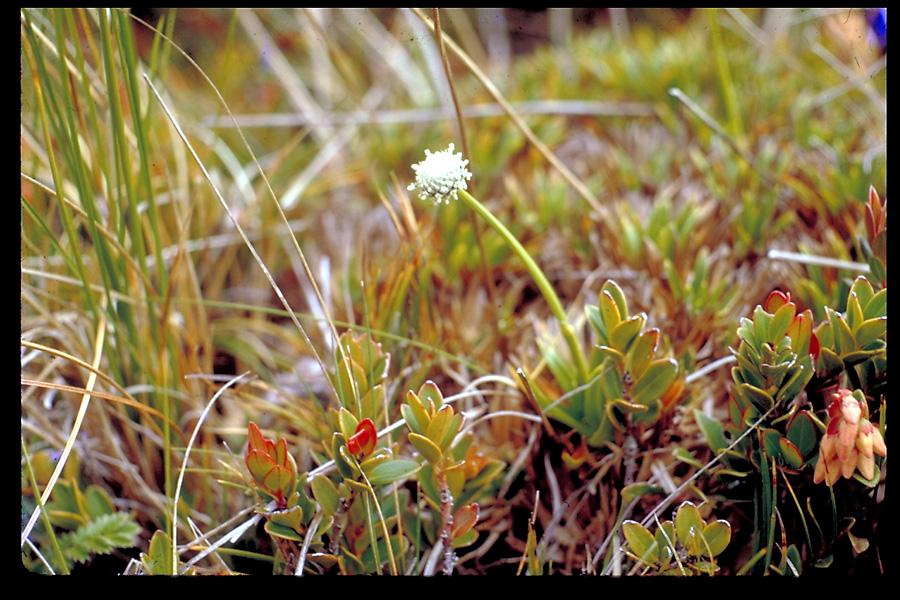
The Eriocaulaceae are a family of monocotyledonous flowering plants in the order Poales, commonly known as the pipewort family. The family is large, with about 1207 known species described in seven genera. They are widely distributed, with the centers of diversity for the group occurring in tropical regions, particularly the Americas. Very few species extend to temperate regions, with only 16 species in the United States, mostly in the southern states from California to Florida, only two species in Canada, and only one species (Eriocaulon aquaticum) in Europe. They tend to be associated with w
Rapateaceae
The Rapateaceae are a family of flowering plants. The botanical name has been recognized by most taxonomists.

Thurniaceae
The Thurniaceae are a family of flowering plants composed of two genera with four species. The botanical name has been recognized by most taxonomists.
Ecdeiocoleaceae
The Ecdeiocoleaceae are a family of flowering plants consisting of two genera and three species. The botanical name has rarely been recognized by taxonomists.
.jpg)
Anarthriaceae
thumb|Hopkinsia anoectocolea

Centrolepidaceae
thumb|Centrolepis cuspidigera
thumb|Centrolepis fascicularis
Joinvilleaceae
The Joinvilleaceae are a family of flowering plants with a single genus including four species. The APG II system, of 2003 (unchanged from the APG system, 1998) assigns it to the order Poales in the clade commelinids in the monocots. The family consists of one genus with four currently accepted species, distributed from the Malay Peninsula to the Caroline Islands and high islands in the Pacific Ocean. It is evolutionarily significant as a relictual group closely related to grasses. They closely resemble large grass plants, in both general appearance and microanatomy, but possess fleshy fruits.
Flagellariaceae
REDIRECT Flagellaria