Category
page 1Poems adapted into films

Iliad
The Iliad (; , ; ) is one of two major ancient Greek epic poems attributed to Homer. It is one of the oldest extant works of literature still widely read by modern audiences. Like the Odyssey, the poem is divided into 24 books and was written in dactylic hexameter. It contains 15,693 lines in its most widely accepted version. The Iliad is often regarded as the first substantial piece of European literature and is a central part of the Epic Cycle.

Odyssey
The Odyssey (; ) is one of two major epics of ancient Greek literature attributed to Homer. It is one of the oldest surviving works of literature and remains popular with modern audiences. Like the Iliad, the Odyssey is divided into 24 books. It follows the heroic king of Ithaca, Odysseus, also known by the Latin variant Ulysses, and his homecoming journey after the ten-year long Trojan War. His journey from Troy to Ithaca lasts an additional ten years, during which time he encounters many perils and all of his crewmates are killed. In Odysseus's long absence, he is presumed dead, leaving his

Epic of Gilgamesh
epic poem from Mesopotamia, is amongst the earliest surviving works of literature

Shahnameh
thumb|Plate with a hunting scene from the tale of Bahram V|Bahram Gur and Azadeh. The imagery on this plate represents the earliest known depiction of a well-known episode from the story of Bahram Gur, which seems to have been popular for centuries, but was only recorded in the Shahnameh, centuries after this plate was created. Iran, [[Metropolitan Museum of Art]]

Aeneid
thumb|300px|Aeneas Flees Burning Troy, by Federico Barocci (1598). [[Galleria Borghese, Rome, Italy]]
right|thumb|300px|Map of Aeneas' fictional journey

Beowulf
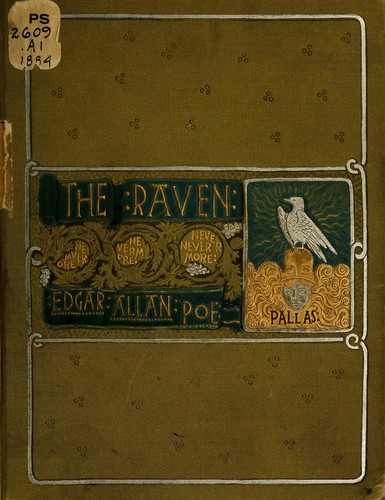
The Raven
narrative poem by Edgar Allan Poe

Argonautica
thumb|Jason and the Argonauts Arriving at Colchis, by Charles de La Fosse. The poem Argonautica was written specifically for Ptolemaic Alexandria, but it has long been a resource for other dynasties seeking to illustrate their power and ambitions. This painting is located in the Château de Versailles.

Jabberwocky
right|thumb|The Jabberwock, as illustrated by John Tenniel, 1871
"Jabberwocky" is a nonsense poem written by Lewis Carroll about the killing of a creature named "the Jabberwock". It was included in his 1871 novel Through the Looking-Glass, the sequel to ''Alice's Adventures in Wonderland'' (1865). The book tells of Alice's adventures within the back-to-front world of the Looking-Glass world.

Jerusalem Delivered
epic poem by the Italian poet Torquato Tasso first published in 1581; tells a mythified account of the First Crusade in which Christian knights led by Godfrey of Bouillon battle to take Jerusalem
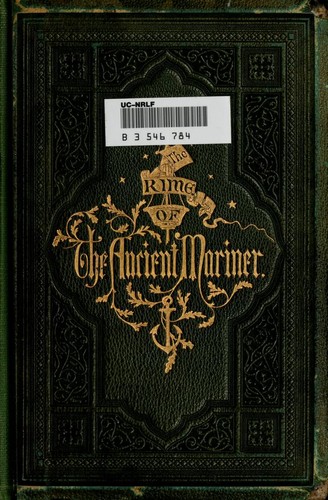
The Rime of the Ancient Mariner
1798 poem by Samuel Taylor Coleridge

Annabel Lee
poem by Edgar Allan Poe
Don Juan
satiric poem by Lord Byron

Meghadūta
thumb|upright=1.35|King looking at a cloud in a night sky. Meghadūta illustration. Guler State|Guler School of [[Pahari painting, c. 1800. Lahore Museum]]
thumb|A Sanskrit manuscript of मेघदूतम् (Meghadūtam), the celebrated long poem by Kālidāsa, fl. ca. 5th century AD, India.
thumb|upright|A scene from Meghaduta with the yaksha and the cloud messenger, with the first verse of the poem - on an Indian stamp (1960)
thumb|upright|Artist's impression of Kalidasa composing the Meghaduta
Meghadūta (, Sanskrit: मेघदूतम्, literally Cloud Messenger) is a lyric poem written by Kālidāsa (c. 4th–5th centu

The Song of Hiawatha
epic poem by Henry Wadsworth Longfellow
Martín Fierro
epic poem by José Hernández
The Hunting of the Snark
nonsense poem by Lewis Carroll
The Tale of the Fisherman and the Fish
fairy tale by Alexander Pushkin

Kumārasaṃbhava
Kumārasambhavam ( ) (transl. - "The Birth of Kumāra") is an epic poem by Kālidāsa. It is widely regarded as the finest work of Kalidasa as well as the greatest kāvya poem in Classical Sanskrit. The style of description of spring set the standard for nature metaphors pervading many centuries of Indian literary tradition. Kumārasaṃbhavam narrates the birth of Kumāra (Kārtikeya), the son of Shiva (Śiva) and Pārvatī (Umā). The period of composition is uncertain, although Kalidasa is thought to have lived in the 5th century.

The Charge of the Light Brigade
poem by Alfred, Lord Tennyson (1854)

The Light of Asia
book

Aniara
Aniara () is a book-length epic science fiction poem written by Swedish Nobel laureate Harry Martinson from 1953 to 1956. It narrates the tragedy of a large passenger spacecraft carrying a cargo of colonists escaping destruction on Earth veering off course, leaving the Solar System and entering into an existential struggle. The style is symbolic, sweeping and innovative for its time, with creative use of neologisms to suggest the science fictional setting. It was published in its final form on 13October 1956.

Evangeline
thumb|Monument to Acadians, [[St. Martinville, Louisiana]]
Evangeline, A Tale of Acadie is an epic poem by the American poet Henry Wadsworth Longfellow, written in English and published in 1847. The poem follows an Acadian girl named Evangeline and her search for her lost love Gabriel during the expulsion of the Acadians (1755–1764).
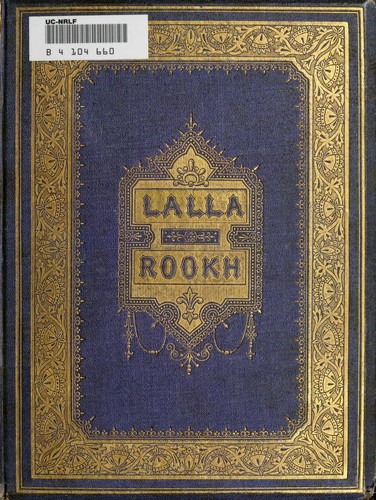
Lalla Rookh
1817 poem by Thomas Moore
John the Valiant
poem by Sándor Petőfi (1844)

Enoch Arden
1864 poem written by Alfred, Lord Tennyson

Casey at the Bat
baseball poem written during 1888 by Ernest Thayer

Phra Aphai Mani
Nirat written by Sunthorn Phu
The Love and Death of Cornet Christopher Rilke
book by Rainer Maria Rilke