Category
page 1Polychaetes

Polychaeta
Polychaeta () is a paraphyletic class of generally marine annelid worms, commonly called bristle worms or polychaetes (). Each body segment has a pair of fleshy protrusions called parapodia which bear many chitinous bristles called chaetae, hence their name.
%20(22754473376).jpg)
Giant tube worm

Arenicola marina
marine worm

Osedax
Osedax is a genus of siboglinid polychaetes, commonly called snot worms or bone-eating worms. Osedax is Latin for 'bone devourer', derived from the worms' unique ecological niche of bone-boring. Osedax settle on a bone, then secrete an acid through specialized root tissues to dissolve the bone's external layers in order to access the lipids within. Osedax act as ecosystem engineers, enhancing the biodiversity of bones they inhabit by increasing their structural complexity, allowing microfauna to inhabit otherwise inaccessible regions of the internal bone.

Myzostomida
The Myzostomida or Myzostomatida are an order of small marine worms, which are parasitic on echinoderms, mostly crinoids. These highly unusual and diverse annelids were first discovered by Friedrich Sigismund Leuckart in 1827.

Amphinomidae
Amphinomidae, also known as the fireworms, bristle worms or sea mice, are a family of marine polychaetes, many species of which bear chaetae mineralized with carbonate. The best-known amphinomids are the fireworms, which can cause great pain if their toxin-coated chaetae are touched or trodden on. Their relationship to other polychaete groups is somewhat poorly resolved.

Bearded fireworm
species of annelid

Eunicidae
Eunicidae is a family of marine polychaetes (bristle worms), inhabiting diverse benthic habitats across Oceania, Europe, South America, North America, Asia and Africa.

Sedentaria
Sedentaria is a diverse clade of annelid worms. It is traditionally treated as a subclass of the paraphyletic class Polychaeta, but it is also a monophyletic group uniting several polychaetes and the monophyletic class Clitellata. It is the sister group of Errantia.''''''

palolo worm
species of invertebrate in the Eunicidae family

Bonellia
genus of annelids

Arenicolidae
Arenicolidae is a family of marine polychaete worms. They are commonly known as lugworms and the little coils of sand they produce are commonly seen on the beach. Arenicolids are found worldwide, mostly living in burrows in sandy substrates. Most are detritivores but some graze on algae.
Haplodrili
Haplodrili, or Archiannelida, is an order of primitive polychaete worms. Zoologist Ray Lankester gave it the name haplodrili, while zoologist Berthold Hatschek later named it Archiannelida. Once considered to be a class under Annelida, and even a separate phylum, Haplodrili is now widely accepted to be an order under Polychaeta. Species in this order are known for completely lacking external segments.

Lumbrineridae
Iris worms (Lumbrineridae) are a family of polychaetes in the order Eunicida. Lumbrineridae live in oceans worldwide. They are mostly bottom-dwelling species but exist in habitats ranging from the deep sea to shallows.
thumb|An iris worm photographed at University of Washingtons Friday Harbor Labs

Paraonidae
Paraonidae is a family of polychaetes belonging to the order Cirratulida.
Scolecida
Scolecida is an infraclass of polychaete worms. Scolecids are mostly unselective deposit feeders on marine detritus.
Dorvilleidae
Dorvilleidae is a family of polychaetes belonging to the order Eunicida. The family Dorvilleidae comprises 32 genera and around 200 species. It includes the majority of the smaller forms of the eunicemorph polychaetes. The family name has been in common use since Chamberlin (1919).

Chaetopteridae
The Chaetopteridae are a family of marine filter-feeding polychaete worms that live in vertical or U-shaped tubes in tunnels buried in the sedimentary or hard substrate of marine environments. The worms are highly adapted to the hard tube they secrete. Inside the tube the animal is segmented and regionally specialized, with highly modified appendages on different segments for cutting the tunnel, feeding, or creating suction for the flow of water through the tube home. The modified segments for feeding are on the 12th segment from the head for members of this family.

Palpata
Palpata is a subclass of polychaete worm. Members of this subclass are mostly deposit feeders on marine detritus or filter feeders. Palpata has become superfluous with the elevation of Canalipalpata to subclass.
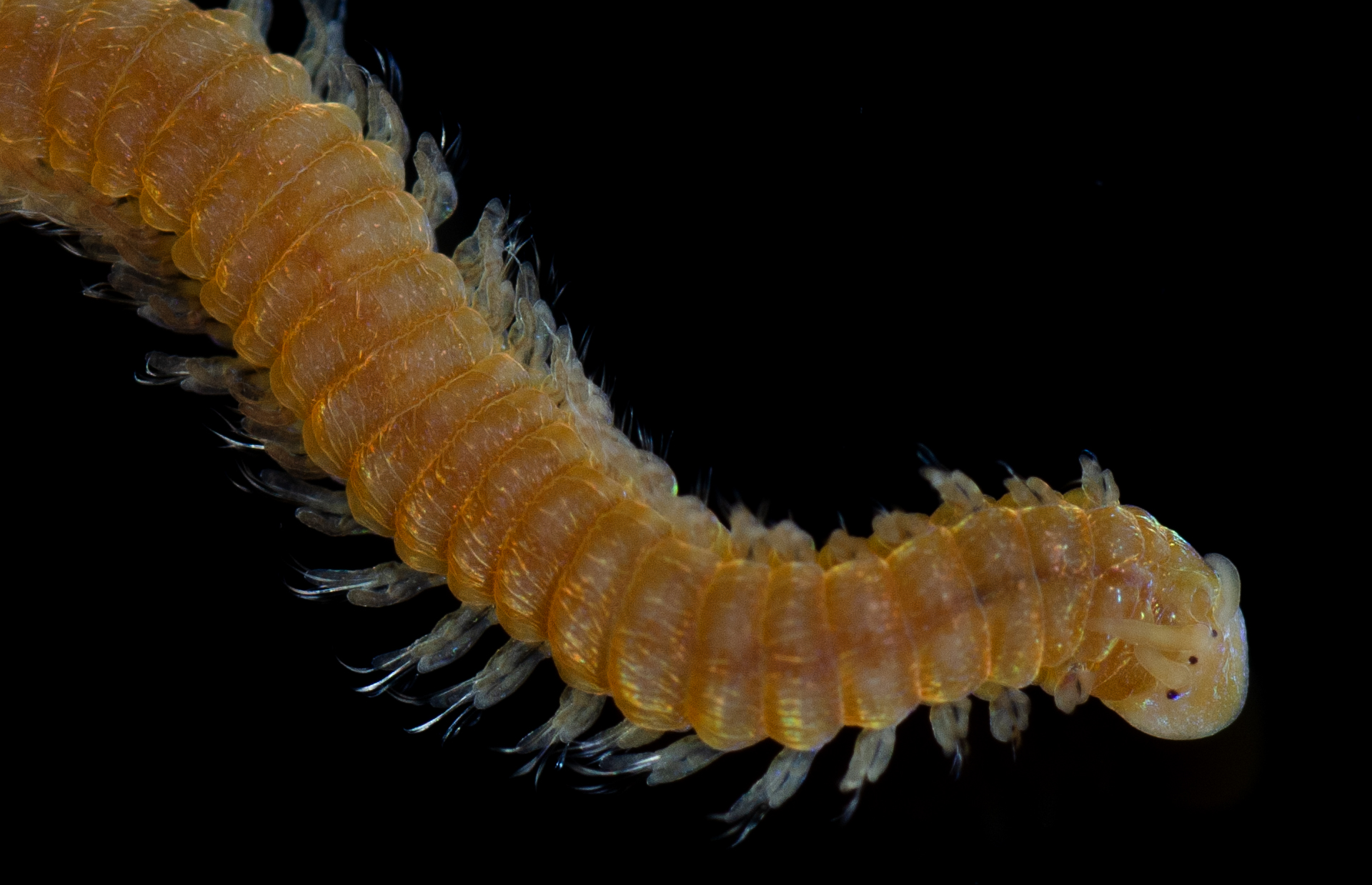
Oenonidae
Oenonidae is a family of polychaetes belonging to the order Eunicida.
Scalibregmatidae
Scalibregmatidae is a family of polychaetes belonging to the order Opheliida, and was first described by Anders Johan Malmgren in 1867.

Typhloscolecidae
Typhloscolecidae is a family of polychaetes belonging to the order Phyllodocida.

Maldanidae
Maldanidae is a family of more than 200 species of marine polychaetes commonly known as bamboo worms or maldanid worms. They belong to the order Capitellida, in the phylum Annelida. They are most closely related to family Arenicolidae, and together form the clade Maldanomorpha.
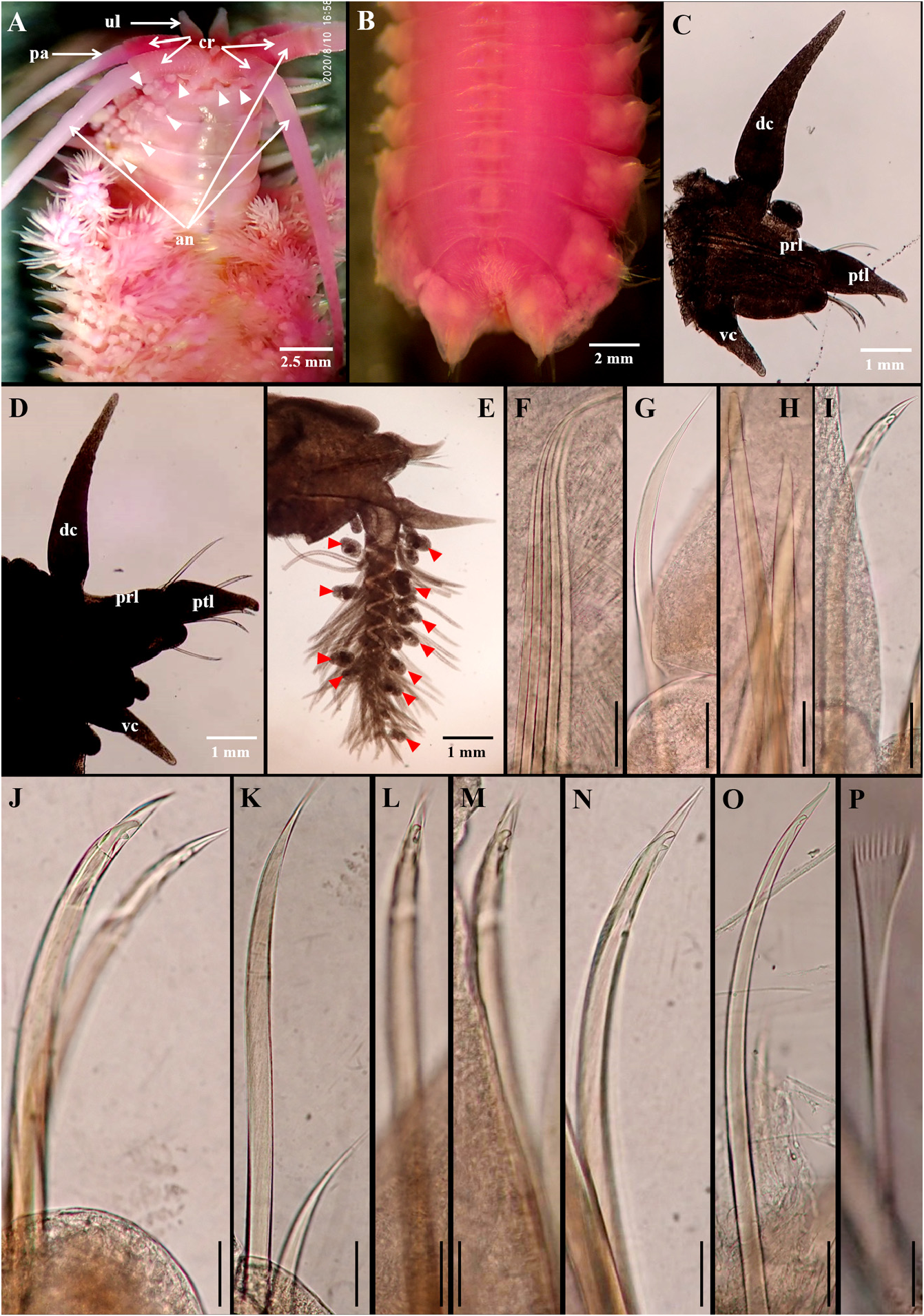
Onuphidae
The Onuphidae are a family of polychaete worms.
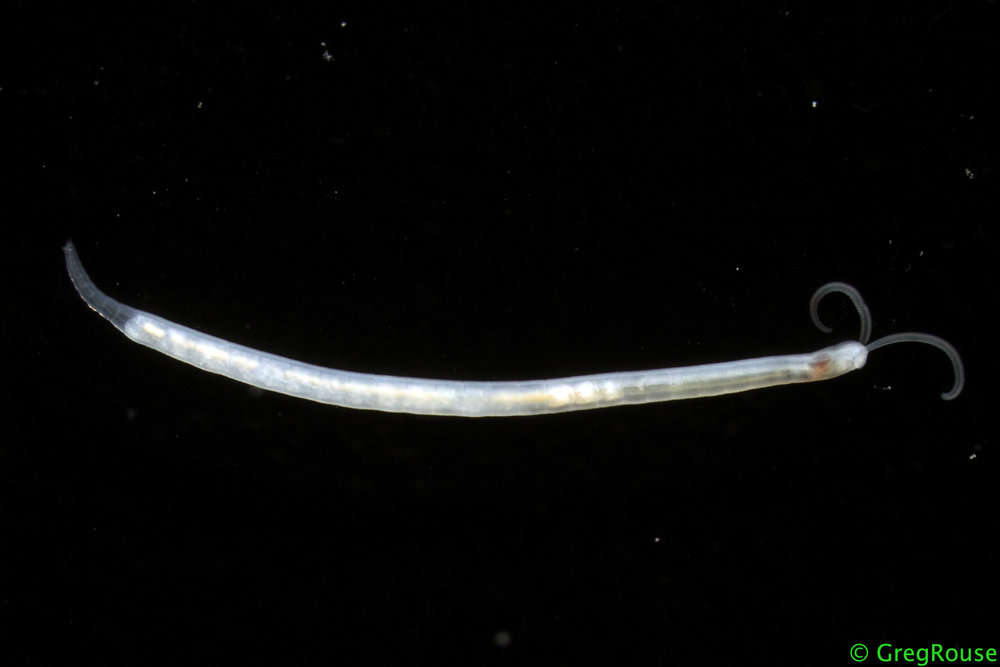
Protodrilidae
Protodrilidae is a family of polychaetes belonging to the order Protodrilida.
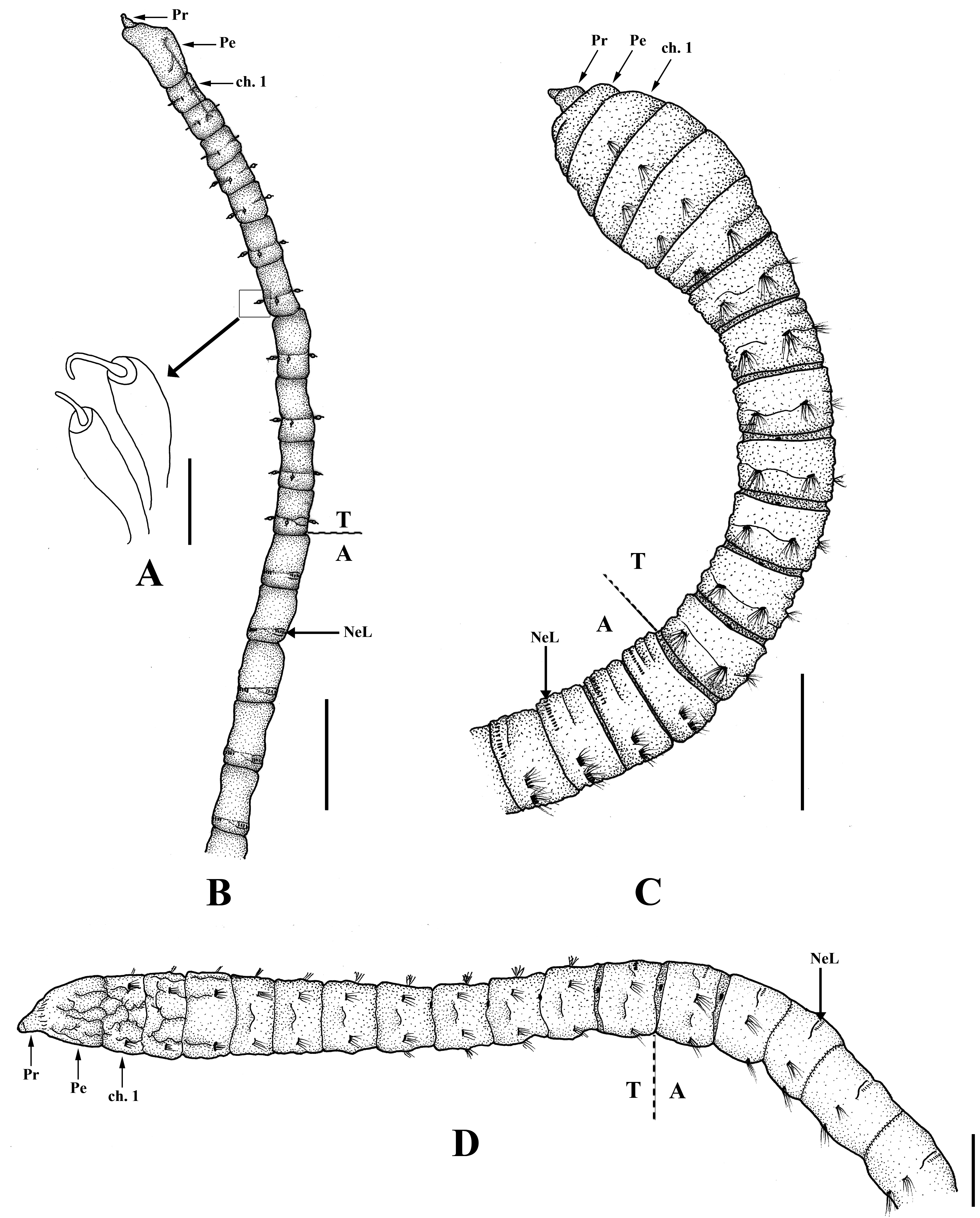
Capitellidae
Capitellidae is a polychaete worm family in the subclass Scolecida.
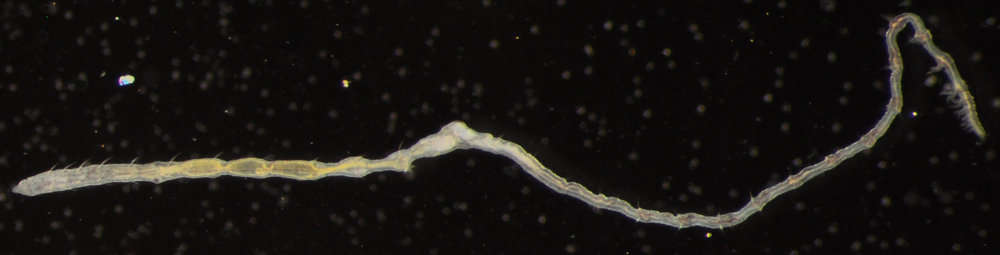
Orbiniidae
Orbiniidae is a family of polychaete worms. Orbiniids are mostly unselective deposit feeders on marine detritus. They can be found from the neritic zone to abyssal depths.
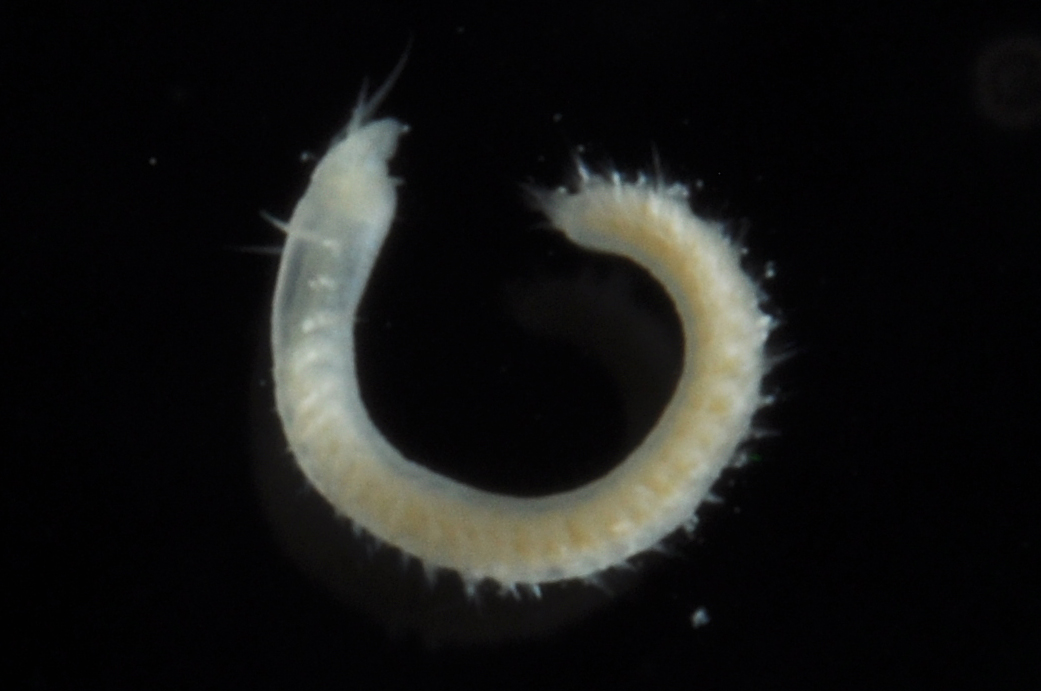
Pilargidae
Pilargidae is a family of polychaetes. These marine worms are cylindrical, somewhat flattened, and can be ribbon-like. They can be found free-living on sediment, or shallowly in sediment. Some species within the genera Hermundura and Litocorsa are known to burrow, having reduced heads and parapodia. Two species are known to be commensal with other polychaetes. Pilargis berkeleyae will live in the tubes of Chaetopteridae, and Ancistrosyllis commensalis will live in Capitellidae burrows. Pilargid worms are almost all exclusively predators, classified as carnivore omnivores. They are similar in a

Arenicola
Arenicola, also known as sandworms, is a genus of capitellid annelid worms comprising the lugworms and black lugs.
Capitella capitata
species of annelid
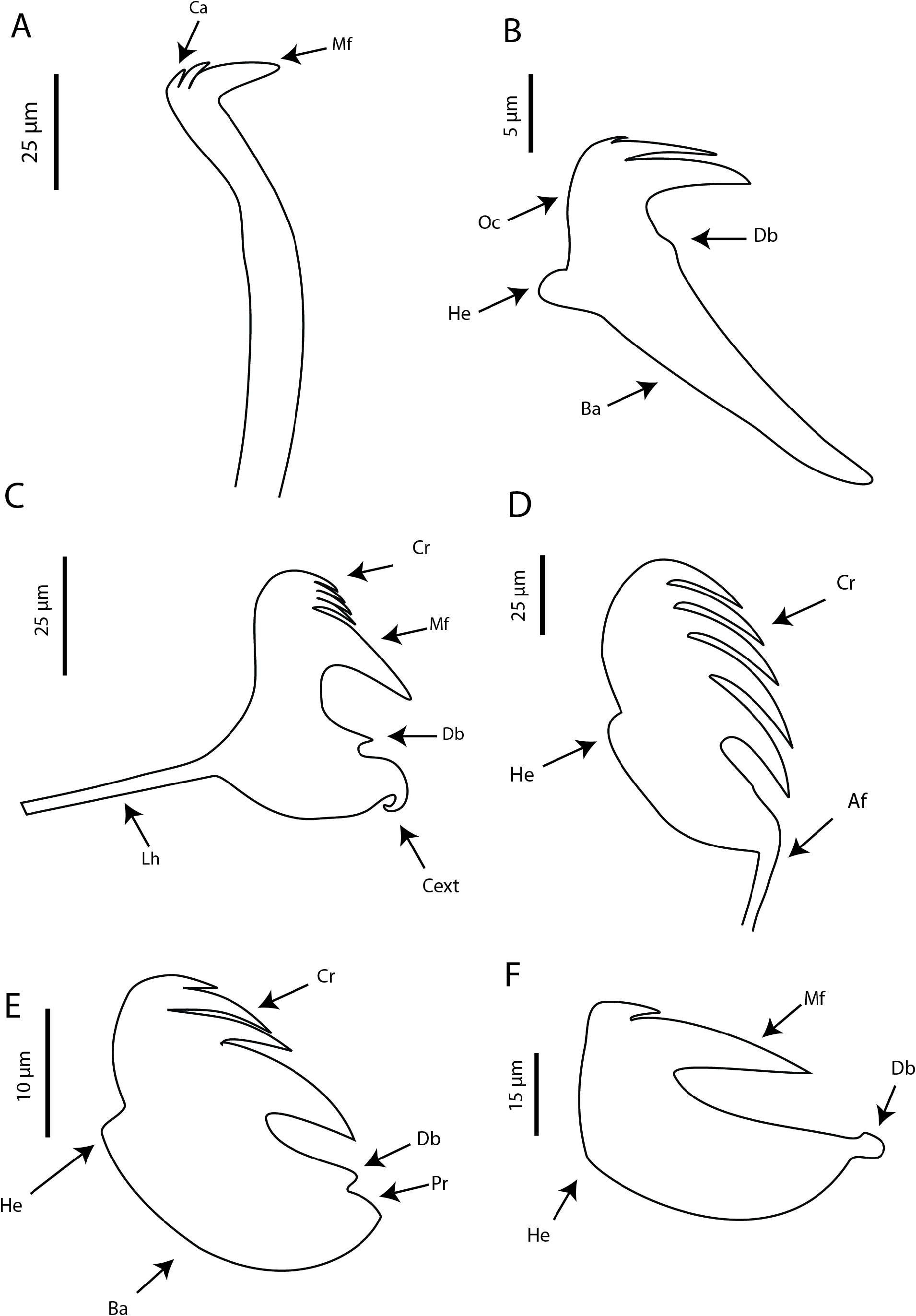
Trichobranchidae
Trichobranchidae is a family of annelids in the order Terebellida.
Uncispionidae
Uncispionidae is a family of polychaetes belonging to the order Spionida.
Polydora cilliata
species of annelid

Opheliidae
Opheliidae is a family of small, annelid worms. Some of the genera, like Armandia, Ophelina and Polyophthalmus, have lost their circular muscles. The Opheliidae family of polychaete; marine annelid worms, play an essential role in marine ecosystems as “deposit feeders” that aid in the recycling of nutrients and sediment mixing in muddle and sandy habitats. Due to their distinctive adaptations that include streamlined bodies and specialized muscles they can burrow in various marine environments.

Arenicola cristata
species of annelid

Cossuridae
family of annelids

Fauveliopsidae
Fauveliopsidae is a family of polychaetes belonging to the order Terebellida. The genus name honours Pierre Fauvel.
Parergodrilidae
Parergodrilidae is an enigmatic family of polychaetes with only two genera, Stygocapitella, which lives on the coast; and Parergodrilus, which is terrestrial.
Iphionidae
Iphionidae is a family of polychaetes belonging to the order Phyllodocida.
Escarpia laminata
species of annelid
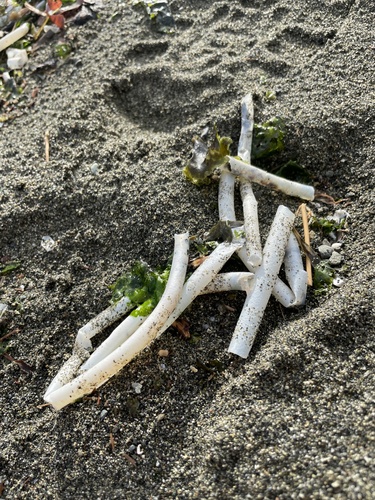
Escarpia
Escarpia is a genus of polychaetes belonging to the family Siboglinidae.
Australonuphis
Australonuphis, commonly called Australian beach worms, are a genus of polychaetous annelids of the family Onuphidae that inhabit the intertidal zone of coastal beaches and are attracted to the surface by the stimulus of food. They are sought by anglers to be used as bait for fishing. Some species can grow more than two metres in length. They are blind but have a very good sense of smell, and eat decaying meat, fish and seaweeds that have washed to shore.
Lacydoniidae
Lacydoniidae is a family of polychaetes belonging to the order Phyllodocida.
Dinophilidae
Dinophilidae is a family of orbiniid annelids comprising the two genera Dinophilus and Trilobodrilus, first linked based on their sperm morphology.

Nerillidae
The Nerillidae are a family of invertebrates containing these genera:
Meganerilla
Mesonerilla
Nerilla
Nerillidium
Nerillidopsis
Paranerilla
Psammoriedlia
Thalassochaetus
Troglochaetus

Nothria
Nothria is a genus of polychaetes belonging to the family Onuphidae.

Palola
Palola is a genus of polychaetes belonging to the family Eunicidae.
Sandcastle worm
species of annelid
Ophelina acuminata
species of annelid
Phylo
genus of annelids

Scalibregma
Scalibregma is a genus of polychaetes belonging to the family Scalibregmatidae.
Myzostoma
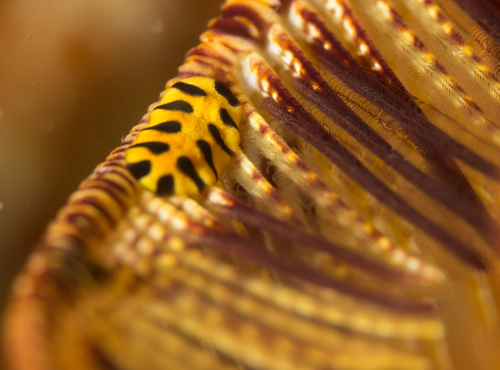
Myzostoma is a genus of marine worms in the family Myzostomatidae. They are parasites of crinoids.

Terebella
Terebella is a genus of polychaetes belonging to the family Terebellidae.

Ophryotrocha puerilis
species of annelid

Psammodrilus balanoglossoides
species of annelid
Thelepus
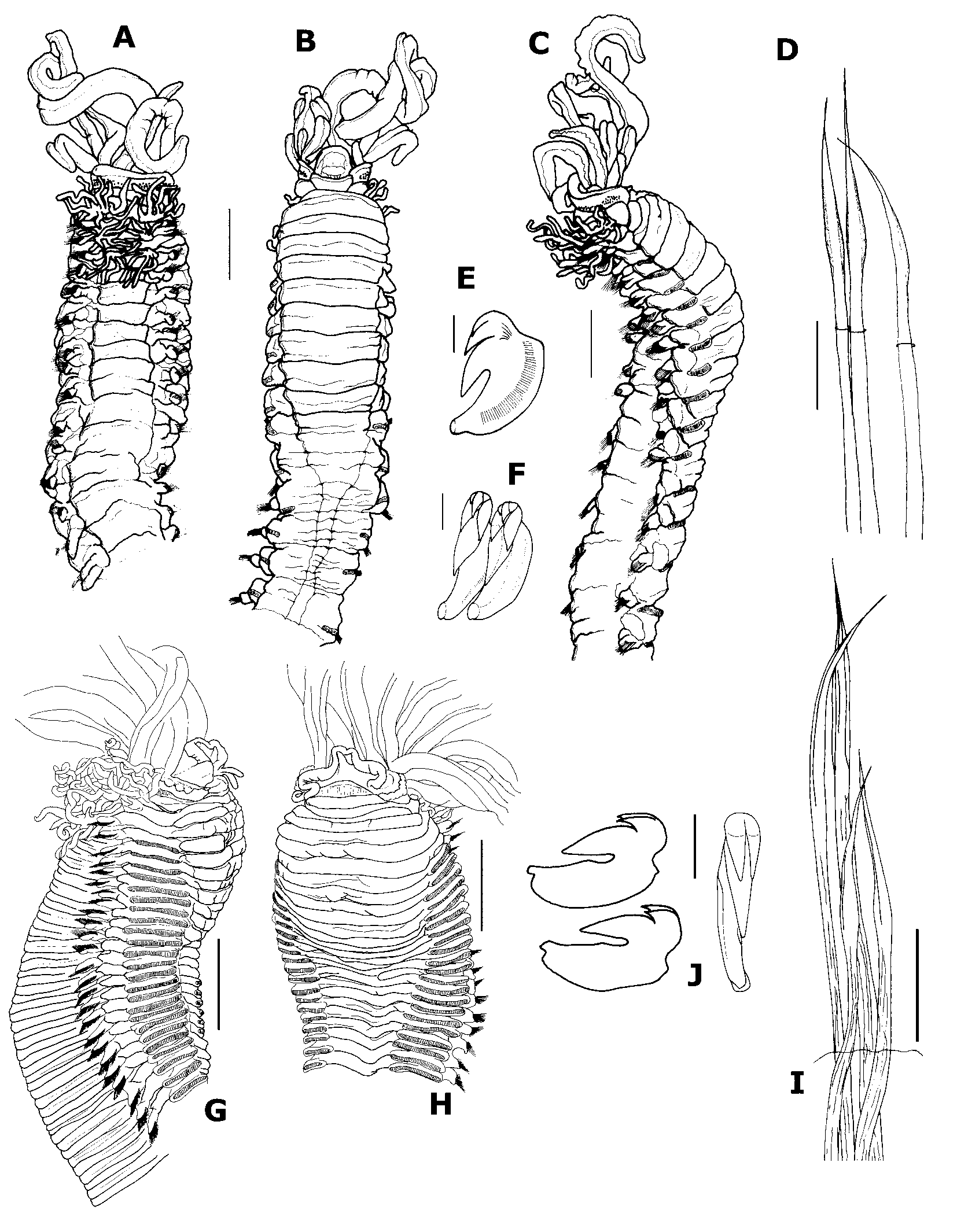
Thelepus is a genus of polychaetes belonging to the family Terebellidae.
Hartmaniellidae
Hartmaniellidae is a family of polychaetes belonging to the order Eunicida.

Neoamphitrite
Neoamphitrite is a genus of polychaetes belonging to the family Terebellidae.
Dinophilus taeniatus
species of annelid

Lumbrineris
Lumbrineris is a genus of polychaetes belonging to the family Lumbrineridae.