Category
page 1Polyphaga families

Cerambycidae
family of wood-boring beetles with long antennae

Buprestidae
Buprestidae is a family of beetles known as jewel beetles or metallic wood-boring beetles because of their glossy, iridescent colors. Larvae of this family are known as flatheaded borers. The family is among the largest of the beetles, with some 15,500 species known in 775 genera. In addition, almost 100 fossil species have been described.
Geotrupidae
thumb|thumbtime=0:26|Anoplotrupes stercorosus

Cleridae
Cleridae are a family of beetles of the superfamily Cleroidea. They are commonly known as checkered beetles. The family Cleridae has a worldwide distribution, and a variety of habitats and feeding preferences.

Mordellidae
The Mordellidae are a family of beetles commonly known as tumbling flower beetles for the typical irregular movements they make when escaping predators, or as pintail beetles due to their abdominal tip which aids them in performing these tumbling movements. Worldwide, there are about 1500 species.
.jpg)
Byrrhidae
Byrrhidae, the pill beetles, is a family of beetles in the superfamily Byrrhoidea. They are generally found in damp habitats within cooler-high latitude regions of both hemispheres. Most byrrhids feed on moss, lichens and algae, though some species feed on vascular plants. The oldest undoubted record of the family is Lidryops from the earliest Late Cretaceous Charentese amber of France, with other less certain records going back to the Middle Jurassic, but these possibly belong to Byrrhoidea. There around 500 extant species in 40 genera.

Oedemeridae
The family Oedemeridae is a cosmopolitan group of beetles commonly known as false blister beetles, though some recent authors have coined the name pollen-feeding beetles. There are some 100 genera and 1,500 species in the family, mostly associated with rotting wood as larvae, though adults are quite common on flowers. The family was erected by Pierre André Latreille in 1810.

Lycidae
The Lycidae are a family in the beetle order Coleoptera, members of which are commonly called net-winged beetles. These beetles are cosmopolitan, being found in Nearctic, Palearctic, Neotropical, Afrotropical, Oriental, and Australian ecoregions.

Trogidae
Trogidae, sometimes called hide beetles, is a family of beetles with a distinctive warty or bumpy appearance. Found worldwide, the family includes about 300 species contained in four or five genera.
Trogossitidae
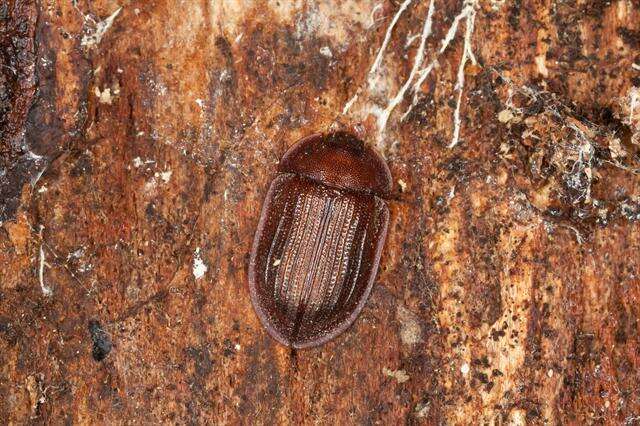
Trogossitidae, also known as bark-gnawing beetles, are a small family in the superfamily Cleroidea. Many taxa formerly within this family have been removed (as of 2019) to other families, such as Lophocateridae, Peltidae, Protopeltidae, Rentoniidae, and Thymalidae. Members of the family are generally predatory and/or feed on fungi, both in adult and larval stages, and are generally associated with wood, being found under bark or inside bored tunnel galleries. There are about 400 species in 25 genera in the family under the new, restricted circumscription, as opposed to 600 species in over 50 g

Elmidae
thumb|upright|Hydora picea illustration by Des Helmore
Elmidae, commonly known as riffle beetles, is a family of beetles in the superfamily Byrrhoidea described by John Curtis in 1830. Both adults and larvae are usually aquatic, living under rocks in fast-flowing shallow areas of streams, such as riffles, feeding on algae and biofilms. There are more than 150 genera and 1,500 described species in Elmidae. The oldest record of the group is Cretohypsilara from the Cenomanian aged Burmese amber.
Byturidae
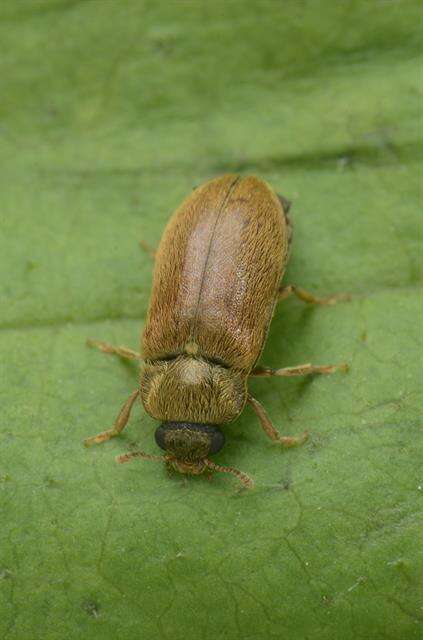
Byturidae, also known as fruitworms, are small family of cleroid beetles with over 15 described species, primarily distributed in the Holarctic and Southeast Asia. The larvae of at least some genera feed on fruit, such as Byturus, a notable commercial pest of Rubus (blackberries and raspberries) consuming both the fruit and seeds, while others like Xerasia are associated with catkins. The adults are known to feed on developing leaves, flowers and pollen.
Melyridae
Melyridae (common name: soft-winged flower beetles) are a family of beetles of the superfamily Cleroidea.
Endomychidae
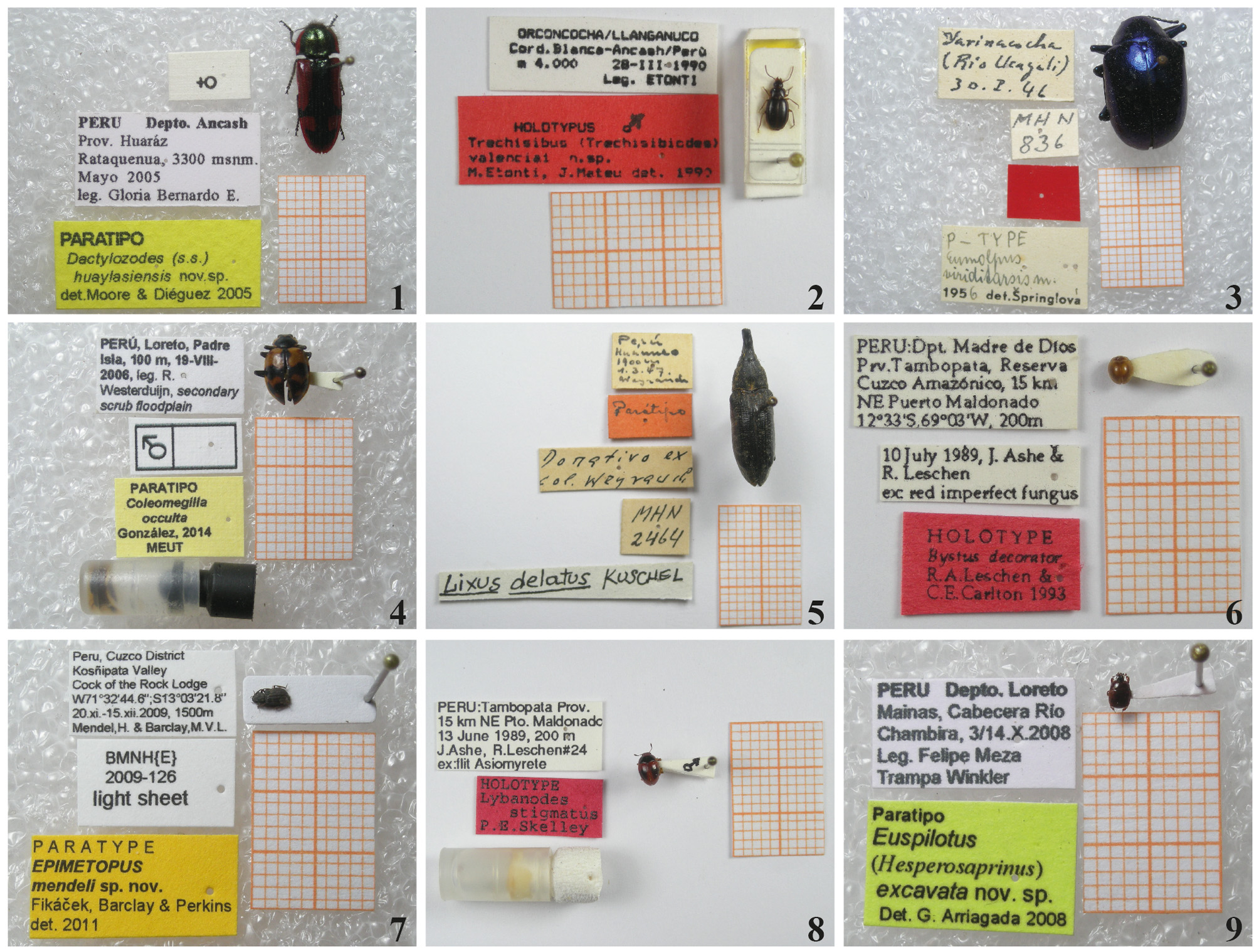
Endomychidae, or handsome fungus beetles, is a family of beetles with representatives found in all biogeographic realms. There are around 120 genera and 1300 species. The family was established based on the type genus Endomychus, a genus erected in 1795 by Panzer which was applied to a species that Linnaeus called Chrysomela coccinea. As the common name suggests, Endomychidae feed on fungi. Crowson, in his influential treatment of the beetles, placed the family within the Cucujoidea. They have a tarsal formal of 4-4-4 or 3-3-3 and the wings lack a closed radial cell. The second antennal segmen

Ripiphoridae
thumb|right|upright|Ripiphorid Planidium|triungulin on a braconid wasp wing
Ripiphoridae (formerly spelled Rhipiphoridae) is a cosmopolitan family of some 450 described species of beetles sometimes called "wedge-shaped beetles". Ripiphoridae are unusual among beetle families in that many species are hypermetamorphic parasitoids, an attribute that they share with the Meloidae. Members of the family differ in their choice of hosts, but most attack various species of bees or wasps, while some others attack cockroaches or beetles. Many species of Ripiphoridae have abbreviated elytra, and flabellat
.jpg)
Scirtidae
thumb|Scirtes hemisphaericus, North Wales

Nemonychidae
Nemonychidae is a small family of weevils, placed within the primitive weevil group because they have straight rather than geniculate (elbowed) antennae. They are often called pine flower weevils. As in the Anthribidae, the labrum appears as a separate segment to the clypeus, and the maxillary palps are long and projecting. Nemonychidae have all ventrites free, while Anthribidae have ventrites 1-4 connate or partially fused. Nemonychidae lack lateral carinae on the pronotum, while these are usually present, though may be short, in Anthribidae.
Eucnemidae
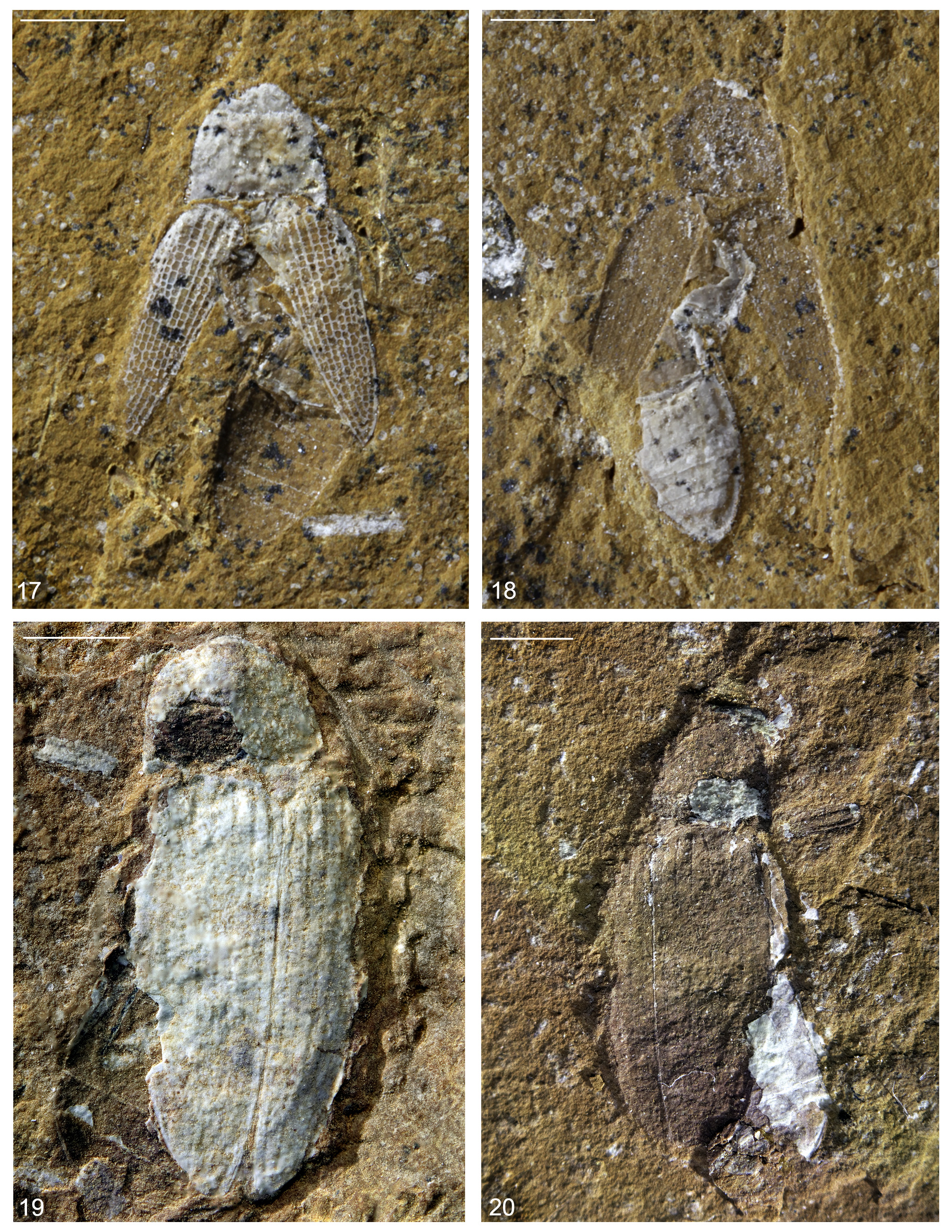
Eucnemidae, or false click beetles, are a family of elateroid beetles based on the type genus Eucnemis; they include about 1700 species, distributed worldwide.
Bothrideridae
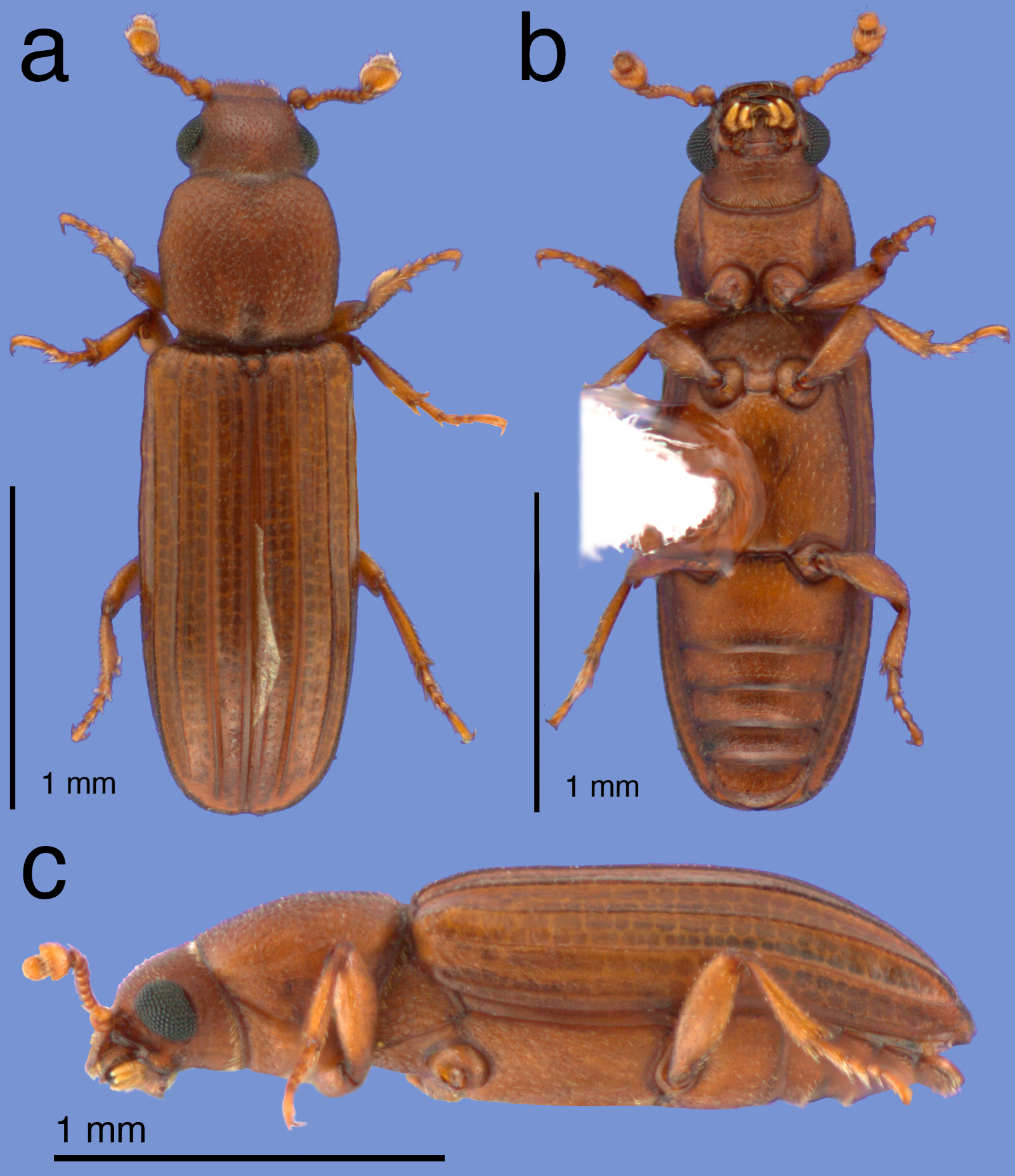
Bothrideridae is a family of beetles in the superfamily Coccinelloidea. They are known commonly as the cocoon-forming beetles or dry bark beetles. They occur worldwide with most native to the Old World tropics. In older literature, the family was often included in the family Colydiidae (e.g.,), but is now considered unrelated.
Aderidae
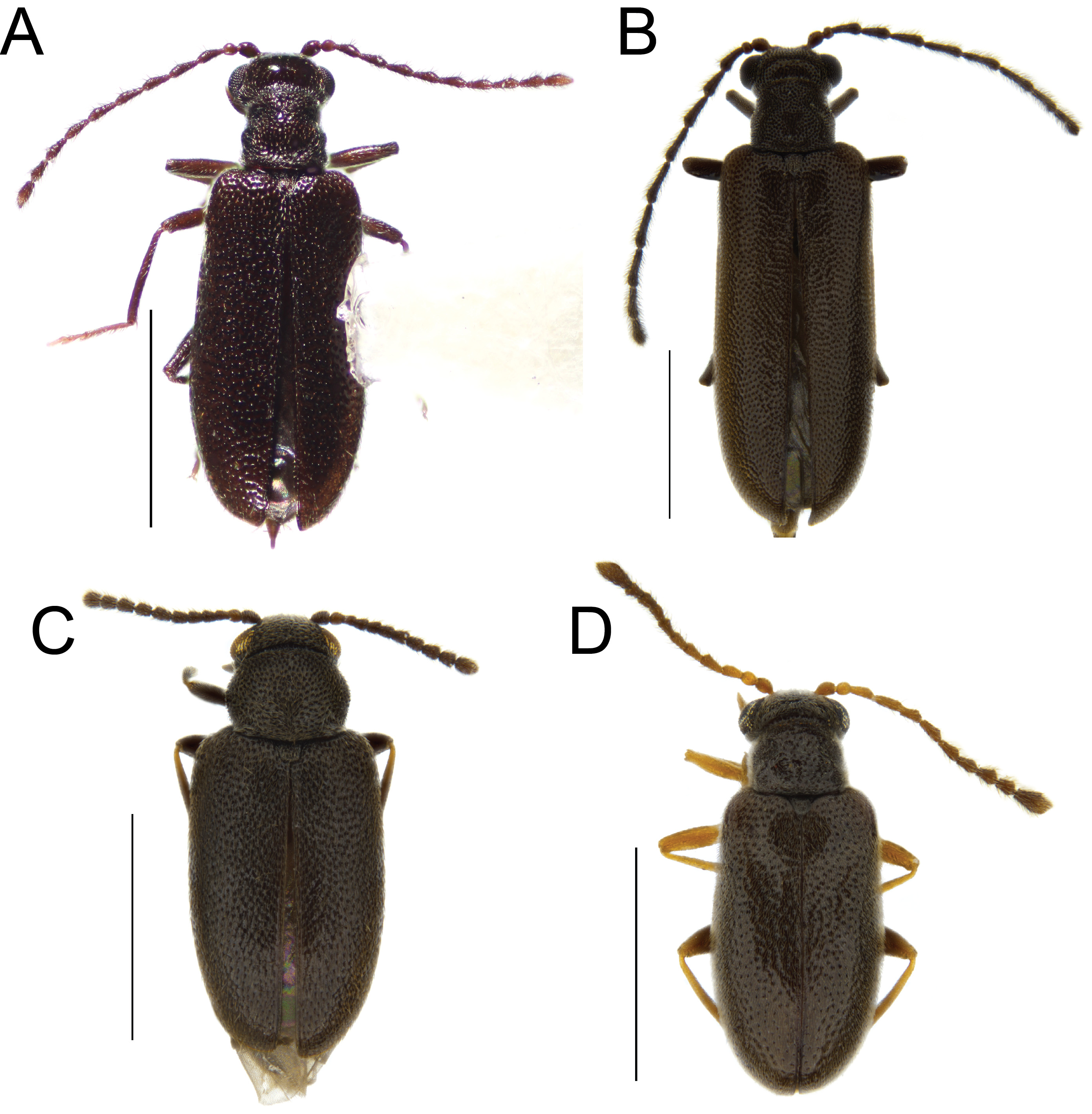
The Aderidae, sometimes called ant-like leaf beetles, are a family of beetles that bear some resemblance to ants. The family consists of about 1,000 species in about 40 genera, of which most are tropical, although overall distribution is worldwide.

Megalopodidae
The Megalopodidae are a small family of leaf beetles, previously included as a subfamily within the Chrysomelidae. One of its constituent subfamilies, Zeugophorinae, has also frequently been treated as a subfamily within Chrysomelidae. The family contains approximately 30 genera worldwide, primarily in the nominate subfamily Megalopodinae, and mostly circumtropical.

Latridiidae
Latridiidae (sometimes spelled "Lathridiidae") is a family of tiny, little-known beetles commonly called minute brown scavenger beetles or fungus beetles. The number of described species currently stands at around 1050 in 29 genera but the number of species is undoubtedly much higher than this and increases each time a new estimate is made.
Boridae
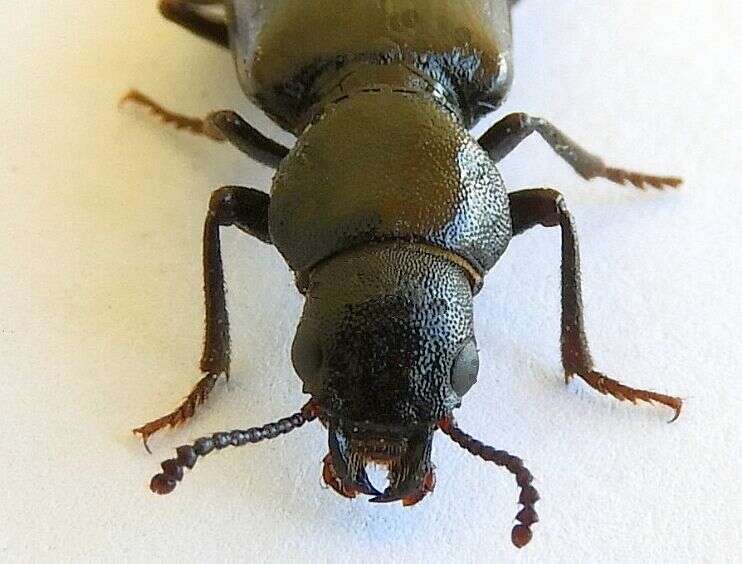
The Boridae are a small family of tenebrionoid beetles with no vernacular common name, though recent authors have coined the name conifer bark beetles. The family contains three genera. Boros is native to North America and northern Eurasia, Lecontia is endemic to North America, while Synercticus is found in Australia and New Guinea. The larvae of Boros are found under bark and are especially associated with standing dead trees (snags), typically pines, found in old-growth forests. Lecontia larvae are found inhabiting damp parts of the root system of dead standing trees. Little is known of the
Biphyllidae
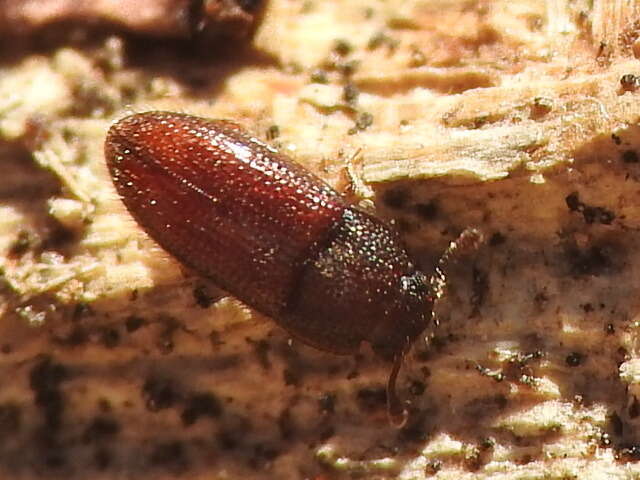
Biphyllidae, or false skin beetles, are a family of beetles, in the superfamily Cleroidea. They have a cosmopolitan distribution (excluding New Zealand). About 195 species are known. They live under the bark of dead trees and in leaf litter, and are mycophagous, feeding on fungi.
Orsodacnidae
The Orsodacnidae are a small family of leaf beetles, previously included as a subfamily within the Chrysomelidae. It is the smallest of the chrysomeloid families in North America; Oxypeltidae is smaller, with only three species in South America. A fossil species of Aulacoscelis is known from the Early Cretaceous (Aptian-Albian) Santana Group of Brazil.

Limnichidae
Limnichidae, commonly called minute marsh-loving beetles, is a family of beetles belonging to Byrrhoidea. There are at least 30 genera and 350 described species in Limnichidae. They are found worldwide, with the greatest diversity in tropical regions. Most species seem to be associated with water-adjacent habitats, such as riparian and coastal locations, though many species are likely fully terrestrial, with some species being associated with leaf litter and arboreal habitats. Species with known diets feed on moss or algae. The oldest fossils of the family are known from mid-Cretaceous Burmese

Cerylonidae
thumb|Cerylon figures 1-4

Corylophidae
thumb|Sericoderus lateralis
Corylophidae is a family of minute hooded beetles, sometimes called minute fungus beetles, in the superfamily Coccinelloidea. There are about 18 genera and at least 120 described species in Corylophidae. They feed on microfungi such as molds, and are often found associated with bark, as well as in leaf litter and other decaying vegetation. In older literature, the family name was often given as Orthoperidae.
Rhynchitidae
thumb|thumbtime=0:04|Byctiscus populi in copula and leaf-rolling
Alexiidae
Alexiidae is a family of beetles. It contains a single genus, Sphaerosoma, formerly included within the family Cerylonidae, with around 50 species which are native to the western Palearctic. Species of Sphaerosoma are very small, around 1 to 2 mm in length rounded beetles with clubbed antennae. They are fungivores, having been observed feeding on mushrooms, and have also been found in leaf litter and on decaying bark.

Rhipiceridae
Rhipiceridae is a family of beetles found worldwide. The larva of rhipicerids are parasitoids of cicada nymphs. Rhipiceridae and Dascillidae form the super family Dascilloidea, within the Elateriformia.
Chalcodryidae
The Chalcodryidae are a family of beetles in the superfamily Tenebrionoidea. It contains at least five species in two genera Chalcodrya and Philpottia, which are endemic to New Zealand. They are generally found associated with moss or lichen covered branches, with the larvae having been found to be associated with dead twigs. They are likely noctural, feeding on lichen and other plant material at night. The genera Sirrhas and Onysius, formerly placed in this family, have subsequently been transferred to Promecheilidae.
Acanthocnemidae
REDIRECT Acanthocnemus
Vesperidae
The Vesperidae are a small family of beetles, normally classified within the family Cerambycidae, of heterogeneous aspect but all characterised by larval stages related to roots of herbaceous plants or trees
Callirhipidae
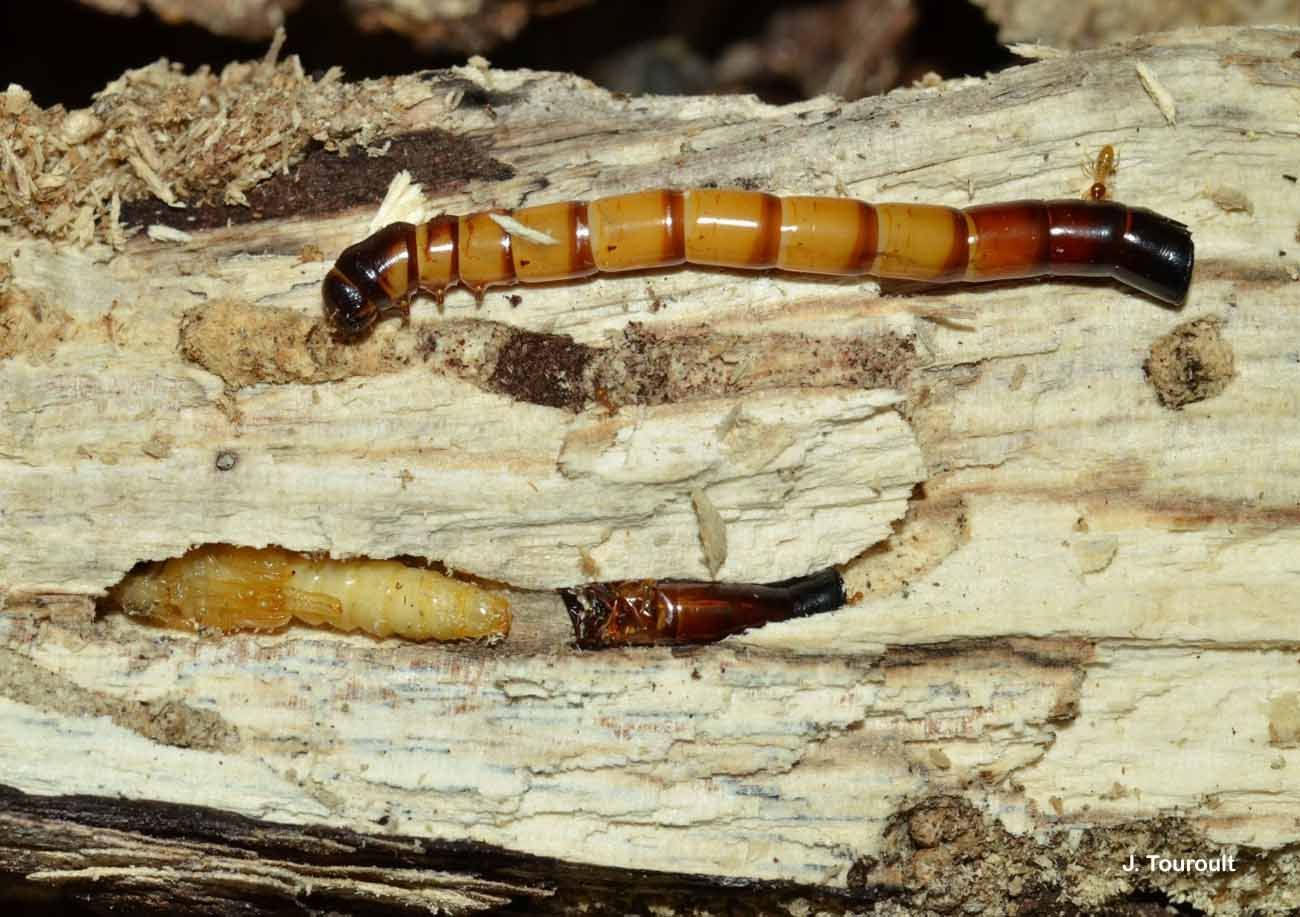
Callirhipidae (also known as Callirhipidae Cedar Beetles) is a family of beetles, found widely throughout low-latitude regions except tropical Africa and Madagascar. There are around 175 species in 7 genera. The larvae bore into dead wood and generally have a life span of 2 or more years. The adults are generally nocturnal.

Prionoceridae
Prionoceridae is a small family of beetles, in the suborder Polyphaga. They form a group within the cleroid beetles and were formerly treated as a subfamily (Prionocerinae) within the family Melyridae. Very little is known of their life history but most species are pollen feeders as adults and occur in large numbers during spring or the host flowering season. Larvae are predatory or feed on decomposing wood.
Chaetosomatidae
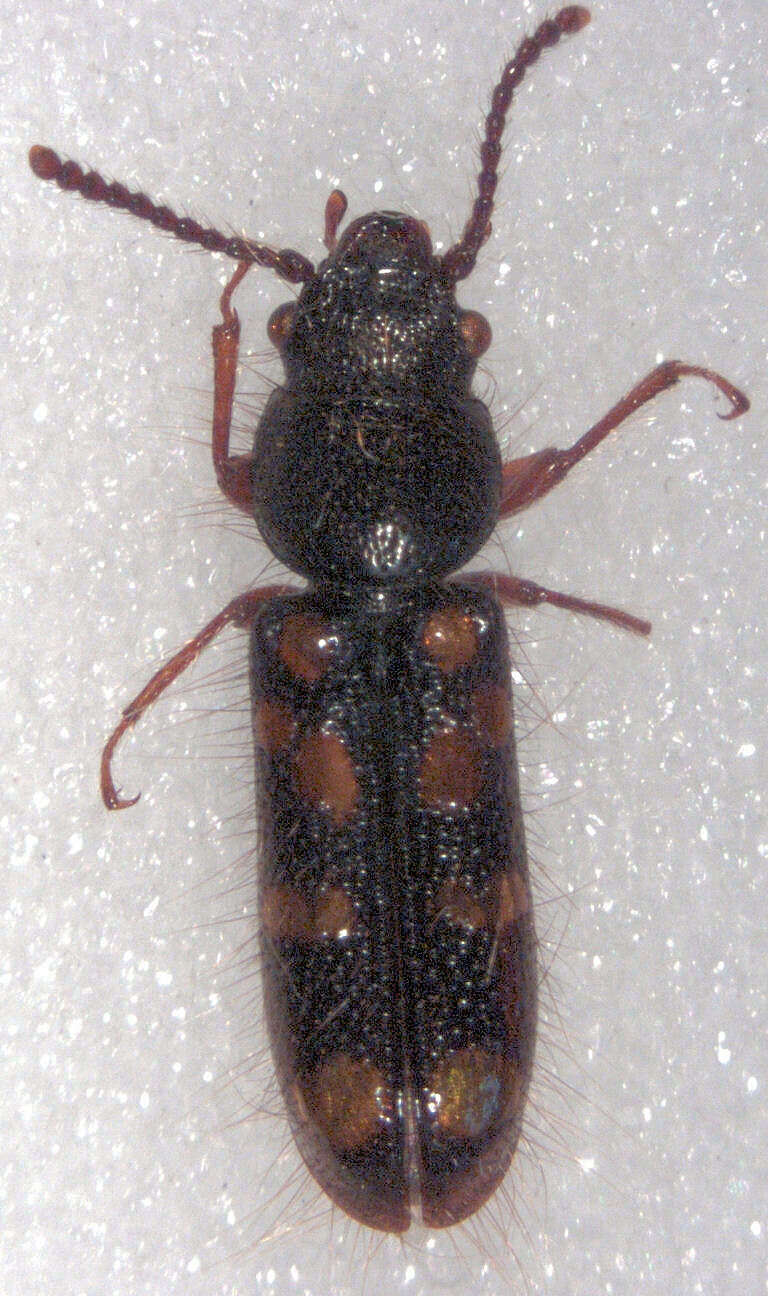
Chaetosomatidae is a small family of beetles, in the superfamily Cleroidea. There are three extant genera, two of which (Chaetosoma and Chaetosomodes) are endemic to New Zealand with the other (Malgassochaetus) native to Madagascar. Members of this family are predaceous on wood-boring insects.
Oxypeltidae
The Oxypeltidae are a small family belonging to the superfamily Chrysomeloidea, widespread in the Andean region of Chile and Argentina. They have traditionally been considered a group within the Cerambycidae.
Discolomatidae
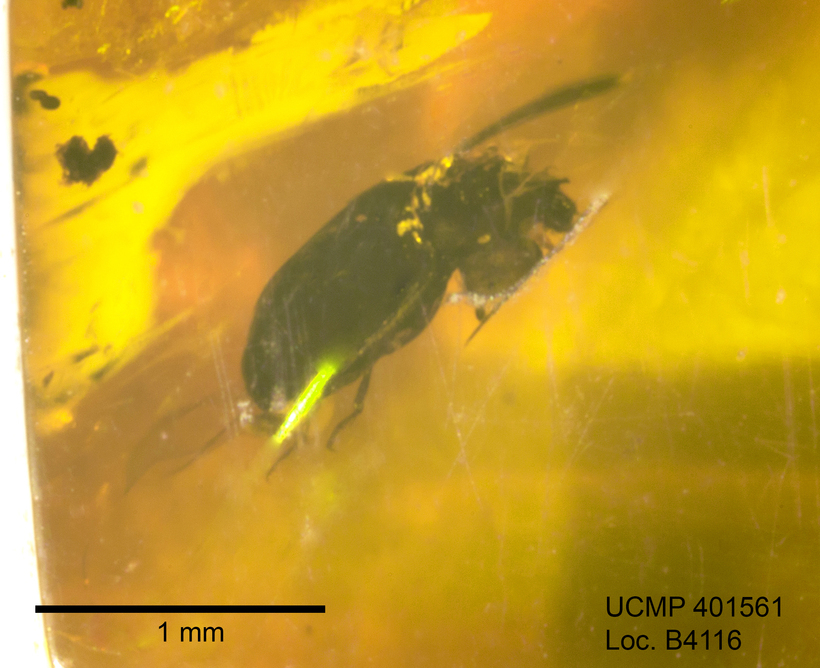
Discolomatidae is a family of beetles in the superfamily Coccinelloidea. It contains approximately 400 species in 16 genera, which are found mostly found in tropical regions, being largely absent from temperate regions. They have generally been found associated with decaying vegetation or fungi, and are therefore assumed to be fungivorous. Some species are associated with ants (myrmecophily). The larvae have unusual flattened sclerotised bodies, with heads that are concealed from above.
Chelonariidae
Chelonariidae or turtle beetles is a family of beetles in the superfamily Byrrhoidea. It was described by Blanchard in 1845. There are 3 genera with around 300 described species. Little is known of their ecology, though it seems they are associated with the roots of orchids and the nests of ants and termites. Their exoskeletons are heavily sclerotised and their limbs can be effectively retracted into their bodies due to the presence of socket-like cavities. Adult specimens have seed-shaped bodies that are typically colored brown or black with lighter patches.
Disteniidae
The Disteniidae are a small family of beetles in the superfamily Chrysomeloidea, traditionally treated as a group within the Cerambycidae (most resembling certain Lepturinae such as the genus Stenocorus, but having long fine antennae and sometimes metallic colours).
Anamorphidae
Anamorphidae is a family of beetles in the superfamily Coccinelloidea, formerly included within the family Endomychidae. They are found worldwide. Like enchomyids, they are fungivores, with adult and larval stages thought to exclusively consume fungal spores.
Phycosecidae
Phycosecidae is a family of beetles in the superfamily Cleroidea., containing the single genus Phycosecis found in Australia, New Caledonia, New Zealand and Vanuatu. The beetles are small, about 1.5–3.5 mm in length. They live in sandy coastal areas, and are saprophagous, feeding on faeces, carrion, and dead arthropods during the daytime.
Erirhinidae
Erirhinidae is a family of marsh weevils in the order Coleoptera. There are about 12 genera and at least 40 described species in Erirhinidae.
Phloiophilidae
REDIRECT Phloiophilus
Rhinorhipidae
REDIRECT Rhinorhipus
Cneoglossidae
Cneoglossidae is a family of beetles in the superfamily Byrrhoidea, containing nine described species in a single genus, Cneoglossa, which are native to the Neotropics from Mexico to Brazil. The larvae develop inside rotting submerged branches found in small fast flowing shallow streams.
Peltinae
REDIRECT Peltis

Murmidiidae
Murmidiidae is a family of beetles in the superfamily Coccinelloidea, formerly included within the family Cerylonidae. The family contains thirty-four described species in four genera, which are found worldwide. They are typically found under the bark of recently dead trees, and are thought to be mycophagous. The species Murmidius ovalis, found worldwide, is noted as a pest of stored food.
Mauroniscidae
Mauroniscidae is a family of cleroid beetles, formerly included in the family Melyridae. There are presently five or six genera and roughly 30 described species in Mauroniscidae, all of which are native to the Americas. Almost nothing is known about their biology.
Eupsilobiidae
Eupsilobiidae is a family of beetles in the superfamily Coccinelloidea, formerly included within the family Endomychidae. Most genera are restricted to the Neotropics, while the genus Eidoreus is found worldwide. They are fungivores, and have been observed living commensally in bee and ant nests.
Thanerocleridae
Thanerocleridae is a family of beetles belonging to the superfamily Cleroidea. It was formerly considered a subfamily of Cleridae, but was recently elevated to the rank of family. The family has 36 living species in 10 genera, which are found globally, mostly in low-latitude tropical regions, though the genus Zenodosus is found in temperate North America. Thaneroclerid species are likely all predatory both in adult and larval stages. They target small fungus and wood associated beetles, and are generally found in places where such beetles are likely to be found, typically tree associated habit
Metaxinidae
REDIRECT Metaxina

Teredidae
Teredidae is a family of beetles in the superfamily Coccinelloidea, formerly included within the family Bothrideridae. There are around 160 species in 10 genera, found worldwide except South America. Teredids are generally found under bark, in the galleries of wood-boring beetles, or in leaf litter. They are thought to be fungivores. The oldest records of the family are Delteredolaemus from mid-Cretaceous aged Burmese amber from Myanmar and a species of Teredolaemus from Eocene aged Baltic amber.
Mycetaeidae
Mycetaeidae is a family of beetles in the superfamily Coccinelloidea, formerly included within the family Endomychidae. There are two genera currently included in the family, Agaricophilus and Mycetaea, which are morphologically divergent from each other, and it is unclear whether they are closely related. Mycetaea is found in North America, Europe and South Africa, while Agaricophilus is restricted to Europe. While the life history of Agaricophilus is obscure, Mycetaea is known to be mycophagous, feeding on molds.
Euxestidae
Euxestidae is a family of beetles in the superfamily Coccinelloidea, formerly included within the family Cerylonidae. They are around 70 extant species in 10 genera, distributed primarily in the tropical and subtropical regions of Afro-Eurasia. They are found in decomposing wood, leaf litter, ant nests, and the fungus gardens of termites. All species are presumed to be mycophagous.