Category
page 1Popular music

jazz
Jazz is a music genre that originated in the African-American communities of New Orleans, Louisiana, in the late 19th and early 20th centuries. Its roots are in blues, ragtime, European harmony, African rhythmic rituals, spirituals, hymns, marches, vaudeville song, and dance music. Since the 1920s Jazz Age, it has been recognized as a major form of musical expression in traditional and popular music. Jazz is characterized by swing and blue notes, complex chords, call and response vocals, polyrhythms and improvisation.

rock music
popular music genre

blues
Blues is a music genre and musical form that originated among African Americans in the Deep South of the United States around the 1860s. Blues has incorporated spirituals, work songs, field hollers, shouts, chants, and rhymed simple narrative ballads from the African-American culture. The blues form is ubiquitous in jazz, rhythm and blues, and rock and roll, and is characterized by the call-and-response pattern, the blues scale, and specific chord progressions, of which the twelve-bar blues is the most common. Blue notes (or "worried notes"), usually thirds, fifths or sevenths flattened in pit
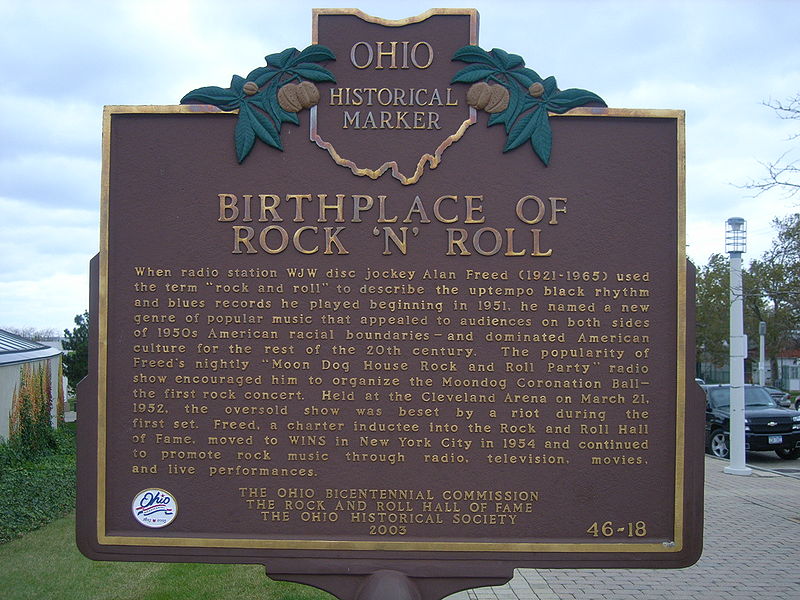
rock and roll
genre of popular music, early subgenre of rock music

heavy metal music
genre of rock music characterized by slack-tuned instruments, and unconventional changes of tonality (key) and time signature (metre)

soul
genre of popular music

funk
Funk is a music genre that originated in African-American communities in the mid-1960s when musicians created a rhythmic, danceable new form of music through a mixture of various music genres that were popular among African-Americans in the mid-20th century. It deemphasizes melody and chord progressions and focuses on a strong rhythmic groove of a bassline played by an electric bassist and a drum part played by a percussionist, often at slower tempos than other popular music. Funk typically consists of a complex percussive groove with rhythm instruments playing interlocking grooves that create

music video
video featuring a performance of a song
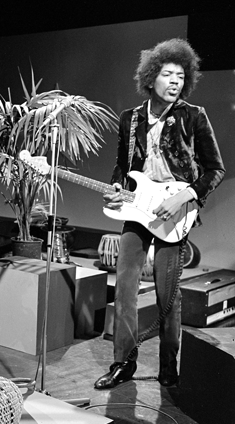
cover version
later version of a song recorded by an earlier performer
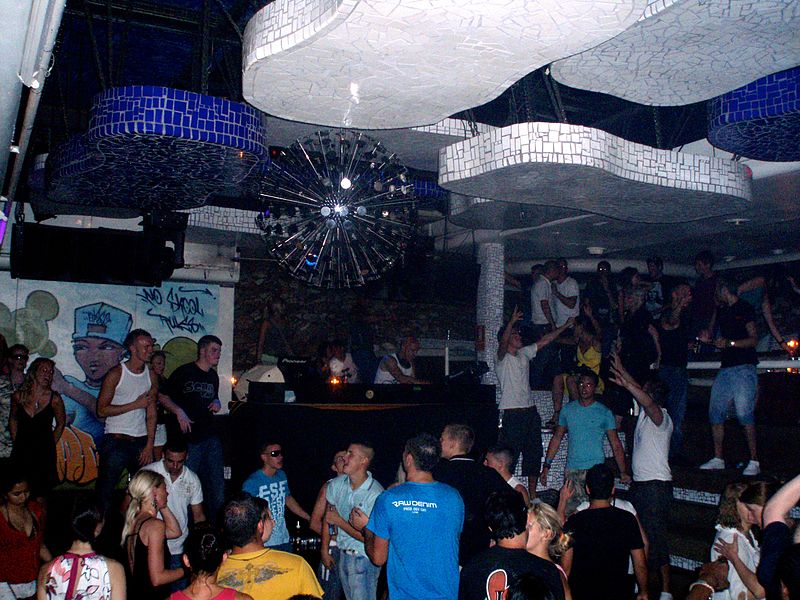
dance music
music of any genre intended to accompany dancing

popular music
music genres distributed to large audiences and considered to have wide appeal

record chart
ranking of recorded music during a particular time period
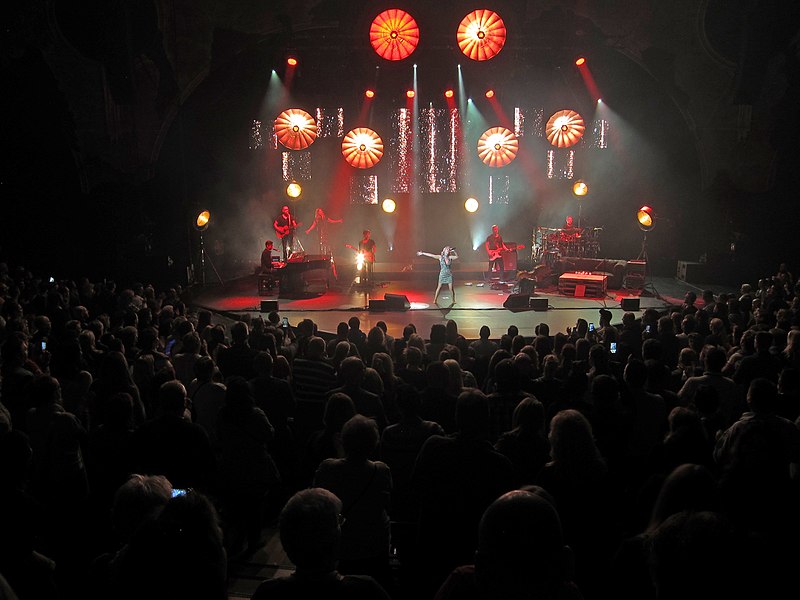
schlager music
genre of popular music

dub music
music genre originating from Jamaica

beat
basic unit of time in music and music theory

raï
Raï (, ; , , ), sometimes written rai, is a form of Algerian folk music that dates back to the 1920s. Singers of Raï are called () or (), i.e. 'young', as opposed to (, 'shaykh'), i.e. 'old', the name given to Chaabi singers. The tradition arose in the city of Oran, primarily among the poor. Traditionally sung by men, by the end of the 20th century, female singers became common. The lyrics have concerned social issues such as disease and the policing of European colonies that affected native populations.
list of best-selling music artists
world's best-selling music artists
electronic musical instrument
musical instrument that produces its sounds using electronics
adult contemporary music
radio format and music genre
%20(5457445963).jpg)
multi-instrumentalist
thumb|Roy Ayers playing keyboard and alto saxophone (2011)
A multi-instrumentalist is a musician who plays two or more musical instruments, often but not exclusively at a professional level of proficiency.
musical hit
musical composition that achieved popularity or hit the charts
rhythm guitar
guitar technique; part of the rhythmic pulse in conjunction with other instruments from the rhythm section
Tin Pan Alley
historic name given to a collection of musicians, publishers and songwriters in Manhattan, New York City
Groove
Jazz technique
session musician
musician hired to perform in recording sessions or live performances
list of music genres and styles
Wikimedia music-related list

backmasking
Backmasking is a recording technique in which a message is recorded backward onto a track that is meant to be played forward. It is a deliberate process, whereas a message found through phonetic reversal may be unintentional.
rhythm section
group of musicians within a music ensemble or band who provide the underlying rhythm, harmony and beat for the rest of the band
bridge
contrasting section of music
contemporary hit radio
radio format
contemporary Christian music
genre of modern popular music lyrically focused on matters concerned with the Christian faith
summer hit
song that peaks in its popularity during summer
list of honorific nicknames in popular music
Wikimedia music-related list
Russian chanson
a term applied to a variety of genres of Russian music: thieves song, urban romance, war, emigrants and some popular songs
sentimental ballad
slower emotional type of song within popular music
novelty music
music genre; type of farcical or nonsensical singing or instrumentals
Swing
style of jazz performance
worldbeat
Worldbeat is a music genre that blends pop music or rock music with world music or traditional music. Worldbeat is similar to other cross-pollination labels of contemporary and roots genres, and which suggest a rhythmic, harmonic or textural contrast and synthesis between its modern and ethnic elements.
side project
project in which music is developed / played
filmi music
Filmi () music soundtracks are music produced for India's mainstream motion picture industry and written and performed for Indian cinema. In cinema, music directors make up the main body of composers; the songs are performed by playback singers and the genre represents 72% of the music sales market in India.
oldies
Oldies is a term for musical genres such as pop music, rock and roll, doo-wop, surf music from the second half of the 20th century, specifically from around the mid-1950s to the late 1960s, as well as for a radio format playing this music.
illustrated song
a type of performance art
lick
stock pattern or phrase in music consisting of a short series of notes
drop
point in music score where rhythm suddenly changes
neo-medieval music
modern popular music characterized by elements of medieval music and early music in general
nakasi
Nakasi () or is a traditional popular music form in Japan and Taiwan, most stereotypically associated with elements of working-class culture such as the old tea parlors and drinking bars. One explanation supposes that the word describes the migratory lifestyle of Nakasi musicians, who traditionally travelled from one tea parlor to another.
thumb|right|A Nagashi band in a 1953 Japanese drama film Tokyo Story
middle of the road
commercial radio format and music genre, consisting of strongly melodic music using vocal harmony and light orchestral arrangements
Ryūkōka
is a Japanese musical genre. The term originally denoted any kind of "popular music" in Japanese, and is the sinic reading of hayariuta, used for commercial music of Edo Period. Therefore, imayō, which was promoted by Emperor Go-Shirakawa in the Heian period, was a kind of ryūkōka. Today, however, ryūkōka refers specifically to Japanese popular music from the late 1920s through the early 1960s. Some of the roots of ryūkōka were developed from Western classical music. Ryūkōka ultimately split into two genres: enka and poppusu. Unlike enka, archetypal ryūkōka songs did not use the kobushi method
standard
well-known musical composition, considered part of the "standard repertoire" of one or more musical genres
sawt
music genre
pimba
thumb|right|250px|Marco Paulo (singer)|Marco Paulo, the forerunner of pimba music.
thumb|right|300px|Emanuel, an icon of the pimba music community|music scene.
Pimba is an umbrella term for Portuguese types or genres of music with an uptempo style and/or folk song features, and corny romantic or saucy and vulgar lyrics, which was often associated with poorly educated public from rural areas and suburban poor or working-class neighbourhoods, as well as with Portuguese economic migrants living abroad who spend their holidays in their ancestors' localities across the Portuguese countryside. The P
novelty piano
music genre
Hakkapop
music genre
Global Recording Artist of the Year
award given by the International Federation of the Phonographic Industry