Category
page 1Problem solving skills

reason
Reason is the capacity to consciously apply logic by drawing valid conclusions from new or existing information, with the aim of seeking truth. It is associated with activities considered characteristic of humans, including philosophy, religion, science, language, and mathematics, and is generally considered a distinguishing ability possessed by humans. The term "reason" is sometimes used to refer to rationality, although the latter is more about its application.

creativity
thumb|upright=0.7|alt=graphic of a lightbulb|A picture of an incandescent light bulb, a symbol associated with the formation of an [[idea, an example of creativity]]
.jpg)
curiosity
thumb|upright=1.4|Space and telescopes have been a quintessential symbol for curiosity.
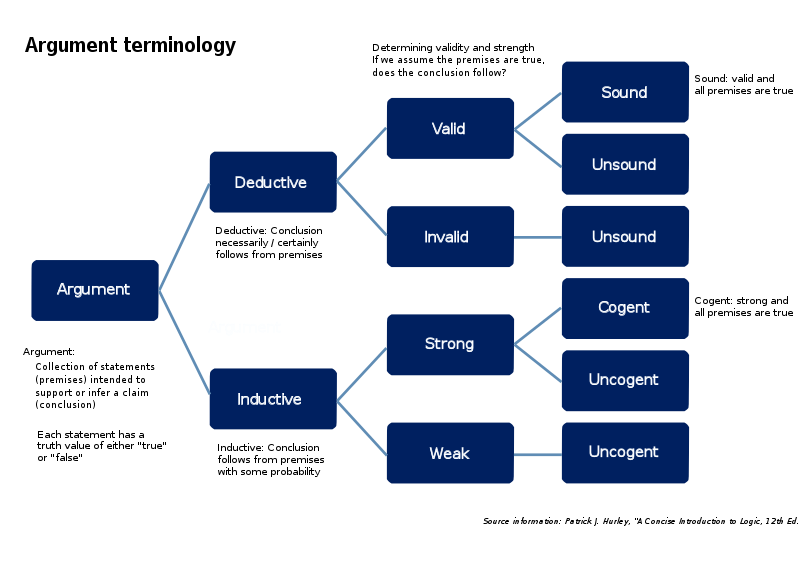
inductive reasoning
method of reasoning in which a body of observations is synthesized to hypothesize a general principle
deductive reasoning
method of reasoning by which premises understood to be true produce logically certain conclusions
lateral thinking
manner of solving problems using an indirect and creative approach via reasoning that is not immediately obvious or attainable using only traditional step-by-step logic
computational thinking
a set of problem-solving methods that involve expressing problems and their solutions in ways that a computer could execute
thinking outside the box
metaphor for creative thinking that means to think differently, unconventionally, or from a new perspective
divergent thinking
method of generating creative ideas
convergent thinking
Ability to answer questions correctly without creativity
analytical skill
cognitive ability to analyze information
parallel thinking
ideation
creative process of generating, developing, and communicating new ideas, comprising all stages of a thought cycle, from innovation, to development, to actualization