Category
page 1Public holidays in South Korea

Chinese New Year
Chinese New Year, also known as the Spring Festival, marks the beginning of a new year on the traditional lunisolar Chinese calendar. It is one of the most important holidays in Chinese culture. Marking the end of winter and the beginning of spring, this festival takes place from Chinese New Year's Eve to the Lantern Festival, held on the 15th day of the year. The first day of the Chinese New Year falls on the new moon that appears between 21 January and 20 February.

children's day
one of many public observances in honor of children
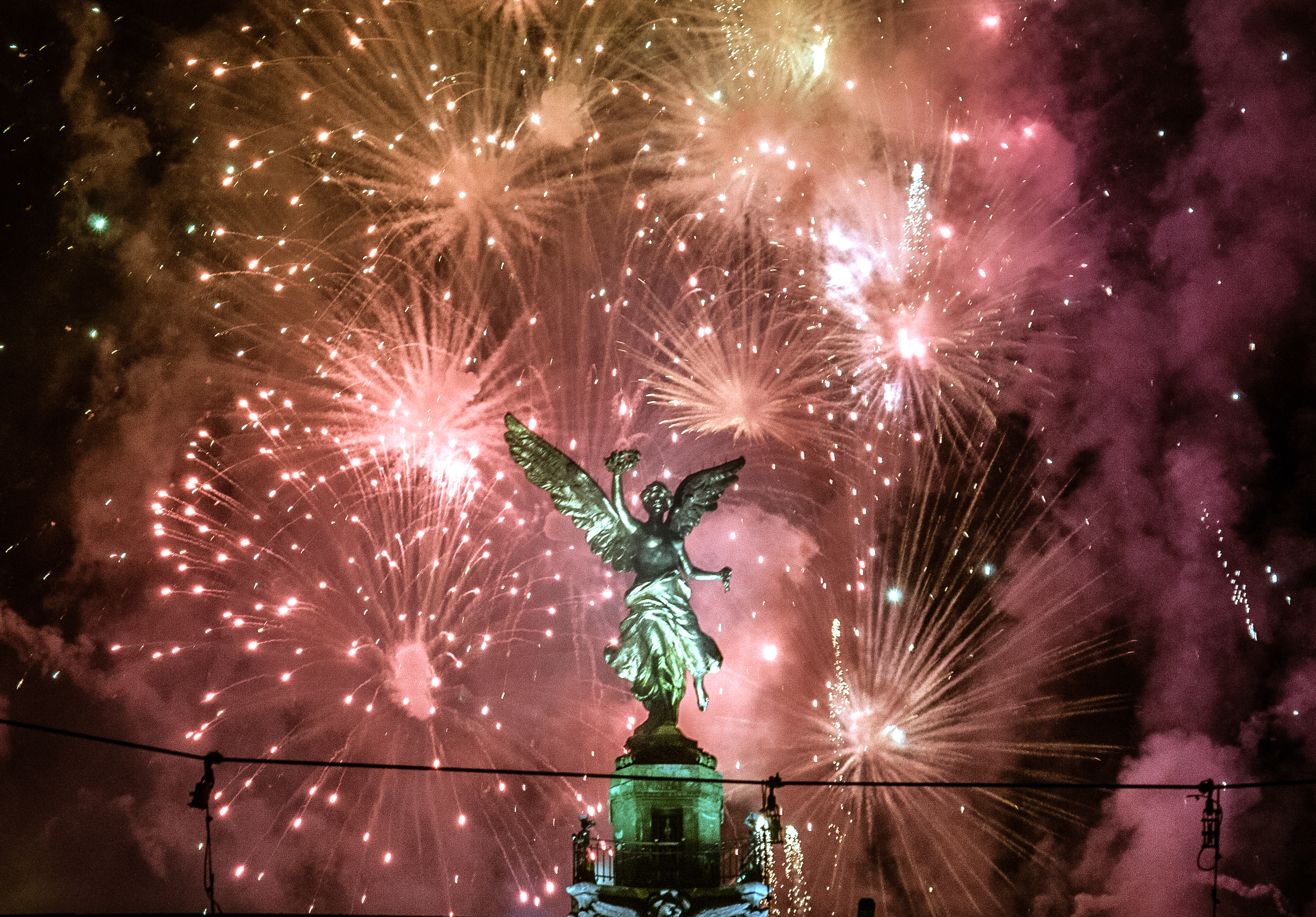
New Year's Day
In the Gregorian calendar, New Year's Day is the first day of the calendar year, 1 January. Most solar calendars, such as the Gregorian and Julian calendars, begin the year regularly at or near the northern winter solstice. In contrast, cultures and religions that observe a lunisolar or lunar calendar celebrate their Lunar New Year at varying points relative to the solar year.

Buddha's birthday
birthday of the Prince Siddhartha Gautama
Hangul Day
public holiday in North Korea (15th January) and South Korea (9th October)
Gwangbokjeol
public holiday in North and South Koreas (15th of August), celebrating the surrender of the Japanese Empire (which had annexed Korea) at the end of the Second World War
public holiday in South Korea
holiday designated by law in the Republic of Korea (South Korea)
Gaecheonjeol
public holiday in South Korea
Memorial Day
South Korean public holiday commemorating those who died while in military service during the Korean War and others
Constitution Day
public commemoration in South Korea