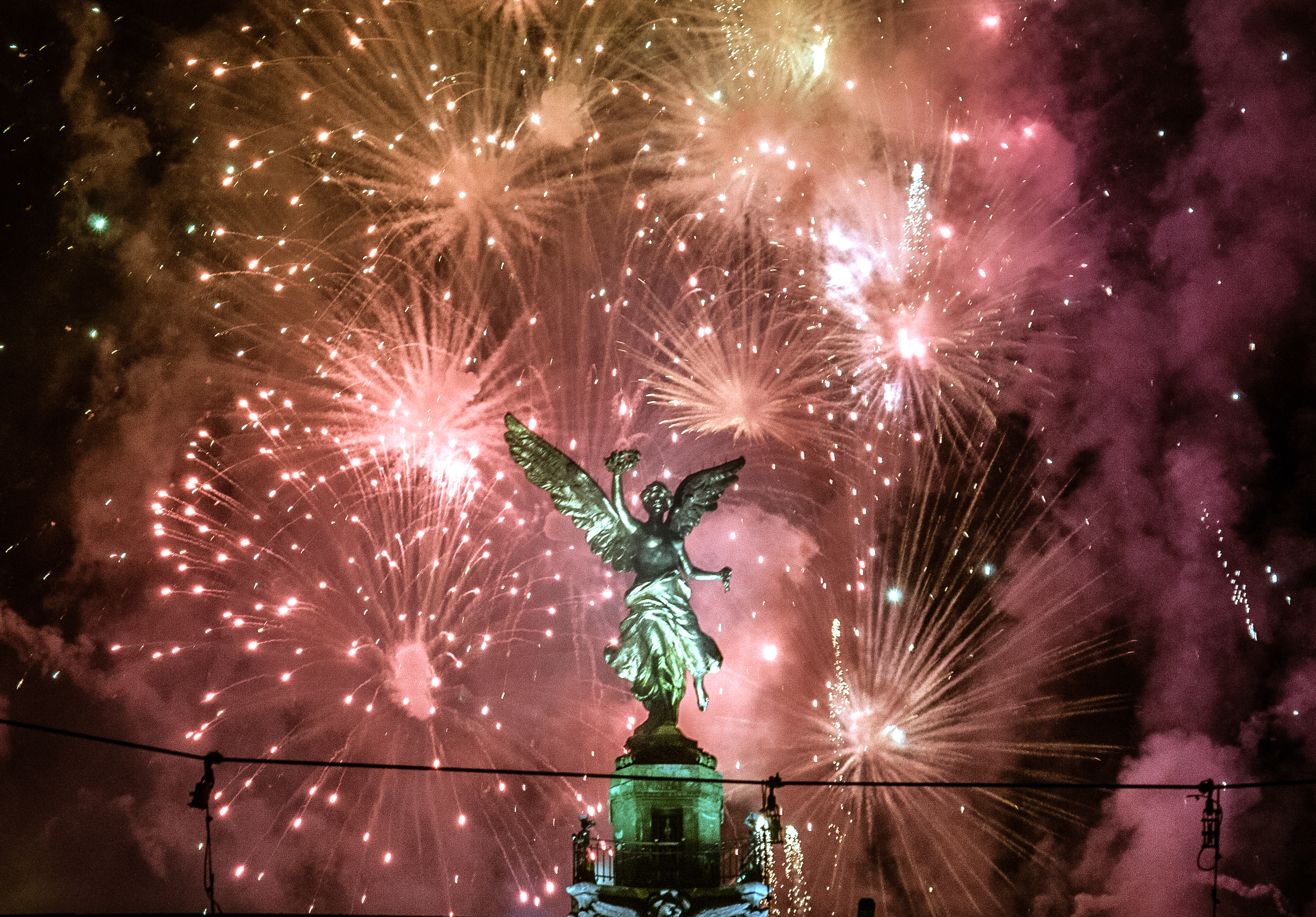
New Year's Day
Also known as New Years Day, January 1, 1 January
In the Gregorian calendar, New Year's Day is the first day of the calendar year, 1 January. Most solar calendars, such as the Gregorian and Julian calendars, begin the year regularly at or near the northern winter solstice. In contrast, cultures and religions that observe a lunisolar or lunar calendar celebrate their Lunar New Year at varying points relative to the solar year.
AI overview
New Year's Day is January 1st, the first day of the year in the Gregorian calendar that most of the world uses today. It falls near the winter solstice because solar calendars like the Gregorian calendar traditionally start their year around that time, though some cultures that follow lunar or lunisolar calendars celebrate their new year at different times of the year.
AI-generated from the Wikipedia summary — may contain errors.
Wikipedia views (30d)
13,495 totalvia Wikimedia Pageviews API
Wikidata facts
- Image
- Wildschönau feiert Neues Jahr 03.jpg
Show 2 more facts
- Commons category
- New Year's Day
- described at URL
- baike.sogou.com/v72096.htm
Sources (1)
via Wikidata · CC0
~34 min read
Article
In the Gregorian calendar, New Year's Day is the first day of the calendar year, 1 January. Most solar calendars, such as the Gregorian and Julian calendars, begin the year regularly at or near the northern winter solstice. In contrast, cultures and religions that observe a lunisolar or lunar calendar celebrate their Lunar New Year at varying points relative to the solar year.
In pre-Christian Rome, under the Julian calendar, the day was dedicated to Janus, god of gateways and beginnings, for whom January is also named. From Roman times until the mid-18th century, the new year was celebrated at various stages and in various parts of Christian Europe on 25 December, on 1 March, on 25 March and on the movable feast of Easter.