Category
page 1Radiation
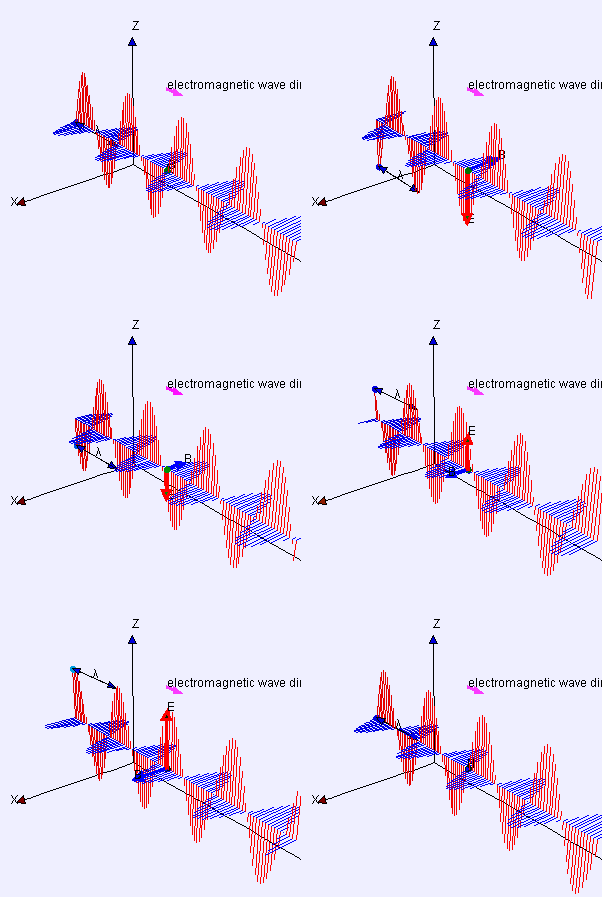
electromagnetic radiation
form of energy emitted and absorbed by particles which are charged which shows wave-like behavior as it travels through space

gamma ray
electromagnetic radiation of high frequency and high energy

radiation
upright=1.5|thumb|right|An illustration of the relative abilities of three different types of ionizing radiation to penetrate solid matter. Typical alpha particles (α) are stopped by a sheet of paper, while beta particles (β) are stopped by 3mm aluminum foil. Gamma radiation (γ) is dampened when it penetrates lead. Note caveats in the text about this simplified diagram.
border|right|frameless|597x597px
thumb|upright|The international symbol for ionizing radiation (radioactivity) that is unsafe for Radiation shield|unshielded humans. Radiation, in general, exists throughout nature, such as in l

albedo
thumb|Albedo change in Greenland: The map shows the difference between the amount of sunlight [[Greenland reflected in the summer of 2011 versus the amount it reflected between 2000 and 2006. Some areas reflect close to 20 percent less light than a decade ago.]]
Albedo ( ; ) is the fraction of sunlight that is diffusely reflected by a body. It is measured on a scale from 0 (corresponding to a black body that absorbs all incident radiation) to 1 (corresponding to a body that reflects all incident radiation). Surface albedo is defined as the ratio of radiosity Je to the irradiance Ee (flux per u
optical aberration
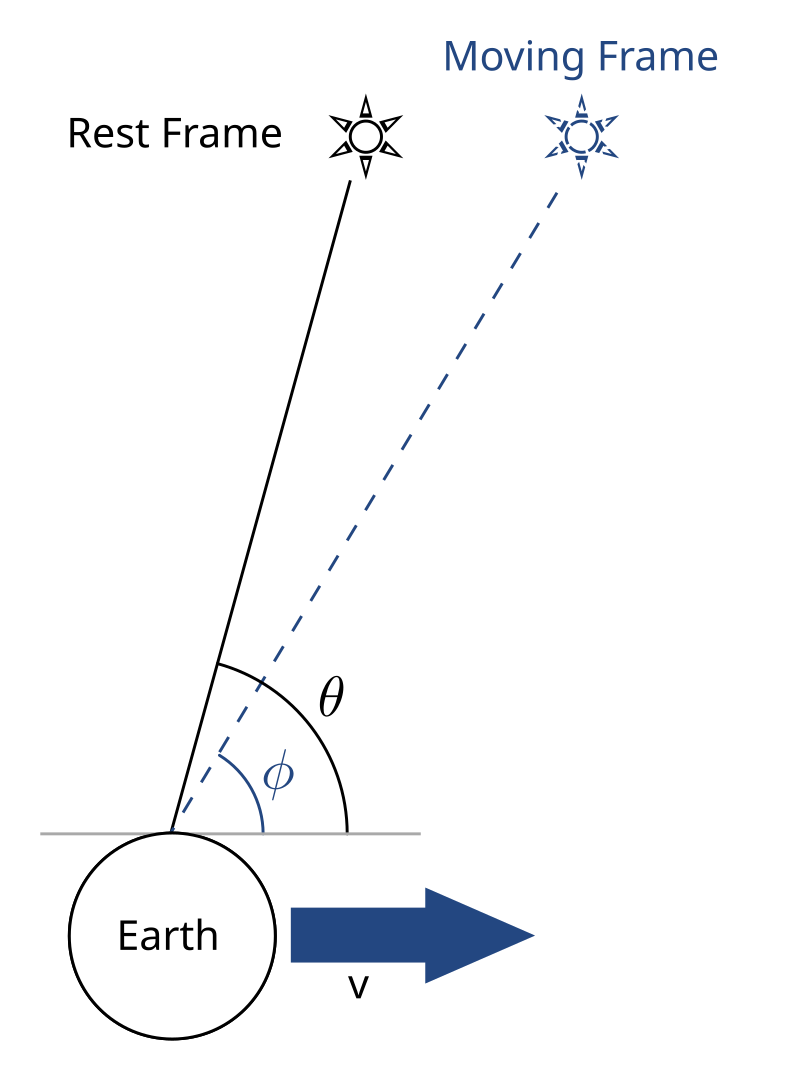
phenomenon in astronomy

absorption
way in which the energy of a photon is taken up by matter; physical process of absorbing light, while absorbance does not always measure absorption: it measures attenuation (of transmitted radiant power)
radiation pressure
pressure exerted upon any surface exposed to electromagnetic radiation
food irradiation
process of treating food and other consumer products with gamma rays, x-rays, or high voltage electrons to kill potential harmful bacteria
anechoic chamber
technical room for sound recording or research
absorption spectroscopy
spectroscopic techniques that measure the absorption of radiation
radiophysics
Radiophysics (also modern writing radio physics) is a branch of physics focused on the theoretical and experimental study of certain kinds of radiation, its emission, propagation and interaction with matter.
monochromatic radiation
electromagnetic radiation with a single constant frequency
neutron activation
process in which neutron radiation induces radioactivity in materials
delta ray
secondary electron with enough energy to escape a significant distance away from the primary radiation beam and produce further ionization

radiophobia
thumb|right|200px|alt=Radiation need not be feared, but it must command your respect.|Health physics poster [[exhorting respect for—rather than fear of—radiation. (ORNL, 1947)]]
isotropic radiator
theoretical point source which radiates electromagnetic or sound waves at the same intensity in all directions
exposure
electric charge of ions produced in air by X- or gamma radiation per mass of air, when all liberated electrons are completely stopped
pulse
in physics, single disturbance moving through a medium
quantum yield
number of times a specific event occurs per photon absorbed by the system
Solvated electron
Free electron in a solution, often liquid ammonia
Abraham–Lorentz force
recoil force on an accelerating charged particle caused by the particle emitting electromagnetic radiation
dark radiation
postulated type of radiation that mediates interactions of dark matter
linear stopping power
kinetic energy lost by charged particles traversing a given material per traversed distance
actinism
Actinism is the property of solar radiation that leads to the production of photochemical and photobiological effects. It is important in chemical photography and x-ray imaging, and causes sunburn and photodegradation of materials. Actinic chemicals include silver salts used in photography and other light-sensitive chemicals.
Radappertization
Radappertization is a form of food irradiation which applies a dose of ionizing radiation sufficient to reduce the number and activity of viable microorganisms to such an extent that very few, if any, are detectable in the treated food by any recognized method (viruses being excepted).
range
distance traveled by a radiation particle till its kinetic energy is used up
Paradox of radiation of charged particles in a gravitational field
apparent paradox in the context of general relativity
Radura
thumb|150px|right|The Radura logo, used to show a food has been treated with ionizing radiation (international version)
thumb|150px|right|The Radura symbol, used to show a food has been treated with Irradiation|ionizing radiation (U.S. FDA version)
spectral energy distribution
topic in astronomy
absorption edge

silicon drift detector
X-ray radiation detector that uses high purity silicon to produce a high count rate at room temperature
coded aperture
imaging technology for x-ray or gamma sources
Radiation Protection Convention, 1960
International Labour Organization Convention
Radicidation
Radicidation is a specific case of food irradiation where the dose of ionizing radiation applied to the food is sufficient to reduce the number of viable specific non-spore-forming pathogenic bacteria to such a level that none are detectable when the treated food is examined by any recognized method. The required dose is in the range of 2 – 8 kGy. The term may also be applied to the destruction of parasites such as tapeworm and trichina in meat, in which case the required dose is in the range of 0.1 – 1 kGy. When the process is used specifically for destroying enteropathogenic and enterotoxino
Activation product
materials made radioactive by neutron activation