Category
page 1Regions of Asia

Middle East
The Middle East is a geopolitical region encompassing the Arabian Peninsula, Egypt, Iran, Iraq, the Levant, and Turkey.
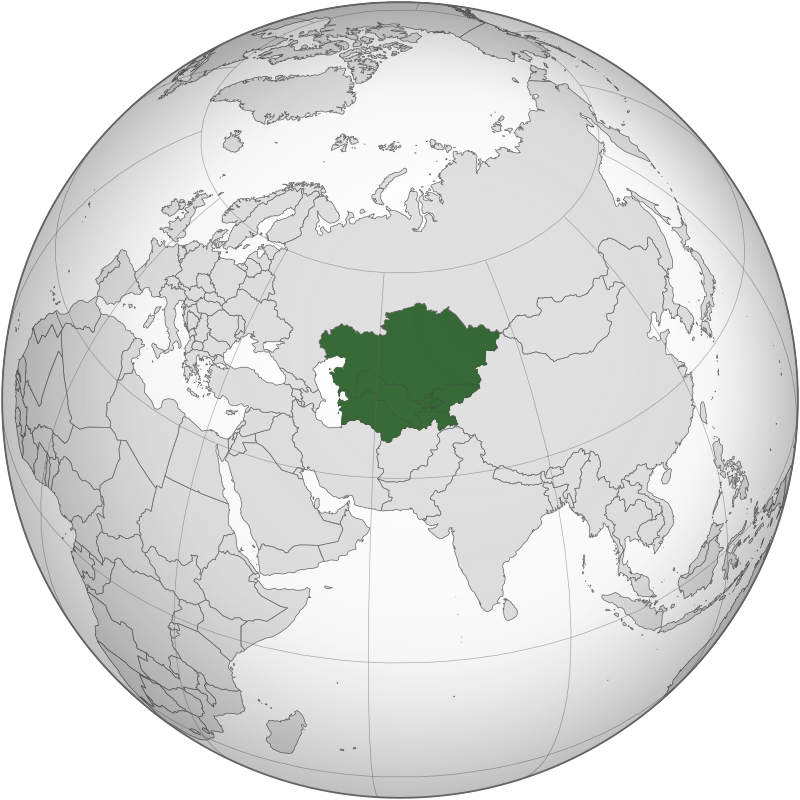
Central Asia
subregion of the Asian continent

Siberia
Siberia ( ; , ) is an extensive geographical region comprising all of North Asia, from the Ural Mountains in the west (with the Ural River usually forming the southernmost portion of its western boundary) to the Pacific Ocean in the east. It has formed a part of the sovereign territory of Russia and its predecessor states since the lengthy conquest of Siberia, which began with the fall of the Khanate of Sibir in 1582 and concluded with the annexation of Chukotka in 1778. Siberia is vast and sparsely populated, covering an area of over – about three-quarters of Russia's total area, but home to
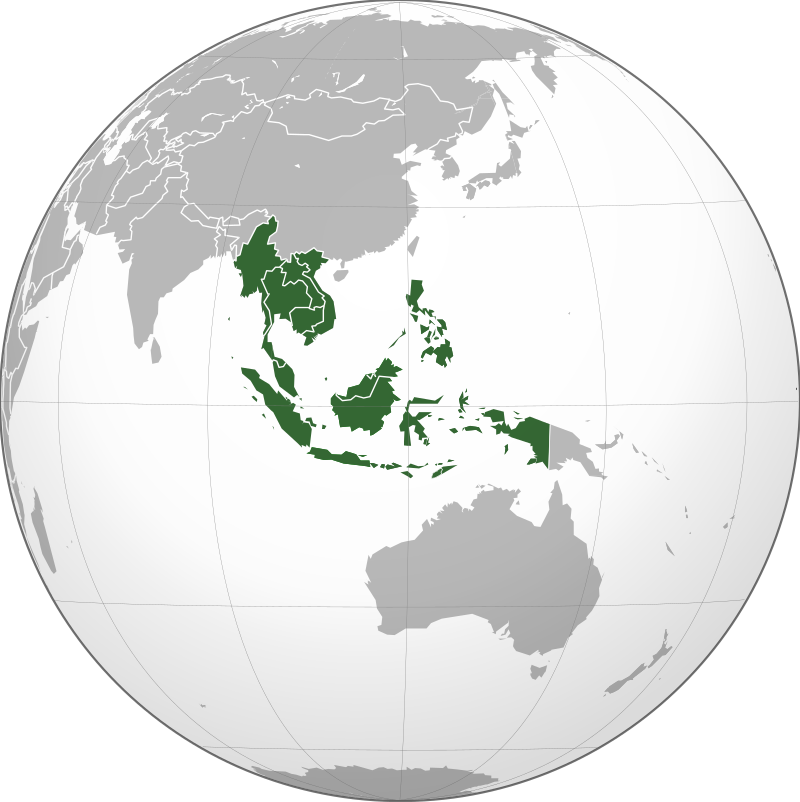
Southeast Asia
south-eastern region of Asia

East Asia
eastern region of Asia

Mesopotamia
Mesopotamia is a historical region of West Asia situated within the Tigris–Euphrates river system, in the northern part of the Fertile Crescent. It corresponds roughly to the territory of modern Iraq. Just beyond it lies southwestern Iran, where the region transitions into the Persian plateau, marking the shift from the Arab world to Iran.

South Asia
southern region of Asia

Caucasus
The Caucasus ( ) ( ) is a region spanning Eastern Europe and Western Asia. It is situated between the Black Sea and the Caspian Sea, comprising parts of Southern Russia, Georgia, Armenia, and Azerbaijan. The Caucasus Mountains, including the Greater Caucasus range, have conventionally been considered as a natural barrier between Europe and Asia, bisecting the Eurasian landmass. Mount Elbrus, Europe's highest mountain, is situated in the Western Caucasus area near the Russian-Georgian border. On the southern side, the Lesser Caucasus includes the Javakheti Plateau and the Armenian highlands.

Palestine
geographic region in West Asia

Anatolia
Anatolia (), also known as Asia Minor, is a peninsula in West Asia that makes up the majority of the land area of Turkey. It is the westernmost protrusion of Asia and is geographically bounded by the Mediterranean Sea to the south, the Aegean Sea to the west, the Turkish Straits to the northwest, and the Black Sea to the north. The eastern and southeastern limits have been expanded either to the entirety of Asiatic Turkey or to an imprecise line from the Black Sea to the Gulf of Alexandretta. Topographically, the Sea of Marmara connects the Black Sea with the Aegean Sea through the Bosporus an

West Asia
western region of Asia

Kashmir
thumb|268x268px|Political map of the Kashmir region, showing the Pir Panjal Range and the [[Kashmir Valley or Vale of Kashmir]]
Kashmir ( or ) is the northernmost geographical region of the Indian subcontinent. Until the mid-19th century, the term Kashmir denoted only the Kashmir Valley between the Great Himalayas and the Pir Panjal Range. The term has since also come to encompass a larger area that formerly comprised the princely state of Jammu and Kashmir, and includes the Indian-administered territories of Jammu and Kashmir and Ladakh, the Pakistani-administered territories of Azad Kashmir

Near East
geographical term that roughly encompasses Western Asia, and in some definitions parts of the Balkans

Indian subcontinent
physiographical region in South Asia
.png)
Levant
The Levant is a subregion of West Asia along the Eastern Mediterranean that forms part of the Middle East. The term is often used in conjunction with historical or cultural references.

Bengal
thumb|Geographical distribution of the Bengali language.

North Asia
subregion of Asia
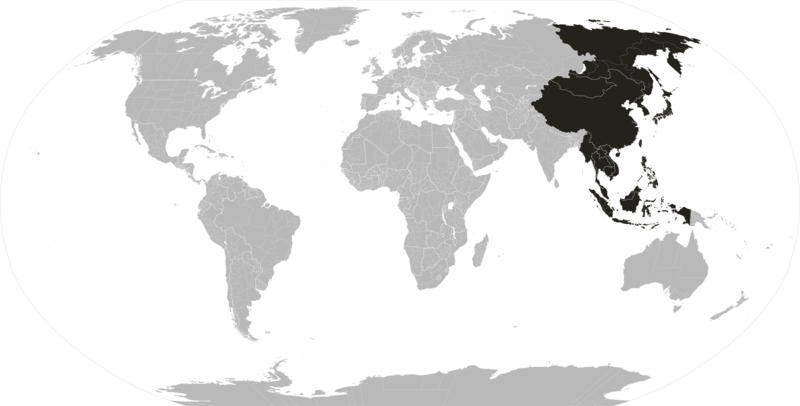
Far East
geographical idiom

Malay Peninsula
peninsula in Southeast Asia

South Caucasus
geographical region in the vicinity of the southern Caucasus region of Europe

Tibetan Plateau
plateau in Central Asia

Urartu
Urartu was an Iron Age kingdom centered around the Armenian highlands between Lake Van, Lake Urmia, and Lake Sevan. The territory of the ancient kingdom of Urartu extended over the modern frontiers of Turkey, Iran, Iraq, Armenia, the southern regions of Georgia, and western regions of Azerbaijan. Its kings left behind cuneiform inscriptions in the Urartian language, a member of the Hurro-Urartian language family.

Najd
Najd is a historical region of the Arabian Peninsula that includes most of the central region of Saudi Arabia. It is roughly bounded by the Hejaz region to the west, the Nafud desert in al-Jawf to the north, the ad-Dahna Desert in al-Ahsa to the east, and the Rub' al-Khali to the south, though it lacks precise boundaries due to varying geographical and political limits throughout history.

Transoxiana
thumb|right|340px|Watershed of the Amu Darya|Oxus River in the 8th century, showing Transoxiana and its principal localities to the northeast.
thumb|right|340px|Transoxiana and the neighbouring regions of Greater Khorasan and [[Khwarazm in Central Asia]]

Iranian plateau
plateau
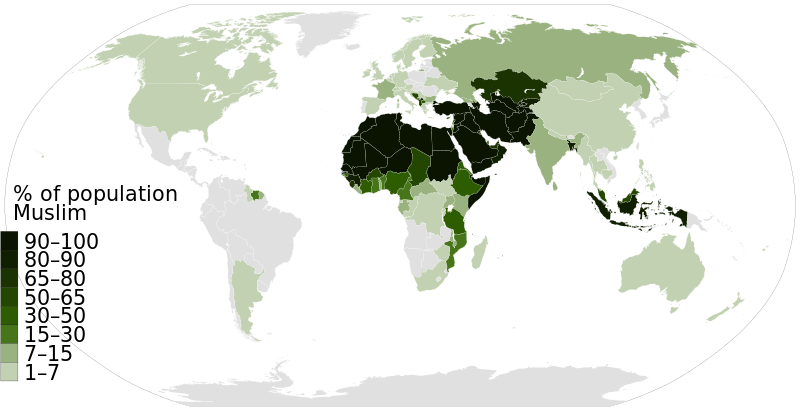
Muslim world
Muslim-majority countries, states, districts, or towns

East Indies
region encompassing South (Em(Indian subcontinent) and Southeast Asia

Land of Israel
name for an area of the Southern Levant
.svg)
Mashriq
The Mashriq (; ), also known as the Arab Mashriq (), sometimes spelled Mashreq or Mashrek, is the eastern part of the Arab world, as opposed to the Maghreb (western region), located in West Asia and eastern North Africa. It is the Arabic equivalent for the term Middle East. Poetically the "Place of Sunrise", the name is derived from the verb sharaqa (, "to shine, illuminate, radiate" and "to rise"), from the sh-r-q root (), referring to the east, where the sun rises.

Asia-Pacific
300px|thumb|Asia and the Pacific region, according to the United Nations Economic and Social Commission for Asia and the Pacific (ESCAP)
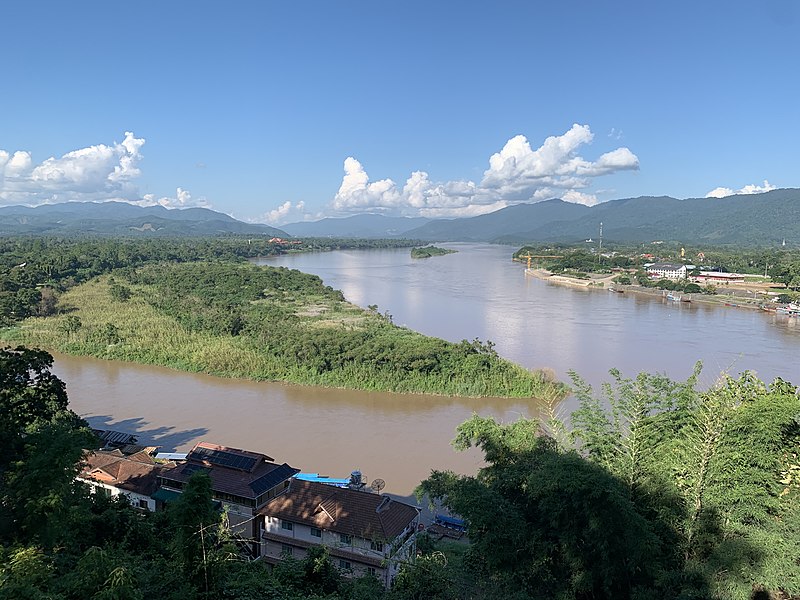
Golden Triangle
opium-producing region in northeastern Myanmar, northwestern Thailand and northern Laos

Middle East and North Africa
Middle East and North Africa region

Lycaonia
thumb|320px|Heinrich Kiepert. Asia citerior. Lycaonia, 1903
Lycaonia (; , Lykaonia; ) was a large region in the interior of Asia Minor (modern-day Turkey), north of the Taurus Mountains. It was bounded on the east by Cappadocia, on the north by Galatia, on the west by Phrygia and Pisidia, while to the south it extended to the chain of Mount Taurus, where it bordered on the country popularly called in earlier times Cilicia and in the Byzantine period Isauria; but its boundaries varied greatly at different times. The name is not found in Herodotus, but Lycaonia is mentioned by Xenophon as traver

Subarctic
thumb|right|350px|alt=See caption|Global map of the subarctic region
Europe, the Middle East and Africa
collective term referring to Europe, the Middle East and Africa
Golden Crescent
mountainous region in Asia in Afghanistan, Iran, and Pakistan that is a centre of opium production
Inner Asia
historical region over time
Magan
ancient region referred to in Sumerian cuneiform texts of around 2300 BC and existed to 550 BC as a source of copper and diorite for Mesopotamia
Shia Crescent
crescent-shaped region of the Middle East with higher Shia population; passes through Lebanon, Iraq, Iran, and Bahrain
Asia Minor
Asian part of Turkey

Tamilakkam
thumb|300px|Tamilakam in the Sangam Period.
thumb|300px|Tamilakam comprised that part of India south of the Maurya Empire .

Shahrazur
Shahrizor or Shahrezur () is a fertile plain in the Kurdistan Region of Iraq, situated in the Silêmanî Governorate and west of Hewraman. Shahrizor plain is watered by the tributaries of Tanjaro river which flows to Diyala and Tigris rivers.
.svg)
Klarjeti
thumb|Historical Klarjeti in the 8th-10th centuries
Klarjeti ( ) was a province of ancient and medieval Georgia, which is now part of Turkey's Artvin Province. Klarjeti, the neighboring province of Tao and several other smaller districts, constituted a larger region with shared history and culture conventionally known as Tao-Klarjeti.
Roof of the World
geographical object
Nepal Mandala
cultural region in central Nepal
Carnatic region
region of southern India