Category
page 1Renaissance humanism
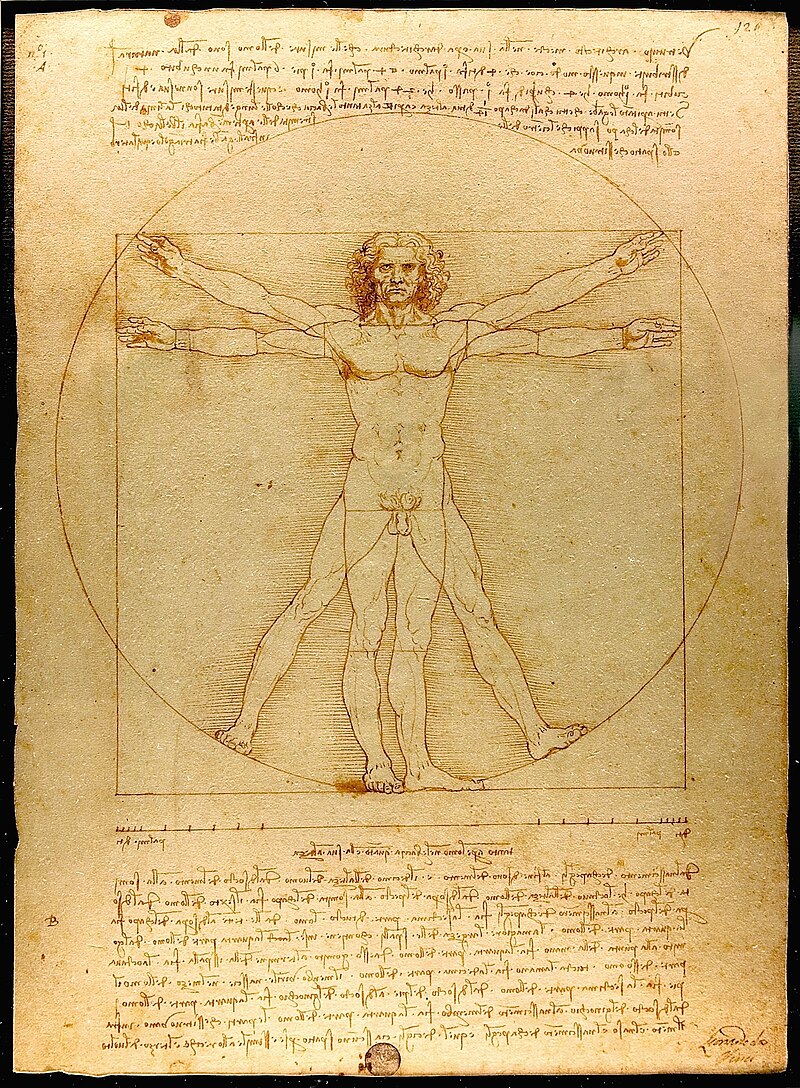
renaissance humanism
revival in the study of classical antiquity
Platonic Academy
15th-century discussion group in Florence, Italy
Oration on the Dignity of Man
public discourse by Giovanni Pico della Mirandola
Greek scholars in the Renaissance
Wikimedia list article
Transmission of the Greek Classics
Humanist Library of Sélestat
library

Classical tradition
reception of classical Greco-Roman antiquity by the post-classical Western world
Legal humanists
group of scholars of Roman law in Italy during the Renaissance
Branchwork
thumb|Branchwork on the baptismal font of Wormser Dom|Worms Cathedral
thumb|Branchwork tracery at [[Ulm Minster, c. 1475]]
thumb|Branchwork portal of the former monastery church of Chemnitz (1525)
Branchwork or branch tracery (, Dutch: Lofwerk of Loofwerk) is a type of architectural ornament often used in late Gothic architecture and the Northern Renaissance, consisting of knobbly, intertwined and leafless branches. Branchwork was particularly widespread in Central European art between 1480 and 1520 and can be found in all media. The intellectual origin of branchwork lies in theories in Renais
Studia humanitatis
Latin name for the entirety of the humanistic education program since the Renaissance
Ciceronianism
thumb|Title page from Nizolio's Observationes in Ciceronem (1561 edition)
Ciceronianism was the tendency among the Renaissance humanists to imitate the language and style of Cicero (106–43 BC) and hold it up as a model of Latin. The term was coined in the 19th century from the much older term ciceronianus, "a Ciceronian". That term is contrasted with christianus (Christian) in Jerome in the 4th century. Erasmus employs it the same way in the title of his dialogue Ciceronianus (1528). During the Renaissance, however, the term could have both positive and negative connotations, depending on whet
Renaissance humanism in Northern Europe
movement in Renaissance