Category
page 1Revival architectural styles

Gothic Revival
architectural movement

Empire style
19th-century art movement and style of architecture and interior design
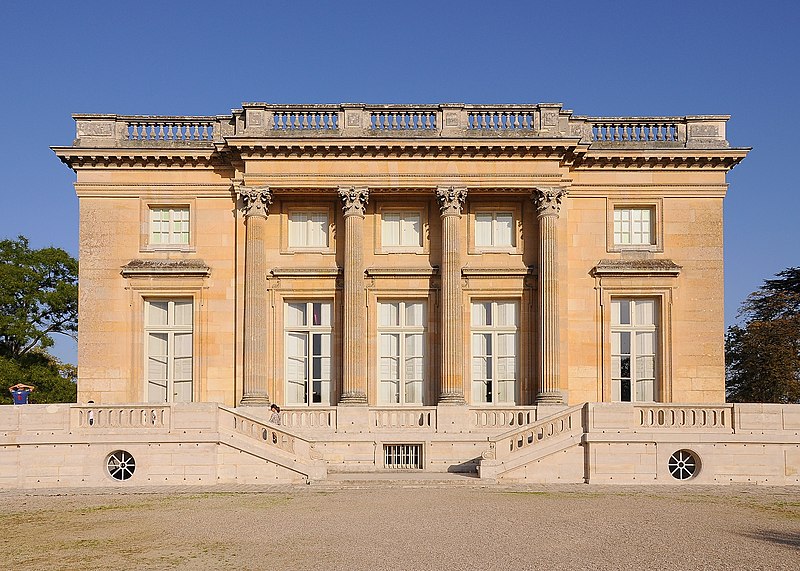
Neoclassical architecture
18th–19th-century European classical revivalist architectural style

Renaissance Revival architecture
branch of 19th-century architectural revival style
Romanesque Revival architecture
style of building employed beginning in the mid-19th century
baroque revival
architectural movement
Victorian architecture
series of architectural revival styles
Beaux-Arts
19th century architectural style
Byzantine Revival architecture
architectural revival movement
Moorish Revival architecture
style in 19th-century European architecture and decorative arts characterized by Hispano-Moresque forms and motifs such as honey comb vaulting, arabesques, and horseshoe arches
Greek Revival architecture
architectural movement of the late 18th and early 19th centuries
Egyptian Revival architecture
architectural style
Celtic Revival
term
revivalism
use of visual styles in architecture that echo the style of a previous architectural era
Italianate architecture
19th-century phase in the history of Classical architecture
New Classical architecture
postmodern classical architectural movement
%2010.jpg)
neo-Mudéjar
Neo-Mudéjar is a type of Moorish Revival architecture practised in the Iberian Peninsula and to a far lesser extent in Ibero-America. This architectural movement emerged as a revival of Mudéjar style. It was an architectural trend of the late 19th and early 20th centuries that began in Madrid and Barcelona and quickly spread to other regions in Spain and Portugal. It used Mudéjar style elements such as the horseshoe arch, arabesque tiling, and abstract shaped brick ornamentations for the façades of modern buildings.
Second Empire style
architectural and art style, most popular between 1865 and 1880

Neomodern architecture
thumb|The Bay Adelaide Centre in Toronto. When first proposed in the 1980s the building had a strongly postmodernist design. The final design, completed in 2009, adopted the neomodern style.
Neomodern or neomodernist architecture is a reaction to the complexity of postmodern architecture and eclecticism in architecture, seeking greater simplicity. The architectural style, which is also referred to as New Modernism, is said to have legitimized an outlook of comprehensive individualism and relativism.
Spanish Colonial Revival architecture
architectural style
dragestil
Dragestil () is a style of design and architecture that originated in Norway and was widely used principally between 1880 and 1910. It is a variant of the more embracing National Romantic style and an expression of Romantic nationalism.
Scottish baronial architecture
style of architecture with its origins in the sixteenth century

Cholet
thumb|A cholet in El Alto, Bolivia.
Neo-Andean is a contemporary architectural movement primarily situated in El Alto, Bolivia, expressed in the city's many cholets (portmanteau of cholo and chalet), or mini-mansions, and dancehalls. Bolivian architect Freddy Mamani has been described as "the best-known architect" of neo-Andean architecture. Mamani is "a civil engineer who began as a simple laborer two decades ago"; his first building incorporating this style was commissioned by an Alteño businessman in 2002 which was finished in 2005, he has built over 60 similar structures around the city si
Mission Revival architecture
architectural movement, style
Serbo-Byzantine style (modern architecture)
19th–20th century Serbian architectural style
Richardsonian Romanesque
Romanesque Revival architectural style, named for Henry Hobson Richardson
Carpenter Gothic
architectural style
Colonial Revival architecture
American architectural style
Troubadour style
French historical painting of the early 19th century with idealised depictions of the Middle Ages and the Renaissance
Romanian Revival architecture
architectural style based on Romanian Medieval architecture
Collegiate Gothic
architectural style
châteauesque
thumb|250px|Château Frontenac, a hotel in [[Quebec City, Quebec, Canada, completed in 1893]]
thumb|250px|Biltmore Estate|Biltmore, a Vanderbilt house in [[Asheville, North Carolina, US, completed in 1895]]
thumb|250px|Massandra Palace, a Russian emperor's villa in [[Crimea, completed in 1900]]
thumb|250px|Stadium High School, a secondary school in [[Tacoma, Washington, USA, completed in 1906]]
Rococo Revival
19th-century furniture style
Mediterranean Revival architecture
design style during the 20th century
Jeffersonian architecture
American Palladian/Neoclassical architecture
Pueblo Revival Style architecture
regional architectural style of the Southwestern United States
Soft Portuguese style
architectural style during the Estado Novo period
Palazzo style architecture
imitative of Italian palazzi
Mayan Revival architecture
modern Architectural style that draws inspiration from pre-Columbian Mesoamerican cultures
Neo-Manueline
Neo-Manueline is a revival style of architecture which drew from the 16th century Manueline Late Gothic architecture of Portugal. Neo-Manueline constructions have been built across Portugal, Brazil, and the Lusophone world (the former Portuguese Empire).
Jacobethan
thumb|Anthony Salvin's [[Harlaxton Manor, 1837–1855, is an embodiment of Jacobethan architecture]]
The Jacobethan ( ) architectural style, also known as Jacobean Revival, is the mixed national Renaissance revival style that was made popular in England from the late 1820s, which derived most of its inspiration and its repertory from the English Renaissance (1550–1625), with elements of Elizabethan and Jacobean.
thumb|Highclere Castle, known from the [[Downton Abbey television series, is an example of Jacobethan style]]
Tudor Revival architecture
architectural style
Palacio de Valle
Villa in Cienfuegos, Cuba
Heliopolis style
Egyptian architecture
Neo-Grec
thumb|250px|right|Neo-Grec architecture in the tomb of actor Bogumil Dawison in [[Dresden, Germany]]
Néo-Grec was a Neoclassical Revival style of the mid-to-late 19th century that was popularized in architecture, the decorative arts, and in painting during France's Second Empire, the reign of Napoleon III (1852–1870). The Néo-Grec vogue took as its starting point the earlier expressions of the Neoclassical style inspired by 18th-century excavations at Pompeii, which resumed in earnest in 1848, and similar excavations at Herculaneum. The style mixed elements of the Graeco-Roman, Pompeian,
Neo-Byzantine architecture in the Russian Empire
Russian revivalist architecture