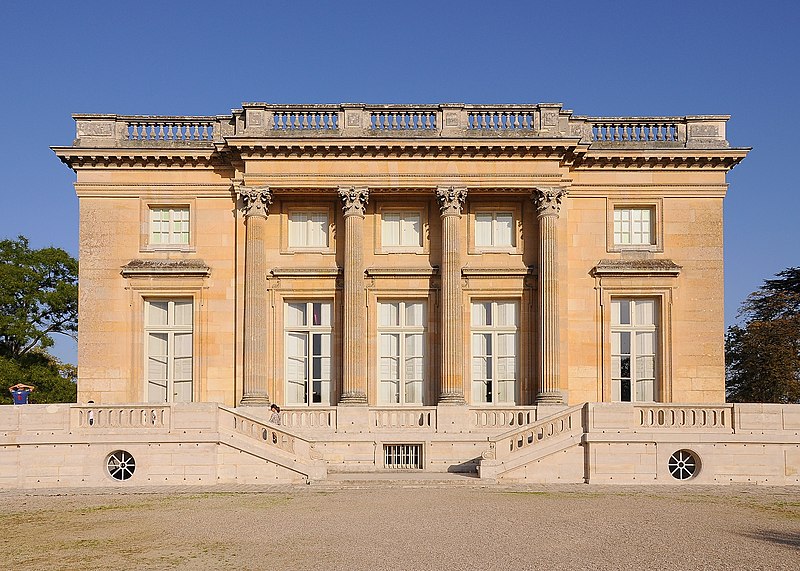
File:West_facade_of_Petit_Trianon_002.JPG · Wikimedia Commons · See Wikimedia Commons
Neoclassical architecture
Sign in to saveAlso known as Classical Revival architecture, neo-classical, neo-classical architecture, Neoclassicism, neoclassical style, classicism
18th–19th-century European classical revivalist architectural style
Key facts
- Years active
- 18th century–mid-19th century
- Location
- Western world
- Influences
- Ancient Greek Ancient Roman
- Influenced
- Adam style Empire Federal Greek Revival
via Wikipedia infobox
Described at

Architettura Neoclassica: Storia, Caratteristiche ed Esempi - Linvisibile
Esplora l'eleganza dell'architettura neoclassica, la sua storia, le caratteristiche distintive e gli esempi iconici in Europa e oltre.
linvisibile.com →Link to a page describing this subject · 13,447 chars · not written by Vinony
Wikidata facts
- Instance of
- architectural style
- Subclass of
- classical architecture
- Image
- Aerial view of Lincoln Memorial - east side EDIT.jpeg
Show 8 more facts
- different from
- classical architecture
- Commons category
- Neoclassical architecture
- topic's main category
- Category:Neoclassical architecture
- start time
- 1750-00-00
- OpenStreetMap tag
- building:architecture=neo-classicism
- short name
- неоклассицизм
- inspired by
- classical architecture
Sources (3)
via Wikidata · CC0
~40 min read
Encyclopedic overview
Neoclassical architecture, sometimes referred to as Classical Revival architecture, is an architectural style produced by the Neoclassical movement that began in the mid-18th century in Italy, France and Germany. It became one of the most prominent architectural styles in the Western world. The prevailing styles of architecture in most of Europe for the previous two centuries, Renaissance architecture and Baroque architecture, already represented partial revivals of the Classical architecture of ancient Rome and ancient Greek architecture, but the Neoclassical movement aimed to strip away the excesses of Late Baroque and return to a purer, more complete, and more authentic classical style, adapted to modern purposes.
The development of archaeology and published accurate records of surviving classical buildings was crucial in the emergence of Neoclassical architecture. In many countries, there was an initial wave essentially drawing on Roman architecture, followed, from about the start of the 19th century, by a second wave of Greek Revival architecture. This followed increased understanding of Greek survivals. As the 19th century continued, the style tended to lose its original rather austere purity in variants like the French Empire style. The term "neoclassical" is often used very loosely for any building using some of the classical architectural vocabulary.
Excerpted from Wikipedia’s “Neoclassical architecture” article, available under the CC BY-SA 4.0 licence.