Category
page 1Rice diseases

Magnaporthe grisea
plant-pathogenic fungus

Gibberella fujikuroi
species of fungus
Sarocladium oryzae
species of fungus
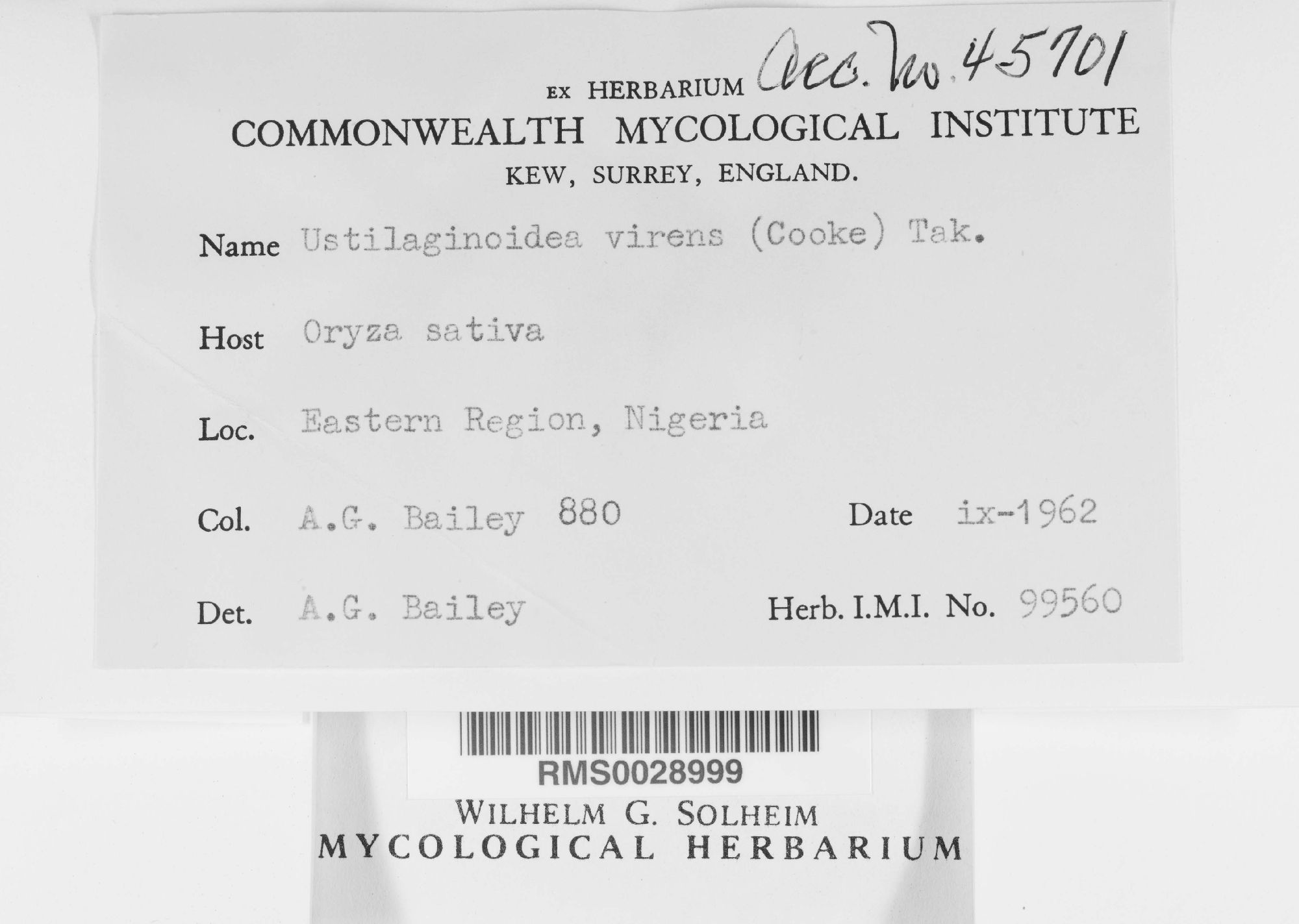
Ustilaginoidea virens
species of fungus
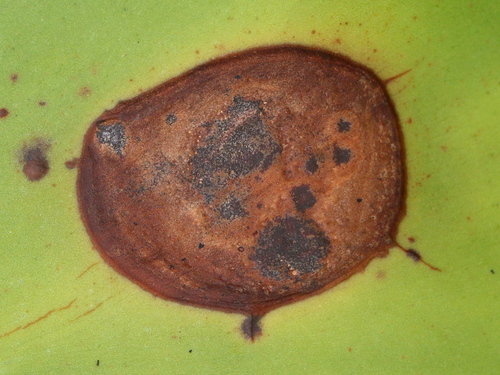
Cochliobolus miyabeanus
species of fungus

Tilletia barclayana
species of fungus

Magnaporthe salvinii
species of fungus
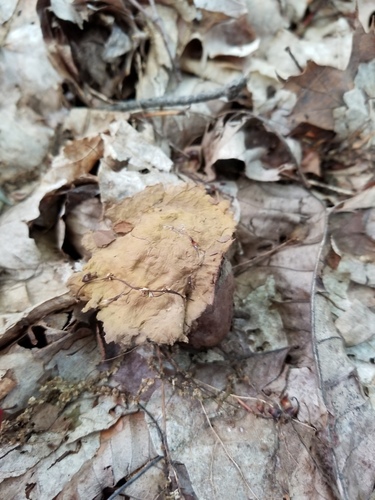
Sarocladium
Sarocladium is a genus of saprotrophic fungi found in crops, soil, plant debris, and rotting mushrooms. It was created by Walter Gams and David Leslie Hawksworth for the species of rice fungus, Sarocladium oryzae, in 1976. The species are most notable as a causative pathogens of sheath rot of rice and blight in bamboo. Species like S. strictum can cause infection in humans called hyalohyphomycosis (skin, nail and tissue infection) that can lead to fatal disease if improperly treated.
Ceratorhiza hydrophila
species of Agaricomycetes
Burkholderia glumae
species of bacterium
Gaeumannomyces graminis var. graminis
variety of fungi

Eballistra lineata
species of fungus
Bakanae
or bakanae disease (, , ), from the Japanese for "foolish seedling", is a disease that infects rice plants. It is caused by the fungus Gibberella fujikuroi, the metabolism of which produces a surplus of gibberellic acid. In the plant, this acts as a growth hormone, causing hypertrophy. The affected plants, which are visibly etiolated (long and weak stems), chlorotic (lacking chlorophyll), and which are at best infertile with empty panicles, producing no edible grains; at worst, they are incapable of supporting their own weight, topple over, and die (hence "foolish seedling disease").

Sphaerulina oryzina
species of fungus
Xanthomonas oryzae
species of bacterium