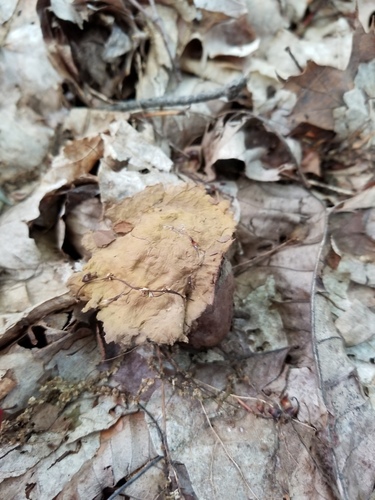
(c) Stephen Russell, niektoré práva vyhradené (CC BY-NC), uploaded by Stephen Russell · cc-by-nc
Sarocladium
Sign in to saveSarocladium is a genus of saprotrophic fungi found in crops, soil, plant debris, and rotting mushrooms. It was created by Walter Gams and David Leslie Hawksworth for the species of rice fungus, Sarocladium oryzae, in 1976. The species are most notable as a causative pathogens of sheath rot of rice and blight in bamboo. Species like S. strictum can cause infection in humans called hyalohyphomycosis (skin, nail and tissue infection) that can lead to fatal disease if improperly treated.
Species
GENUS
- KingdomFungi
- PhylumAscomycota
- ClassSordariomycetes
- OrderHypocreales
- FamilySarocladiaceae
via GBIF
Wikidata facts
- Instance of
- taxon
- Parent taxon
- Hypocreales
Show 5 more facts
- taxon name
- Sarocladium
- taxon rank
- genus
- taxonomic type
- Sarocladium oryzae
- taxon common name
- 帚枝霉属
- taxon author citation
- W. Gams & D. Hawksw.
Sources (1)
via Wikidata · CC0
~3 min read
Encyclopedic overview
3 sectionsContents
- Taxonomy
- Species
- References
Sarocladium is a genus of saprotrophic fungi found in crops, soil, plant debris, and rotting mushrooms. It was created by Walter Gams and David Leslie Hawksworth for the species of rice fungus, Sarocladium oryzae, in 1976. The species are most notable as a causative pathogens of sheath rot of rice and blight in bamboo. Species like S. strictum can cause infection in humans called hyalohyphomycosis (skin, nail and tissue infection) that can lead to fatal disease if improperly treated.
== Taxonomy == The first species of Sarocladium identified was S. oryzae. It was discovered by Japanese biologist Kaneyoshi (Kenkichi) Sawada from the rice field in Taiwan and described it in 1922 as Acrocylindrium oryzae. But other fungi of the genus was already discovered in the early 19th century that was not identified as such. In 1839, Czech physician August Carl Joseph Corda identified the causative pathogen of skin and tissue infections as a fungus that he named Cephalosporium acremonium. Although the fungi were morphologically similar, the relationship between the plant and human pathogenic species could not be understood until the development of DNA sequencing.
Excerpted from Wikipedia’s “Sarocladium” article, available under the CC BY-SA 4.0 licence.