Category
page 1Right-to-left writing systems

Hebrew alphabet
Semitic alphabet used for writing Hebrew, Samaritan, Yiddish, Judaeo-Spanish, and other Jewish languages

Phoenician script
abjad found in Canaanite and Aramaic inscriptions across the Mediterranean from the 11th–2nd centuries BCE

Arabic script
writing system for Arabic and some Asian and African languages

Aramaic alphabet
semitic alphabet used to write Aramaic languages

Persian alphabet
alphabet for Persian of 32 letters

Syriac alphabet
writing system primarily used to write the Syriac language from the 1st century AD

Old Turkic
writing system

Kharoṣṭhī
Kharosthi script (), also known as the Gandhari script (), was an ancient Indic script originally developed in the Gandhara Region of the north-western Indian subcontinent, between the 5th and 3rd century BCE. Primarily used by the people of Gandhara in various parts of South Asia and Central Asia, Kharosthi remained in use until it died out in its homeland around the 5th century CE. It was also in use in Bactria, the Kushan Empire, Sogdia, and along the Silk Road. There is some evidence it may have survived until the 7th century in Khotan and Niya, both cities in Tarim Basin.

N’ko
alphabetic script initially created by Solomana Kante in 1949 as a transcription system for Manding languages in Western Africa, now designed and developed to become a pan-African script covering their phonology
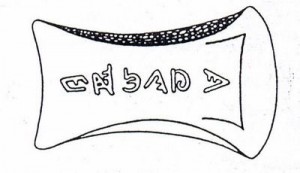
Old Hungarian
alphabetic writing system used by the Hungarians from the Middle Ages

Thaana
Thaana, Tãna, Taana or Tāna (  ) is the present writing system of the Maldivian language spoken in the Maldives. Thaana has characteristics of both an abugida (diacritics, vowel-killer strokes) and a true alphabet (all vowels are written), with consonants derived from indigenous and Arabic numerals, and vowels derived from the vowel diacritics of the Arabic abjad. Maldivian orthography in Thaana is largely phonemic.
Old South Arabian script
abjad used for writing Old South Arabian languages
Pahlavi scripts
abjad-based writing systems used for Middle Iranian languages
Avestan
alphabet mainly used in Zoroastrian scriptures to transcribe the old Avestan language
Cypriot syllabary
Cypriot syllabary writing system
Nabataean script
abjad
Paleo-Hebrew alphabet
abjad found in Canaanite inscriptions from the region of biblical Israel and Judah used to write Hebrew, later replaced by the modern Hebrew square script
Sogdian
alphabet used for the Sogdian language of central Asia
Samaritan alphabet
writing system
Manichaean
abjad-based writing system associated with the spread of Manichaean religion
Mandaic
alphabet used for writing the Mandaic language
Byblos
undeciphered writing system
Adlam
bicameral alphabet invented in Guinea to write the Fulah language from right to left
Mende Kikakui
syllabary writing system (right-to-left)
Lydian
alphabet used to write the Lydian language
right-to-left
script directionality
Oduduwa script
Script created for the Yoruba language
Garay
bicameral right-to-left abjad, sometimes used to transcribe from the Wolof language
Ancient North Arabian
extinct alphabet