Category
page 1Rodent genera

Rattus
thumb|Two Rats by Vincent van Gogh (1884)

Mus
genus of mammals

Sciurus
The genus Sciurus ( or ) contains most of the common, bushy-tailed squirrels in North America, Europe, temperate Asia, Central America and South America.

Chinchilla
Chinchilla is a genus consisting of two species (Chinchilla chinchilla and Chinchilla lanigera) of crepuscular rodents of the parvorder Caviomorpha, native to the Andes Mountains in South America. They live in colonies called "herds" at high elevations up to . Historically, chinchillas lived in an area that included parts of Bolivia, Peru and Chile, but today, colonies in the wild are known only in Chile. Along with their relatives, viscachas, they make up the family Chinchillidae. They are also related to the chinchilla rat.

Spermophilus
Spermophilus, also known as the Old World ground squirrels, sousliks or, sometimes, spermophiles, is an Old World genus of ground squirrels in the squirrel family (Sciuridae). Formerly, the genus was more species rich, but it has since been reduced to contain only species from Eurasia, with many former species having been moved to other genera. The 18 known species are distributed across the Eurasian steppe belt and adjacent regions between Central Europe and Manchuria. They inhabit steppe and comparable short grassland habitats, including airports, as well semi-deserts and, in some cases, agr
Tamias
Tamias is a genus of chipmunks in the tribe Marmotini of the squirrel family. The genus includes a single living species, the eastern chipmunk (Tamias striatus). The genus name Tamias () means "treasurer", "steward", or "housekeeper", which is a reference to the animals' role in plant dispersal through their habit of collecting and storing food for winter use.

Guinea pig
Cavia is a genus in the subfamily Caviinae that contains the rodents commonly known as the guinea pigs or cavies. The best-known species in this genus is the domestic guinea pig, Cavia porcellus, a meat animal in South America and a common household pet outside that continent.

Hystrix
genus of mammals

Microtus
Microtus is a genus of voles found in North America, Europe and northern Asia. The genus name refers to the small ears of these animals. They are stout rodents with short ears, legs and tails. They eat green vegetation such as grasses and sedges in summer, and grains, seeds, root and bark at other times. The genus is also called "meadow voles".
thumb|Microtus skulls (Bailey, 1900)
thumb|Microtus skull bases (Bailey, 1900)

Apodemus
Apodemus is a genus of murid (true mice and rats) containing the field mice as well as other well-known species like the wood mouse and the yellow-necked mouse. The name is unrelated to that of the Mus genus, instead being derived from the Greek ἀπό-δημος (literally away from home).

Dolichotis
Dolichotis is a genus of the cavy family of rodents. These large relatives of guinea pigs are common in the Patagonian steppes of Argentina, but also live in Paraguay and elsewhere in South America. It contains a single extant species, the Patagonian mara, which is one of the largest rodents in the world after the two species each of capybaras and beavers, and the large species of porcupines, reaching about in height.

Hydrochoerus
The genus Hydrochoerus contains two living (the lesser and greater capybaras) and three extinct species of rodents from South America, the Caribbean island of Grenada, California and Panama. Capybaras are the largest living rodents. The name of the genus is derived from Ancient Greek ὕδωρ (húdor), meaning "water", and χοῖρος (khoîros), meaning "pig".

True lemming
genus of mammals
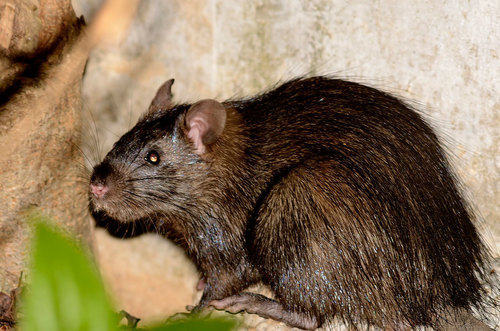
Bandicota
Bandicota is a genus of rodents from Asia known as the bandicoot rats. Their common name and genus name are derived from the Telugu language word pandikokku (పందికొక్కు). DNA studies have found the group to be a monophyletic clade sister to the radiation of Molucca and Australian Rattus species as part of the paraphyletic Rattus sensu lato.
Eliomys
Eliomys ( Hēlíomus) is a genus of Palaearctic rodents in the family Gliridae, commonly known as garden dormice, a name most commonly applied to the European species Eliomys quercinus.

Phodopus
Phodopus, a genus of rodents in the hamster subfamily Cricetinae—a division of the larger family Cricetidae—is a lineage of small hamsters native to central Asia that display unusual adaptations to extreme temperatures. They are the only known hamsters that live in groups and, in some cases, rely on significant contributions by males to the raising of offspring. They are nocturnal and active throughout the year; they do not hibernate. Species of Phodopus, together with members of the genera Cricetulus, Allocricetulus and Tscherskia are called dwarf hamsters because of their small size (roughly
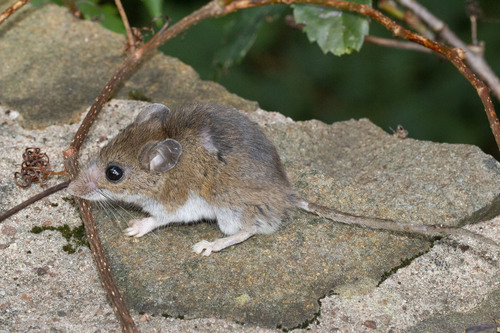
Peromyscus
Peromyscus is a genus of rodents. They are commonly referred to as deer mice or deermice, not to be confused with the chevrotain or "mouse deer". They are New World mice only distantly related to the common house and laboratory mouse, Mus musculus. From this distant relative, Peromyscus species are distinguished by relatively larger eyes, and also often two-tone coloring, with darker colors over the dorsum (back), and white abdominal and limb hair-coloring. In reference to the coloring, the word Peromyscus comes from Greek words meaning "booted mouse". They are also accomplished jumpers and ru
.jpg)
Callosciurus
Callosciurus is a genus of squirrels collectively referred to as the "beautiful squirrels". They are found mainly in Southeast Asia, though a few species also occur in Nepal, northeastern India, Bangladesh and southern China. Several of the species have settled on islands. In total, the genus contains 15 species and numerous varieties and subspecies. The genera Glyphotes, Rubrisciurus, and Tamiops have sometimes been included in Callosciurus.

Arvicola
Water voles are large voles in the genus Arvicola. They are found in both aquatic and dry habitat through Europe and much of northern Asia. A water vole found in Western North America was historically considered a member of this genus, but has been shown to be more closely related to members of the genus Microtus. Head and body lengths are , tail lengths are , and their weights are . The animals may exhibit indeterminate growth. They are thick-furred and have hairy fringes on their feet that improve their swimming ability.

Cricetulus
Cricetulus is a genus of rodent in the family Cricetidae (voles and hamsters); it has seven member species that inhabit arid or semi-arid regions in Eurasia.

Funambulus
thumb|A squirrel apparently appearing to give a thumbs up but is actually eating maize grain.
Funambulus is a genus of rodents in the Sciuridae (squirrel) family, the only one in tribe Funambulini. It contains these species:
Genus Funambulus
Subgenus Funambulus
Layard's palm squirrel (F. layardi)
Dusky palm squirrel (F. obscurus)
Indian palm squirrel (F. palmarum)
Nilgiri striped palm squirrel (F. sublineatus)
Jungle palm squirrel (F. tristriatus)
Subgenus Prasadsciurus
Northern palm squirrel (F. pennantii)

Petaurista
Petaurista is a genus of rodent in the family Sciuridae. They are large to very large flying squirrels found in forests and other wooded habitats in southern and eastern Asia.

Mesocricetus
Mesocricetus is a genus of Old World hamsters, including the Syrian or golden hamster, the first hamster to be introduced as a domestic pet, and still the most popular species of hamster for that purpose.
Hylopetes
Hylopetes is a genus of flying squirrels. There are about 10 species.

red-backed vole
Clethrionomys is a genus of small, slender voles. In recent years the genus name was changed to Myodes, however a 2019 paper found that Myodes was actually a junior synonym for Lemmus, thus making it unusable. As such, Clethrionomys is re-established as the proper genus name. At the same time, several species were moved to the genus Craseomys, so members of both genera are referred to as red-backed voles. This genus was described by Johannes von Nepomuk Franz Xaver Gistel under the pseudonym "G. Tilesius". Some authors cite the taxonomic authority as "Gistel, 1850", whereas others still use "T
Meriones
genus of mammals
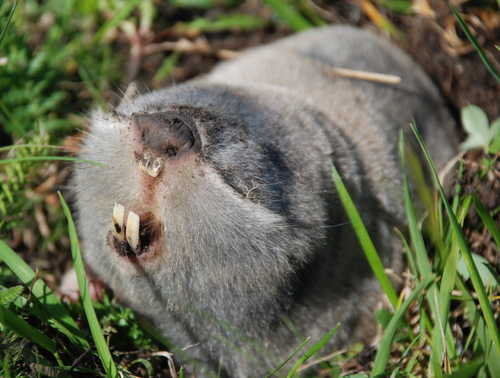
Spalax
Spalax is a genus of rodent in the family Spalacidae, subfamily Spalacinae (blind mole-rats). It is one of two extant genera in the subfamily Spalacinae, alongside Nannospalax.
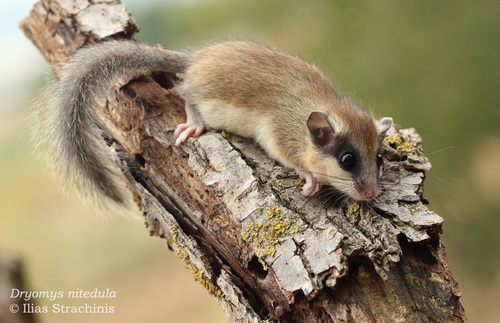
Dryomys
Dryomys is a genus of dormouse. Collectively the members of the genus are referred to as forest dormice, although the type species also goes by the common name forest dormouse.

Allocricetulus
thumb | right | e. C-banded chromosomes of the Eversmann's hamster (Allocricetulus eversmanni, 2n = 26) with pericentomeric C-bands on the X and Y chromosomes.
Allocricetulus is a genus of hamsters in the family Cricetidae, which are found in Asia. It contains the following species:
Mongolian hamster (Allocricetulus curtatus)
Eversmann's hamster (Allocricetulus eversmanni)

Petinomys
Petinomys is a genus of flying squirrels. They are known commonly as the dwarf flying squirrels.
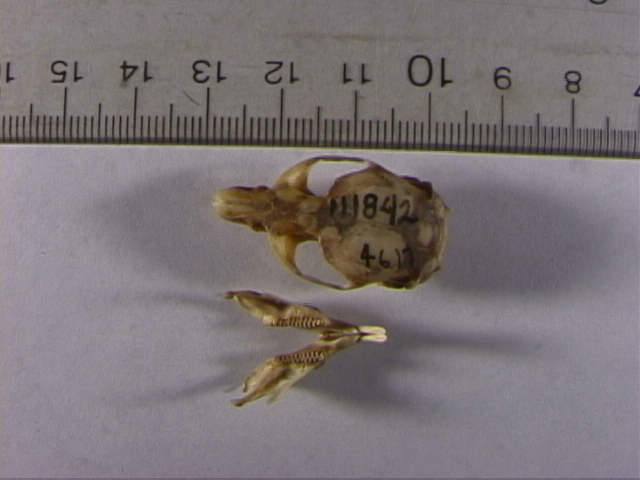
Chionomys
Chionomys is a genus of rodent in the family Cricetidae.
Myomimus
Myomimus is a genus of rodent in the family Gliridae. It contains the following species:
Masked mouse-tailed dormouse (Myomimus personatus )
Roach's mouse-tailed dormouse (Myomimus roachi )
Setzer's mouse-tailed dormouse (Myomimus setzeri )

Kangaroo mouse
genus of mammals
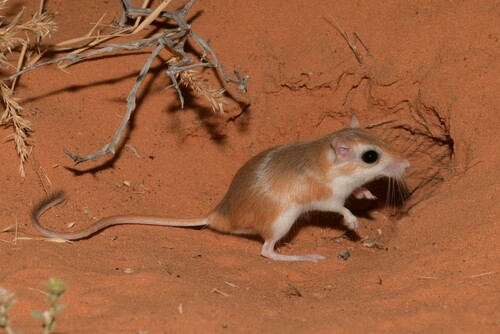
Gerbillus
Gerbillus is a genus that contains most common and the most diverse gerbils. In 2010, after morphological and molecular studies Dipodillus was ranged as a subgenus of Gerbillus, however some taxonomic authorities continue to separate them.
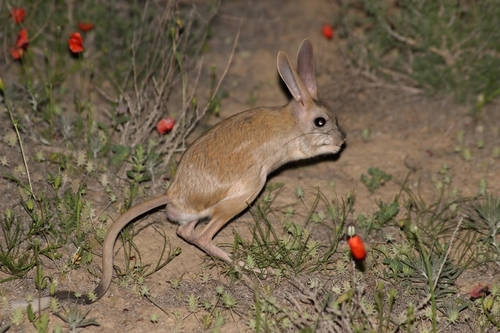
Allactaga
The genus Allactaga contains the five-toed jerboas of Asia. They are small mammals belonging to the order of rodents. They are characteristically known as the hopping rodents of the desert and semi-arid regions. They have long hind feet, short forelimbs, and walk upright. They have large ears in comparison to their body size and a large tail. The tail assists and serves as support when the jerboa is standing upright. The jerboa body length ranges from 5–15 cm and has a tail ranging from 7–25 cm. The "forelimbs of the jerboa serve as a pair of hands for feeding, grooming, etc." Jerboa
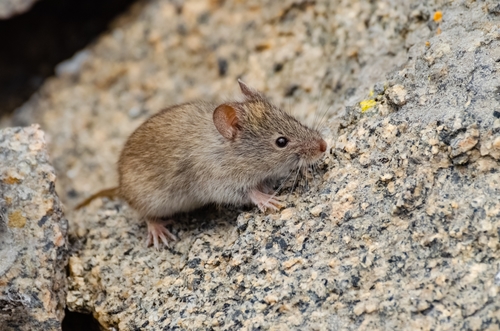
Akodon
Akodon is a genus consisting of South American grass mice. They mostly occur south of the Amazon Basin and along the Andes north to Venezuela, but are absent from much of the basin itself, the far south of the continent, and the lowlands west of the Andes. Akodon is one of the most species-rich genera of Neotropical rodents. Species of Akodon are known to inhabit a variety of habitats from tropical and tropical moist forests to altiplano and desert. Fossils are known from the late Pliocene onwards.

Arvicanthis
Arvicanthis (also commonly known as unstriped grass mice, unstriped grass rats, or kusu rats) is a genus of rodent from Africa. They are found in abundance in a variety of open habitats. They are also diurnal.
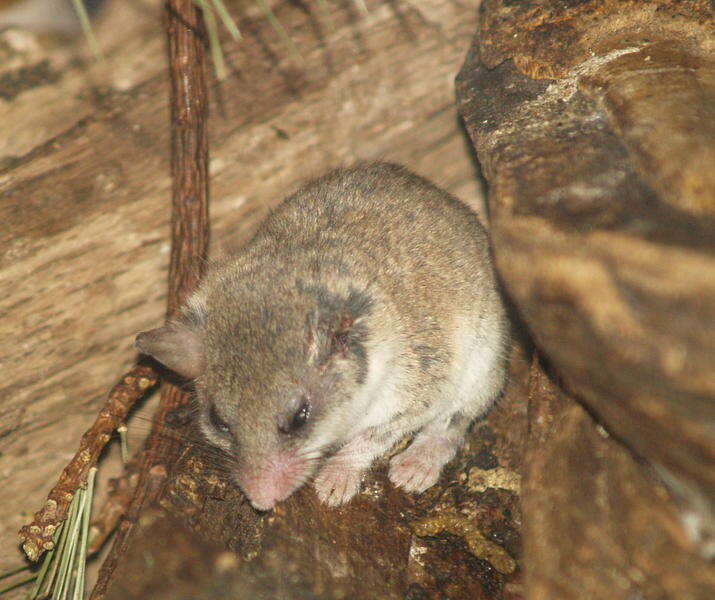
Graphiurus
The African dormice (genus Graphiurus) are dormice that live throughout sub-Saharan Africa in a variety of habitats. They are very agile climbers and have bushy tails. They primarily eat invertebrates, with other components of their diet including small vertebrates, fruit, nuts and eggs. They represent the most diverse living genus of dormice, making up half of all living species.
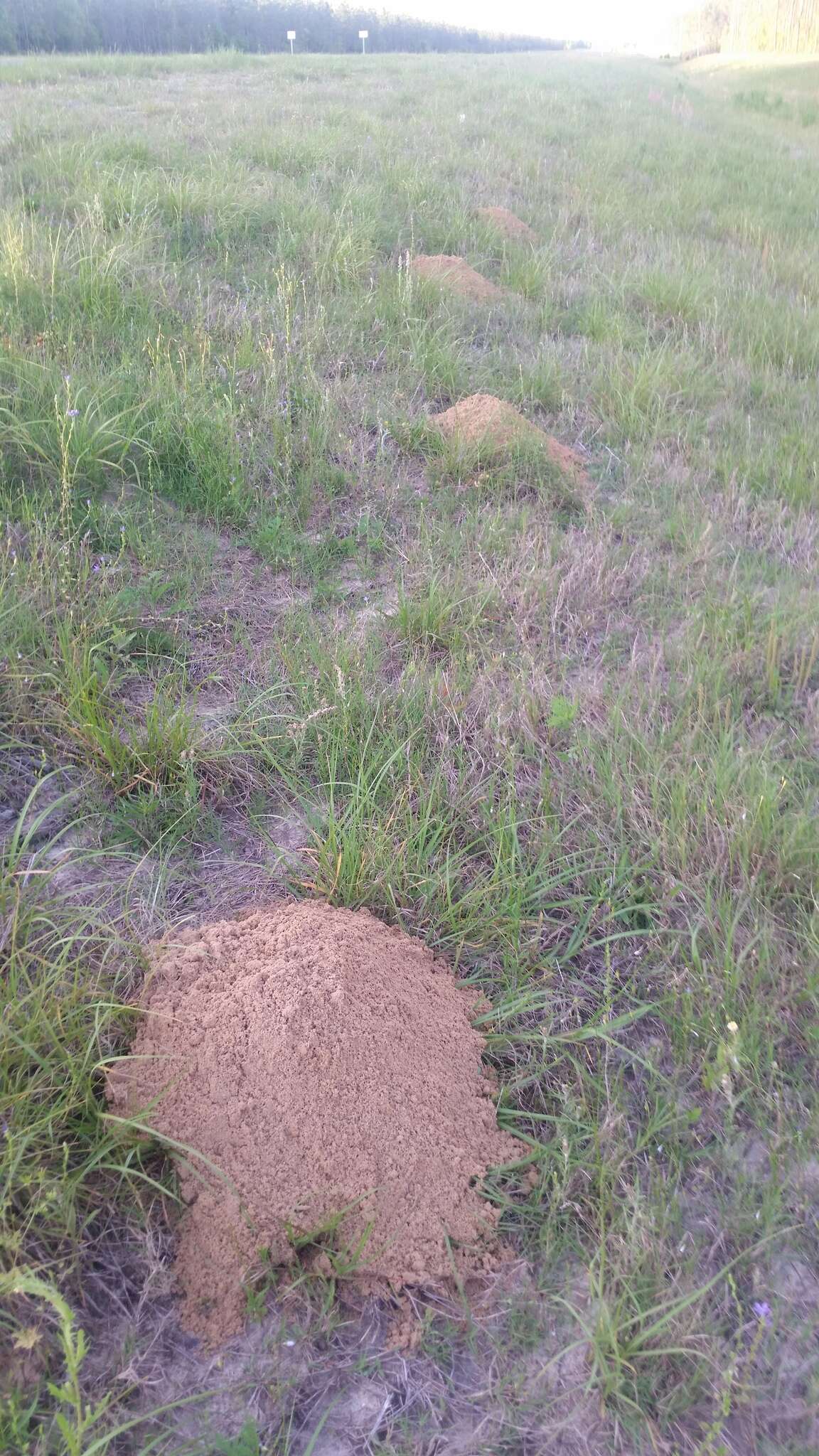
Geomys
The genus Geomys contains 12 extant species of pocket gophers often collectively referred to as the eastern pocket gophers. Like all pocket gophers, members of this genus are fossorial herbivores.

Lagidium
Lagidium is a genus of rodents in the family Chinchillidae.

Aethomys
Aethomys is a genus of rodent from Africa. They are commonly referred to as rock rats, bush rats or rock mice.
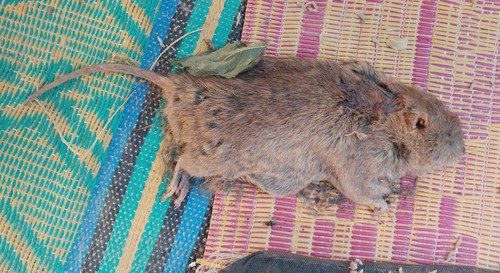
Nesokia
Nesokia is a genus of rodent in the family Muridae endemic to West Asia and Central Asia known as the short-tailed bandicoot rats.
Ellobius
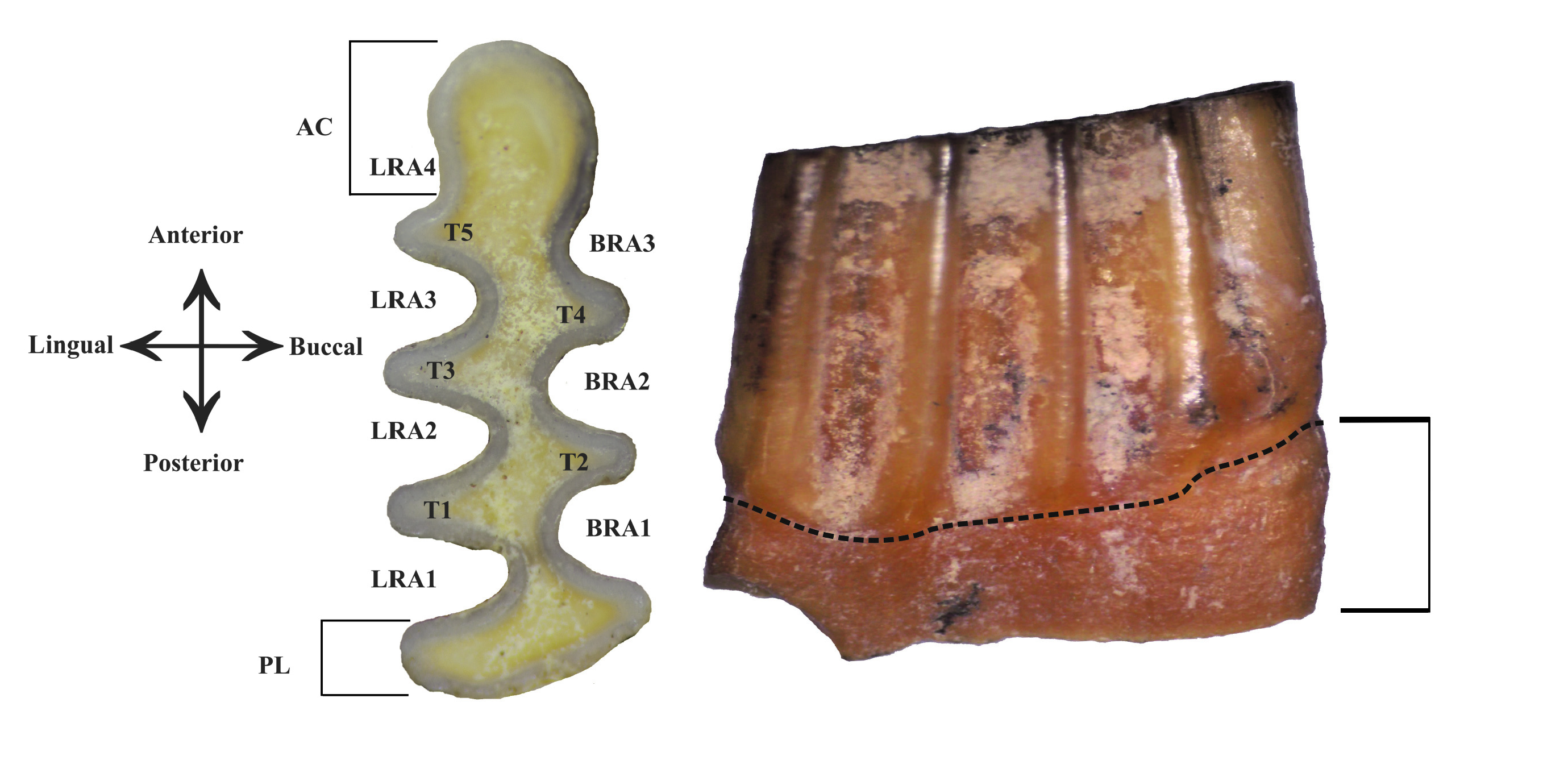
Ellobius is a genus of rodents in the family Cricetidae. It contains two (E. talpinus and E. tancrei) of the handful of examples of mammal species that have lost the Y chromosome.
Chaetodipus
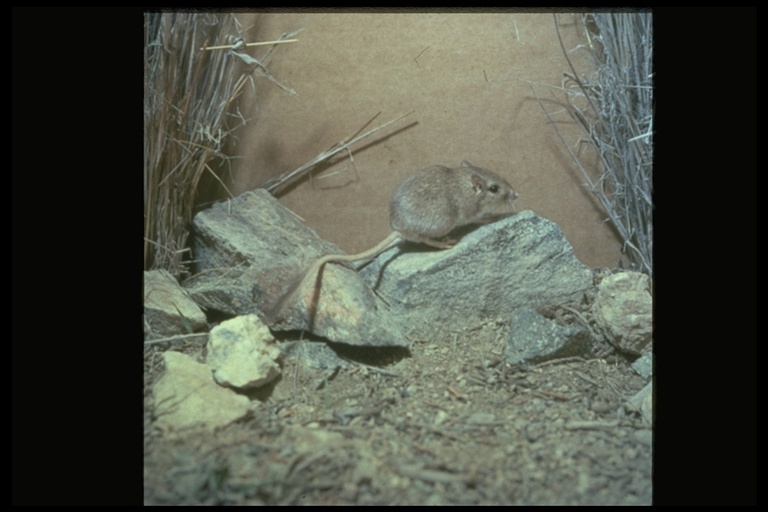
Chaetodipus is a genus of pocket mice containing 17 species endemic to the United States and Mexico. Like other members of their family such as pocket mice in the genus Perognathus, they are more closely related to pocket gophers than to true mice.
Iomys
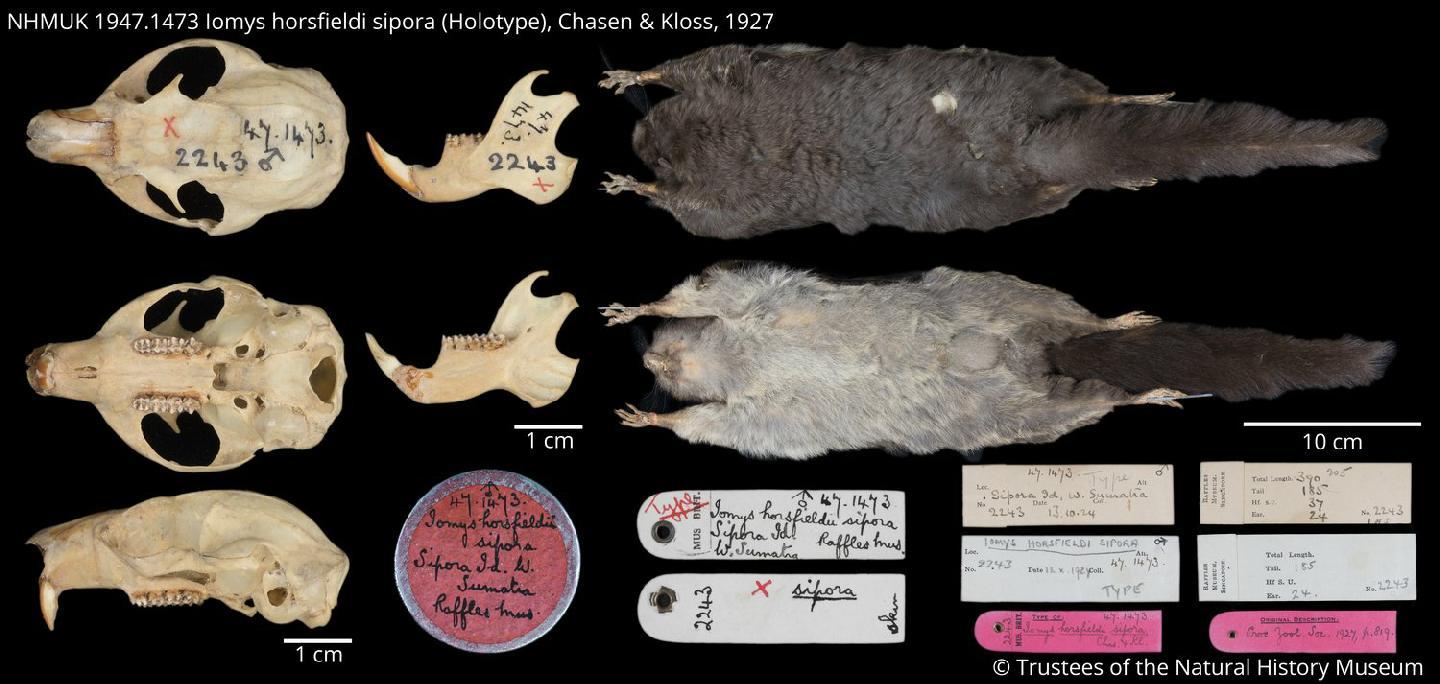
Iomys is a small genus of rodent in the family Sciuridae. Its two species are:
Javanese flying squirrel (Iomys horsfieldii)
Mentawi flying squirrel (Iomys sipora)

Crateromys
Crateromys is a genus of rodent, native to the Philippines, in the family Muridae. It contains four extant species, and one extinct species.
Dinagat bushy-tailed cloud rat (Crateromys australis)
Giant bushy-tailed cloud rat (Crateromys schadenbergi)
Panay bushy-tailed cloud rat (Crateromys heaneyi)
Ilin Island bushy-tailed cloud rat (Crateromys paulus)
Sierra Madre bushy-tailed cloud rat Crateromys ballik

Otomys
African vlei rats (Otomys), also known as groove-toothed rats, live in many areas of sub-Saharan Africa. Most species live in marshlands, grasslands, and similar habitats and feed on the vegetation of such areas, occasionally supplementing it with roots and seeds. The name "vlei" refers to the South African term for intermittent, seasonal, or perennial bodies of standing water.
Baiomys
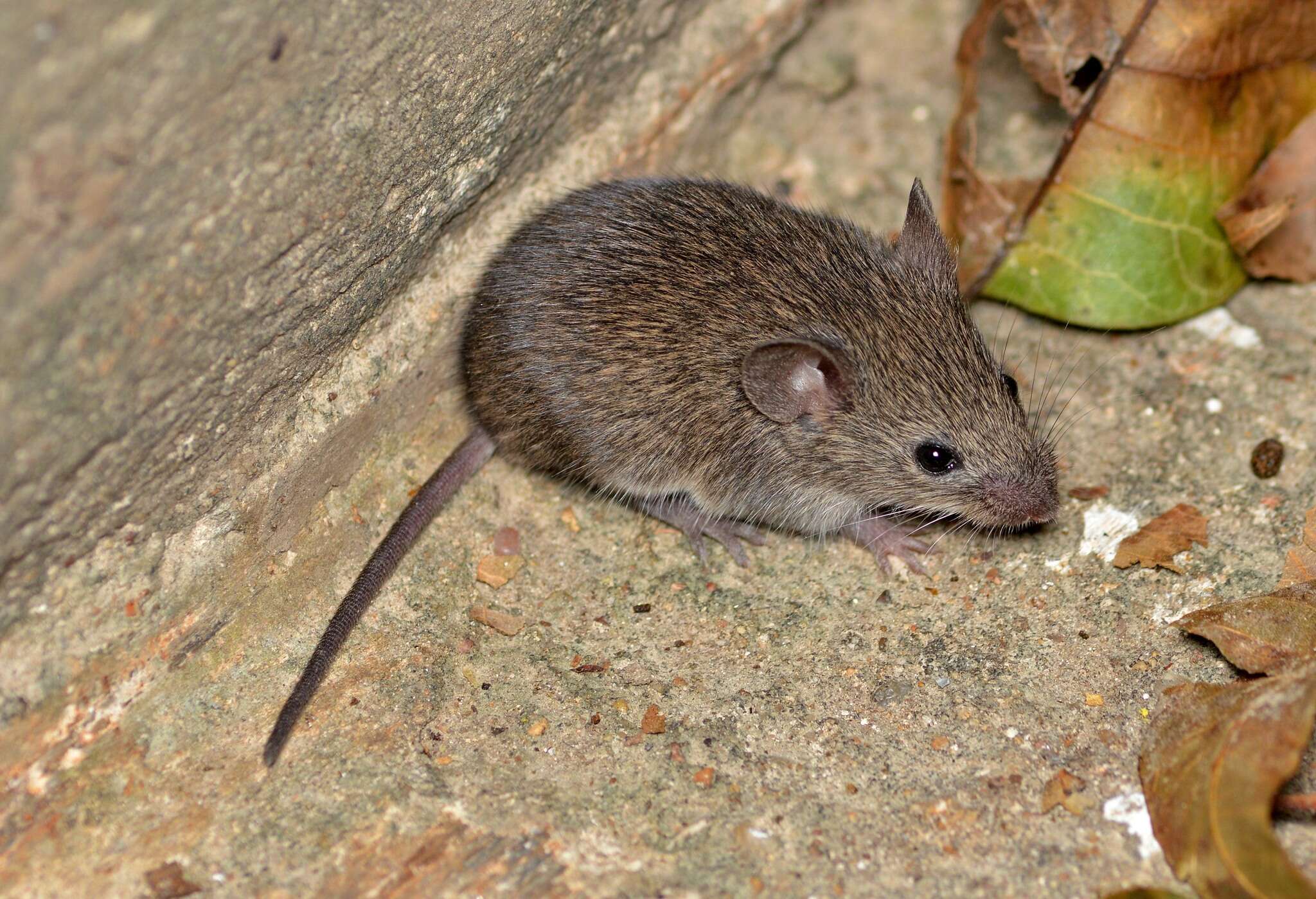
Baiomys, the New World pygmy mice, is a genus of rodents in the family Cricetidae. Together with Scotinomys, it forms the tribe Baiomyini. It contains the smallest rodents in North America. It currently contains three extant species:
Alticola
Alticola, also known as the mountain vole, is a genus of rodent in the family Cricetidae. Their fur is pale ash-brown. They prefer environments of high elevation (often in remote and extreme habitats). They are widely distributed across the mountains of Central Asia, and are found in steppe, rocky montane, and alpine forests.
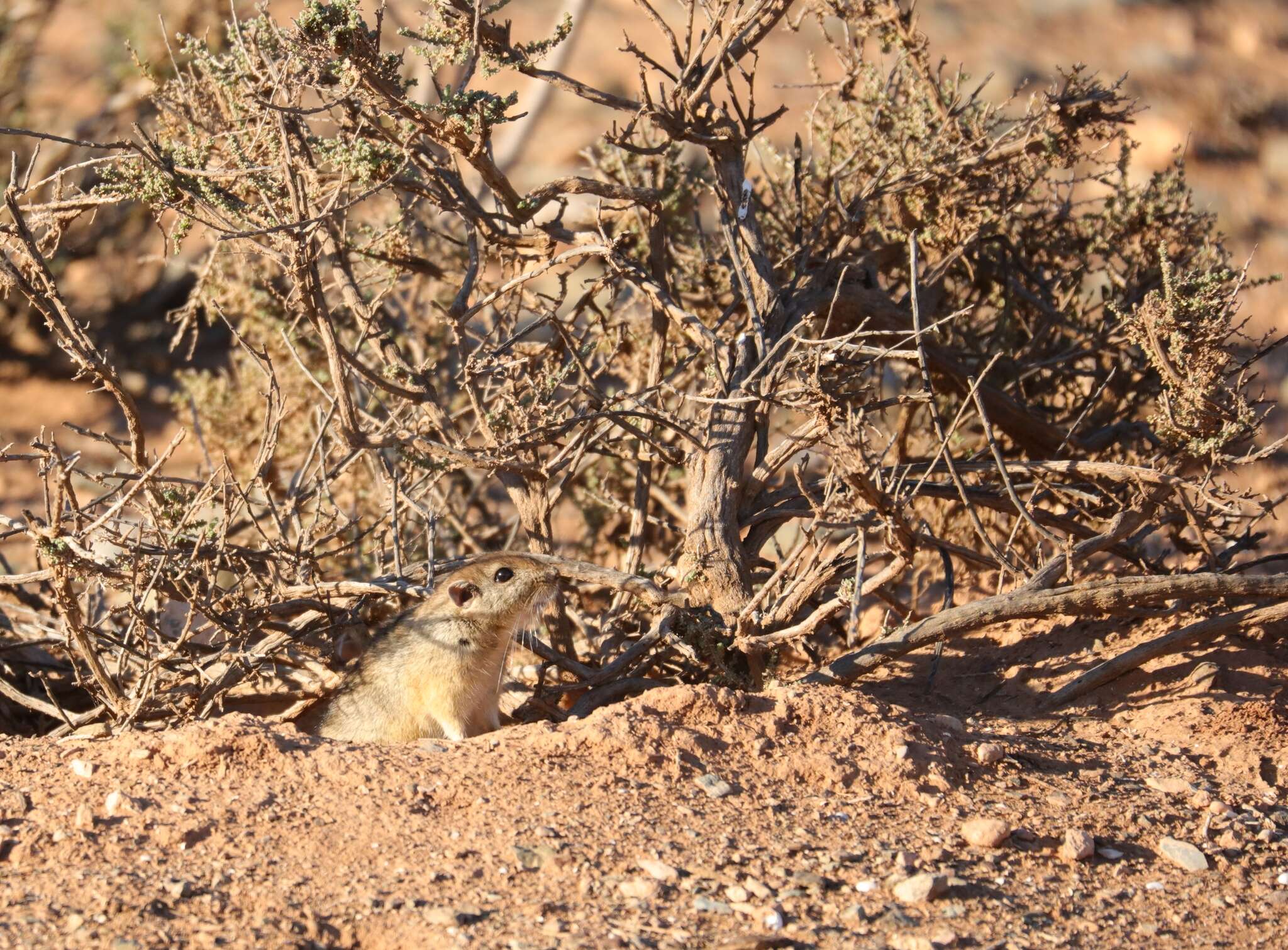
Psammomys
Psammomys is a genus of rodents in the family Muridae. The two species in the genus are the fat sand rat (Psammomys obesus) and the thin sand rat (Psammomys vexillaris).

Oryzomys
Oryzomys is a genus of semiaquatic rodents in the tribe Oryzomyini living in southern North America and far northern South America. It includes eight species, two of which—the marsh rice rat (O. palustris) of the United States and O. couesi of Mexico and Central America—are widespread; the six others have more restricted distributions. The species have had eventful taxonomic histories, and most species were at one time included in the marsh rice rat; additional species may be recognized in the future. The name Oryzomys was established in 1857 by Spencer Fullerton Baird for the marsh

Chrotomys
250px|thumb|right|Chrotomys silaceus (upper animal)
Abrocoma
Abrocoma is a genus of abrocomid rodents found in the Andes of South America, from southern Peru to central Chile. The genus contains eight species, most of which are found in isolated mountain ranges in northwestern Argentina. The oldest fossil record for the Caviomorpha appears at the late Eocene-Early Oligocene transition (37.5–31.5 mybp). The Abrocoma has an interesting body structure for example within its own head it has a sac that contains a liquid that is not named by Janet K. Braun and Michael A. Mares(894). They also have feet that are padded which helped to completely say with certa
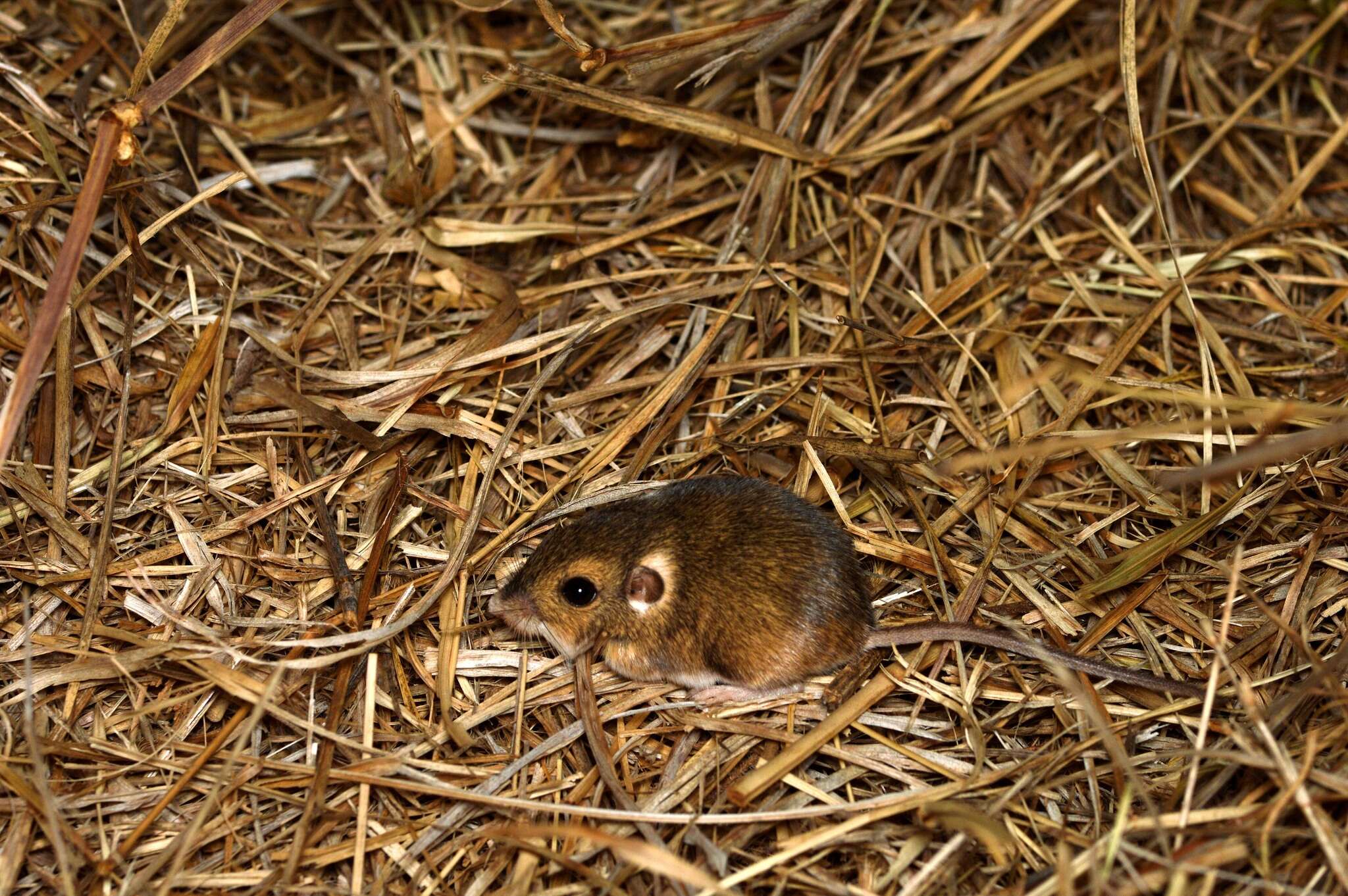
Perognathus
Perognathus is a genus of pocket mouse. Like other members of their family they are more closely related to pocket gophers than to true mice.
Maxomys
Maxomys is a genus of rodents, widespread in Southeast Asia. They are mid-sized rodents, similar to rats, that live on the ground of tropical rainforests. There they build nests, padded with fallen leaves from trees. They feed on roots, fallen fruit, and other plants, as well as insects. All species are shy and avoid food from humans.
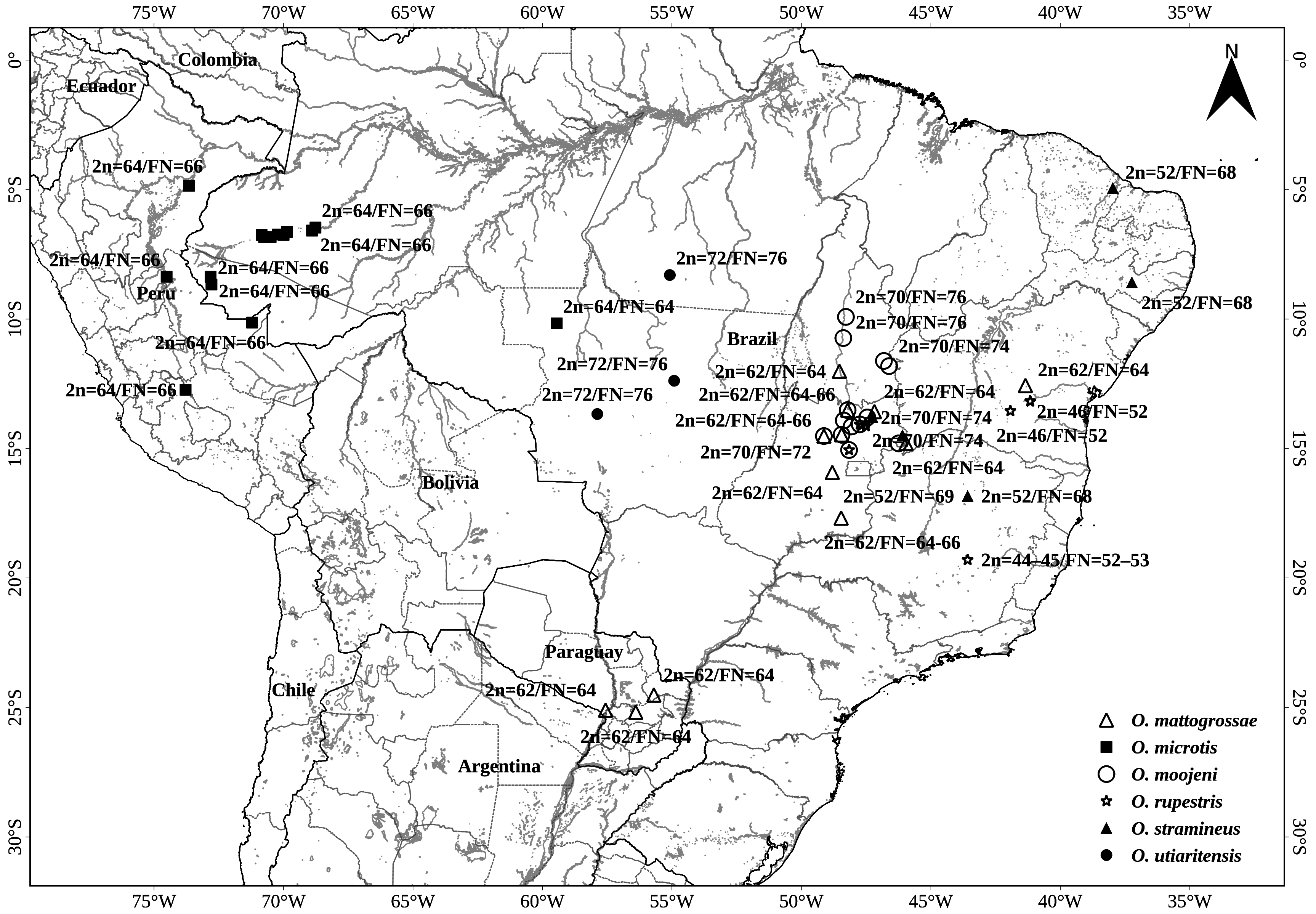
Oligoryzomys
Oligoryzomys is a genus of rodents in the tribe Oryzomyini of family Cricetidae. Many species are known as pygmy rice rats or colilargos. The genus is found from Mexico to Tierra del Fuego and includes approximately 17 species.
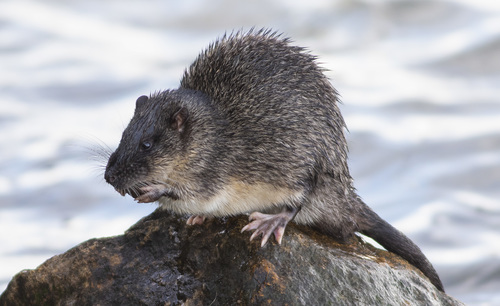
Hydromys
Hydromys is a genus of semiaquatic rodents in the subfamily Murinae. Three species are endemic to New Guinea and nearby islands. The fourth species, the rakali, is also found on Australia. The most recently discovered member of this genus was described in 2005.

Galea
genus of mammals

Rabbit rat
The rabbit rats of genus Conilurus represent an unusual genus of Old World rats from Australia, New Guinea, and Melville Island.
Microcavia
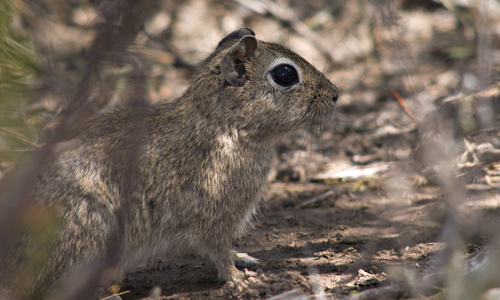
Microcavia (mountain cavies) is a genus of rodents in the family Caviidae. They are unique within their family in that their premolar teeth do not grow and replace the original deciduous cheek teeth until after the animal is born; in other genera this occurs in the womb.