Category
page 1Royalty and nobility with disabilities

Timur
Timur (1320s17/18 February 1405), also known as Tamerlane, was a Turco-Mongol conqueror, first ruler of the Timurid dynasty, and the founder of the Timurid Empire, which ruled over modern-day Afghanistan, Iran, and Central Asia. He was undefeated in battle and is widely regarded as one of the greatest military leaders and tacticians in history, as well as one of the most brutal and deadly. Timur is also considered a great patron of the arts, for he interacted with scholars and poets such as ibn Khaldun, Hafez, and Hafiz-i Abru. His reign led to the Timurid Renaissance.

Claudius
Tiberius Claudius Caesar Augustus Germanicus ( ; ; 1 August 10 BC – 13 October AD 54), or Claudius, was a Roman emperor, ruling from AD 41 to 54. A member of the Julio-Claudian dynasty, Claudius was born to Drusus and Antonia Minor at Lugdunum in Roman Gaul, where his father was stationed as a military legate. He was the first Roman emperor to be born outside Italy.

Abdullah of Saudi Arabia
King of Saudi Arabia from 2005 to 2015

Justin II
Emperor of the Byzantine Empire from 565 to 574 (520-578)

Maria I of Portugal
Portuguese monarch l (1777-1816)
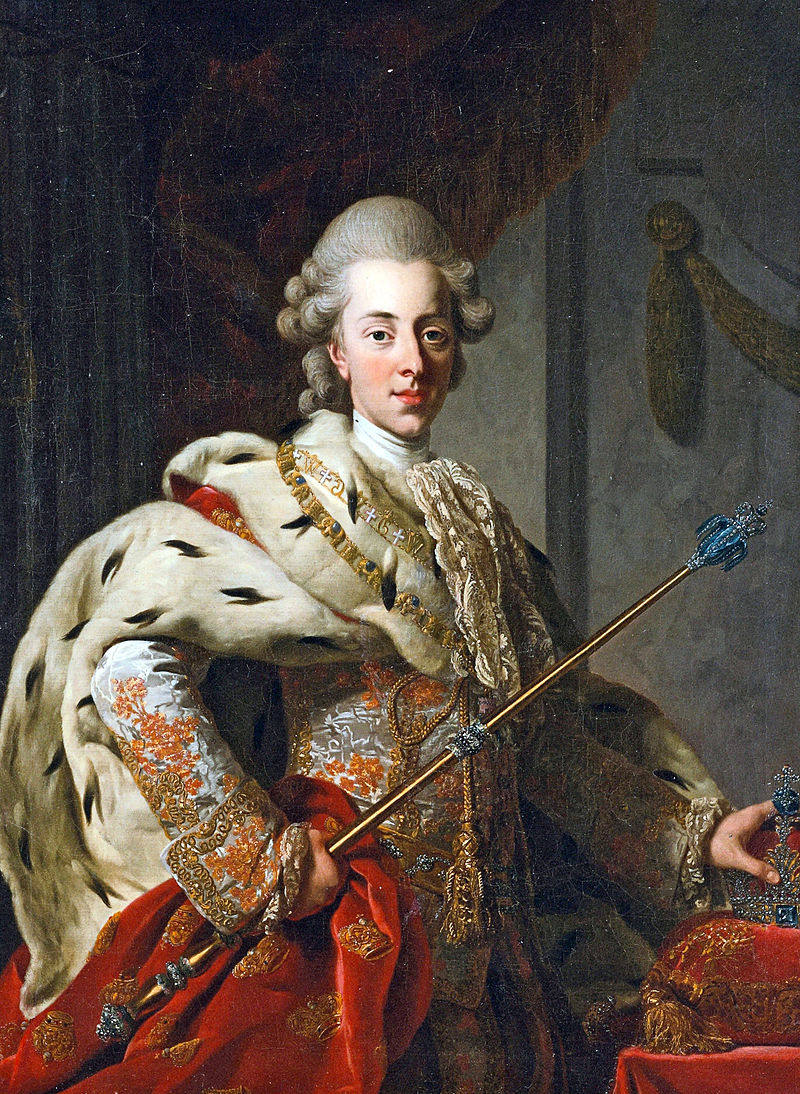
Christian VII of Denmark
King of Denmark and Norway (1749-1808)

Baldwin IV of Jerusalem
King of Jerusalem (1161-1185) (r. 1174-1185)

Stauracius
Staurakios or Stauracius (; early 790s – 11 January 812) was the shortest-reigning Byzantine emperor, ruling for 68 days between 26 July and 2 October 811.
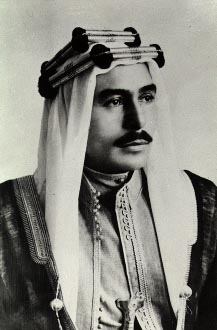
Talal I of Jordan
King of Jordan from 1951 to 1952

Antigonus I Monophthalmus
Macedonian general, founder of Antigonid dynasty (382–301 BC)

Afonso VI of Portugal
King of Portugal and the Algarves

Philip III of Macedon
king of Macedonia
Mohammad Khodabanda
The fourth Safavid king (1578–1587)
Wenceslaus I of Bohemia
King of Bohemia from 1230 to 1253

Siptah
thumb|230x230px|Goblet for an Apis died under the early reign of Siptah, 19th dynasty, New Kingdom. Found in the Serapeum of Saqqara, now in the Louvre Museum (n. 442).

Magnus IV of Norway
Norwegian monarch
Nogai Khan
General and de facto ruler of the Golden Horde

Inge I of Norway
Norwegian King

Prusias I of Bithynia
king of Bithynia
Zaman Shah Durrani
Emir of Afghanistan1793 to 1801
Bohemond IV of Antioch
Prince of Antioch (1172-1233)
Kilij Arslan II
Sultan of Rum (1155-1192)
Deokhye, Princess of Korea
The Korean Empire's last princess (1912–1989)
Henry IV, Duke of Brabant
Brabant noble
Yoshihito, Prince Katsura
Japanese prince (1948–2014)
Bagha Qaghan
seventh Khagan of the Turkic Khaganate

Mephibosheth
thumb|220px|Illustration from the Morgan Bible of Mephibosheth kneeling before David.
Mephibosheth (, also called Meribaal, , Mərīḇ-Baʻal), or Miphibosheth, was the son of Jonathan—and, thus, a grandson of Saul, the first king of the United Monarchy of Israel and Judah. He is mentioned in the Biblical Books of Samuel and Chronicles.
Prince Abdul Azim of Brunei
Bruneian Royal (1982–2020)
Peter the Limp
Prince of Moldavia from June 1574 to 23 November 1577
Shō Gen
5th king of the Ryukyu Kingdom
Princess Fawzia Farouk of Egypt
Princess of Egypt
Konrad II the Hunchback
Polish duke

Torf-Einarr
Einarr Rognvaldarson ( early 890s–c. 910), often referred to by his byname Torf-Einarr (sometimes anglicised as Turf-Einar), was one of the Norse earls of Orkney. The son of the Norse jarl Rognvald Eysteinsson and a concubine, his rise to power is related in sagas which apparently draw on verses of Einarr's own composition for inspiration. After battling for control of the Northern Isles of Scotland and a struggle with Norwegian royalty, Einarr founded a dynasty which retained control of the islands for centuries after his death.
Władysław of Dobrzyń
Polish prince (1303/5 – 1351/2)
Poom Jensen
Thai prince (1983-2004)
Christopher, Duke of Lolland
Danish prince
Józef Boruwłaski
Polish noble

Hans Ulrik Gyldenløve
Danish Navy officer and diplomat (1615-1645)

Prince Ernest Casimir of the Netherlands
Dutch prince (1822–1822)
Abu Malik Abd al-Wahid
Son of Marinid sultan (died 1339)