Category
page 1Russulales genera
%2024-10-2024.%20(d.j.b).jpg)
Russula
Russula is a very large genus composed of around 750 worldwide species of fungi. The genus was described by Christian Hendrik Persoon in 1796.

Lactarius
Lactarius is a genus of mushroom-producing, ectomycorrhizal fungi, containing several edible species. The species of the genus, commonly known as milk-caps, are characterized by the milky fluid ("latex") they exude when cut or damaged. Like the closely related genus Russula, their flesh has a distinctive brittle consistency. It is a large genus with over 500 known species, mainly distributed in the Northern hemisphere. Recently, the genus Lactifluus has been separated from Lactarius based on molecular phylogenetic evidence.

Hericium
thumb|Hericium at the Copernicus Science Centre in Warsaw

Albatrellus
Albatrellus is a genus of 19 species of mushroom-producing fungi in the family Albatrellaceae. Species are common in northern temperate forests, producing medium to large fleshy fruit bodies of various colors.
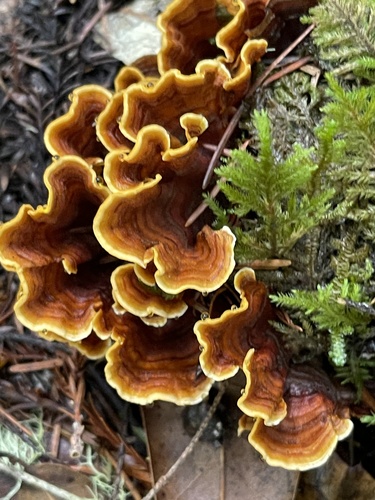
Stereum
Stereum is the type genus of the Stereaceae family of fungi, in the Russulales order. Common names for species of this genus include leaf fungus, wax fungus, and shelf fungus. Fungi having a shape similar to a Stereum are said to have a stereoid shape. Stereum contains 27 species that have a widespread distribution.

Auriscalpium
Auriscalpium is a genus of mushroom-forming fungi typifying the family Auriscalpiaceae.
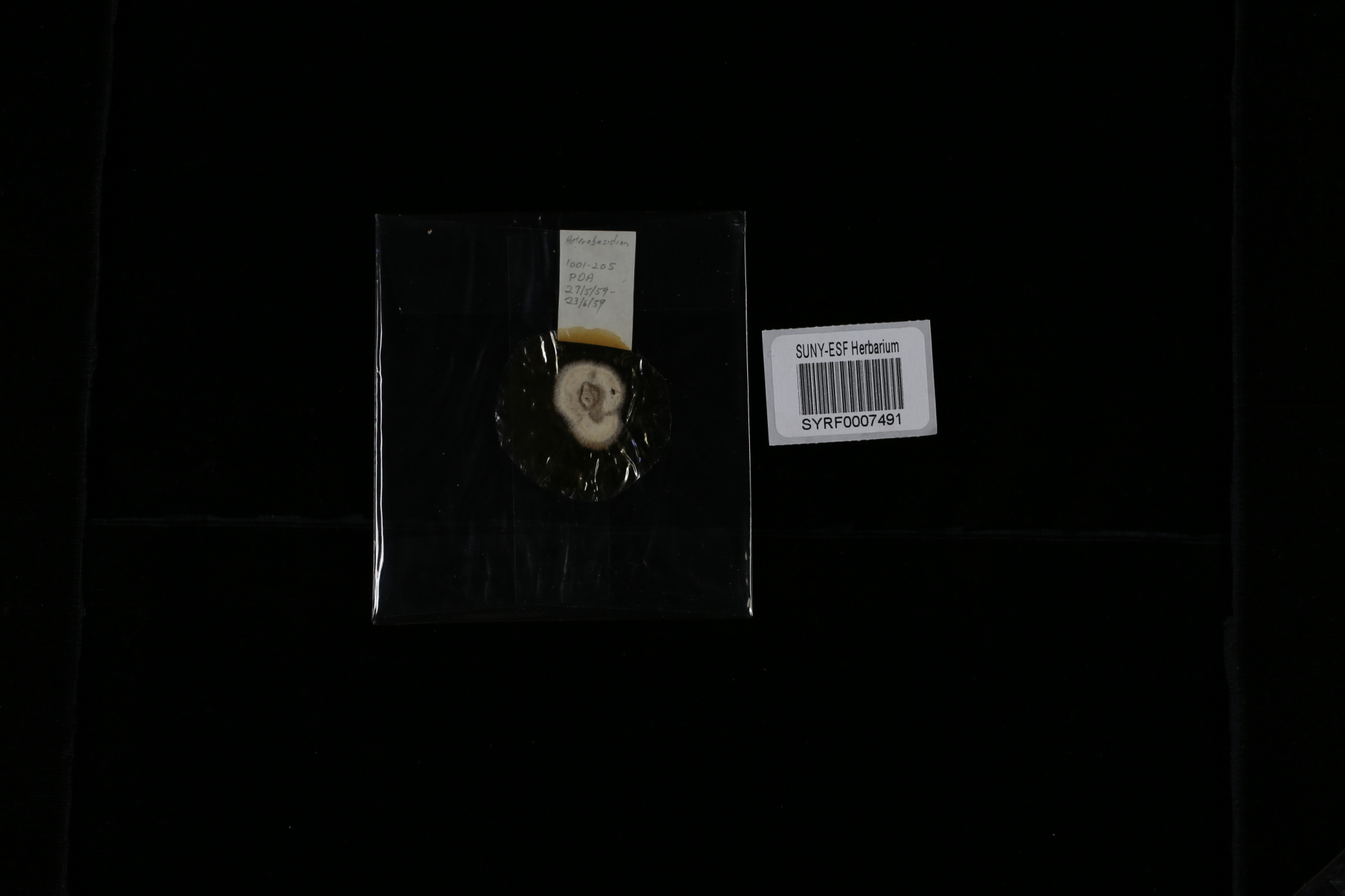
Heterobasidion
Heterobasidion is a genus of basidiomycetes in the family of Bondarzewiaceae. Species in this genus include tree decay fungi that may be pathogenic and cause deterioration of tree health including mortality. Fungi in the genus produce shelf-like polyporous fruiting bodies that release spores from pores. Mating studies in the late twentieth century and genetic studies in the early twenty-first century have led to description of several new species and replacement of some of the original names. As a result, two former Heterobasidion species, H. annosum and H. insulare, are now recogniz
%20Boidin%20203093.jpg)
Amylostereum
Amylostereum is the single genus in the fungal family Amylostereaceae. The genus currently comprises four saprotrophic and parasitic species, which live off living or dead wood. The Amylostereaceae cause white rot in the wood by disintegrating the tissue component lignin. They produce crust-like, partially wavy fruit bodies on the surface of infested trees, which are similar to those produced by Stereum species.
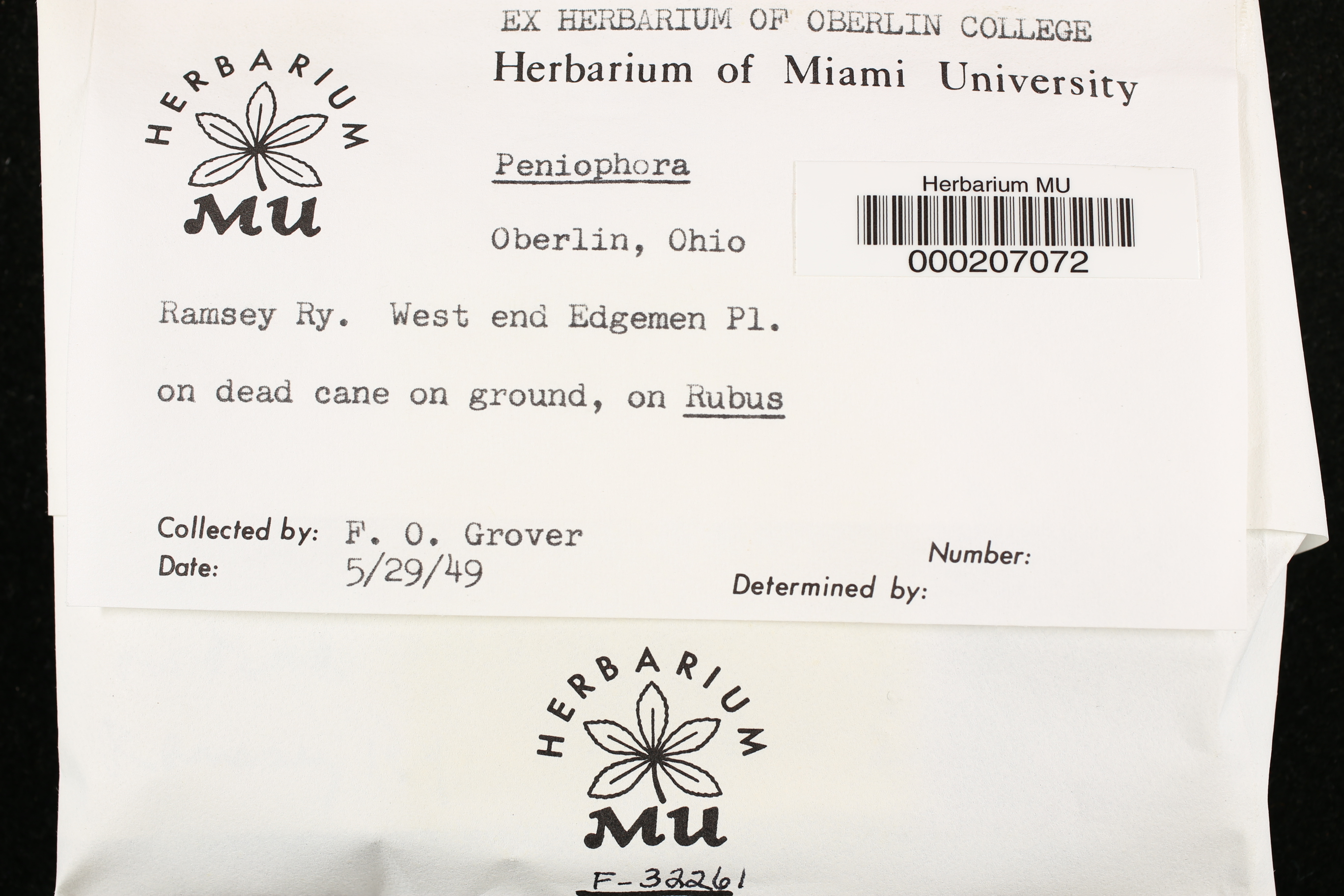
Peniophora
Peniophora is a genus of fungi which are plant pathogens. Members of the genus belong to the class Agaricomycetes, order Russulales, and family Peniophoraceae. The genus is widespread, and contains 62 species. The species of Peniophora are resupinate, or crust-like, and are described as corticioid. A number of its members are parasitised by other fungi. For example, Tremella mesenterica is a parasite to several species of Peniophora.

Lactifluus
Lactifluus is one of three genera of mushroom-forming fungi containing species commonly named "milk-caps", the others being Lactarius and Multifurca. It has been separated from Lactarius based on molecular phylogenetic evidence but is very similar to that genus. There are roughly 150 known Lactifluus species, which have a mainly tropical distribution but are also found in the north temperate zone and Australasia. Some of them are edible mushrooms.

Bondarzewia
Bondarzewia is a widely distributed genus of fungi in the family Bondarzewiaceae. The genus was circumscribed by mycologist Rolf Singer in 1940.
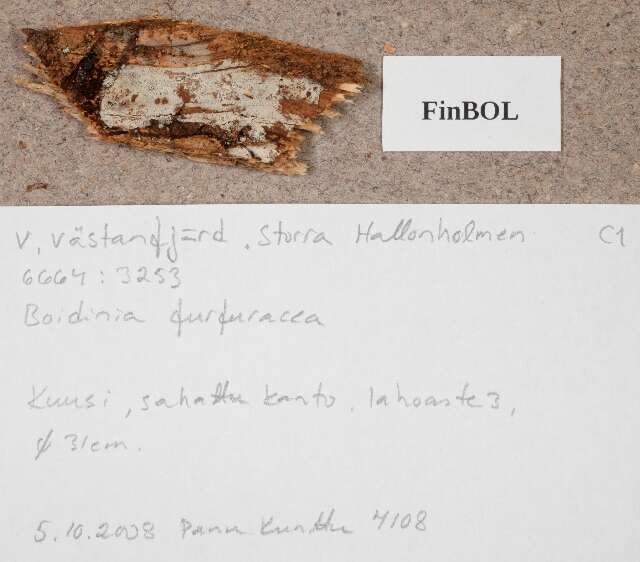
Boidinia
Boidinia is a genus of crust fungi in the family Russulaceae. The genus is widely distributed, and contains 10 species. Boidinia was described in 1982 with the type species Boidinia furfuracea (formerly placed in Gloeocystidiellum). It is named in honor of French mycologist Jacques Boidin.

Lentinellus
Lentinellus is a genus of white rot, wood decay, lamellate agaric in the family Auriscalpiaceae, further characterized in part by rough-walled, amyloid spores produced on lamellae with jagged edges. Typically, thick-walled hyphae in the fruit body are in part amyloid, and frequently the taste of the mushrooms is acrid (burning, spicy). The widespread genus has been estimated to contain 15 species. Mycologists Ronald Petersen and Karen Hughes considered 24 species in their 2004 world monograph of the genus.
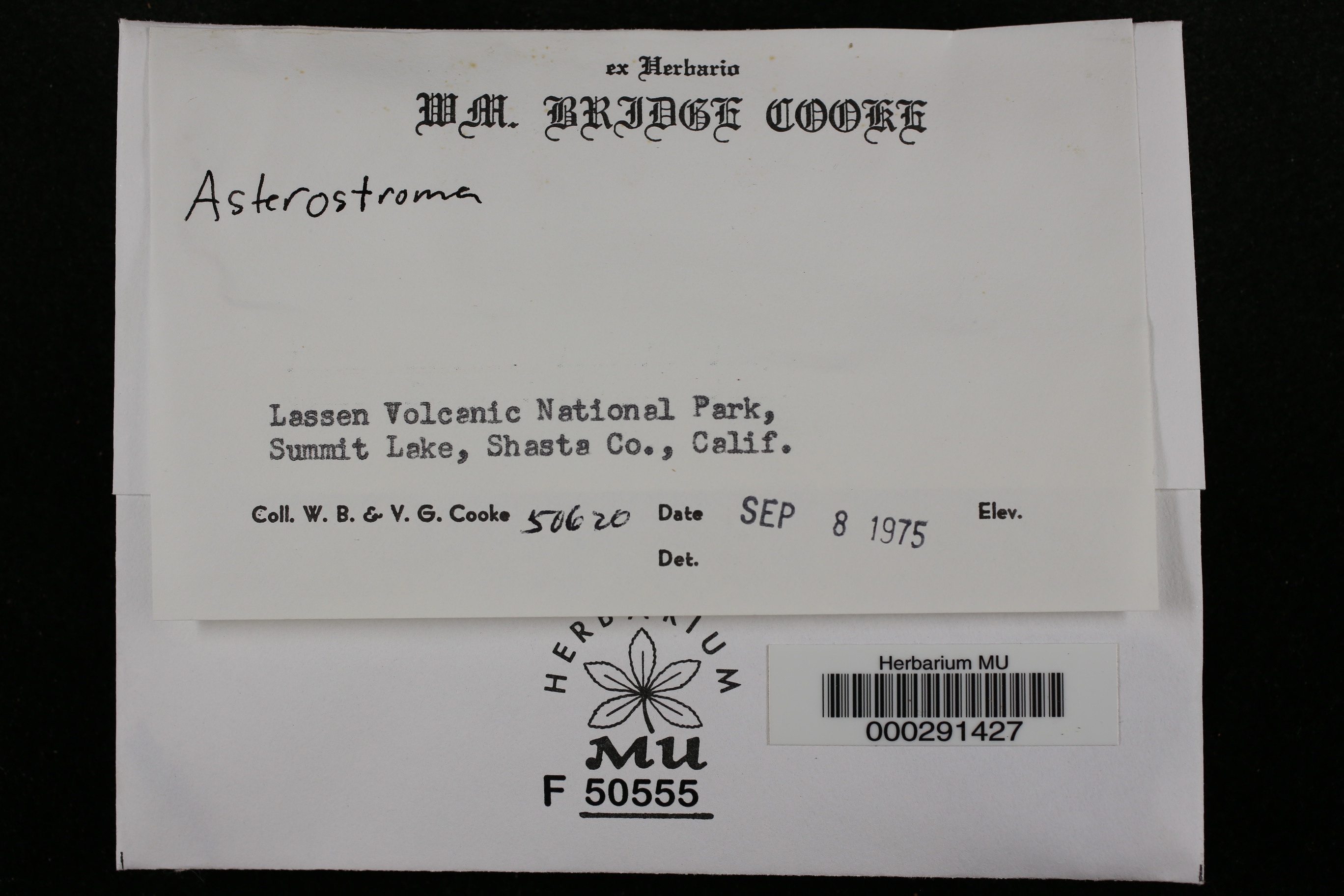
Asterostroma
Asterostroma is a genus of fungi in the Peniophoraceae family. The genus contains 26 species, which collectively have a widespread distribution.

Vararia
Vararia is a genus of corticioid fungi in the family Lachnocladiaceae. The genus contains over 50 species that collectively have a widespread distribution.
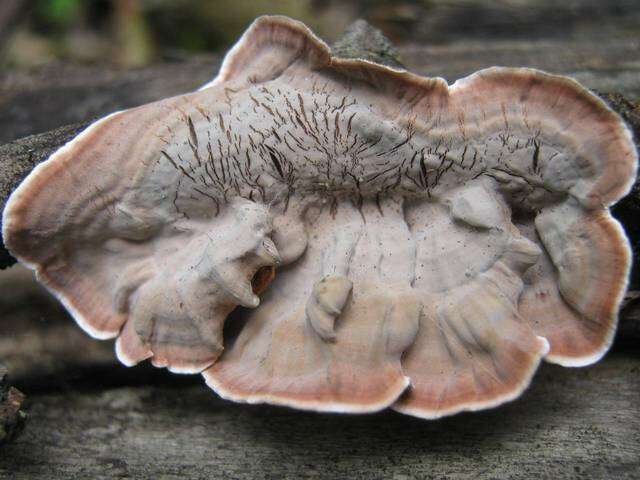
Xylobolus
Xylobolus is a genus of fungi in the Stereaceae family. The Dictionary of the Fungi (10th edition, 2008) estimated the genus to contain three widely distributed species; another, X. thoenii, was added in 2011. The genus was circumscribed by Petter Karsten in 1881.

Aleurodiscus
Aleurodiscus is a genus of corticioid fungi in the family Stereaceae.

Gloiodon
Gloiodon is a genus of mushrooms in the family Bondarzewiaceae. It was first described by Finnish mycologist Petter Karsten in 1879.
Gloeocystidiellum
Gloeocystidiellum is a single genus of fungi in the monotypic Gloeocystidiellaceae family. Its species form crust-like, smooth fruitbodies. It is probably polyphyletic and may be restricted to the group around the type species G. porosum.
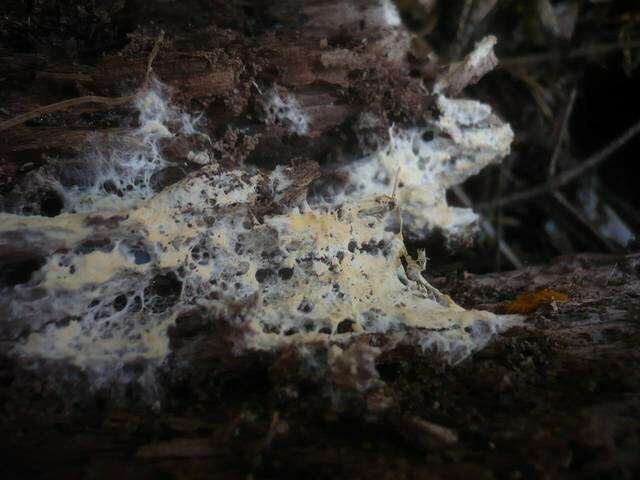
Gloiothele
Gloiothele is a genus of fungi in the Peniophoraceae family. The genus was circumscribed by mycologist Giacomo Bresadola in 1920.
Acanthobasidium
Acanthobasidium is a genus of fungi in the Stereaceae family. The genus, which contains three species found in Europe, was circumscribed by mycologist Franz Oberwinkler in 1966.
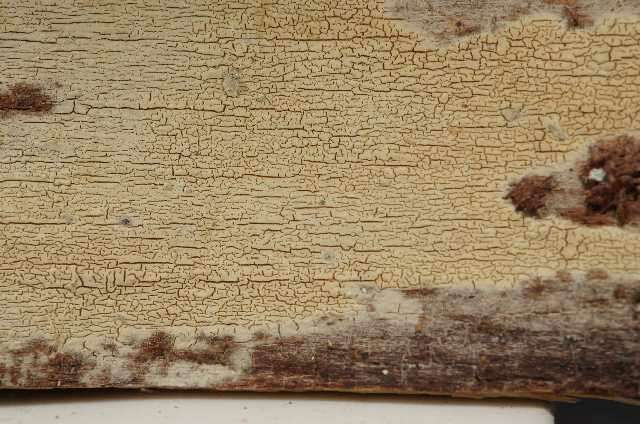
Conferticium
Conferticium is a genus of fungi in the Stereaceae family.
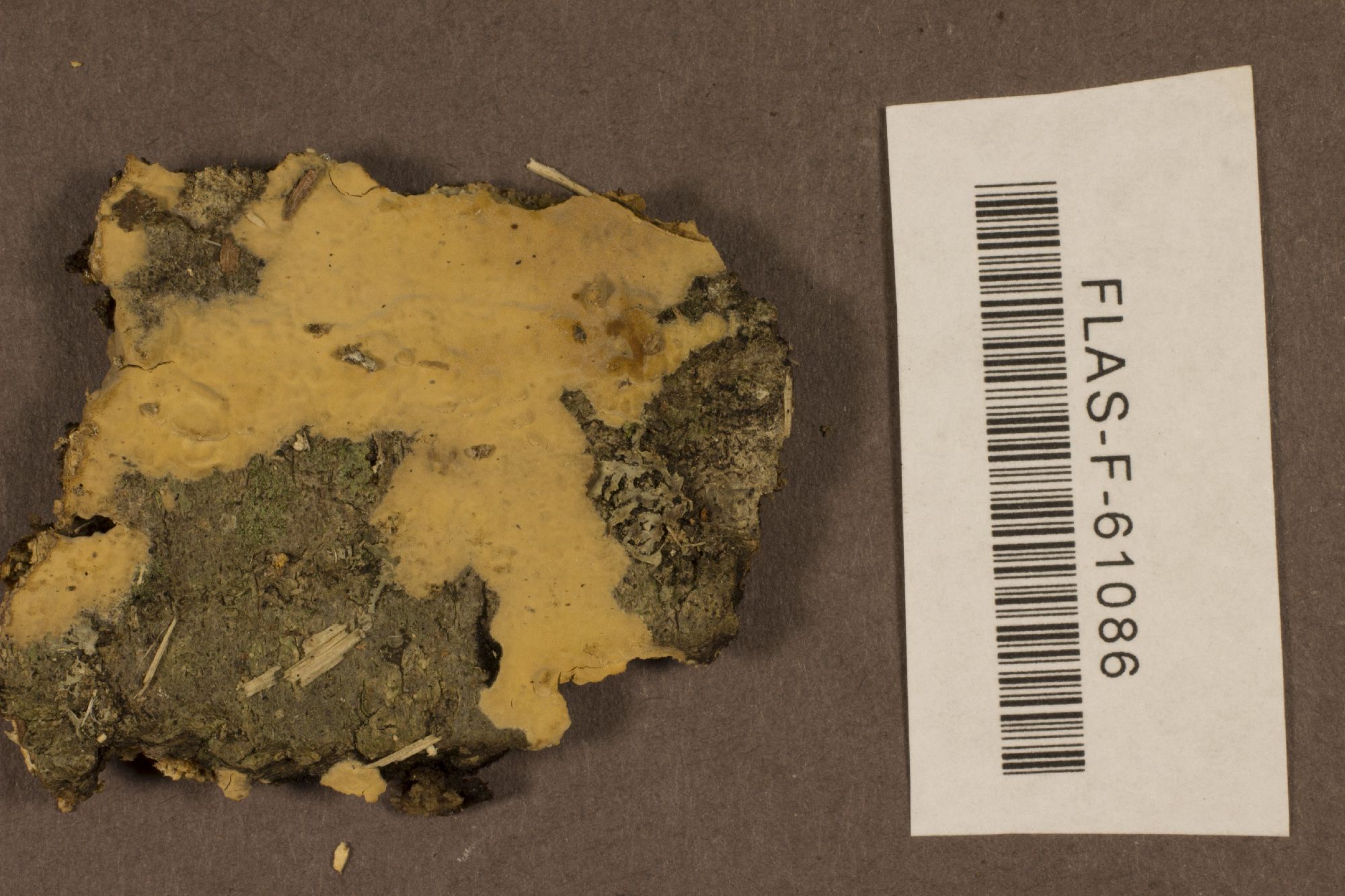
Dichostereum
Dichostereum is a genus of corticioid fungi in the Peniophoraceae family. Based on 2025 data, the genus contains 14 species that have a widespread distribution.
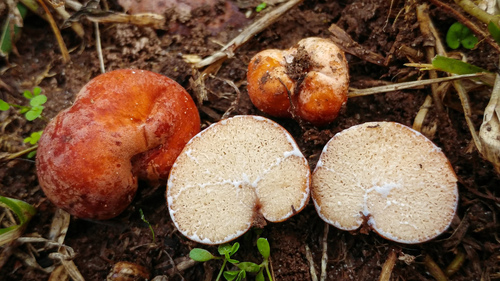
Zelleromyces
Zelleromyces is a genus of fungi in the family Russulaceae. It was first described by mycologists Rolf Singer and Alexander H. Smith in 1960 to contain hypogeous (underground) fungi with gasteroid fruit bodies that "bleed" latex when they are cut.
%20Lentz%20142910.jpg)
Laxitextum
Laxitextum is a genus of fungi in the family Hericiaceae. The widespread genus contains three species. It was circumscribed by Paul Lewis Lentz in 1955. Species in the genus have fruit bodies that are effused (stretched out flat) to reflexed (with edges turned up) and a smooth hymenium. Molecular analysis shows that the genus groups in a clade with the genera Hericium and Dentipellis.
==Species==
{| class="wikitable"
|-
! Image !! Scientific name !! Distribution
|-
|120px|| Laxitextum bicolor||North America
|-
||| Laxitextum incrustatum||Kenya, Tanzania
|-
||| Laxitextum lutescens|| tropical
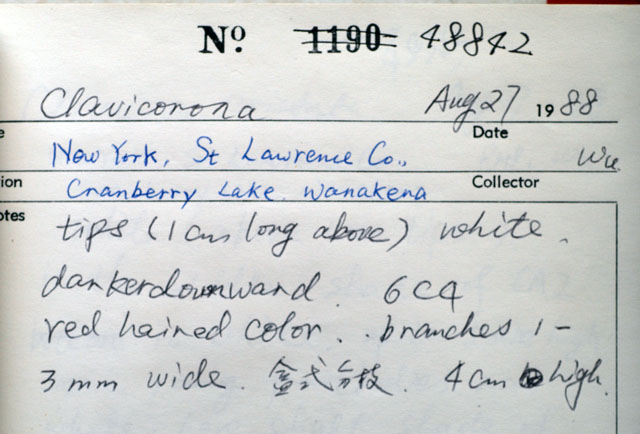
Artomyces
Artomyces is a genus of coral fungi in the family Auriscalpiaceae. It was circumscribed by Walter Jülich in 1982, who set Artomyces pyxidatus (formerly Clavaria pyxidata Pers. 1794) as the type species.
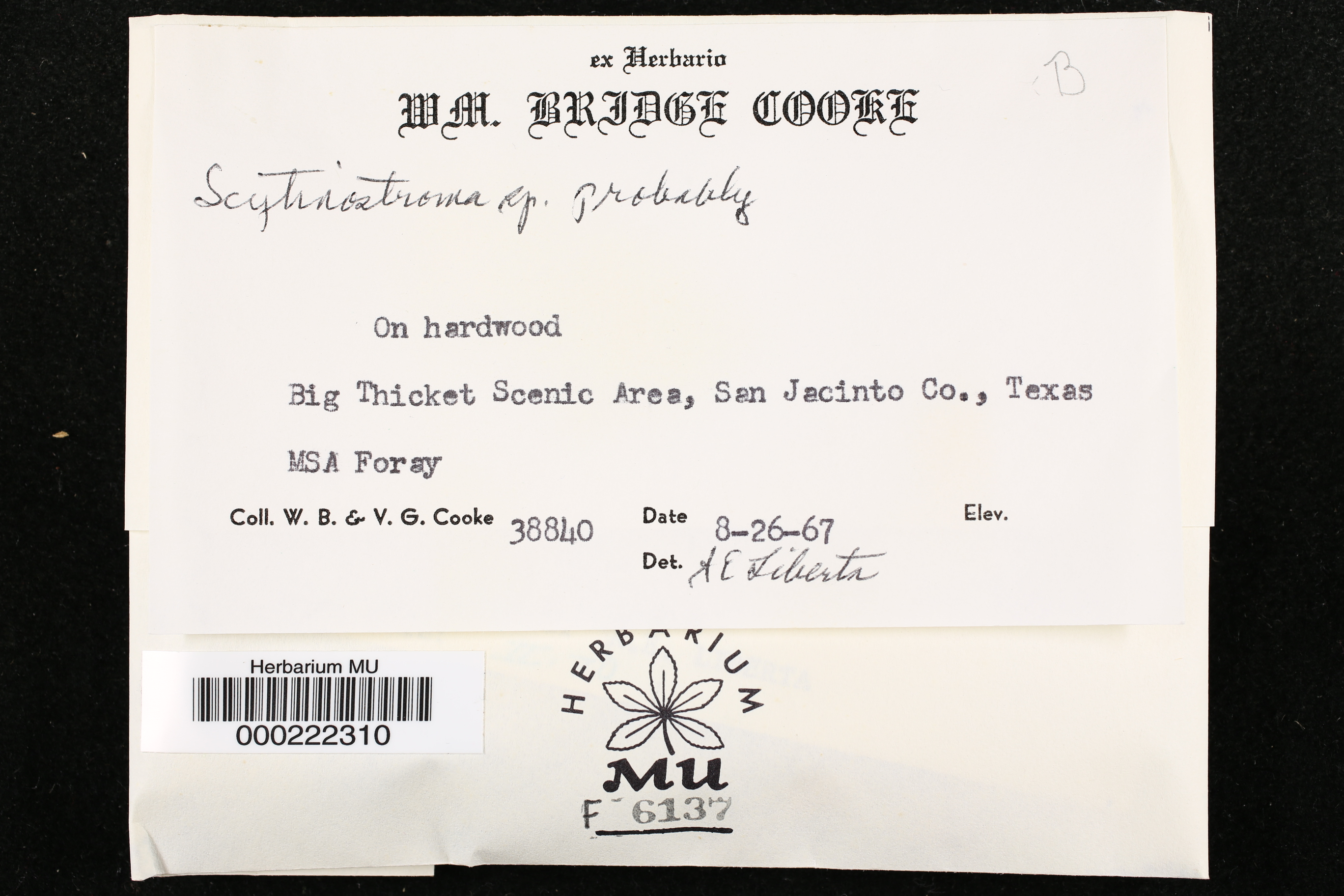
Scytinostroma
Scytinostroma is a genus of fungi in the Lachnocladiaceae family. The genus contains 32 species that collectively have a widespread distribution. The genus was circumscribed by mycologist Marinus Anton Donk in 1956.
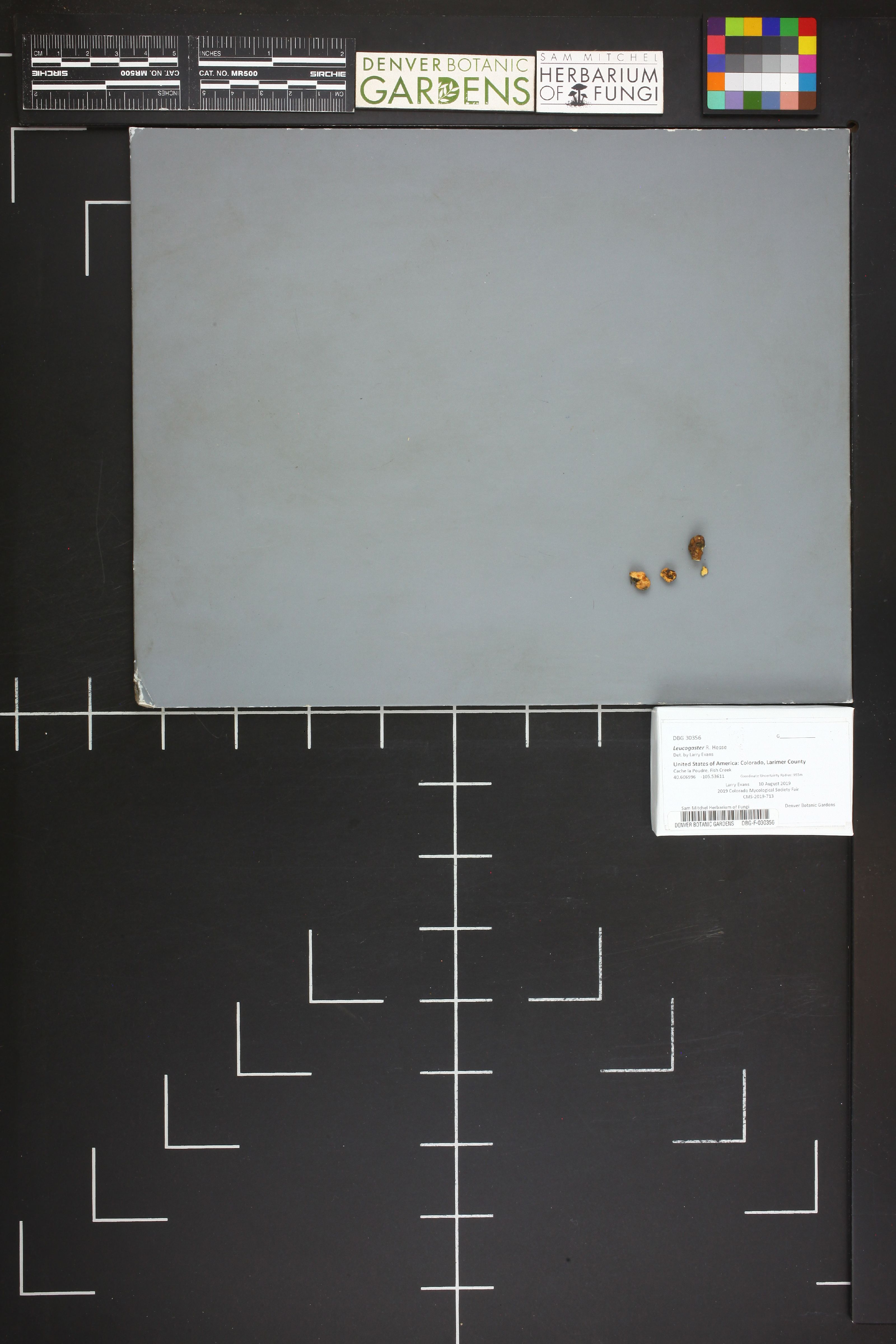
Leucogaster
Leucogaster is a fungal genus in the family Albatrellaceae. The genus, widespread in northern temperate regions, contains about 20 truffle-like species. Some, such as L. rubescens, are edible.
Dentipellis
Dentipellis is a genus of fungi in the family Hericiaceae. It was circumscribed by Dutch mycologist Marinus Anton Donk in 1962. Species in the genus have membranous fruit bodies that are either completely resupinate or effuso-reflexed (stretched out flat on the substrate but turned up at the edges). The hymenium (spore-bearing surface) bears "teeth".

Laurilia
Laurilia is a monotypic genus of crust fungi in the family Echinodontiaceae. The genus was described in 1959 by Czech mycologist Zdeněk Pouzar, with Laurilia sulcata (originally Stereum sulcatum) as the type and only species. Pouzar then transferred Laurilia taxodii from Stereum to Laurilia in 1968, but Liu et al. erected the new genus Lauriliella for the latter species in 2017 on the basis of ribosomal DNA molecular phylogeny. Liu et al. also found the Echinodontiaceae as traditionally circumscribed to be paraphyletic and placed Laurilia and Lauriliella instead in the Bondarzewiaceae, though
Acanthophysellum
Acanthophysellum is a genus of fungus belonging to the family Stereaceae.
Aleurocystidiellum
Aleurocystidiellum is a fungal genus of uncertain familial placement in the order Russulales. The type species, Aleurocystidiellum subcruentatum is a crust fungus that was first described in 1860 by Miles Berkeley and Moses Ashley Curtis. Aleurocystidiellum was circumscribed by Paul Arenz Lemke in 1964.
thumb|left|Minimum Evolution Tree of Genus Aleurocystidiellum (ribosomal RNA gene, 5.8S (partial), ITS-2 28S (partial)) The evolutionary history was inferred using the Minimum Evolution method. The optimal tree with the sum of branch length = 0.32675511 is shown. The confidence probability (mul

Acanthophysium
thumb | right | alt=Acanthophyllum mucronatum | Acanthophyllum mucronatum
Acanthophysium is a genus of fungi in the Stereaceae family. The widespread genus, which contains about 20 species, was circumscribed by New Zealand mycologist Gordon Herriot Cunningham in 1963.
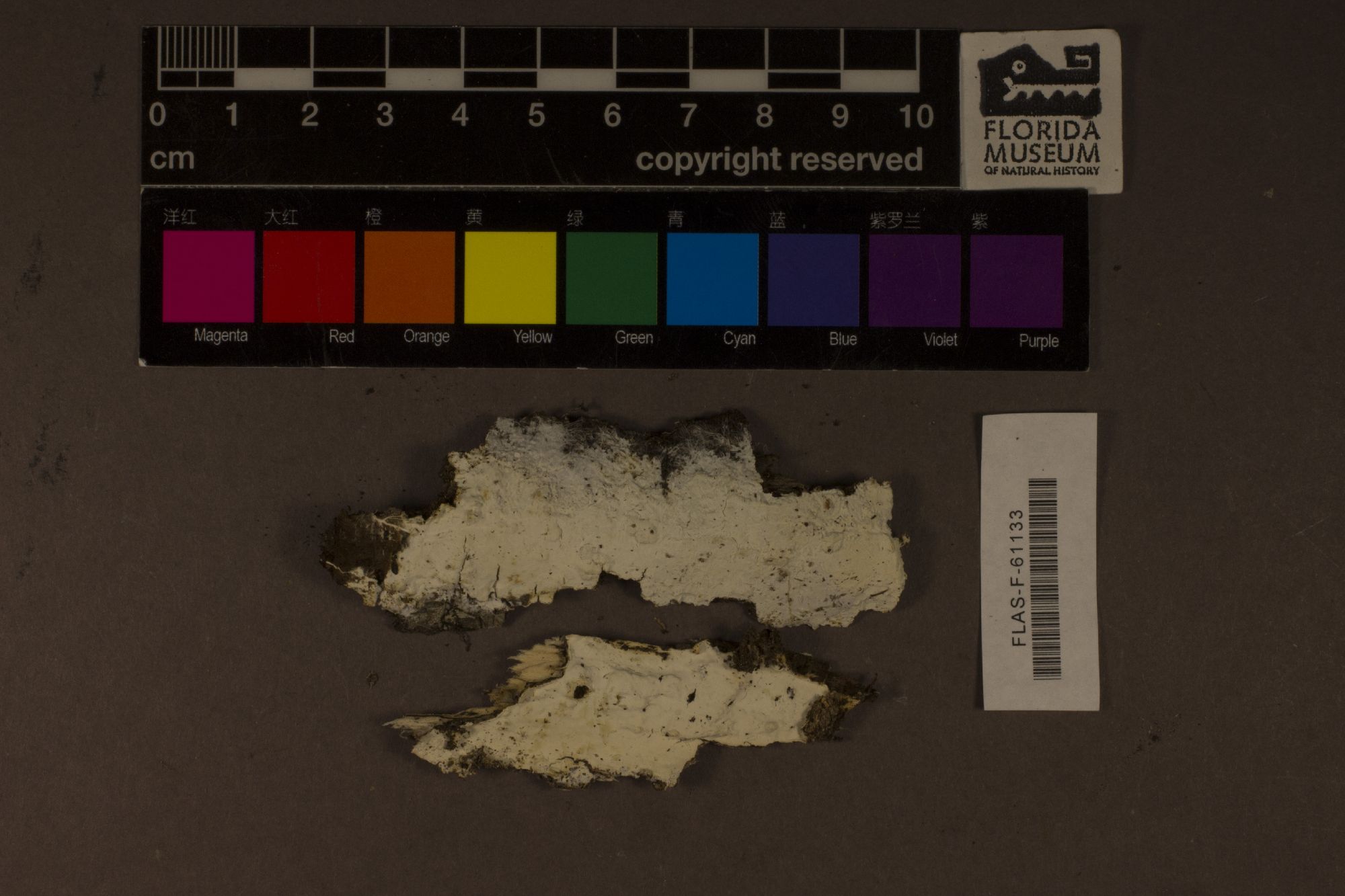
Gloeopeniophorella
Gloeopeniophorella is a genus of crust-like, wood-decaying fungi in the family Russulaceae. It contains six known species. Gloeopeniophorella was first described by Brazilian mycologist Johannes Rick in 1934.
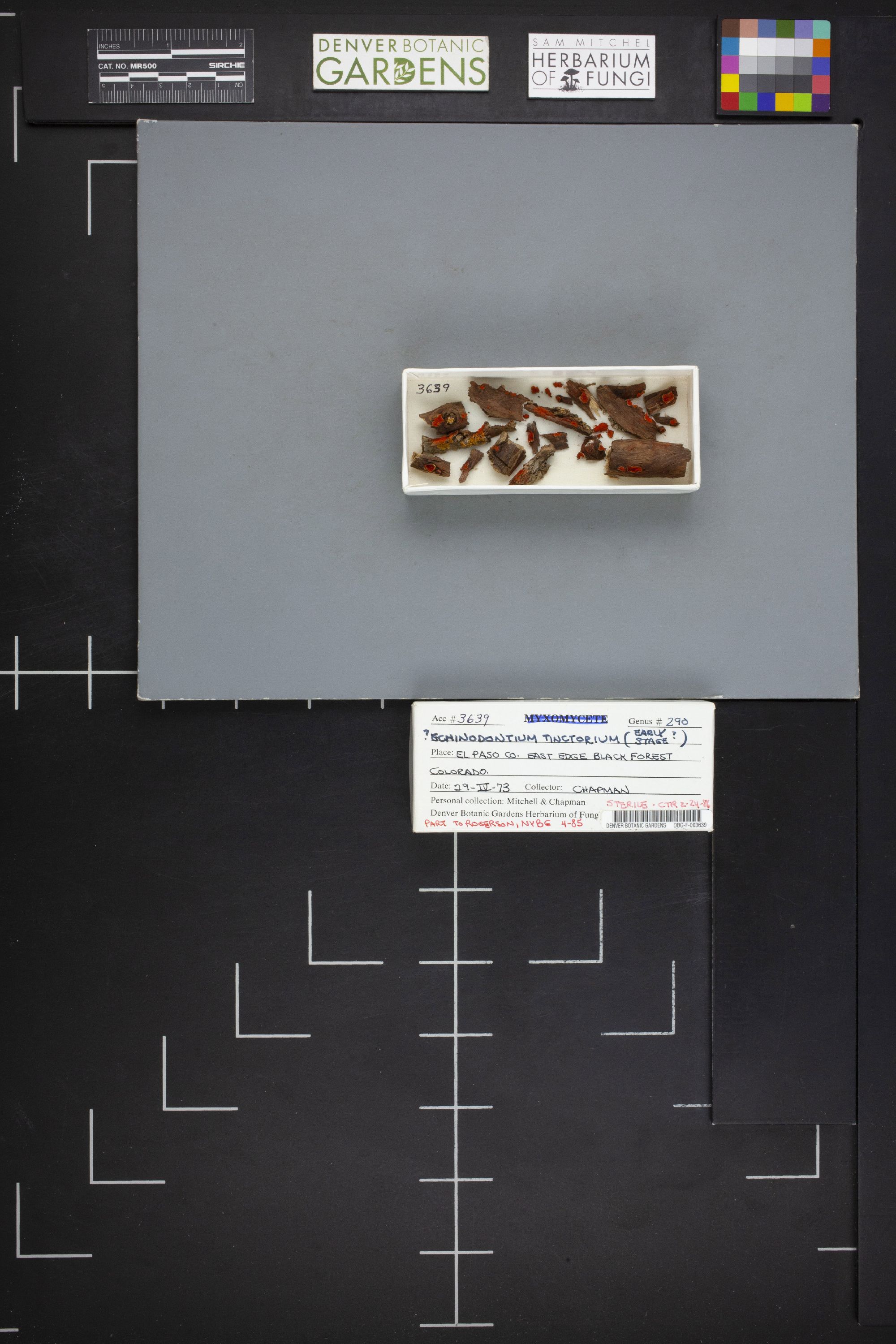
Echinodontium
Echinodontium is a genus of fungi in the family Echinodontiaceae. The genus was published by American mycologist Job Bicknell Ellis in 1900, who described it thus: "Differs from Hydnum in the thick, woody pileus of Fomes and the teeth beset with spines, as in Mucronophorus and Hymenochaete". The type species, Echinodontium tinctorium, is commonly known as the "indian paint fungus" owing to its traditional use for bodypainting.

Scutiger
genus of fungi
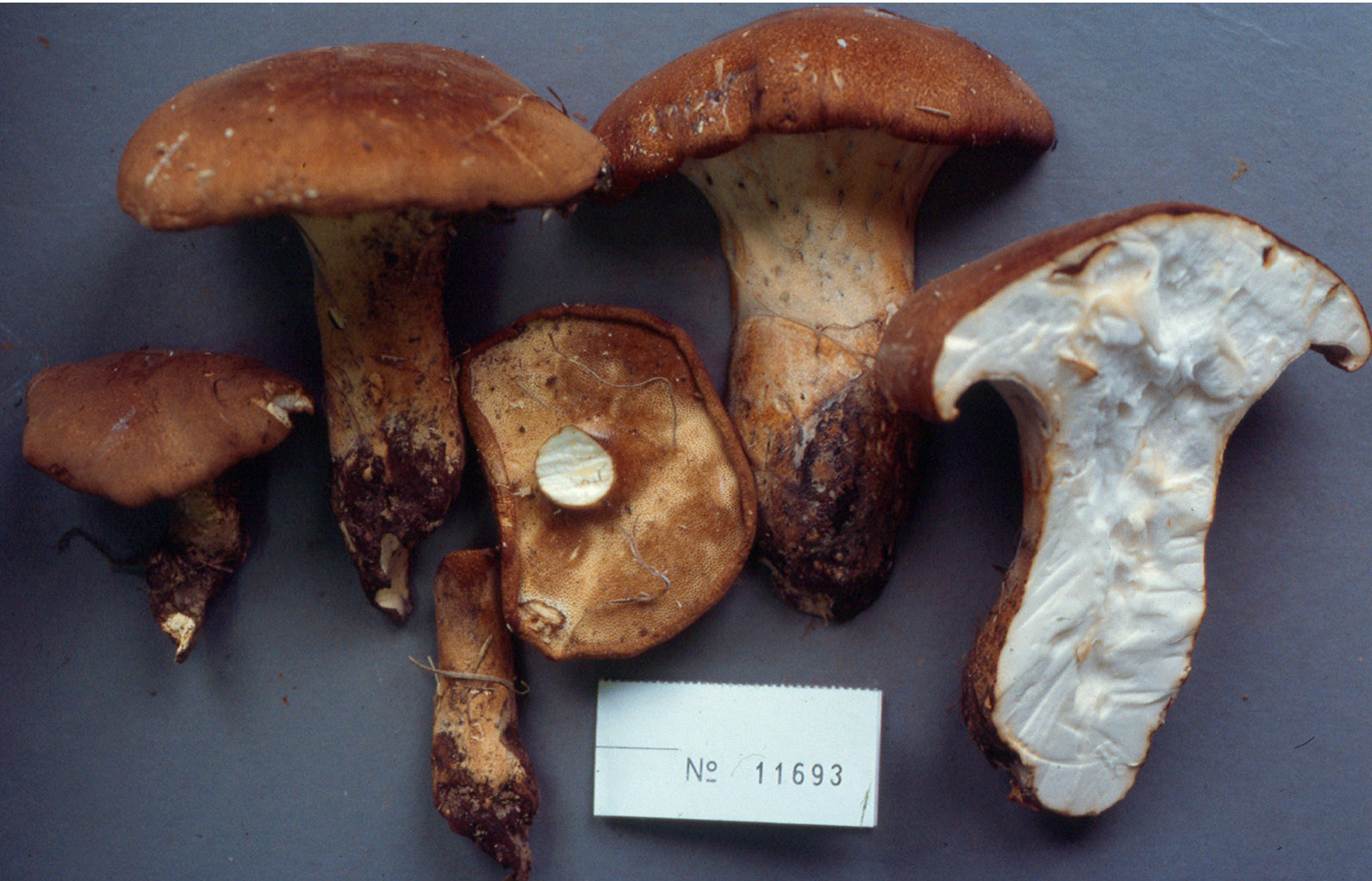
Jahnoporus
Jahnoporus is a genus of fungi in the family Albatrellaceae. There are two species in the genus, which have a widespread distribution in northern temperate regions. The type species, J. hirtus, was transferred to this genus in 1980; it was formerly known as Piptoporus hirtus.
Gloeocystidiopsis
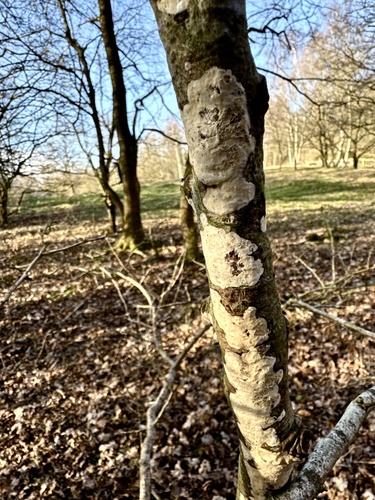
Gloeocystidiopsis is a genus of fungi in the Peniophoraceae family. Based on 2025 data, it includes two species:
Gloeohypochnicium
Gloeohypochnicium is a genus of wood-inhabiting crust fungi of uncertain familial placement in the order Russulales. Originally conceived by Erast Parmasto as a subgenus of Hypochnicium, Kurt Hjortstam considered it worthy of distinct generic status in 1987. The type species, G. analogum, was described as new to science in 1913 by French mycologists Hubert Bourdot and Amédée Galzin as a species of Gloeocystidium. G. versatum was added to the genus in 2010.
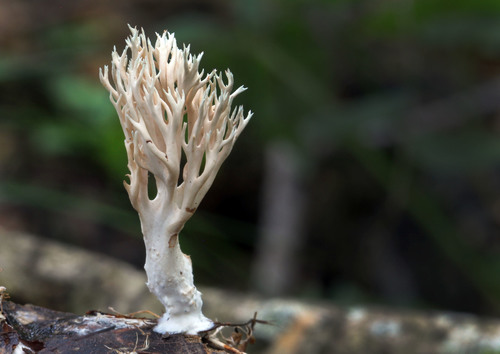
Lachnocladium
Lachnocladium is a genus of clavarioid fungi in the family Peniophoraceae . Based on 2025 data, the genus includes 39 species.
Wrightoporia
Wrightoporia is a genus of fungi in the family Bondarzewiaceae. According to a 2008 estimate, the widely distributed genus contains 23 species. The genus was circumscribed by Zdeněk Pouzar in Ceská Mykol. vol.20 on page 173 in 1966.
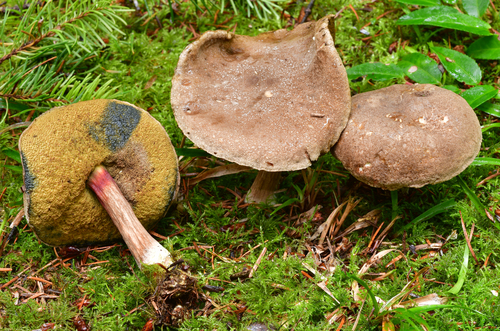
Amylosporus
Amylosporus is a genus of fungi in the family Bondarzewiaceae. The genus contains five species that are widely distributed in tropical regions.
Aleurocystis
Aleurocystis is a genus of fungi in the Stereaceae family. The widely distributed genus contains three species. Aleurocystis was circumscribed by the New Zealand-based mycologist Gordon Herriot Cunningham in 1956.
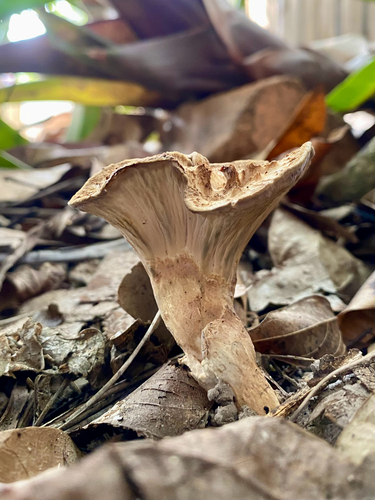
Dichantharellus
Dichantharellus is a genus of fungi in the Lachnocladiaceae family. The genus contains two species, which are found in Malaysia.
Amylofungus
Amylofungus is a genus of fungi in the Peniophoraceae family. Based on 2025 data, it includes 2 species:
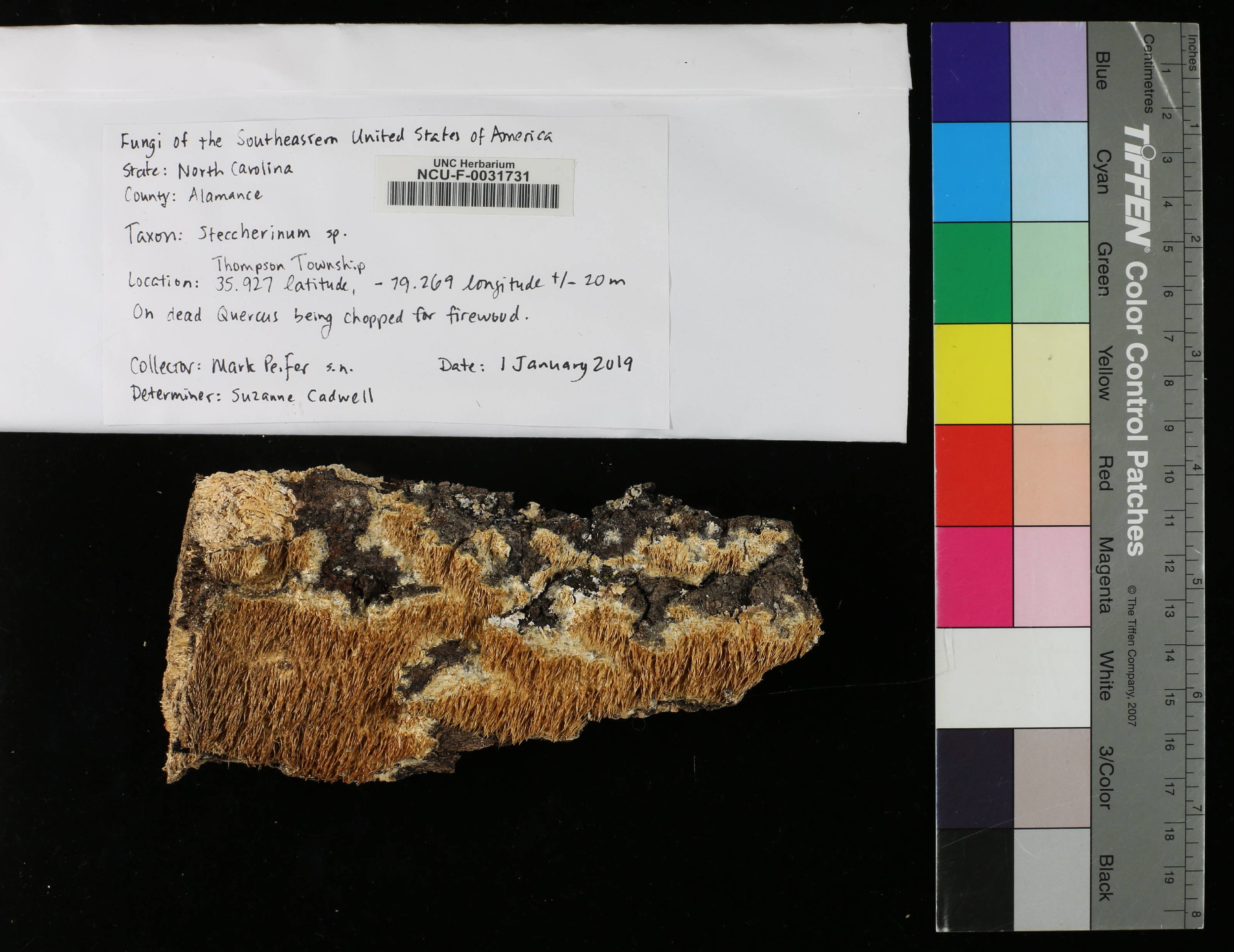
Stecchericium
Stecchericium is a genus of fungi in the family Bondarzewiaceae. The genus is widespread in tropical regions.

Megalocystidium
Megalocystidium is a genus of fungi in the Stereaceae family.

Leucophleps
Leucophleps is a genus of truffle-like fungi in the family Albatrellaceae. The genus, widespread in northern temperate regions, contains four species. Leucophleps was circumscribed by American mycologist Harvey Willson Harkness in 1899.
Lindtneria
Lindtneria is a genus of fungi in the family Stephanosporaceae. , Index Fungorum accepts nine species in the genus. It is named after Serbian mycologist Vojteh Lindtner (1904–1965).
Vesiculomyces
Vesiculomyces is a genus of fungi in the Peniophoraceae family.
Amylosporomyces
Amylosporomyces is a genus of fungi in the Stereaceae family.
Scytinostromella
Scytinostromella is a genus of crust fungi in the Stereaceae family. The widespread genus contains five species. The genus was circumscribed by Estonian mycologist Erast Parmasto in 1968, who set Peniophora heterogenea as the type species. Characteristic features of the genus include dimitic hyphae, spores that are both amyloid and asperulate (roughened by many small points or warts), and the presence of cystidia and rhizomorphic strands.
Acanthofungus
Acanthofungus is a genus of fungi in the Stereaceae family. The widely distributed genus was circumscribed in 2000.
Parapterulicium
Parapterulicium is a genus of fungi in the order Russulales. The genus contains two species found in Brazil and Argentina.
Cystangium
Cystangium is a genus of fungi in the family Russulaceae. The genus contains 32 species that are distributed in Australia and South America. Cystangium was described by American mycologists Rolf Singer and Alexander H. Smith in 1960.
Amylonotus
Amylonotus is a genus of mushrooms in the family Auriscalpiaceae. It was first described by Norwegian mycologist Leif Ryvarden in 1975.
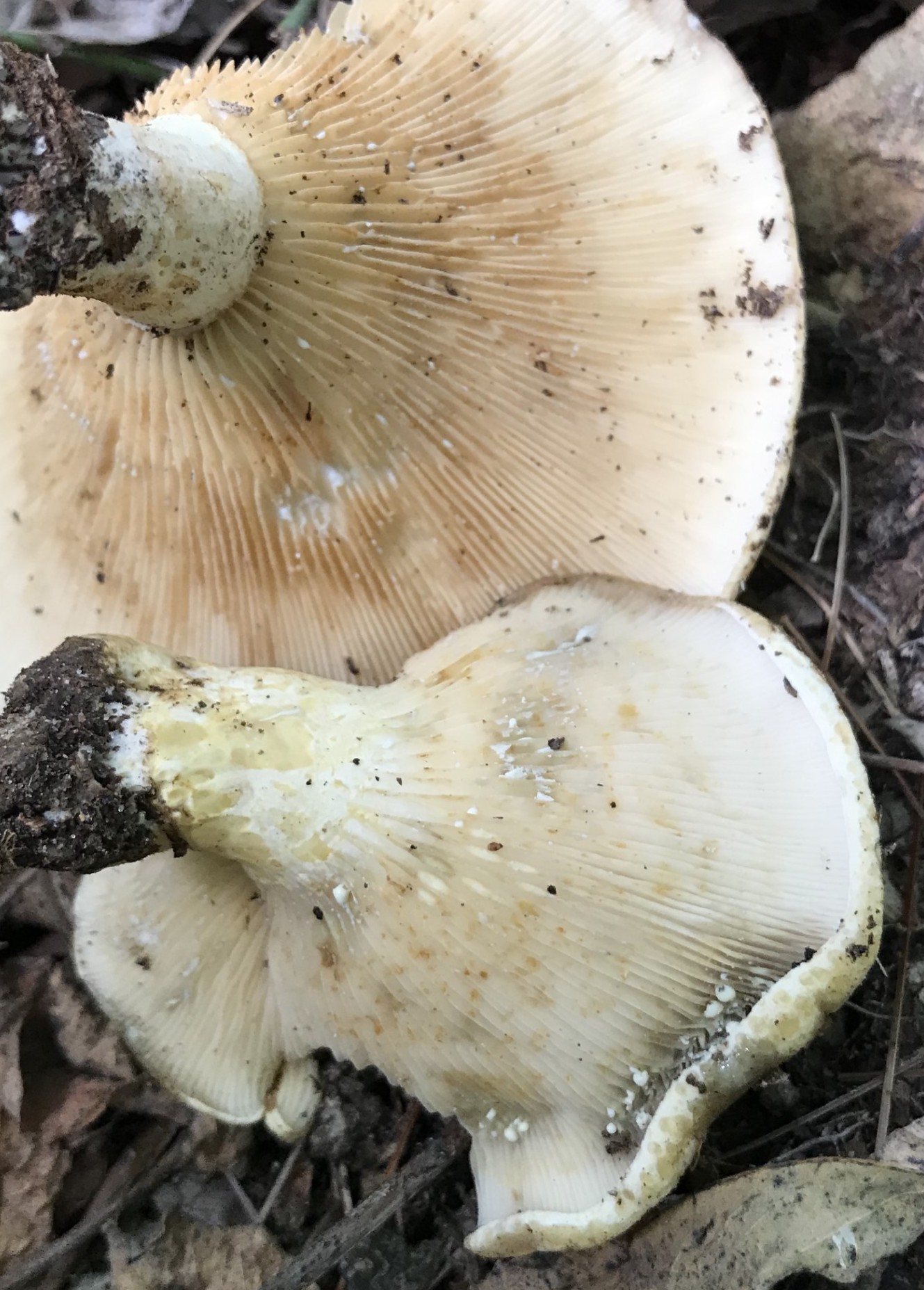
Multifurca
Multifurca is a rare genus of ectomycorrhizal fungi in the family Russulaceae. It was described in 2008, after molecular phylogenetic study had shown that it forms a monophyletic lineage within the family, sister to Lactarius. The genus contains six species known from the United States, Mexico, Costa Rica, India, China, Thailand, Australia, and New Caledonia, but so far has not been reported from Europe, Africa, or South America. Four of those species were formerly classified as Russula section Ochricompactae, and Multifurca furcata was originally described as a Lactarius species.

Arcangeliella
Arcangeliella is a genus of gasteroid fungi in the family Russulaceae. Taxonomic and phylogenetic research has shown that it is very likely a synonym of Lactarius. The type species Arcangeliella borziana was moved to Lactarius in 2003. However, the genus name is still in use for several species for which new combinations have not yet been proposed.
Polyporoletus
Polyporoletus is a genus of fungi in the family Albatrellaceae. The genus was first described by mycologist Walter H. Snell in 1936 to accommodate an unusual terrestrial polypore with a stipe that had been found in the ground in pine-oak woods in Fentress County, Tennessee. He named this specimen Polyporoletus sublividus; the generic name refers to the possible relationship to both the boletes and the polypores. Although this species would be later transferred to the genus Scutiger, it is now considered to be Polyporoletus. Currently there are two other species in the genus, P. neotropicu