Category
page 1Saddam Hussein

Saddam Hussein
Saddam Hussein was an Iraqi politician and revolutionary who served as the fifth president of Iraq from 1979 until his overthrow in 2003 during the United States-led invasion of Iraq. He previously served as the vice president from 1968 to 1979 and also as the prime minister from 1979 to 1991 and later from 1994 to 2003. A leading member of the Ba'ath Party, he was a proponent of Ba'athism, a mix of Arab nationalism and Arab socialism. The policies and ideologies he championed are collectively known as Saddamism, a right-wing variant of Ba'athism.

Iran–Iraq War
The Iran–Iraq War began with the Iraqi invasion of Iran in September 1980. After eight years of conflict, both countries accepted a ceasefire deal brokered by the United Nations, which became effective in August 1988. The war caused around 500,000 deaths, making it the deadliest conventional war ever fought between regular armies of developing countries.

Anfal campaign
1986 genocidal campaign against the Kurdish people
Halabja massacre
massacre against the Kurdish people that took place in Halabja, Iraq on March 16, 1988

Al-Awja
Al-Awja () is a village 8 miles (13 km) south of Tikrit, Iraq on the western bank of the Tigris. It is mainly inhabited by Sunni Muslim Arabs.
Fedayeen Saddam
Ba'athist Iraqi paramilitary organization
Revolutionary Command Council
governing body in Ba'athist Iraq
17 July Revolution
1968 Ba'athist coup in Iraq
Blood Quran
copy of the Qur'an written with ink in part made allegedly from blood donated from Saddam Hussein
Dujail Massacre
Iraqi massacre
United Nations Security Council Resolution 1518
United Nations Security Council resolution
1979 Baath Party Purge
public purge of the Iraqi Ba'ath Party by Saddam Hussein
2002 Iraqi presidential referendum
Firdos Square statue destruction
Media event
Saddamism
Saddamism (), also known as '''Saddamist Ba'athism''' (), is a Ba'athist political ideology based on the political ideas and thinking of Saddam Hussein, who served as the president of Iraq from 1979 to 2003. It espouses Arab nationalism, Arab socialism and Pan-Arabism, as well as an Iraq-centred Arab world that calls upon Arab countries to adopt Saddamist political discourse and reject "the Nasserist discourse" that it claims collapsed following the Six-Day War in 1967. It is militarist and views political disputes and conflict in a military manner as "battles" requiring "fighting", "mobilizat
Republican Palace
Palace in Baghdad, Iraq
Saddam Beach
village in Malappuram District, Kerala, India
Operation Bramble Bush
1992 Israeli plan to assassinate Iraqi president Saddam Hussein
United States support for Iraq during the Iran–Iraq War
against post-revolutionary Iran, included several billion dollars worth of assistance
Niger uranium forgeries
Forged documents supposedly showing that Saddam Hussein tried to purchase yellowcake uranium
Saddam Hussein's novels
bibliography
Al-Faw Palace
architectural structure
Inter-Ba'athist conflict
Nahis al-Dhuwaibi's attack on the Ottoman
information alleging connections between Saddam Hussein and al-Qaeda

Human rights in Saddam Hussein's Iraq
Human rights issues from 1979 to 2003
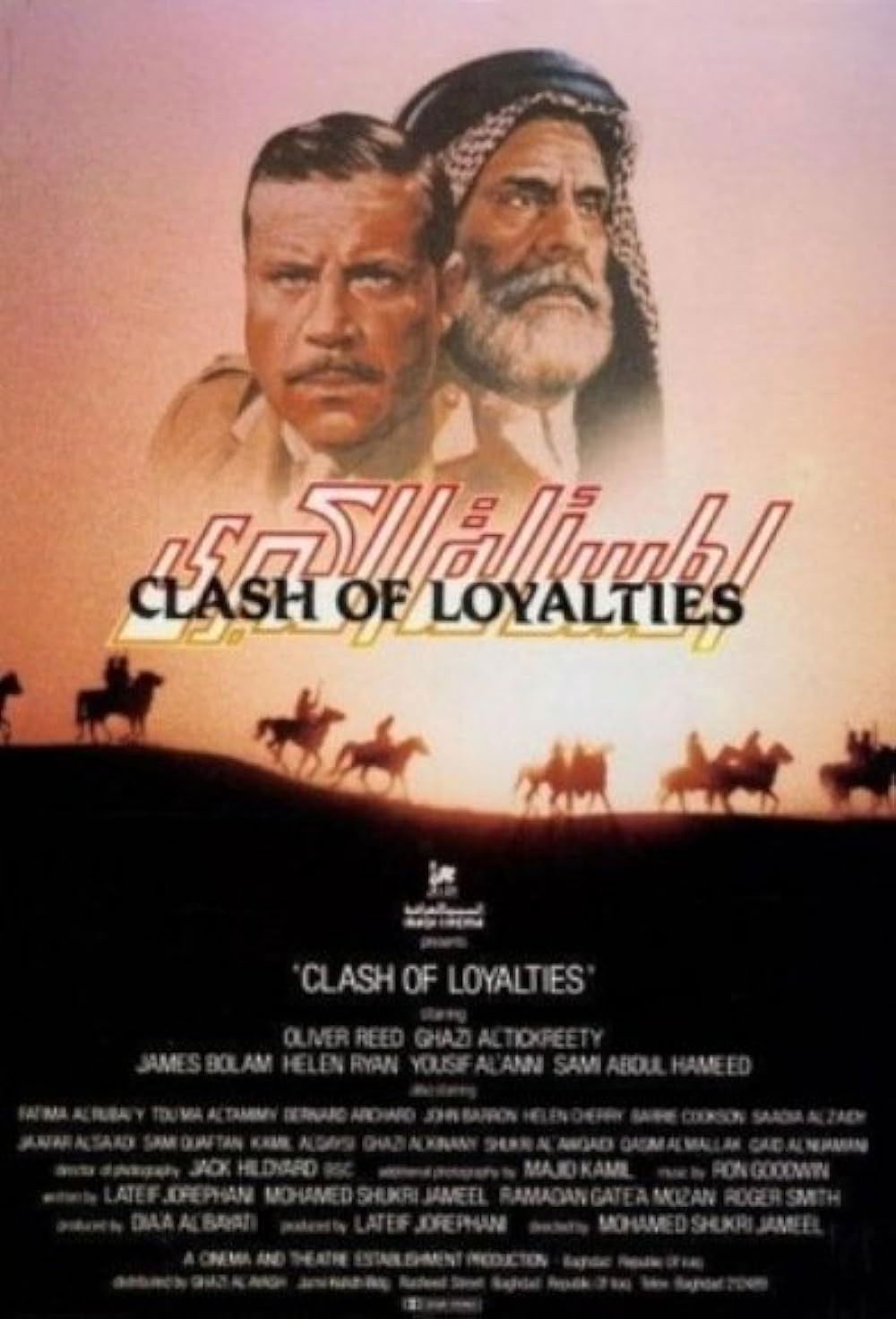
Clash of Loyalties
1983 Iraqi film by Mohamed Shukri Jameel

Saddam Hussein Nagar
place in Eastern Province, Sri Lanka
1995 Iraqi presidential referendum
presidential election under Saddam Hussein
Persecution of Feyli Kurds under Saddam Hussein
Persecution campaign
Radwaniyah Palace
Iraqi presidential residence
Kurdish mujahideen
Kurdish Islamist rebels