Category
page 1Saladin
.jpg)
Saladin
Salah ad-Din Yusuf ibn Ayyub ( – 4 March 1193), commonly known as Saladin, was a Kurdish commander and political leader. He was the founder of the Ayyubid dynasty and the first sultan of both Egypt and Syria. An important figure of the Third Crusade, he spearheaded the Muslim military effort against the Crusader states in the Levant. At the height of his power, the Ayyubid realm spanned Egypt, Syria, Upper Mesopotamia, the Hejaz, Yemen, and Nubia.
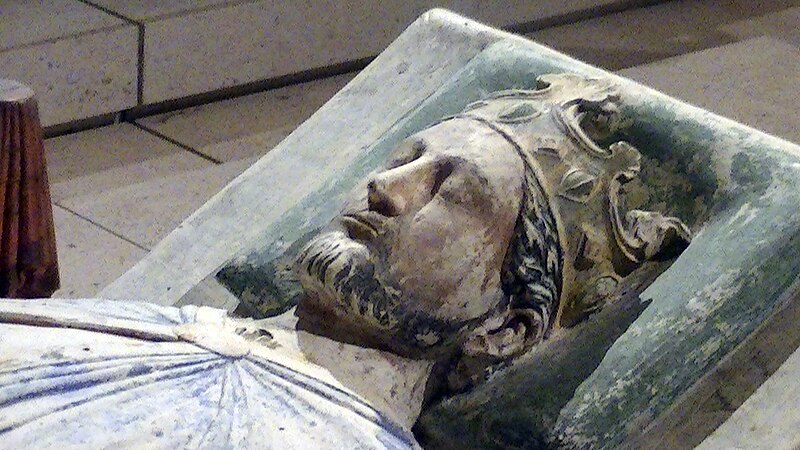
Richard I of England
King of England from 1189 to 1199 (1157–1199)

Saladin Governorate
governorate of Iraq

Ibn al-Athir
Islamic historian, theologian and geographer (1160–1232/3)
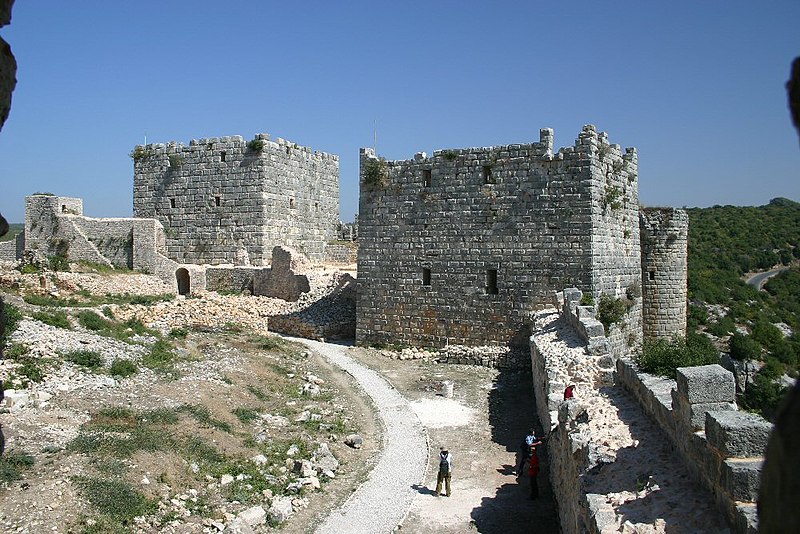
Citadel of Salah Ed-Din
medieval castle in northwestern Syria

Ibn Jubayr
Arab traveller and geographer
Eagle of Saladin
heraldic animal
.jpg)
Al-Adid
Abū Muḥammad ʿAbd Allāh ibn Yūsuf ibn al-Ḥāfiẓ (; 1151–1171), better known by his regnal name al-ʿĀḍid li-Dīn Allāh (), was the fourteenth and last caliph of the Fatimid dynasty, and the twenty-fourth imam of the Hafizi Isma'ili branch of Shi'a Islam, reigning from 1160 to 1171.

Usama ibn Munqidh
Arabic poet
Imad ad-Din al-Isfahani
Persian historian and writer (1125–1201)
Rashid ad-Din Sinan
leader of the Syrian wing of the Hashshashin sect and figure in the history of the Crusades
Mausoleum of Saladin
resting place and grave of the medieval Muslim Ayyubid Sultan Saladin
Treaty of Jaffa (1192)
Treaty between Richard I of England and Saladin
Baha ad-Din Shoieb
Kurdish historian and scholar, biographer of Saladin (1145–1234)
Salah al-Din Road
main highway of the Gaza Strip
Salahaddin University-Erbil
University in Iraqi Kurdistan
%20Unlisted%20(Irbil)%20mint.%20Struck%20circa%20AD%201187-1191.jpg)
Gökböri
Gökböri (13 April 115428 June 1233) or Muzaffar ad-Din Gökböri, was a leading emir and general of Sultan Saladin (Ṣalāḥ ad-Dīn Yūsuf ibn Ayyūb), and ruler of Erbil. He served both the Zengid and Ayyubid rulers of Syria and Egypt. He played a pivotal role in Saladin's conquest of Northern Syria and the Jazira (Upper Mesopotamia) and later held major commands in a number of battles against the Crusader states and the forces of the Third Crusade. He was known as Manafaradin, a corruption of his principal praise name, to the Franks of the Crusader states.
al-Qadi al-Fadil
secretary and chief counsellor to Saladin (1135–1200)
.png)
Ascalon
Ascalon or Ashkelon was an ancient Near East port city on the Mediterranean coast of the southern Levant of high historical and archaeological significance. Its remains are located in the archaeological site of Tel Ashkelon, within the city limits of the modern Israeli city of Ashkelon. Traces of settlement exist from the 3rd millennium BCE, with evidence of city fortifications emerging in the Middle Bronze Age. During the Late Bronze Age, it was integrated into the Egyptian Empire, before becoming one of the five cities of the Philistine pentapolis following the migration of the Sea Peoples.
Al-Muzaffar Umar
Ayyubid emir of Hama 1179-1191
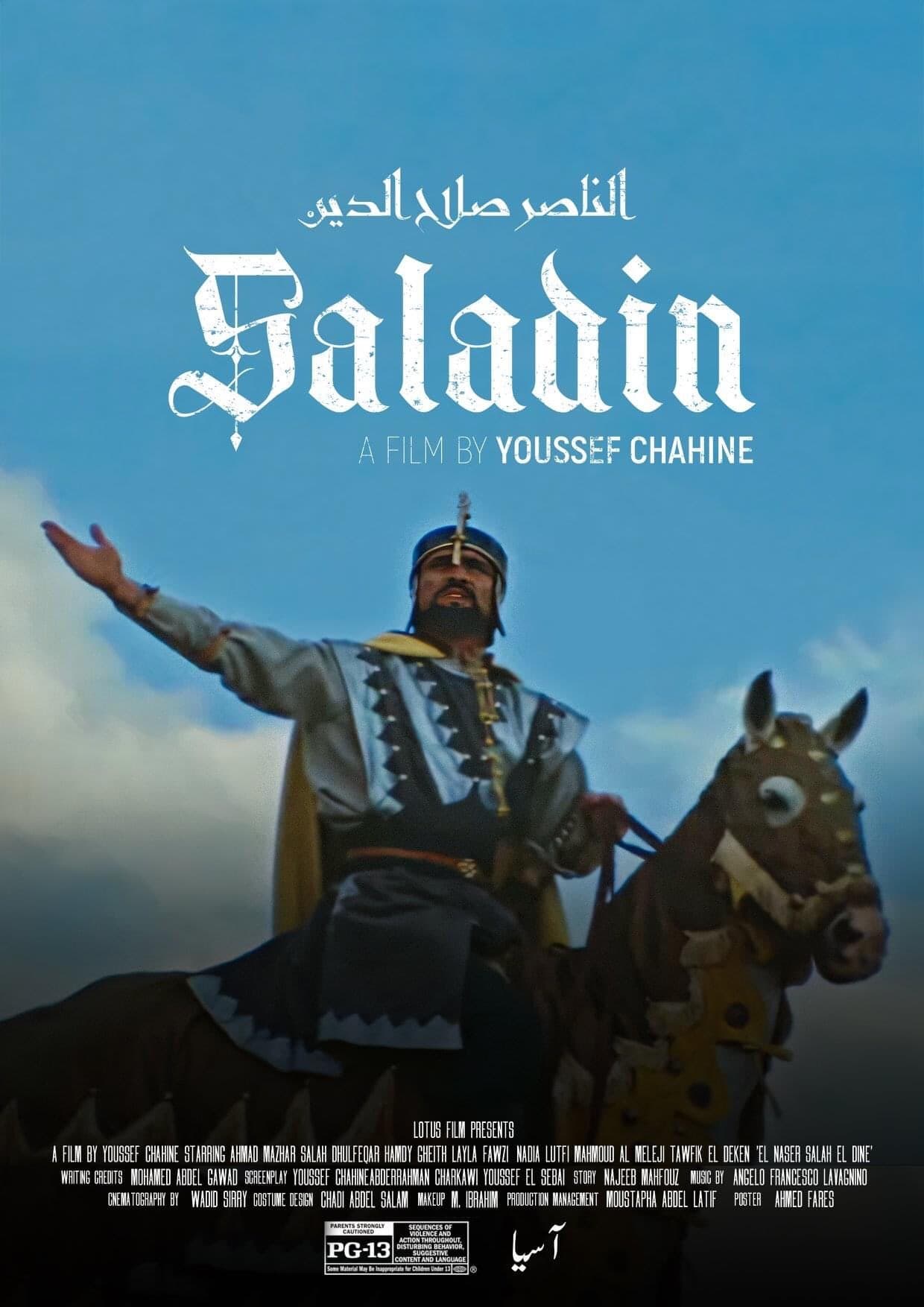
Saladin the Victorious
1963 film by Youssef Chahine
Umara ibn Abi al-Hasan al-Yamani
writer
Minbar of Saladin
Minbar (pulpit) in the al-Aqsa Mosque, Jerusalem
Asʻad ibn al-Muhadhdhab Ibn Mammātī
Egyptian poet, writer & administrator in Ayyubid dynasty
Saladin tithe
1188 crusade tax in England and France
Ibn Barrajan
Moorish writer
Massacre at Ayyadieh
1191 massacre of the Third Crusade
Libellus de expugnatione Terrae Sanctae per Saladinum
12th-century writing about the conquests of Saladin
Minbar of the Ibrahimi Mosque
Bahauddin Qaraqosh
military Commander of Saladin