Category
page 1Sapindales

Sapindales
Sapindales is an order of flowering plants. Well-known members of Sapindales include citrus; maples, sumac, horse-chestnuts, lychees and rambutans; mangos and cashews; frankincense and myrrh; mahogany and neem.
alt=Sapindales phylogeny|thumb|434x434px|Phylogeny of the Sapindales based on the Angiosperm Phylogeny Group IV system (2016)
The APG III system of 2009 includes it in the clade malvids (in rosids, in eudicots) with the following nine families:
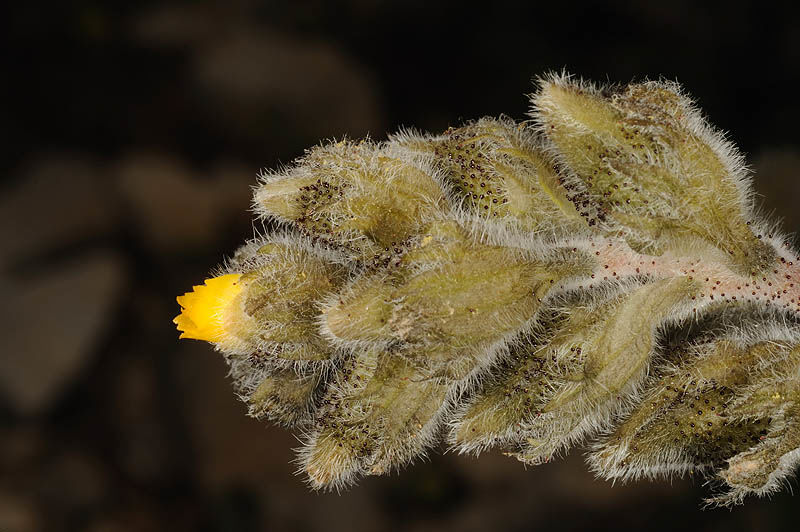
Biebersteinia
Biebersteinia is a genus containing four, or five, accepted species of herbaceous plants in the flowering plant order Sapindales. They occur from Greece in the eastern Mediterranean, to western Siberia, Central Asia, and the western Himalaya. They have erect stems (to 0.3 metres tall in B. odora, and to 2 metres or more in B. heterostemon) with a pleasant spicy odour, and have tuberous rhizomes; the leaves are finely divided, green to greyish-green, and the flowers are yellow (red with a yellow base in B. orphanidis), with five petals. The plants are superficially similar in appearan
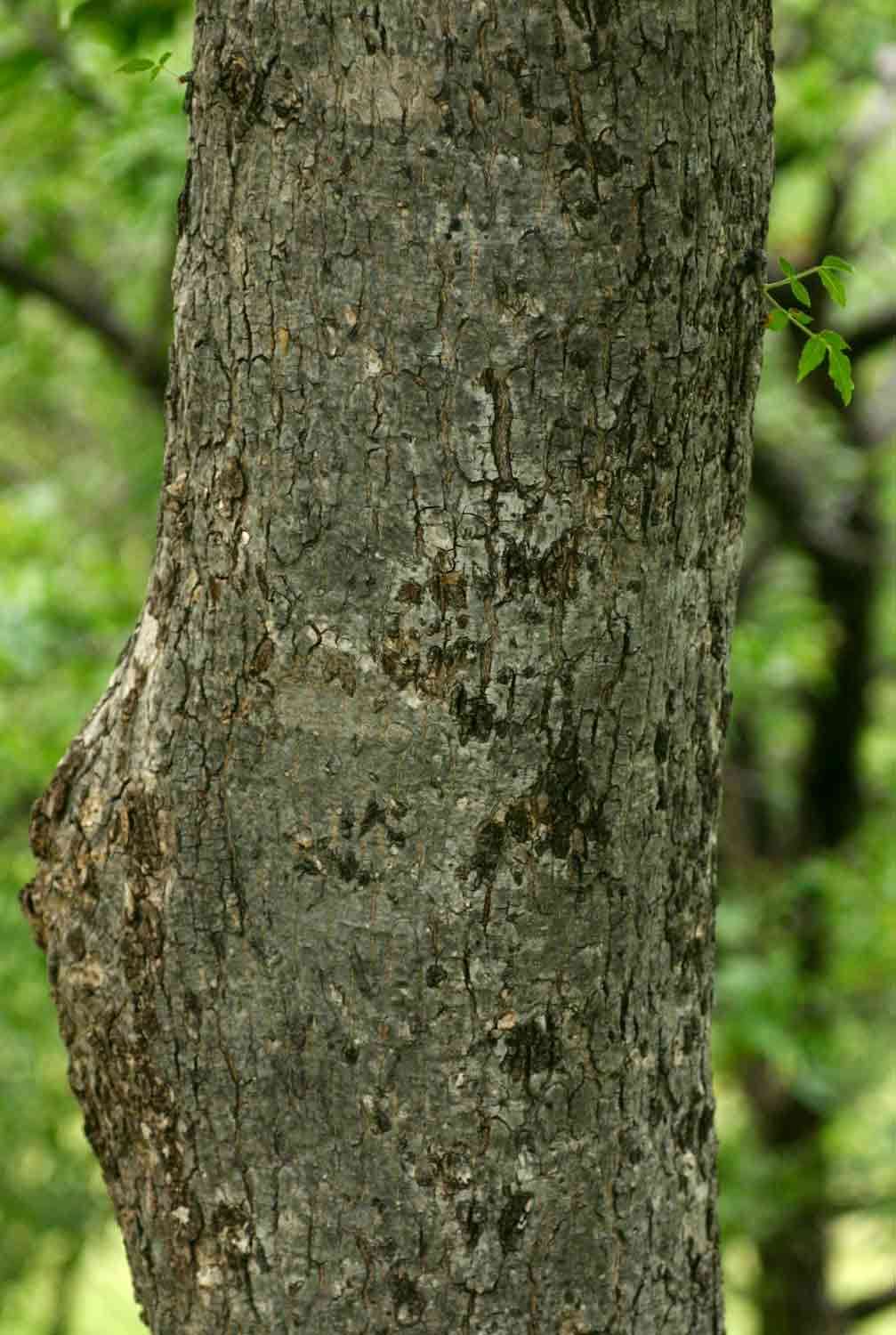
Kirkiaceae
Kirkiaceae is a family of flowering plants in the order Sapindales. It comprises one (or two) genera, Kirkia (and Pleiokirkia now included in Kirkia), totalling six species. These two genera were previously placed in family Simaroubaceae, but were transferred into their own family because they produce neither quassinoids nor limonoids. Kirkia is named for Captain John Kirk (explorer) of the famous Zambesi Expedition.
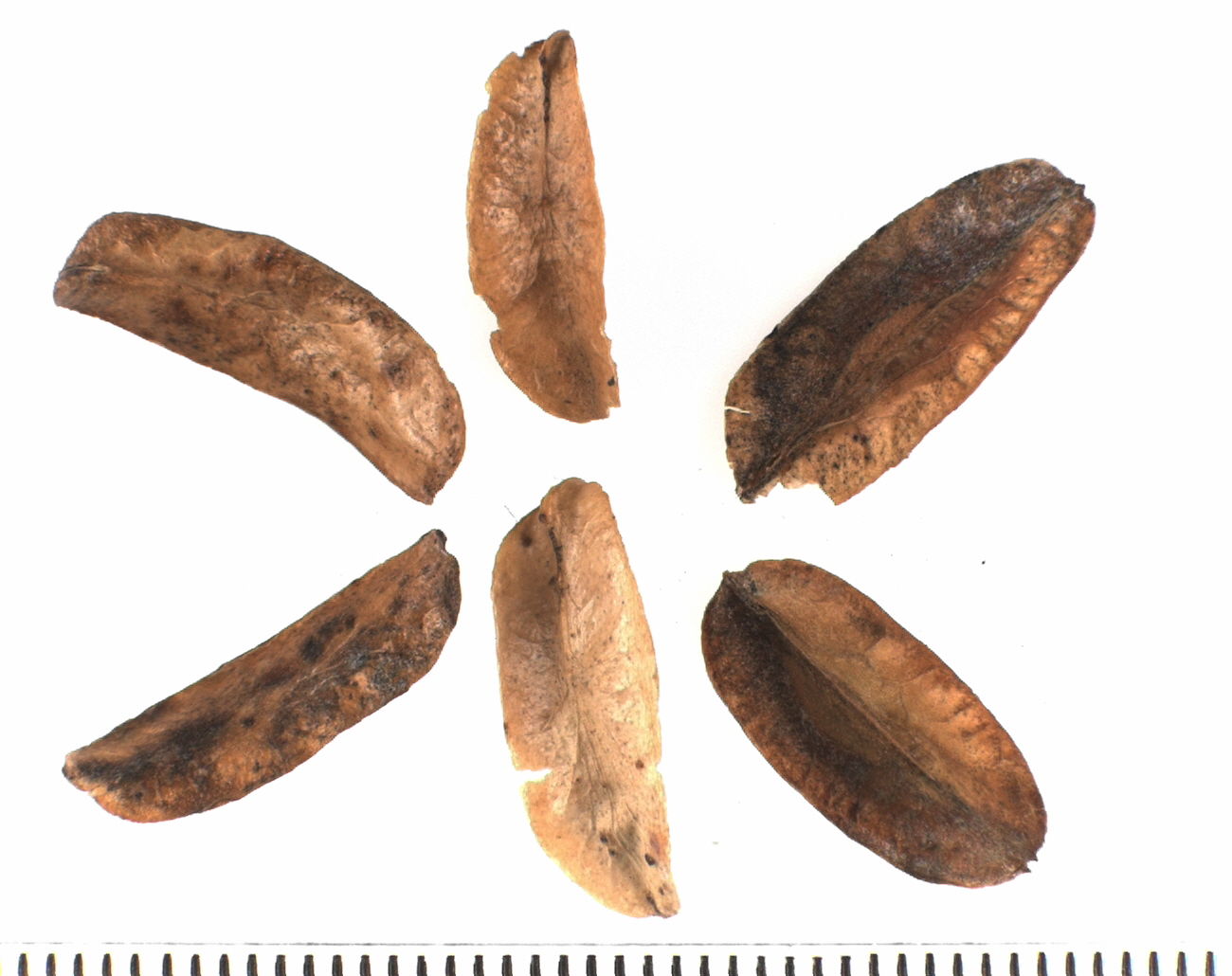
Kirkia
Kirkia is a genus of plant in family Kirkiaceae. It was previously placed in family Simaroubaceae, but was transferred into Kirkiaceae, together with Pleiokirkia, because these genera produce neither quassinoids nor limonoids.
Biebersteiniaceae
REDIRECT Biebersteinia
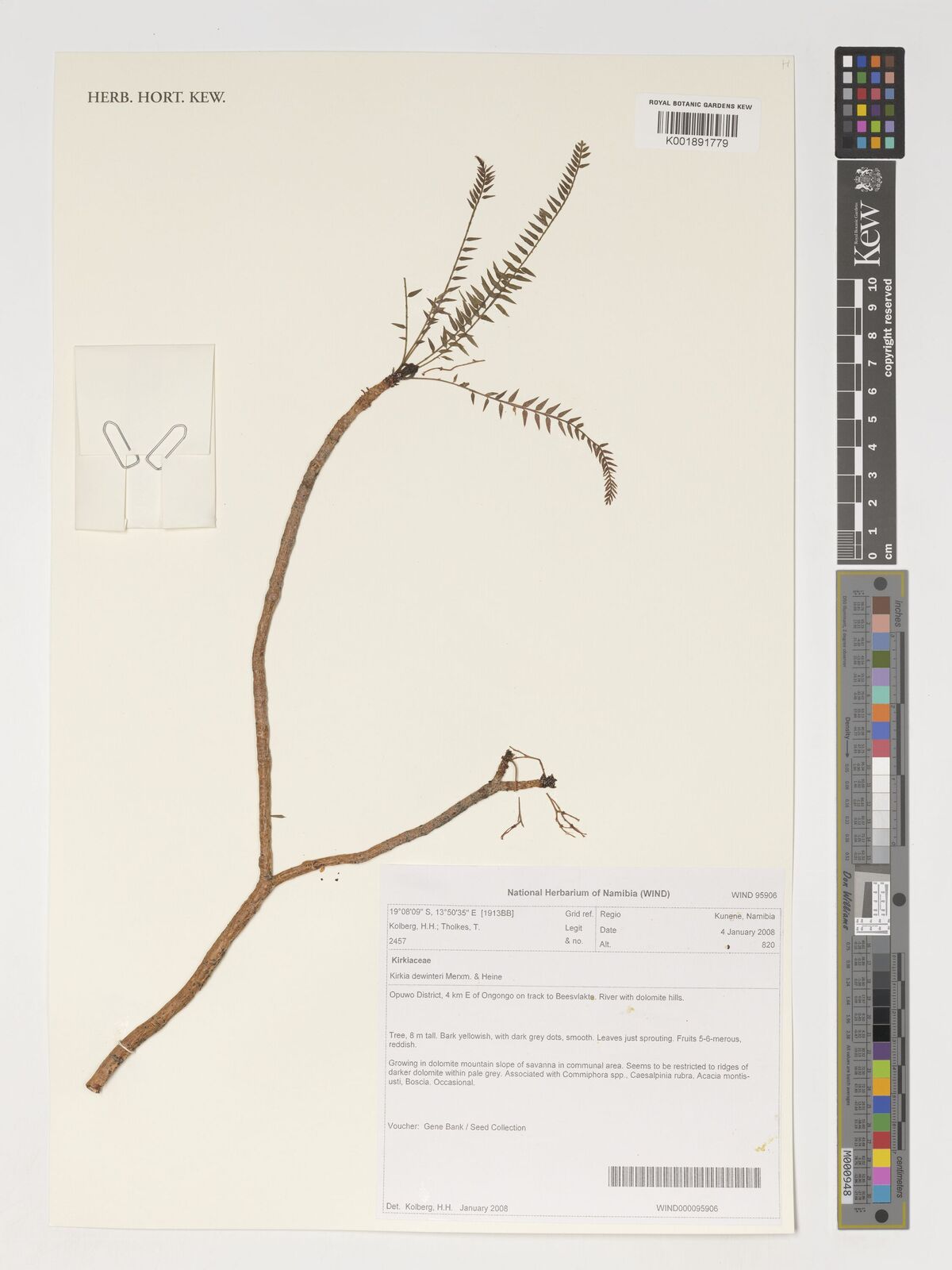
Kirkia dewinteri
species of plant