Category
page 1Saprolegniales
crayfish plague
crayfish disease caused by Aphanomyces astaci
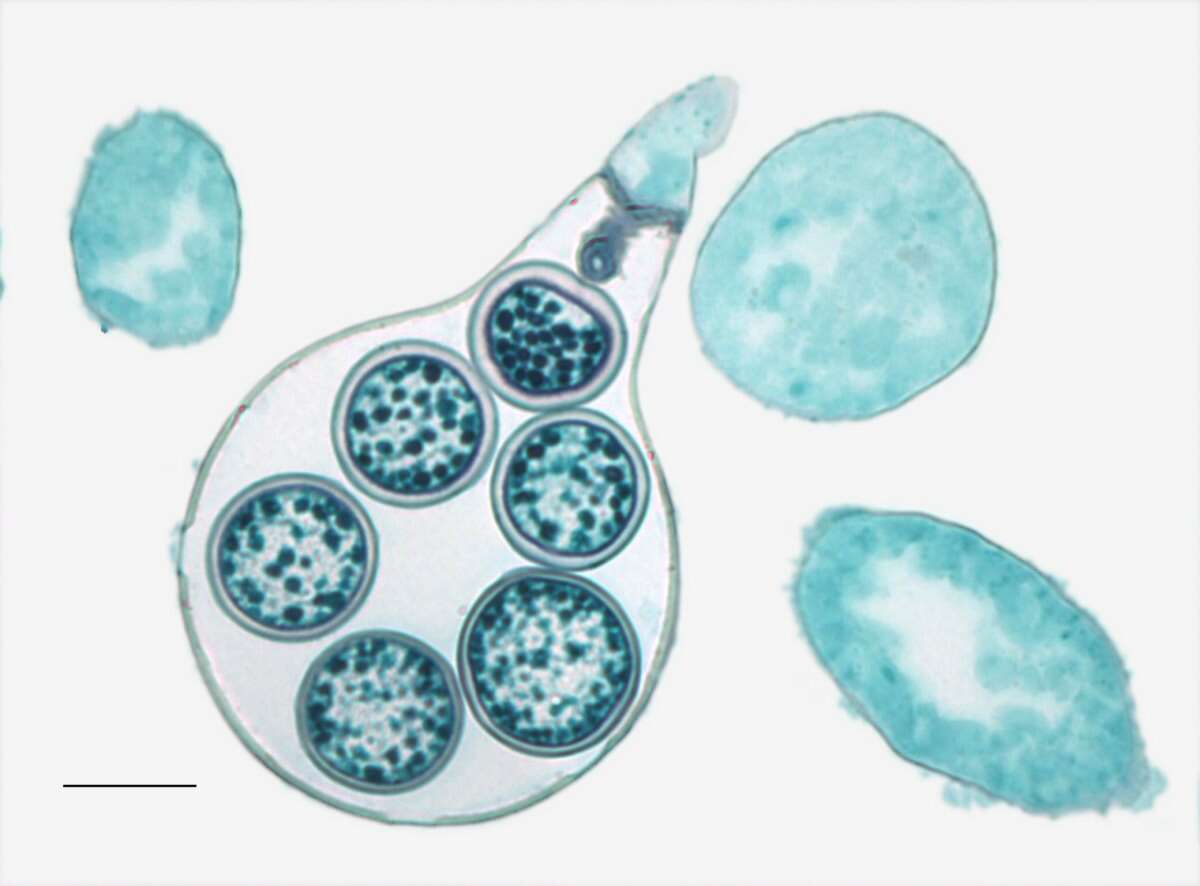
Saprolegnia
Saprolegnia is a genus of water moulds often called cotton moulds because of the characteristic white or grey fibrous patches they form. Current taxonomy puts Saprolegnia as a genus of the heterokonts in the order Saprolegniales.
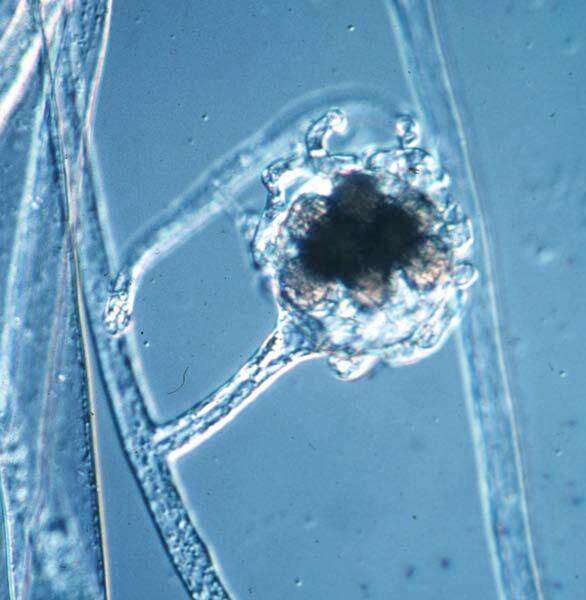
Saprolegniales
Saprolegniales is an order of water mould. Members of the order are responsible for numerous parasitic infections affecting aquatic life, such as crayfish plague and ulcerative dermal necrosis.
Aphanomyces astaci
species of fungus
Achlya
Achlya is a genus of oomycete (water mold), in the family Saprolegniaceae. The genus includes several plant pathogens including Achlya conspicua and Achlya klebsiana. Unlike many other microorganisms, cell expansion is governed by changes in cell wall strength rather than changes in osmotic pressure. The genome of Achlya hypogyna has been sequenced and can be accessed on public online databases, for example on the NCBI website (National Center for Biotechnology Information).

Aphanomyces
Aphanomyces is a genus of water moulds. As of 2003 there were about 45 described species. Many of these water moulds are known as ecologically important pathogens of species of plants and animals, including fish, crustaceans, and agricultural crop plants. Aphanomyces water moulds are "one of the most important yield-limiting factors in production of legumes and sugarbeet."
Saprolegniaceae
Saprolegniaceae is a family of freshwater mould. James Ellis Humphrey (1861-1897), an American mycologist did significant work on this family.