Category
page 1Secernentea genera

Meloidogyne
genus of worms
Heterodera
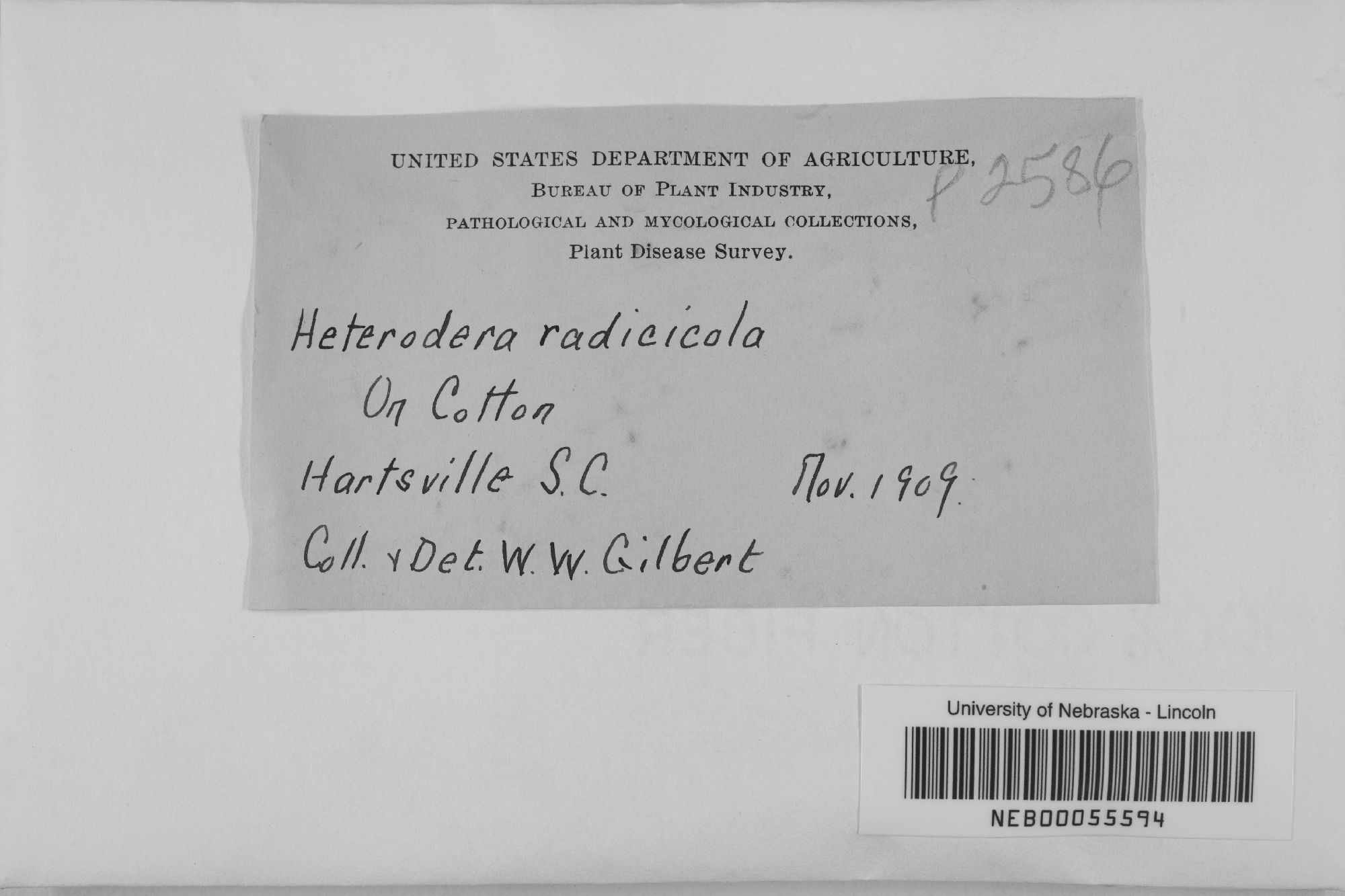
Heterodera is a genus of nematodes in the family Heteroderidae. Members of the genus are obligate parasites and different species attack different crops, often causing great economic damage. The genus is unique among nematode genera because of the ability of the female to transform into a tough, brown, cyst which protects the eggs which have been formed within her body. The name heterodera "refers to the different 'skins' of female and cyst."
Hoplolaimus
Hoplolaimus is a genus of nematodes known commonly as lance nematodes. They are parasites of plants, and three species are pests of agricultural crops.
Pratylenchus
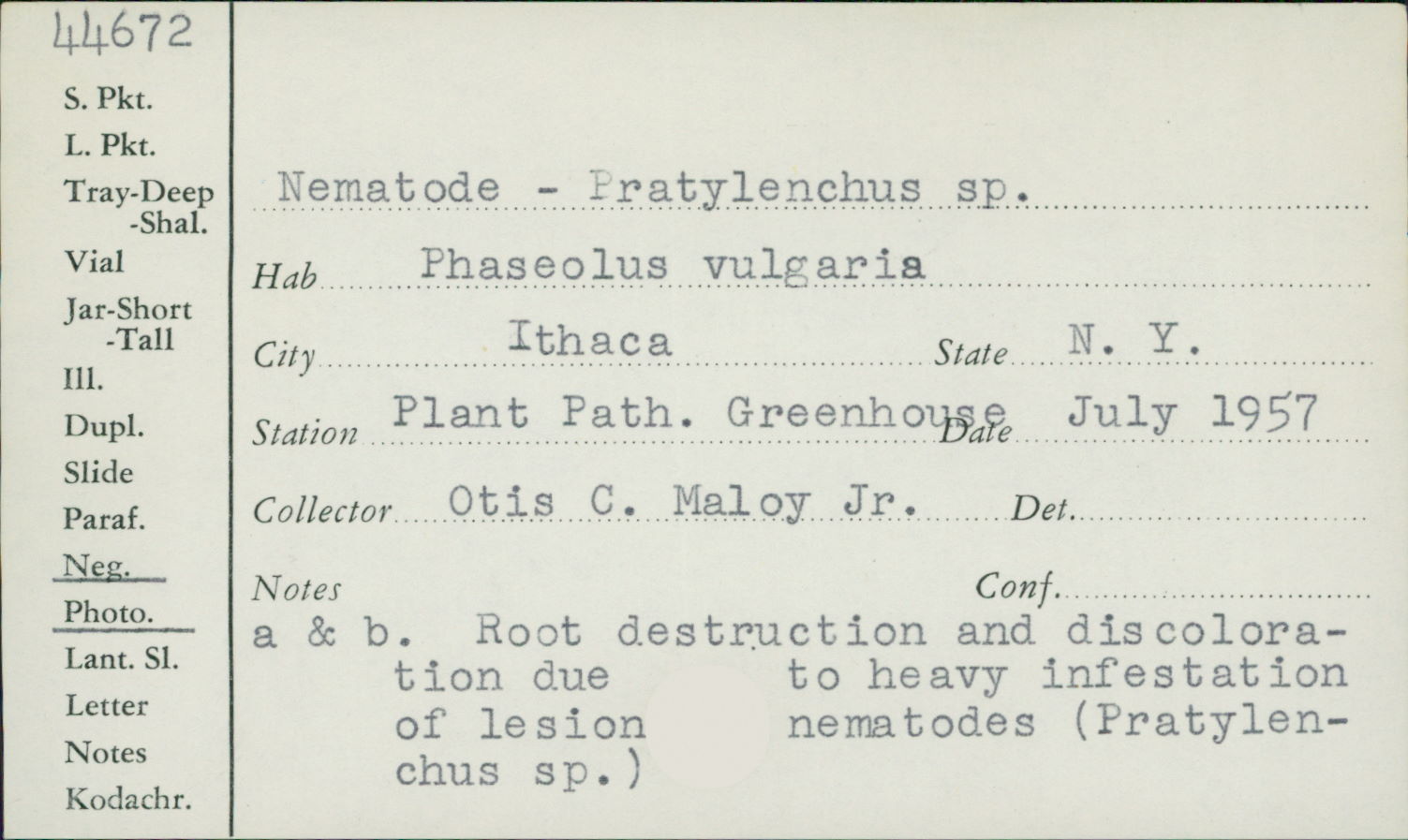
Pratylenchus is a genus of nematodes known commonly as lesion nematodes. They are parasitic on plants and are responsible for root lesion disease on many taxa of host plants in temperate regions around the world. Lesion nematodes are migratory endoparasites that feed and reproduce in the root and move around, unlike the cyst or root-knot nematodes, which may stay in one place. They usually only feed on the cortex of the root. Species are distinguished primarily by the morphology of the stylets.
Dracunculus
genus of roundworms
Anguina
genus of worms
Ditylenchus
Ditylenchus is a genus of plant pathogenic nematodes.
Aphelenchoides
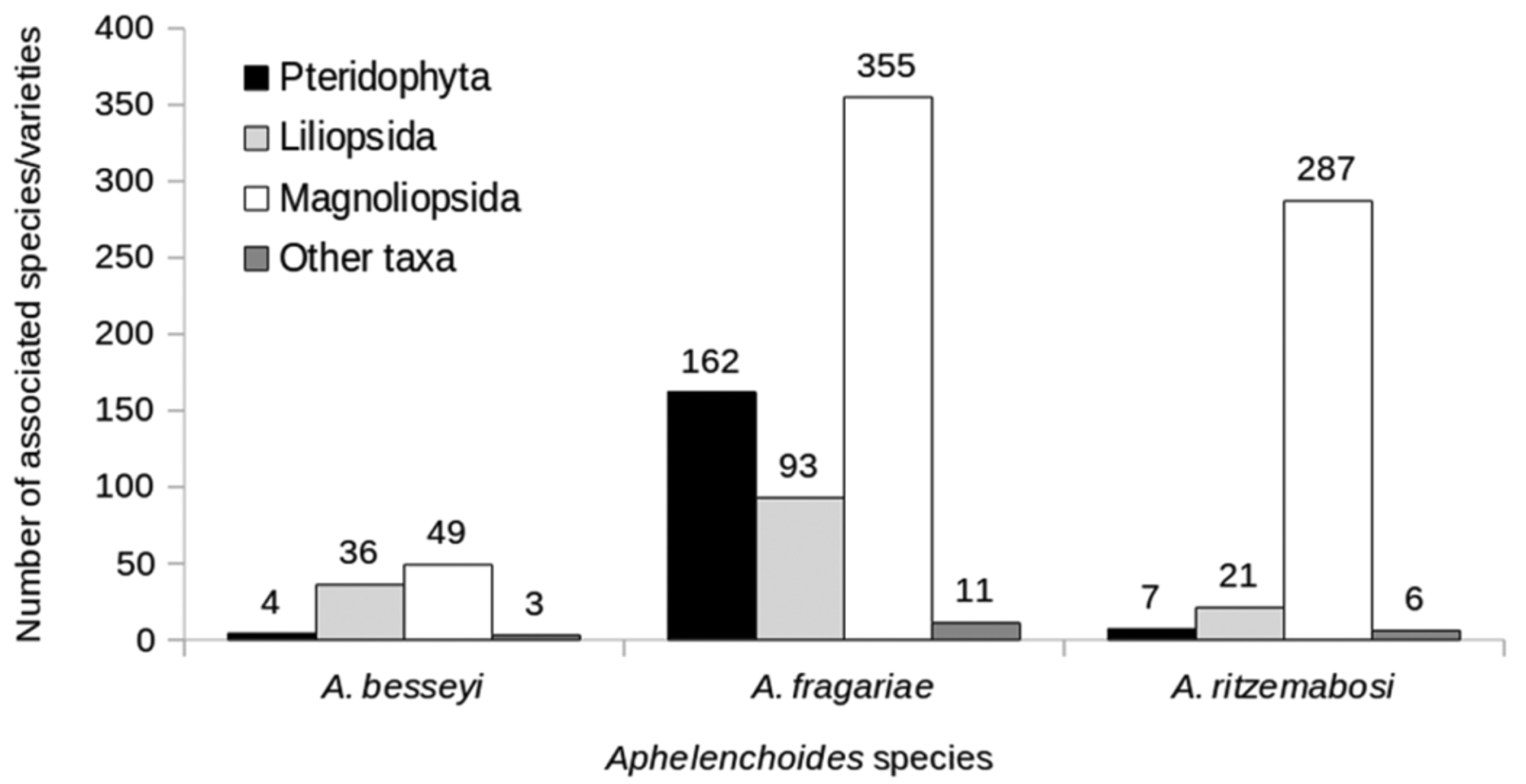
Aphelenchoides is a genus of mycetophagous nematodes. Some species are plant pathogenic foliar nematodes.
Radopholus
Radopholus is a genus of nematodes belonging to the family Pratylenchidae.
Scutellonema
Scutellonema is a genus of nematodes belonging to the family Hoplolaimidae.
Camallanus
Camallanus is a genus of parasitic roundworms in the family Camallanidae.

Procamallanus
thumb | right | Procamallanus sp. on Tandanus tandanus
Procamallanus is a genus of nematodes belonging to the family Camallanidae.
Rotylenchus
Rotylenchus is a genus of nematodes belonging to the family Hoplolaimidae.
Helicotylenchus
Helicotylenchus is a genus of nematodes in the family Hoplolaimidae. They are known generally as spiral nematodes. They are found worldwide because they can live and survive in a wide range of habitats. They are among the most common parasitic nematodes of plants; found in corn, bananas, grass, soybeans.
Paratylenchus
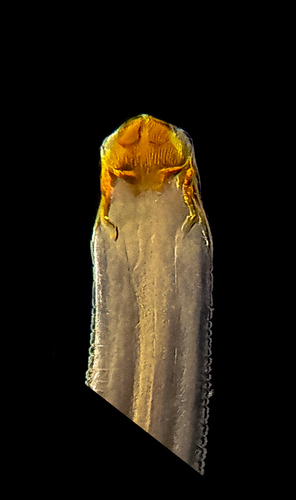
Paratylenchus is a genus of nematodes (round worms). Many of the species in this genus are plant pathogens.
Nacobbus
Nacobbus is a genus of plant-parasitic nematodes. Prevalent in North and South America, the genus Nacobbus threatens crops such as tomato, potato, quinoa and sugarbeet. They can cause so much damage that they are considered to be of quarantine importance. The morphology and biology of Nacobbus is not all that well known, although it is possible that the host—in this case, a specific crop—influences how the morphological characteristics of these nematodes are expressed.
__TOC__
Philometra
Philometra is a genus of nematodes, which are parasites of marine and freshwater fishes. The genus was erected by Oronzio Gabriele Costa in 1845.
Tylenchorhynchus
Tylenchorhynchus is a genus of nematodes including many species of plant parasites. The classification of stunt nematodes - those including the genus Tylenchorhynchus - is unstable; many newly discovered species within this genus are reconsidered to be actually subspecies. Stunt nematodes such as Tylenchorhynchus and the closely related genera, Anguillulina and Merlinia, include more than 250 known species. Members of these genera possess similar anatomy and may be easily mistaken for one another. Some debate has led to the classification of single species under different names in two distinct
Belonolaimus
Laimaphelenchus
Laimaphelenchus is a genus of nematodes belonging to the family Aphelenchoididae.

Skrjabinodon
Skrjabinodon is a genus of nematodes belonging to the family Pharyngodonidae.
Boleodorus
Boleodorus is a genus of nematodes belonging to the family Tylenchidae.
Aphelenchus
Aphelenchus is a genus of nematode in the family Aphelenchoididae. Member species inhabit soil and feed on fungi.
Panagrolaimus
Panagrolaimus is a genus of nematodes in the family Panagrolaimidae. Scientists have revived specimens from this genus that are over 46,000 years old. It contains the following species: