Category
page 1Sleep physiology
yawn
A yawn is a reflex in vertebrate animals characterized by a long inspiratory phase with gradual mouth gaping, followed by a brief climax (or acme) with muscle stretching, and a rapid expiratory phase with muscle relaxation, which typically lasts a few seconds. For fish and birds, this is described as gradual mouth gaping, staying open for at least three seconds and subsequently a rapid closure of the mouth. Almost all vertebrate animals, including mammals, birds, reptiles, amphibians, and even fish, experience yawning. The study of yawning is called chasmology.

hibernation
thumb| Northern bat hibernating in [[Norway]]
thumb|Bats hibernating in a silver mine

pineal gland
small endocrine gland found in most vertebrates, which produces melatonin; in humans, located in the epithalamus, in a groove where the two halves of the thalamus join; its shape and size resembles a pine nut, after which it is named
nocturnal emission
spontaneous sleep orgasm

sleep paralysis
phenomenon

lucid dream
dream where one is aware that they are dreaming
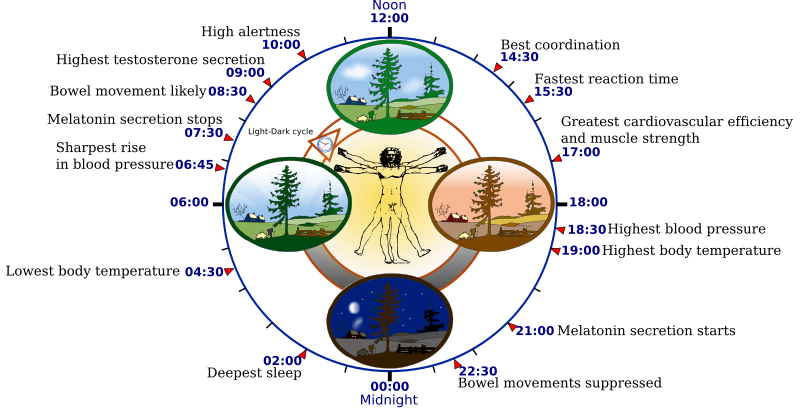
circadian rhythm
natural internal process that regulates the sleep-wake cycle
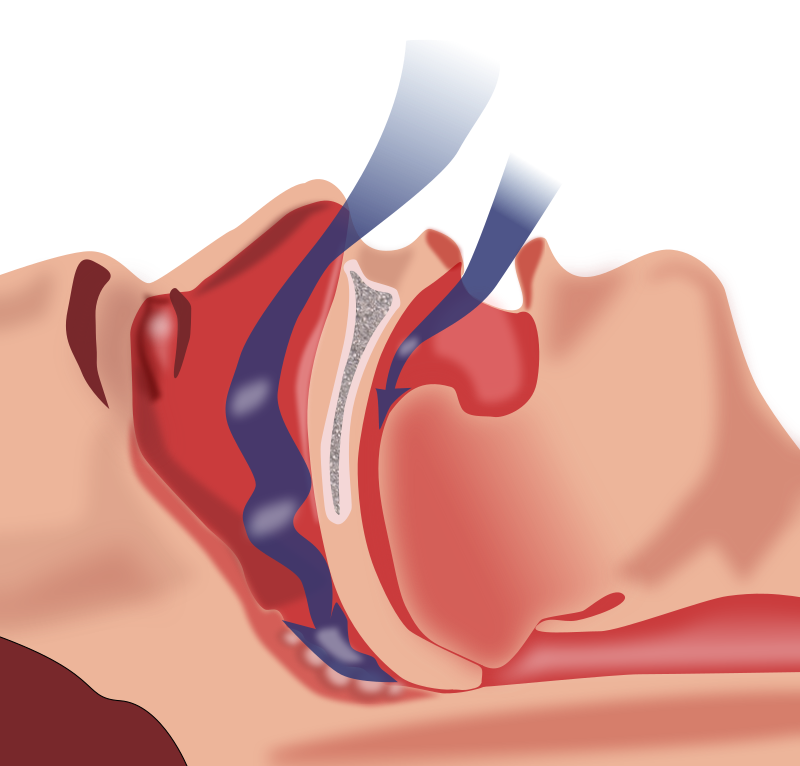
sleep apnea
sleep disorder characterized by repeated cessation and commencing of breathing that disrupts sleep

rapid eye movement sleep
unique phase of sleep in mammals and birds, characterized by random/rapid movement of the eyes

aestivation
thumb|right|Theba pisana snails aestivating on [[Foeniculum vulgare in Montbazin, France]]
suprachiasmatic nucleus
part of the brain's hypothalamus
exploding head syndrome
syndrome where people perceive loud imagined noises when falling asleep or waking up
hypnagogia
Hypnagogia is the transitional state from wakefulness to sleep, also defined as the waning state of consciousness during the onset of sleep. Its corresponding state is sleep to wakefulness. Mental phenomena that may occur during this "threshold consciousness" include hallucinations, lucid dreaming, and sleep paralysis.

oneirology
thumb|right|An artist's depiction of a dream
delayed sleep phase disorder
chronic mismatch between a person's normal daily rhythm, compared to other people and societal norms
non-rapid eye movement sleep
brain state during sleep
circadian rhythm sleep disorder
family of sleep disorders which affect the timing of sleep
oneiromancy
Oneiromancy () is a form of divination based upon dreams, and also uses dreams to predict the future. Oneirogen plants may also be used to produce or enhance dream-like states of consciousness. Occasionally, the dreamer feels as if they are transported to another time or place, and this is offered as evidence they are in fact providing divine information upon their return.
sleep
sleep in non-human beings
sleep medicine
medical specialty or subspecialty devoted to the diagnosis and therapy of sleep disturbances and disorders
slow-wave sleep
3rd and 4th sleep stage
sleep spindle
EEG waveform that occurs during sleep
chronotype
A chronotype is the behavioral manifestation of an underlying circadian rhythm's myriad physical processes. A person's chronotype is the propensity for the individual to sleep at a particular time during a 24-hour period. Eveningness (delayed sleep period; most active and alert in the evening) and morningness (advanced sleep period; most active and alert in the morning) are the two extremes with most individuals having some flexibility in the timing of their sleep period. However, across development there are changes in the propensity of the sleep period with pre-pubescent children preferring
Zeitgeber
A zeitgeber ( , ) is any external or environmental cue that entrains or synchronizes an organism's biological rhythms, usually naturally occurring and serving to entrain to the Earth's 24-hour light/dark and 12-month cycles.

sleep debt
cumulative effect of not getting enough sleep
advanced sleep phase syndrome
sleep disorder that involves an altered circadian rhythm resulting in falling asleep in early evening and awaking very early in the morning
K-complex
thumb|right|350px
A K-complex is a waveform that may be seen on an electroencephalogram (EEG). It occurs during stage 2 NREM sleep. It is the "largest event in healthy human EEG". They are more frequent in the first sleep cycles.
sleep cycle
oscillation between the slow-wave and REM phases of sleep
sleep inertia
drowsiness just after waking up
ultradian rhythm
specific actions or reactions of an organism that recur with a regularity more frequent than once in 24 hours
upper airway resistance syndrome
sleep disorder
dreamwork
Dreamwork is the exploration of the images and emotions that a dream presents and evokes. It differs from classical dream interpretation in that it does not attempt to establish a unique meaning for the dream. In this way the dream remains "alive" whereas if it has been assigned a specific meaning, it is "finished" (i.e., over and done with). Dreamworkers take the position that a dream may have a variety of meanings depending on the levels (e.g. subjective, objective) that are being explored.
hypnopompia
Hypnopompia (also known as hypnopompic state) is the state of consciousness leading out of sleep, a term coined by the psychical researcher Frederic Myers. Its mirror is the hypnagogic state at sleep onset; though often conflated, the two states are not identical and have a different phenomenological character. Hypnopompic and hypnagogic hallucinations are frequently accompanied by sleep paralysis, which is a state wherein one is consciously aware of one's surroundings but unable to move or speak.
unihemispheric slow-wave sleep
sleep in which half the brain remains alert
REM rebound
increased frequency of REM after sleep deprivation
Cortisol awakening response
physiological response when a person wakes up
Sleep in fish
Sleep and learning
awakened and sleep cycyle
sleep and emotions
overview about sleep and emotions