Category
page 1Snow or ice weather phenomena

fog
thumb|upright=1.35|Light fog in Bangladesh

hail
thumb|A large hailstone, about in diameter

iceberg
thumb|upright=1.2|An iceberg in the Arctic Ocean
thumb|Tabular iceberg
thumb|Iceberg from overhead showing above and submerged ice

blizzard
A blizzard is a severe snowstorm characterized by strong sustained winds and low visibility, lasting for a prolonged period of time—typically at least three or four hours. A ground blizzard is a weather condition where snow that has already fallen is being blown by wind. Blizzards can have an immense size and usually stretch to hundreds or thousands of kilometres.
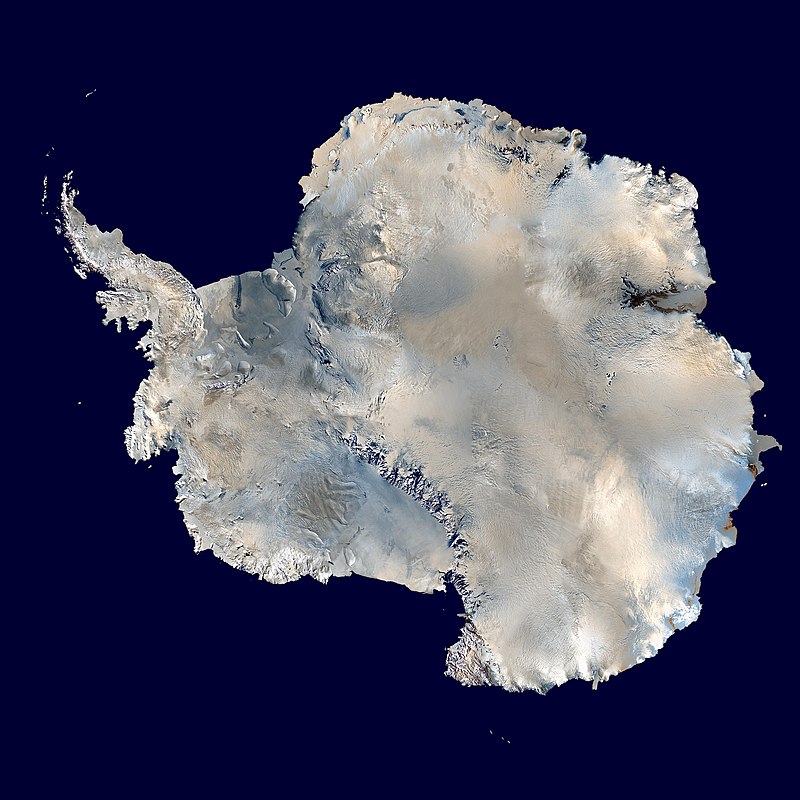
ice sheet
large mass of glacier ice

freezing rain
rain, whose water is supercooled

ice shelf
floating platform of ice on the ocean surface, at outlet of a glacier or ice sheet

snow line
point above which snow and ice cover the ground throughout the year

graupel
alt=|thumb|Graupel pellets in the morning, having fallen the previous day

black ice
transparent coating of glazed ice on a surface
freezing
weather condition with temperature of air below the freezing point of water (273 K, 0 °C)
rain and snow mixed
type of precipitation
polar vortex
persistent cold-core low-pressure area that circles one of the poles
winter storm
event in which the varieties of precipitation are formed that only occur at low temperatures
light pillar
atmospheric optical phenomenon in the form of a vertical band of light which appears to extend above and/or below a light source
ice pellets
precipitation of transparent, spherical or irregular particles of ice
glaze
smooth, transparent and homogeneous ice coating occurring when freezing rain or drizzle hits a surface
cold wave
weather phenomenon

Bloop
thumb|A spectrogram of Bloop
Bloop was an ultra low frequency, high-amplitude underwater sound detected by the U.S. National Oceanic and Atmospheric Administration (NOAA) in 1997. By 2012, earlier speculation that the sound originated from a marine animal was replaced by NOAA's description of the sound as being consistent with noises generated via non-tectonic cryoseisms originating from glacial movements such as ice calving, or through seabed gouging by ice.
diamond dust
ground-level cloud of ice crystals
%20near%20Woodlane%20Road%20in%20Westampton%20Township%2C%20Burlington%20County%2C%20New%20Jersey.jpg)
snowdrift
thumb|right|Snow drift on the edge of a hill
lake-effect snow
snow produced when a cold air mass moves across long expanses of warmer lake water
ice crystal
solid frozen water molecules
ice field
extensive area of interconnected valley glaciers
ground frost
various coverings of ice produced by the direct deposition of water vapor
whiteout
meterological phenomena
ice storm
storm characterized by a fall of freezing liquid precipitation

slush
thumb|Slush on a window
blowing snow
snow lifted from the surface by the wind
Penitentes
Field of regularly spaced ice formations formed by sublimation at high altitudes
.jpg)
Zastruga
300px|thumb|Wind sculpted snow near South Pole Station, forming sastrugi features.
Sastrugi, or zastrugi, are features formed by the erosion of snow by wind.
They are found in polar regions, and in snowy, wind-swept areas of temperate regions, such as frozen lakes or mountain ridges.
Sastrugi are distinguished by upwind-facing points, resembling anvils, which move downwind as the surface erodes.
These points usually lie along ridges parallel to the prevailing wind; they are steep on the windward side and sloping to the leeward side. Smaller irregularities of this type are known as ripples (
pressure ridge
ridge formed in pack ice by accumulation of ice blocks in the convergence between floes
ice congestion
accumulation of ice on a river caused by ice break-up forming a barrier that in turn can cause floods
snow grains
very small particles of ice, the solid equivalent of drizzle
ice floe
large pack of floating ice

thundersnow

Ice stalactite
thumb|Brinicle formation;
snow roller
meteorological phenomenon
hair ice
type of ice that forms on dead wood and takes the shape of fine, silky hair
needle ice
ice column formed when liquid groundwater rises into freezing air
ice shove
event where a surge of ice is pushed onshore from a river or sea (due to water movements or wind)
frazil ice
ice crystals that form in supercooled water that is too turbulent to permit coagulation into sheet ice

cryoseism
A cryoseism, ice quake or frost quake, is a seismic event caused by a sudden cracking action in frozen soil or rock saturated with water or ice, or by stresses generated at frozen lakes.
ice spike
ice crystal growing against gravity
Shuga
form of ice
grease ice
thin, soupy layer of frazil crystals clumped together, which makes the ocean surface resemble an oil slick
industrial snow
type of artificial weather
ice egg
a rare phenomenon in which small pieces of sea ice in open water grow into spheroid pieces of ice
snowsquall
localized heavy snowfall accompanied with strong winds and blowing snow
Snow flurries
light snowfall with little or no accumulation
Ice dune
Dune made of ice
accretion
accumulation of frozen water as precipitation over time as it descends through the atmosphere

Ice Circle of Vana-Vigala
natural phenomenon
clear ice
smooth, compact, and transparent deposit of amorphous ice formed by freezing fog
crown snow-load
snow accumulated on tree branches
ground blizzard
weather condition caused by snow and ice being blown by strong winds