Category
page 1Soil biology

earthworm
An earthworm is a soil-dwelling terrestrial invertebrate that belongs to the phylum Annelida. The term is the common name for the largest members of the class (or subclass, depending on the author) Oligochaeta. In classical systems, they were in the order of Opisthopora since the male pores opened posterior to the female pores, although the internal male segments are anterior to the female. Theoretical cladistic studies have placed them in the suborder Lumbricina of the order Haplotaxida, but this may change. Other slang names for earthworms include "dew-worm", "rainworm", "nightcrawler", and

carbon cycle
biogeochemical cycle by which carbon is exchanged among the biosphere
mycorrhiza
thumb|Introductory video animation providing some basic information about mycorrhizas.

nitrogen cycle
biogeochemical cycle by which nitrogen is converted into various chemical forms

nitrogen fixation
process which converts nitrogen from the air into compounds such as ammonia

rhizosphere
thumb|upright=1.7| (A) Root system architecture is concerned with structural features of the root and responds to with environmental stimuli. (B) The rhizosphere produces photosynthetically fixed carbon that exudes into the soil and influences soil physicochemical gradients. (C) Free-living or [[parasitic nematodes interact with the rhizosphere via signaling interactions. (D) Mycorrhizal fungi create intimate relationships with the roots and engage in nutrient exchange. (E) Bacterial composition is distinct upon different parts, age, type of the roots.]]

detritivore
thumb|Earthworms are soil-dwelling detritivores.
Detritivores (also known as detrivores, detritophages, detritus feeders or detritus eaters) are heterotrophs that obtain nutrients by consuming detritus (decomposing plant and animal parts as well as feces). There are many kinds of invertebrates, vertebrates, and plants that eat detritus or carry out coprophagy. By doing so, all these detritivores contribute to decomposition and the nutrient cycles. Detritivores should be distinguished from other decomposers, such as many species of bacteria, fungi and protists, which are unable to ingest discr

nitrification
right|thumb|300px|Nitrogen cycle
Glomeromycota
Glomeromycota (often referred to as glomeromycetes, as they include only one class, Glomeromycetes) are one of eight currently recognized divisions within the kingdom Fungi,
phosphorus cycle
biogeochemical movement
sulfur cycle
biogeochemical cycle of sulfur
root hair
part of a plant. any of the hollow hairlike outgrowths of the outer cells of a root, just behind the tip, that absorb water and salts from the soil

Fusarium oxysporum
species of fungus
Nitrifying bacteria
chemolithotrophic organism(s)
lithotroph
Lithotrophs are a diverse group of organisms using an inorganic substrate (usually of mineral origin) to obtain reducing equivalents for use in biosynthesis (e.g., carbon dioxide fixation) or energy conservation (i.e., ATP production) via aerobic or anaerobic respiration. While lithotrophs in the broader sense include photolithotrophs like plants, chemolithotrophs are exclusively microorganisms; no known macrofauna possesses the ability to use inorganic compounds as electron sources. Macrofauna and lithotrophs can form symbiotic relationships, in which case the lithotrophs are called "prokaryo
Nitrosomonas
Nitrosomonas is a genus of Gram-negative bacteria belonging to the class Betaproteobacteria. It is one of the five genera of ammonia-oxidizing bacteria and, as an obligate chemolithoautotroph, uses ammonia (NH3) as an energy source and carbon dioxide (CO2) as a carbon source in the presence of oxygen.
soil life
collective term for organisms living in soil or at the soil–litter interface
soil biology
study of microbial and faunal activity and ecology in soil

Rhizobia
thumb|right|Root nodules, each containing billions of Rhizobiaceae bacteria
.jpg)
Ectomycorrhiza
thumbnail|Ectomycorrhizal symbiosis, showing root tips with fungal mycelium from the genus [[Amanita]]
arbuscular mycorrhiza
endomycorrhiza in which the symbiont fungus penetrates the cortical cells of the roots of a vascular plant forming arbuscules

The Formation of Vegetable Mould through the Action of Worms
Scientific book about earthworms by Charles Darwin, 1881
soil microbiology
microbiology of soils
Fibrous root system
type of branching plant root system
forest floor
soil horizon
Hartig net
network of inward growing hyphae
soil ecology
study of the interactions among soil organisms, and between biotic and abiotic aspects of the soil environment
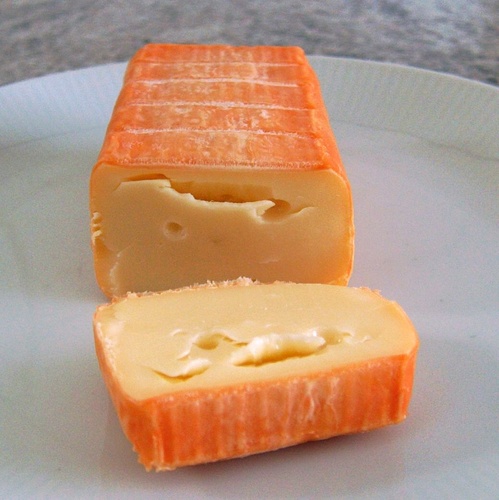
Brevibacterium
Brevibacterium is a genus of bacteria of the order Micrococcales. They are Gram-positive soil organisms.
human impact on the nitrogen cycle
environmental impact of agricultural and industrial nitrogen
malacidin
Malacidins are a class of chemicals made by bacteria found in soil that can kill Gram-positive bacteria. Their activity appears to be dependent on calcium. The discovery of malacidins was published in 2018.
glomalin
Glomalin is a hypothetical glycoprotein produced abundantly on hyphae and spores of arbuscular mycorrhizal (AM) fungi in soil and in roots. Glomalin was proposed in 1996 by Sara F. Wright, a scientist at the USDA Agricultural Research Service, but it was not isolated and described yet. The name comes from Glomerales, an order of fungi. Most AM fungi are of the division Glomeromycota. An elusive substance, it is mostly assumed to have a glue-like effect on soil, but it has not been isolated yet.
denitrifying bacteria
bacteria using nitrate and nitrite as a terminal electron acceptor
actinorhizal plant
plants hosting N-fixing Frankia symbioants in nodules
soil respiration
chemical process produced by soil and the organisms within it
microbial inoculant
agricultural amendment
Micromonosporaceae
Micromonosporaceae is a family of bacteria of the class Actinomycetia. They are gram-positive, spore-forming soil organisms that form a true mycelium.
saprophagy
thumb|right|250px|Fungi are the primary decomposers in most environments, illustrated here [[Mycena interrupta.]]
Saprophages are organisms that obtain nutrients by consuming decomposing dead plant or animal biomass. They are distinguished from detritivores in that saprophages are sessile consumers while detritivores are mobile. Typical saprophagic animals include sedentary polychaetes such as amphitrites (worms of the family Terebellidae) and other terebellids.

Gordonia
genus of bacteria
Microbacteriaceae
Microbacteriaceae is a family of bacteria of the order Actinomycetales. They are Gram-positive soil organisms.
Ericoid mycorrhiza
species of fungus
Cytophaga
Cytophaga is a genus of Gram-negative, gliding, rod-shaped bacteria. This bacterium is commonly found in soil, and rapidly digests crystalline cellulose. C. hutchinsonii is able to use its gliding motility to move quickly over surfaces. Although the mechanism for this is not known, there is a belief that the flagellum is not used.
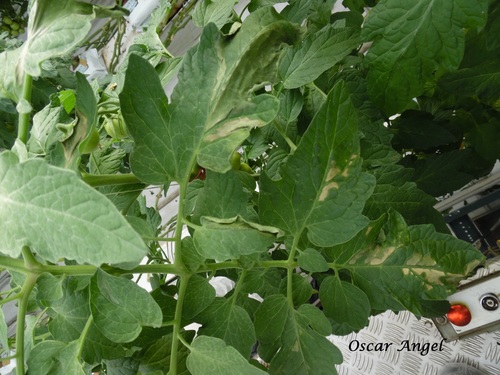
Clavibacter michiganensis
species of bacterium
soil food web
complex living system in the soil
Soil fauna
fauna living in soil
Intrasporangiaceae
Intrasporangiaceae is an actinomycete family. The family is named after the type genus Intrasporangium. The type species of Intrasporangium (I. calvum) was originally thought to form endospores; however, the mycelium of this strain may bear intercalary vesicles that were originally identified as spores. No members of Intrasporangiaceae are known to form spores.
Rhizobacteria
thumb|right|300px|Cross section though a soybean (Glycine max 'Essex') root nodule: The rhizobacteria, Bradyrhizobium|Bradyrhizobium japonicum, colonizes the roots and establishes a nitrogen-fixing symbiosis. This high-magnification image shows part of a cell with single bacteroids within their host plant. In this image, endoplasmic reticulum, dictysome, and cell wall can be seen.
cryptobiotic soil
Thermomonosporaceae
Thermomonosporaceae is a family of bacteria that share similar genotypic and phenotypic characteristics. The family Thermomonosporaceae includes aerobic, Gram-positive, non-acid-fast, chemo-organotrophic Actinomycetota. They produce a branched substrate mycelium bearing aerial hyphae that undergo differentiation into single or short chains of arthrospores. All species of Thermomonosporaceae share the same cell wall type (type III; meso-diaminopimelic acid), a similar menaquinone profile in which MK-9(H6)is predominant, and fatty acid profile type 3a. The presence of the diagnostic sugar maduro
entomopathogenic nematode
group of nematodes
soil zoology
study of animals that live in soil
Plant use of endophytic fungi in defense
Orchid mycorrhiza
symbiotic relationship between orchids and some fungi
Rhizophagus irregularis
species of fungus
Hyphomicrobiales
The Hyphomicrobiales (synonym Rhizobiales) are an order of Gram-negative Alphaproteobacteria.
Beutenbergiaceae
Beutenbergiaceae is an Actinomycete family.