Category
page 1Space-flown life

tardigrade
Tardigrades (), also known as water bears or moss piglets, are a phylum of eight-legged segmented micro-animals. They were first described by the German zoologist Johann August Ephraim Goeze in 1773, who called them ' . In 1776, the Italian biologist Lazzaro Spallanzani named them Tardigrada', which means 'slow walkers'.

rhesus macaque
species of Old World monkey

Brassica rapa
species of plant

Araneus diadematus
species of arachnid

Kalanchoe
Kalanchoe ( ), (also called "kalanchöe" or "kalanchoë"), is a genus of about 125 species of tropical, succulent plants in the stonecrop family Crassulaceae, mainly native to Madagascar and tropical Africa. A Kalanchoe species was one of the first plants to be sent into space, sent on a resupply to the Soviet Salyut 6 space station in 1979.

crab-eating macaque
species of mammal

Arabidopsis thaliana
species of plant

Tenebrio molitor
thumb|Mealworms, larvae of Tenebrio molitor, illustrated by Des Helmore

Chang'e 4
Chinese lunar lander

Russian tortoise
species of reptile

Mongolian gerbil
species of mammal

brine shrimp
genus of crustaceans that inhabit saltwater lakes

Oreochromis mossambicus
species of fish

Xanthoria parietina
species of fungus
animal in space
a non-human animal launched into space for scientific reasons

Little pocket mouse
species of mammal

Brassica rapa subsp. nipposinica
, kyouna (京菜), Japanese mustard greens, or spider mustard is a cultivar of Brassica rapa var. niposinica.
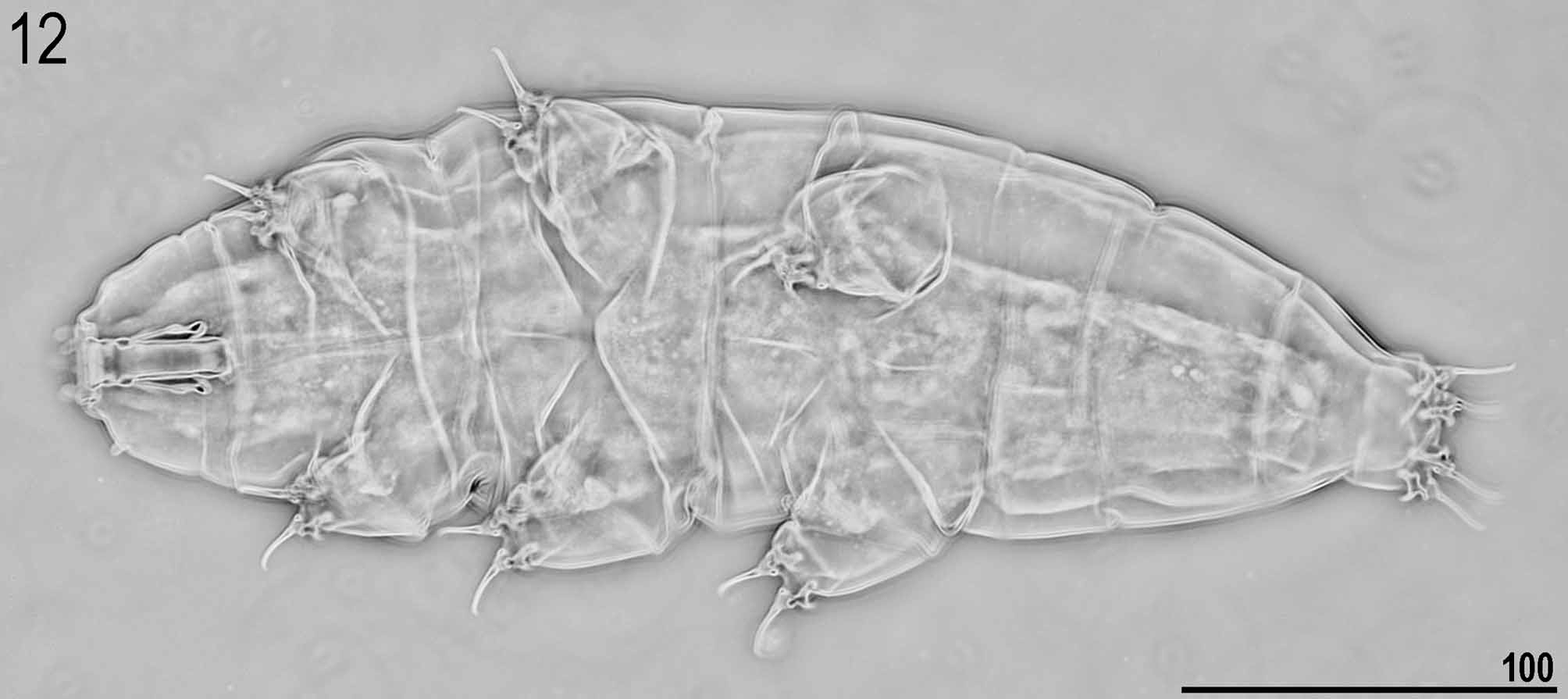
Milnesium tardigradum
species of tardigrade
Euprymna scolopes
species of mollusc
Moon Tree
tree grown from one of the 500 seeds taken into orbit around the Moon by Stuart Roosa during the Apollo 14 mission in 1971
plant in space
overview about plants in space

C57BL/6
thumb|C57BL/6, female, 22 weeks old
Long Duration Exposure Facility
free-flying experiment platform orbited by the Space Shuttle
Biosatellite program
NASA satellite program
BioSentinel
BioSentinel is a low-cost CubeSat spacecraft on an astrobiology mission that uses budding yeast to detect, measure, and compare the impact of deep space radiation on DNA repair over long time beyond low Earth orbit.
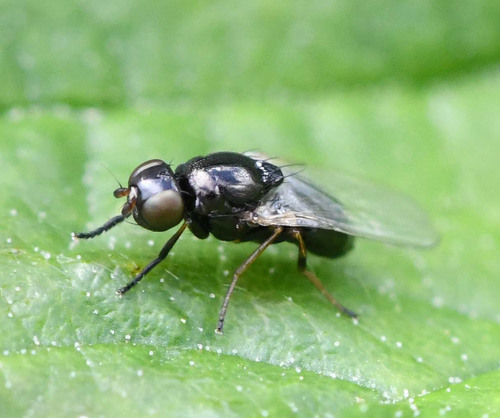
Piophila
Piophila is a genus of small flies which includes the species known as the cheese fly. Both Piophila species feed on carrion, including human corpses.

Chroococcidiopsis
thumb|Chroococcidiopsis thermalis can photosynthesize in far-red light, and might be suitable for future Mars colonists.
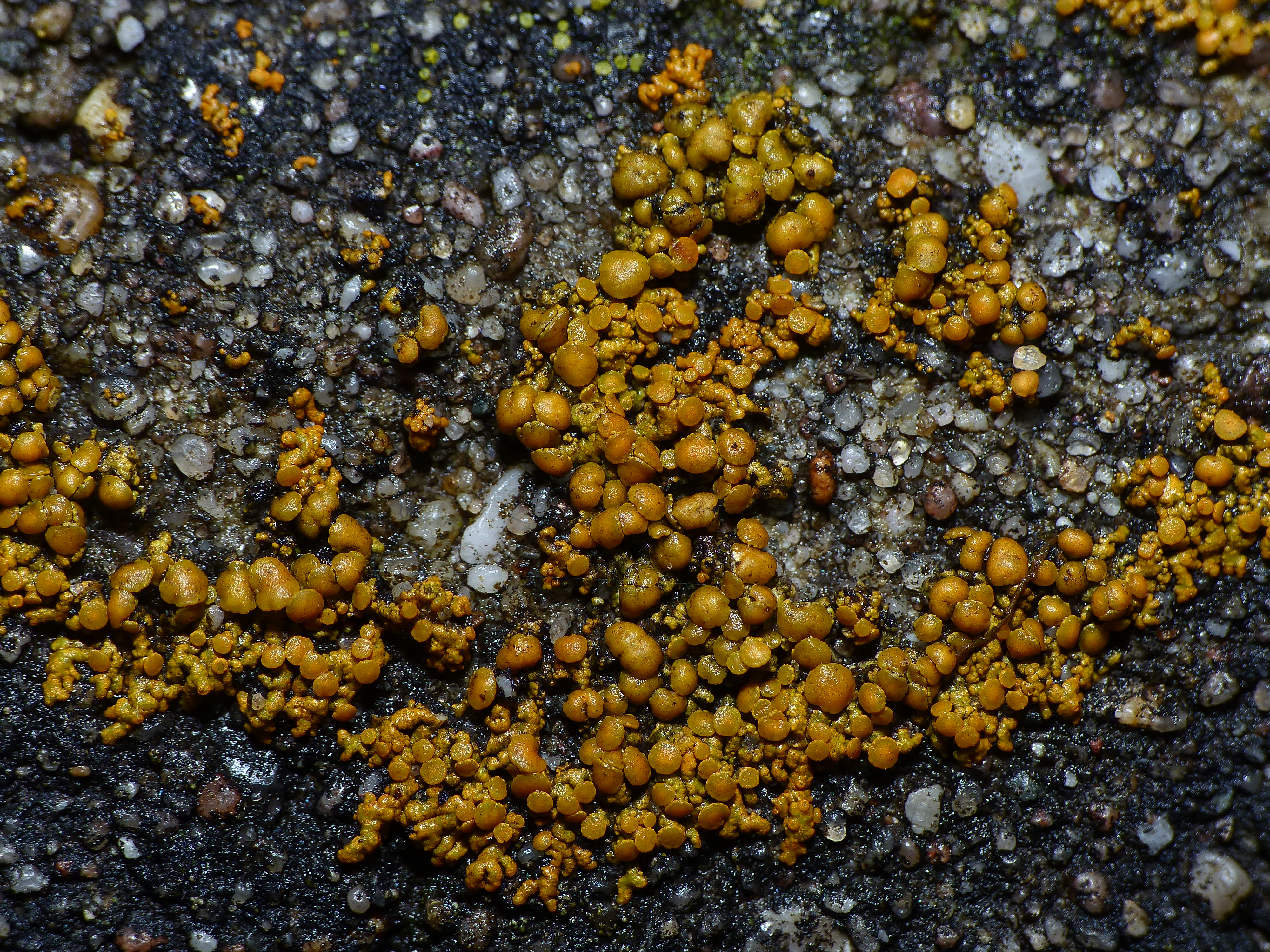
Rusavskia elegans
species of fungus
O/OREOS
The O/OREOS (Organism/Organic Exposure to Orbital Stresses) is a NASA automated CubeSat nanosatellite laboratory approximately the size of a loaf of bread that contains two separate astrobiology experiments on board. Developed by the Small Spacecraft Division at NASA Ames Research Center, the spacecraft was successfully launched as a secondary payload on STP-S26 led by the Space Test Program of the United States Air Force on a Minotaur IV launch vehicle from Kodiak Island, Alaska on 20 November 2010, at 01:25:00 UTC.
Cinnamon basil
variety of basil
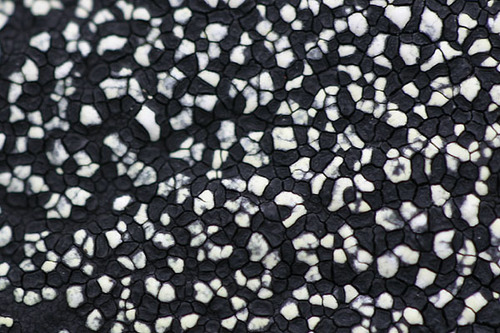
Buellia frigida
species of fungus